



In the complex and often traditionalist landscape of the Swiss watch industry, few brands occupy a space as distinct as Formex. Established in the early 2000s, the company originally carved out a niche for itself with a proprietary case suspension system—a mechanical shock-absorption architecture inspired by automotive and aerospace engineering—and bold designs that paid homage to the origin of its name, derived from the French phrase ‘forme extrême,’ or extreme shapes. For a time, these rugged, unconventional timepieces captured the imagination of modern watch enthusiasts looking for something genuinely different from the classic dress watches and standard tool watches dominating the market.
However, the severe global recession triggered by the financial crisis of 2008 dealt a near-fatal blow to the independent brand. Like many smaller enterprises that lacked deep institutional backing or conglomerate support during those tumultuous years, Formex entered a prolonged period of relative dormancy, fading from the active consciousness of the broader collecting community.
The turning point arrived in 2016, when a rescue package and total buyout were orchestrated by a group backed by Dexel, a prominent Swiss component manufacturer specializing in high-end bracelets, clasps, and cases, alongside dials through its subsidiary Cadranor. This acquisition injected industrial muscle, technical capability, and financial stability back into the dormant brand, setting the stage for one of the most compelling comeback stories in contemporary independent watchmaking.

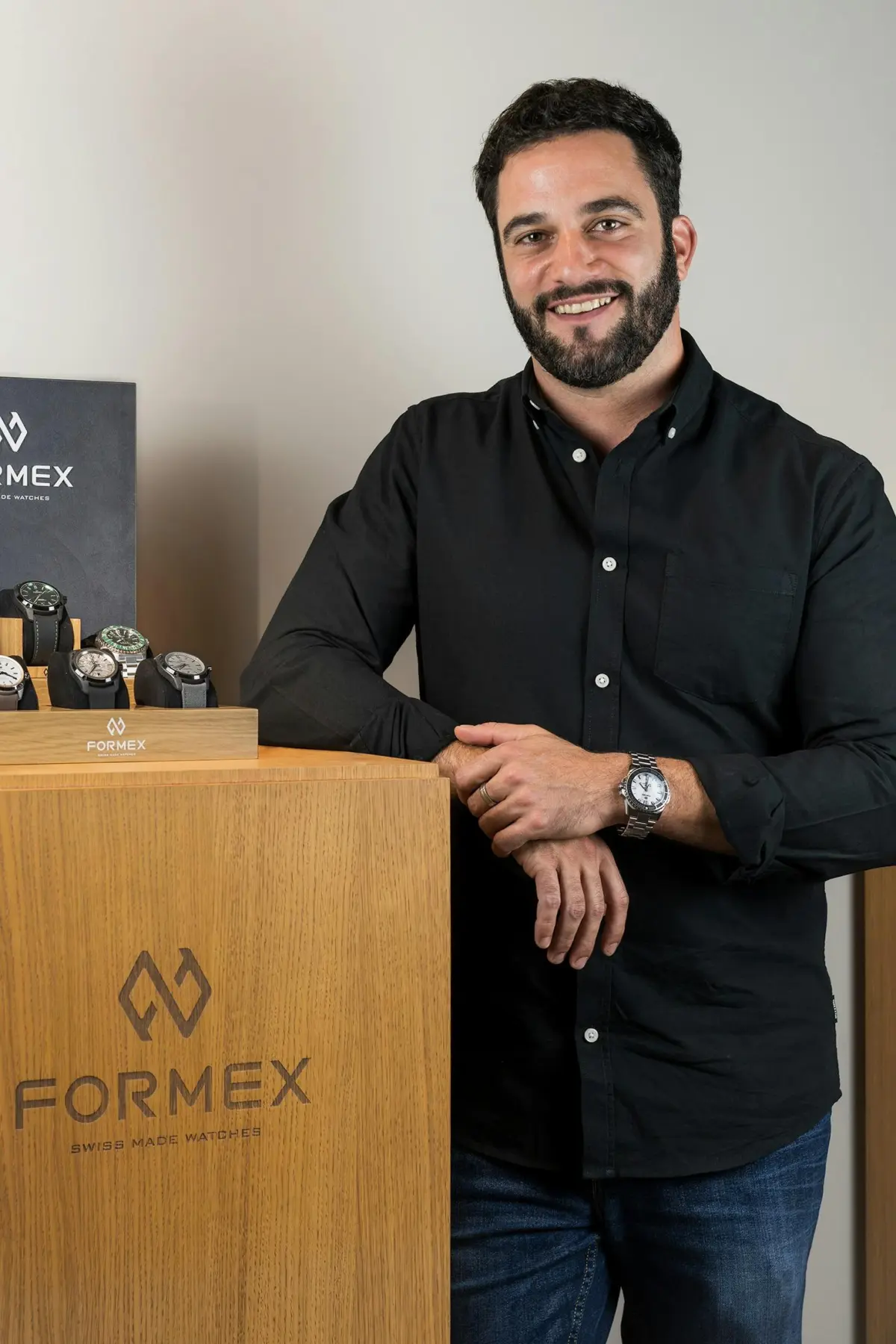
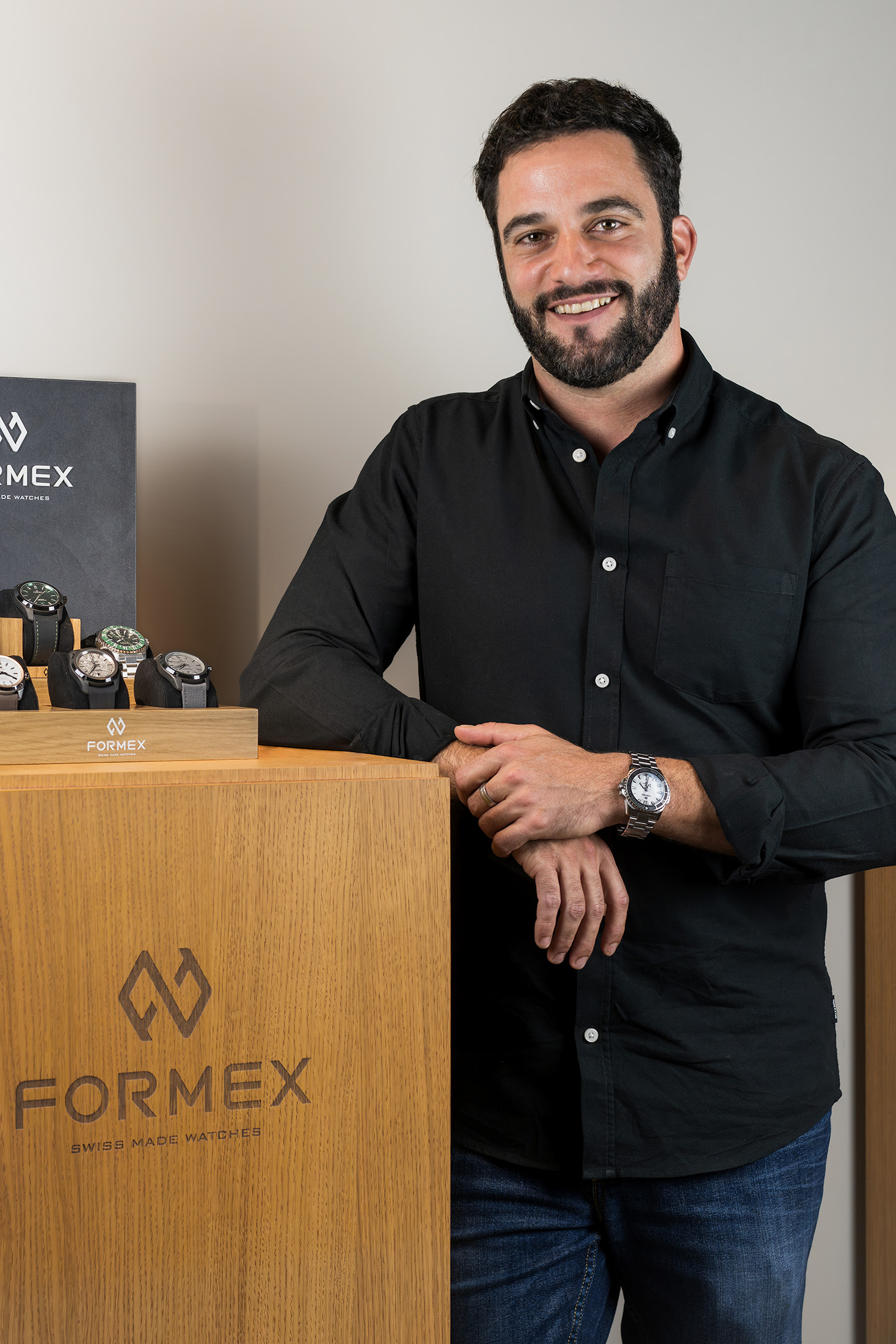
At the helm of this revival is Raphael Granito, who is now in his mid-thirties and deeply connected to the family business behind Dexel. Granito led the takeover of the Formex marque and has steered its strategic development ever since. Over the ensuing decade, Formex has systematically leveraged Dexel’s formidable manufacturing savoir-faire, supply chain mastery, and research and development resources. The result has been a steady output of innovative, mechanically sophisticated, yet remarkably approachable Swiss-made watches that punch well above their weight class in terms of quality and finishing.
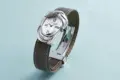
This evolutionary trajectory recently culminated in the release of the Formex Aria, a high-end integrated-bracelet titanium sport watch that represents a quantum leap for the brand. Powered by an ultra-thin, micro-rotor manufacture movement designed and produced in collaboration with Horage, the Aria is priced just below CHF 6,000. While this represents a significant step up compared to the brand’s traditional entry-level and mid-range offerings—which hover around an average price point of CHF 1,800—it introduces cutting-edge independent haute horlogerie features to a segment of collectors who might otherwise find such complications financially out of reach.
Reflecting on the brand’s trajectory, Granito outlines how Formex has steadily grown its footprint and forged deeper connections with its clientele, largely by operating outside the traditional, multi-layered retail structures that dictate the operations of legacy Swiss houses. By bypassing conventional brick-and-mortar distribution bottlenecks and focusing heavily on direct-to-consumer engagement, the brand has maintained tighter control over its pricing while building a dedicated community of global collectors. Remaining true to its roots as an agile enterprise, Granito even brought in his best friend from university to spearhead marketing and sales efforts, preserving a collaborative, entrepreneurial spirit within the executive ranks.
Central to Formex’s modern identity is an unwavering commitment to upscale finishing and proprietary component engineering. The brand has distinguished itself by offering exceptional value through complex case architectures, articulated bracelets, innovative micro-adjustment clasps, and striking dials crafted from exotic materials, including authentic meteorite and various natural stones. This relentless focus on tactile quality and functional ergonomics is part of a design philosophy that Granito refers to as ‘designeering’—a portmanteau of design and engineering that emphasizes how aesthetic form and mechanical function must be developed simultaneously.
This philosophy has clearly struck a chord with contemporary watch enthusiasts, particularly in the United States, which has rapidly grown to become the Swiss brand’s largest and most active market. American collectors, known for their appreciation of independent watchmaking, technical innovation, and transparent value propositions, have embraced Formex’s modern lineup as a refreshing alternative to mainstream luxury offerings.
As Formex continues to balance its industrial heritage with daring horological ambitions, the brand serves as a masterclass in how a dormant watchmaker can be successfully resuscitated through vertical integration, strategic vision, and an authentic connection with its audience. Whether discussing corporate strategy, the complexities of micro-rotor movement development, or the future of independent Swiss manufacturing, the conversation around Formex highlights a vibrant sector of the watch industry where agility and craftsmanship continue to redefine what is possible at accessible price points.