







In the modern landscape of child-rearing, parents face an almost relentless wave of pressure to remain calm, regulate their emotions, and practice "gentle parenting" through every toddler meltdown and teenage standoff. But as millions of views on social media suggest, a growing faction of caregivers is fighting back against the exhausting expectation of perpetual patience—often by leaning into a controversial new trend known as "petty parenting."
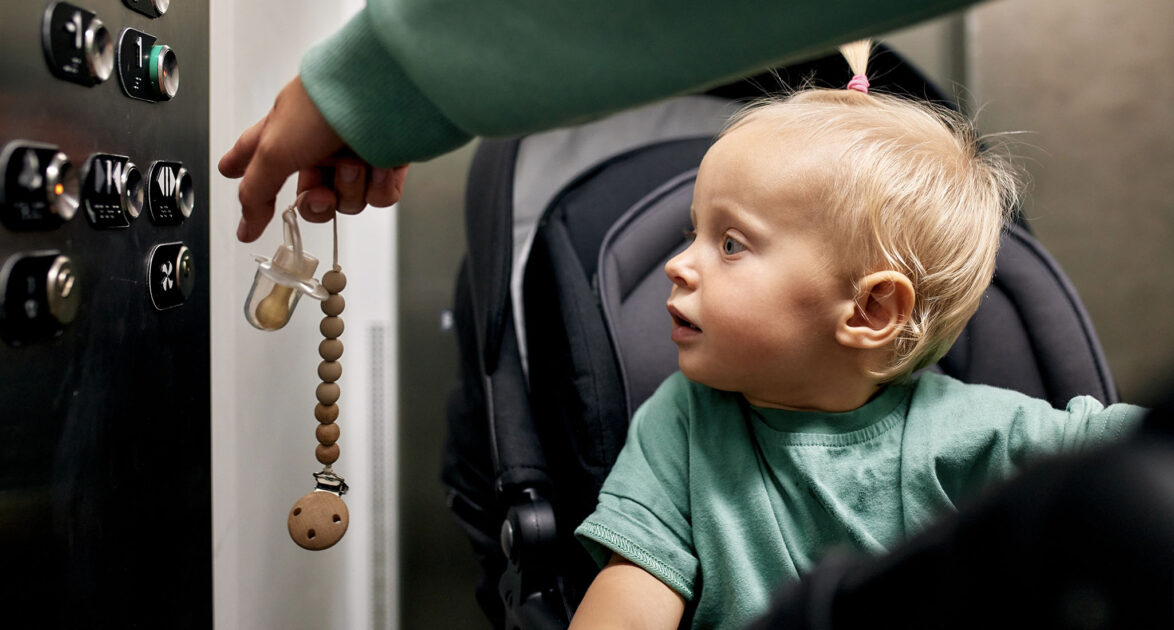
The phenomenon recently captured the internet’s attention through a viral TikTok video shared by Louisville-based mother Kristen Bright. Facing a frustrating morning filled with her young son’s bad behavior and tantrums, Bright decided to take matters into her own hands in the most low-stakes, passive-aggressive way imaginable. In a video clip that has amassed more than 1.5 million likes, Bright reveals her retaliatory move: upon entering an apartment or hotel elevator with her misbehaving son, she deliberately reaches out and presses the elevator button first, robbing him of a simple, coveted childhood joy.
"Ruining my kid’s whole day because they ruined my morning," a text overlay on the video reads. Bright’s caption zeroes in on the specific name for this modern coping mechanism: petty parenting.
Reactions across social media were swiftly divided. Some viewers cheered the mother’s hilarious display of human pettiness, viewing it as a refreshing antidote to the sanitized perfection often projected online. Others, however, condemned the act as cruel, arguing that parents should not model vindictive behavior or weaponize daily frustrations against their own children.
For many observers, the viral moment struck a chord. In a household where an adult pressing an elevator button before a child might otherwise feel like a minor sacrilege, the act of quiet retaliation felt less malicious and more accidentally comedic—a harmless way for an overwhelmed parent to blow off steam. Yet, as the debate continues to unfold online, child development experts and family therapists are weighing in on whether petty parenting is a harmless comedic outlet or a slippery slope toward poor emotional modeling.
First, What Is Petty Parenting?
At its core, petty parenting can be understood as the social-media-friendly evolution of age-old parental exhaustion. Instead of resorting to raised voices, lengthy lectures, or emotionally draining power struggles, caregivers practicing petty parenting choose to respond to a child’s frustrating behavior with humor-driven retaliatory acts. The strategy relies on mirroring a child’s obstinate behavior to give them a taste of their own medicine, entirely bypassing traditional disciplinary lectures in favor of poetic justice.
Examples of the trend span a wide range of domestic scenarios. A parent might change the home Wi-Fi password to a phrase like homeworkfirst to counteract a tween attempting to sneak in video games before finishing their school assignments. In other instances, a parent might pack a discarded apple core left behind on a child’s bedside table right back into their lunchbox to serve as a sarcastic dessert.
While these actions are undeniably funny to an outside observer, they also carry an undeniable edge of meanness. They sit at the intersection of humor and frustration, reflecting the very real friction of daily family life.
When Does Humor Become Malicious?
The surging popularity of petty parenting cannot be separated from the cultural climate surrounding modern family life. In an era when parents are constantly told they must always get it right—to perfectly regulate their own emotions and guide their children through deeply trying moments with unwavering gentleness—petty parenting offers a low-stakes pressure valve. It provides a momentary release for caregivers who feel boxed in by the perfectionist standards of contemporary parenting culture.
At the same time, critics argue that the trend can easily cross the line into a harmful power trip. When parents use retaliatory behavior, even wrapped in a playful or humorous package, they risk modeling the exact conduct they are trying to discourage in their children. Furthermore, younger children often lack the developmental maturity to comprehend sarcasm, irony, or playful humor. To a young child, a parent’s petty act may simply feel like arbitrary punishment, rejection, or emotional withdrawal.
In the wake of viral videos like Bright’s, some commentators have warned that petty parenting could inadvertently teach children that conflict is merely a scoreboard where points are kept and scores must be settled, potentially fostering long-term emotional damage.
Cheryl Donaldson, a licensed marriage and family therapist, emphasizes that the underlying motivation behind the behavior is what ultimately dictates its impact.
"When you’re parenting your kids, it’s easy to get angry," Donaldson notes. "For parents engaging in petty parenting, it’s important to ask themselves: What is the intention behind being petty? Is it driven by anger or are you looking to teach your child a valuable skill or lesson? That difference matters."
Donaldson acknowledges that humor can be an effective tool when used correctly to defuse high-tension situations. Reflecting on her own experience raising sons, she recalls using lighthearted distractions to break the cycle of sibling conflict. If her boys began fighting in the car, she would turn up the music and start singing aloud until they all began laughing. Such tactics successfully drained the stress and tension from the moment while remaining transparent in their intent.
Most Important Is the Follow-Up
Donaldson also views certain elements of petty parenting as a straightforward way of establishing and holding firm boundaries. For example, maintaining a strict rule against signing school permission slips on the morning they are due may feel petty to a disorganized child, but it reinforces essential executive functioning and accountability. Similarly, confiscating toys left scattered across the floor serves as a direct consequence for ignoring household rules.
However, Donaldson stresses that these actions must be paired with clear communication. Consequences are a vital pillar of child-rearing, bridging the gap between a rule being broken and a child recognizing their own responsibility. When a child experiences an age-appropriate consequence, it activates the part of the brain that says, "I am responsible for this." Learning accountability in a structured way is an essential developmental milestone.

Yet, Donaldson warns that petty acts must never stand alone. The practice crosses the line from playful discipline into emotional abandonment when the parent fails to process the interaction afterward.
"Petty parenting crosses the line when you don’t process it," she explains. "In other words, you do the petty thing and just leave it there. You have to circle back, whether that’s when they’re going to bed or later in the day and give them the learning."
Using the example of packing an unprompted apple core instead of a traditional dessert, Donaldson points out that the parent must eventually return to the issue to explain the underlying reasoning. A proper follow-up conversation might involve explaining to the child that leaving trash behind for others to clean up is hurtful, and that while the petty act was meant to offer a taste of medicine, the ultimate goal is to collaborate on a better system moving forward. The repair of the relationship and the educational takeaway are always the primary objectives.
So, About That Elevator Incident
When evaluating viral moments like the elevator incident that sparked the online debate, Donaldson suggests viewing them through a wider lens. She categorizes such actions as more passive-aggressive than genuinely petty, largely because viewers are missing the crucial follow-up context. Social media clips capture only a fleeting few seconds of a parent’s entire day.
It remains entirely possible that Kristen Bright and her son shared a laugh about the elevator standoff later that day, or that they used the moment as a springboard for a deeper conversation once emotions had cooled. Alternatively, the moment may have simply been captured, posted, and left in the digital ether.
Ultimately, child-rearing experts agree that a healthy dose of humor can make the daily grind of parenting significantly more manageable. But as the viral trend demonstrates, the laughter is only half the equation—how a parent follows up to guide, teach, and reconnect is what ultimately determines the impact on a child’s development.