






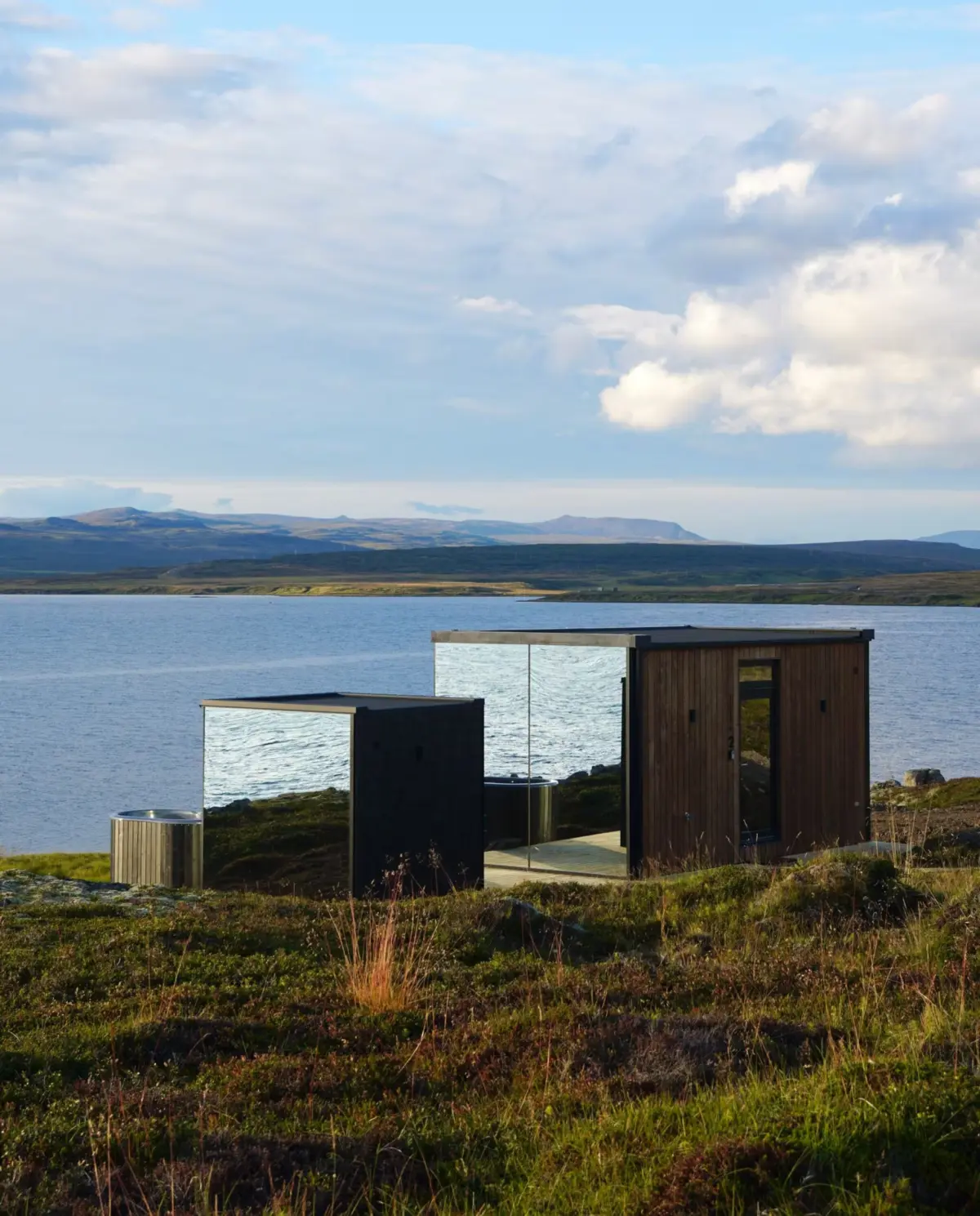
There is a distinct reason why so many people frequently talk about leaving Wi-Fi, cell service, and city lights behind for a remote Airbnb that lets them truly connect with nature. For some individuals, the complete absence of connectivity is their greatest nightmare—a terrifying descent into isolation where emails go unanswered and social media feeds freeze indefinitely. For others, however, it represents the absolute height of luxury. The middle of nowhere might be divisive in its inherent allure, but there is no denying what it can uniquely offer to a certain type of traveler seeking refuge from the relentless pace of contemporary existence.
Whether the underlying motivation is a deep-seated desire to connect with the great outdoors, or a more introspective journey to look deeper within oneself, the appeal is broad and varied. Sometimes, the driving force behind booking such an isolated retreat is as simple as getting some distraction-free reading done away from the constant pings of notifications and the daily noise of urban environments. Whatever the case may be, a remote Airbnb promises peace, quiet, and unparalleled access to the natural world. This can look entirely different depending on the destination, whether that translates to the craggy, dramatic cliffs of an Icelandic fjord, or the lush, rolling Green Mountains of Maine. The properties featured in curated travel collections—spanning everywhere from a working vegetable farm in North Carolina to the towering Andean peaks of Patagonia—offer visitors an experience unlike any other traditional vacation.
Yet, in the case of these exceptional spots, "remote" does not always have to mean inconveniently out of the way or difficult to access. Some of these unique rentals, such as a secluded cottage tucked away in the Faroe Islands or a rustic cabin nestled in Tennessee, are actually situated within 20 minutes of a regional airport or major city. This particular dynamic offers travelers the best of both worlds: the profound tranquility of total seclusion coupled with the practical convenience of not spending days in transit just to reach the front door. Collections of these remote properties cater to every imaginable level of adventure, whether travelers dream of experiencing the profound, meditative stillness of the high desert in California or hanging out at the breathtaking top of a mountain in Peru.
Industry standards for these vetted listings typically focus on rigorous metrics. Properties are often evaluated based on elite Superhost and Guest Favorite status on platforms like Airbnb, alongside consistently high ratings, exceptional amenities, unique geographic locations, glowing previous guest reviews, and thoughtful, place-based decor that complements the surrounding landscape. This careful curation ensures that guests trading civilization for the wilderness are not sacrificing comfort, safety, or aesthetic charm.
The concept of unplugged travel has evolved significantly over recent years, transforming from a niche lifestyle choice into a sought-after form of wellness and personal restoration. Travel industry analysts and consumer reports increasingly indicate that vacations centered around digital detox are becoming more transformative than ever before. In an era dominated by constant connectivity, endless news cycles, and the blurred boundaries between work and personal life, the psychological benefits of stepping entirely off the grid have never been more pronounced. For many guests, the luxury of a remote rental is found not in marble countertops or infinity pools, but in the rare luxury of unbroken silence, dark night skies free of light pollution, and the mental space to simply exist without external demands.
This trend is also closely tied to the rise of what some travelers call readaways—vacations specifically designed around the lost art of deep concentration and uninterrupted reading, such as retreats taken during the off-season in places like Nantucket or secluded coastal hamlets. When the distractions of modern technology are stripped away, travelers find themselves with the time and mental bandwidth to rediscover hobbies, engage in creative thinking, or simply rest in a way that feels increasingly impossible at home.
At the same time, the geographic diversity of these remote retreats ensures that travelers can tailor their isolation to their exact preferences. North Carolina offers agrarian retreats where guests can wake up to the sounds of a working vegetable farm, while international destinations like Patagonia provide humbling encounters with massive glaciers, sweeping steppes, and jagged mountain ranges that dwarf human concerns. Meanwhile, domestic favorites in New England and the American South prove that one does not necessarily need to cross an ocean to find profound solitude; a quiet stretch of forest or a mist-covered mountain peak is often just a short drive away from civilization, yet feels a million miles from reality.
As travelers continue to seek out these alternative escapes, the demand for properties that balance accessibility with true isolation remains robust. Whether guests are seeking an adrenaline-fueled basecamp for exploring rugged wilderness or a quiet cocoon for rest and reflection, the appeal of the remote Airbnb endures as a powerful antidote to modern burnout. This gallery of exceptional retreats continues to be updated with fresh reporting and new property discoveries to help travelers find their ideal balance of wilderness and wonder, offering a curated look at the world’s most captivating corners for those brave enough to turn off their phones and leave the city lights behind.