


Richard Avedon is always in fashion, a testament to an artistic vision that extended far beyond the surface of glamour to capture the psychological reality of his subjects. Whether photographing impossibly beautiful fashion models, civil rights activists, or countercultural punks, Avedon sought out who people truly were underneath the veneer. This profound, human-centric approach is the subject of a new documentary directed by Ron Howard, simply titled Avedon, which premieres on Netflix on November 11. The arrival of the documentary coincides seamlessly with a major gallery exhibition titled Richard Avedon: Hollywood, currently on view at the Gagosian gallery in Beverly Hills, proving that the photographer’s cultural footprint remains as vibrant and influential as ever.
The timing of these cultural projects invites a retrospective look at the groundbreaking work Avedon produced during his legendary tenure at Vogue. Having followed legendary editor Diana Vreeland from Harper’s Bazaar to Vogue in 1966, Avedon maintained a prolific and transformative partnership with the magazine for 23 years. Among the many monumental portfolios from this era is a legendary 25-page editorial originally published in the March 1, 1967, issue of Vogue, capturing the German-born model Veruschka. Avedon famously described Veruschka as "the most beautiful woman in the world," a woman whose striking presence and physical dynamism "demands something and you must extend yourself to meet the challenge or know that a kind of splendor is lost to you forever."
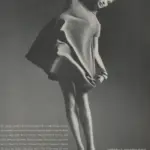
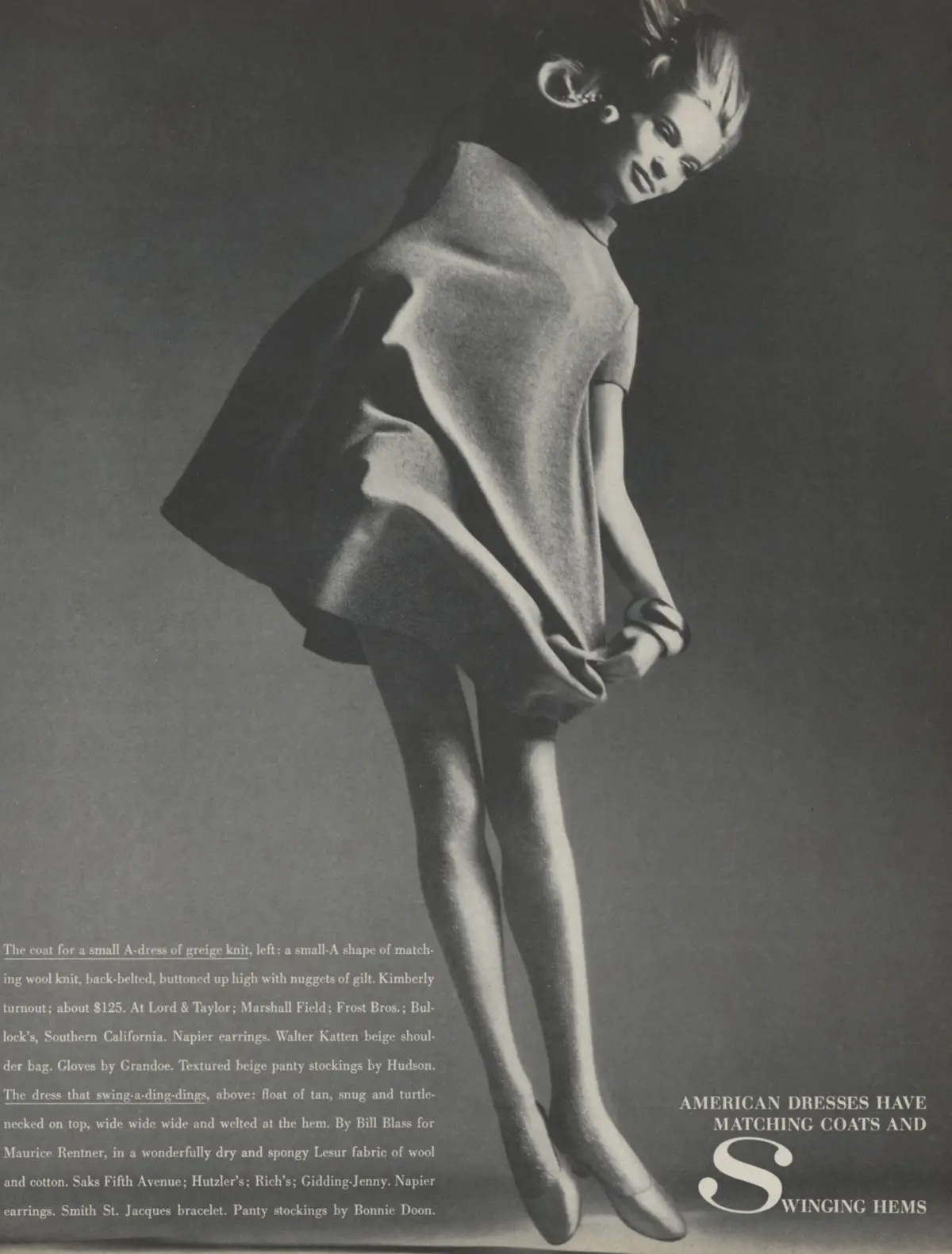
In these iconic 1967 images, nothing is lost. Instead, the photographs capture Veruschka in constant, fluid movement, documenting a rare and electrifying symbiosis between artist and subject. Titled “Vogue’s Eye View: Fashion for Everyone—American Dresses Have It,” the landmark feature showcased not only the absolute heights of mid-century high-fashion photography but also a sweeping cultural shift in how clothing was perceived, worn, and celebrated by the modern public.
The 1967 editorial captured a dynamic turning point in American style, posing a fundamental question to readers: What is truly new about dresses? The answer, as defined by the pages of Vogue at the time, was an omnipresent versatility. Twelve months a year—spanning day, night, and every fleeting moment in between—the dress emerged as the ultimate fashion statement that everyone wanted. And in the magical, democratic way of American ready-to-wear fashion, what everyone wanted, everyone got. In a single word, the portfolio delivered all the wonderful, wearable, amusing, and nifty new dresses that postwar consumers had been longing for, signaling an era of unprecedented accessibility and design ingenuity.

The visual sweep of Avedon’s 25-page spread documented an astonishing variety of silhouettes and textures that defined the late sixties. The pages featured one-piece dresses with sharply belted waists alongside two-piece ensembles characterized by chopped tops and bouncing skirts. There were narrow knit dresses accompanied by matching coats, and floaty garments accented with pretty-baby sleeves. The spectrum ranged from practical black wool dresses designed for daytime wear to sophisticated black wool iterations tailored for dinner engagements.
Innovations in fabric and design were on full display, including light-up white dresses—described at the time as the real, switchy, live-wire thing—complete with shiny red hearts that went blinkety-blink in the dark. The editorial also showcased short evening dresses with flounced hems, tilted hems, and jewelled hems, alongside short chiffon dresses cut in voyant prints. There were long gowns with caftan languor and flow, bare dresses, covered dresses, and even avant-garde paper dresses designed to beat the band.
American dresses truly had it all, establishing a new standard of fashion for everyone, unfolding across page after page of visionary imagery. Behind the stunning visual presentation of the 25-page spread was an elite creative team of the era. The striking hairstyles and coiffures were crafted by Ara Gallant, utilizing Tovar-Tresses Dynel hairpieces to achieve the futuristic and aerodynamic looks demanded by Avedon’s dynamic compositions.
The individual looks highlighted the era’s premier design and accessory houses. A signature ensemble pairing a chopped top with a dirndl bounce in white wool was designed by Chester Weinberg. The detailed styling was further elevated by Charles Elkaim earrings, a handbag from La Bagagerie, Hansen gloves, a hat by Mr. John, Beautiful Bryans stockings, and footwear provided by Saks Fifth Avenue. Together, these elements created a comprehensive tableau of late-sixties elegance, captured permanently through Avedon’s revolutionary lens for the March 1, 1967, issue of Vogue, and preserved by The Richard Avedon Foundation.