





Denim is more than a staple of the modern wardrobe; it is an enduring icon of personal style, cultural history, and everyday utility. When crafted from the natural, sustainable properties of pure cotton fibers, denim possesses a rare duality: it is exceptionally durable during its active life and uniquely suited for recycling when its wearable days come to an end. That foundational philosophy resonates deeply with a growing community of creators, artists, and outdoor professionals who understand that conscious consumer habits and small, deliberate choices accumulate to create a meaningful, positive impact on the health of our planet.
At the intersection of fashion longevity and environmental stewardship stands Cotton’s Blue Jeans Go Green program. For nearly two decades, this initiative has provided a practical, circular solution for authentic denim, intercepting well-loved garments before they ever reach a landfill. Rather than discarding worn-out jeans and jackets, participants can channel their garments back into productive use. Once collected, the denim is transformed into a diverse array of innovative products, ranging from high-performance building insulation and pet bed inserts to thermal packaging materials utilized in sustainable food and pharmaceutical distribution.
The scope of the challenge is significant. According to data from the United States Environmental Protection Agency, approximately 17 million tons of textile waste are discarded annually in the United States alone. Programs like Blue Jeans Go Green actively combat this waste stream by conserving natural resources, reducing landfill congestion, and saving energy through established textile recycling channels. Participating is straightforward, requiring individuals to drop off their eligible denim pieces at participating retail partners or utilize dedicated mail-in services to give their garments a second act.
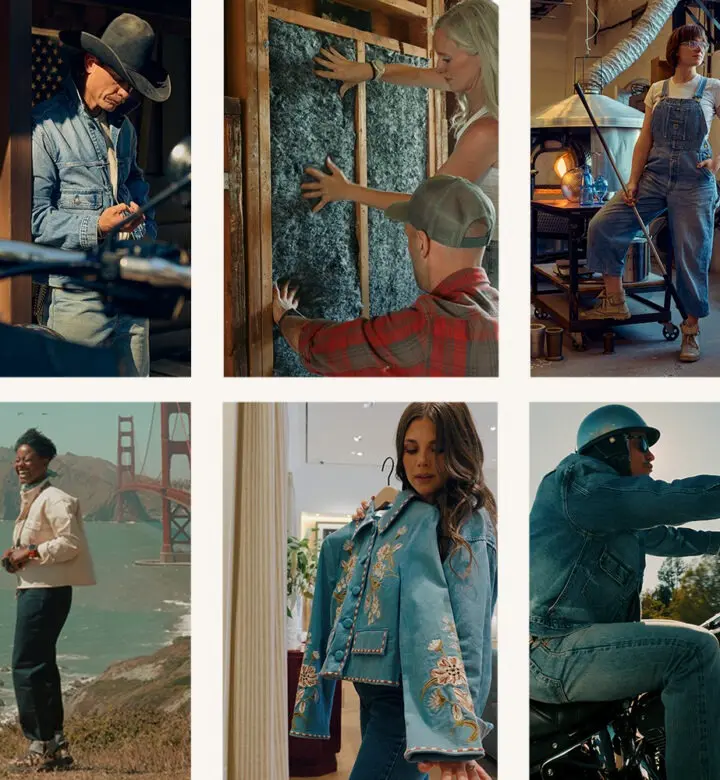
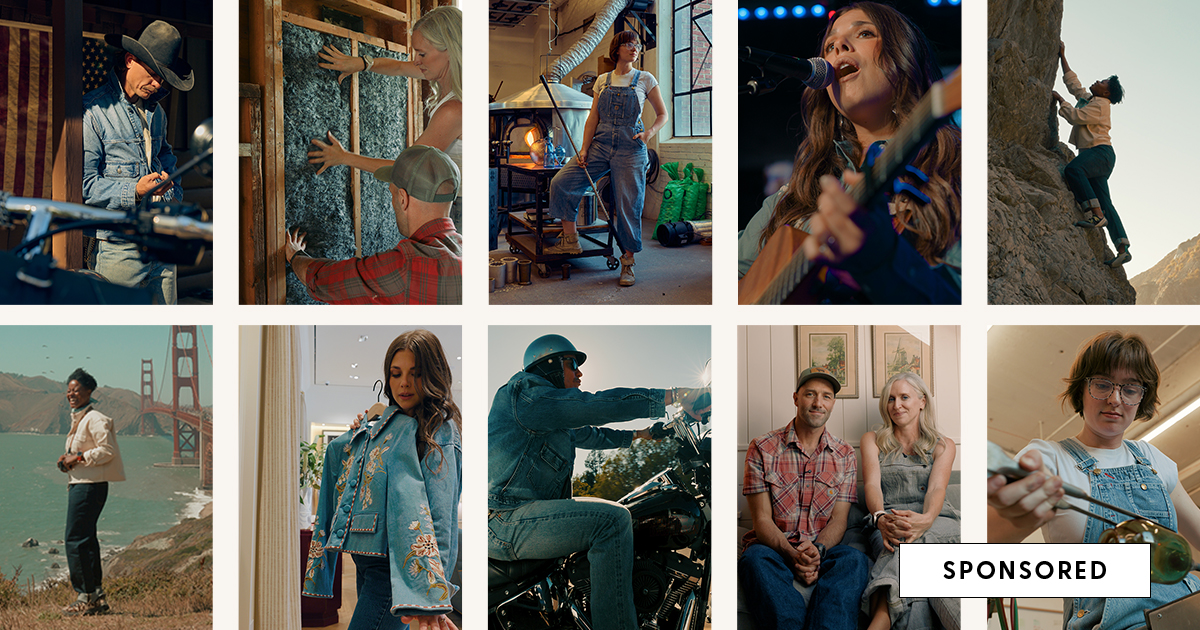
To understand the tangible impact of this initiative, one need look no further than the individuals who wear their denim hardest. Five distinct creators—spanning photography, glassblowing, architectural restoration, outdoor exploration, and music—rely heavily on the durability of cotton denim and share a commitment to ensuring their favorite pieces escape the traditional lifecycle of waste.
1. Ben Christensen
For Arizona-based photographer and creative director Ben Christensen, the rhythm of daily life unfolds with the wide-open aesthetic of a modern Western. Christensen maintains a pragmatic, uncompromising standard for the tools and apparel he uses in his craft, holding a deep appreciation for items engineered to withstand the elements.
"That’s why I’m hard on my denim," Christensen notes, pointing to the inevitable wear and tear that comes with active field work and location shoots. When a pair of jeans has finally reached the limit of its usefulness in the studio or the desert landscape, Christensen avoids the trash bin entirely. Instead, he taps into Cotton’s Blue Jeans Go Green program, utilizing drop-off options at retail partners such as Madewell to ensure his worn garments are funneled into the recycling stream.
2. Gemma Hollister
In the intense, high-heat environment of a professional glassblowing studio, material integrity is everything. Gemma Hollister, a professional glassblower and the co-founder of Antolini Glass Co. based in Philadelphia, relies on apparel that can endure demanding working conditions without compromising safety or comfort.
"I work mostly in denim because it’s made from natural cotton and can take the heat," Hollister explains. The breathable, heat-resistant nature of pure cotton makes denim an ideal workshop uniform. Yet, even the toughest workwear eventually succumbs to the rigors of heavy artisan labor. When her favorite pieces are finally retired, Hollister knows precisely how to manage their departure. By bringing her worn denim to participating retail partners like Rails, she ensures the material is diverted from landfills and given new purpose through the Blue Jeans Go Green initiative.
3. Cathy and Garrett Poshusta
Restoring historical homes requires a specialized mindset—one that looks past superficial decay to recognize hidden potential. Through their work in architectural restoration, Cathy and Garrett Poshusta have built a philosophy centered on preservation, renewal, and continuity.
"Most people walk into an old house and see everything that’s wrong with it, but we see everything it could become," Garrett reflects. "Any time there’s a way to re-use something and give it a second life, we absolutely love doing that."
That overarching ethos naturally extends to their choice of heavy-duty workwear, including well-loved pieces from brands like Carhartt. When these garments have endured their final construction site, the Poshustas turn to the Blue Jeans Go Green program to close the loop. "It’s another second life we get to be a part of," Cathy observes, connecting their professional mission of home preservation with personal environmental responsibility.
4. L. Renee Blount
For climber, explorer, and professional adventure photographer L. Renee Blount, the natural world serves as both workplace and sanctuary. "Exploring the outdoors inspires a sense of wonder for me and I love capturing those moments of joy on camera," she explains. That deep connection to wild landscapes fosters a profound sense of duty. "I feel a responsibility to take care of this world and make sure others get the chance to experience it in the ways that I have."
To meet the physical demands of climbing and exploring, Blount deliberately chooses denim constructed from at least 90 percent cotton, valuing the fabric for its rugged performance and timeless appeal. "I wear denim because it’s durable, comfortable and I know I look good," she notes. When those adventure-tested pieces finally retire from the trail, Blount brings them to MUJI, participating in the Blue Jeans Go Green program to ensure her outdoor lifestyle leaves behind a minimized environmental footprint.
5. Kylie Frey
Living out her country music dreams in Nashville, singer-songwriter Kylie Frey understands the value of authenticity, narrative depth, and enduring resonance. For Frey, the connection between her chosen genre and her wardrobe is direct and intentional.
"That’s where cotton, denim and country music go hand in hand," Frey explains, drawing a parallel between the timeless nature of acoustic storytelling and the enduring quality of a well-crafted garment. "Just like a great song, a great pair of jeans can keep making an impact long after it starts to fade."
This philosophy informs her active participation in the Blue Jeans Go Green program. When her favorite denim pieces have weathered countless writing sessions, road trips, and performances, Frey brings them to Veronica Beard. Through the program, those garments are collected, repurposed, and transformed, allowing the materials to live on in new, unexpected forms long after their days in the spotlight have ended.