





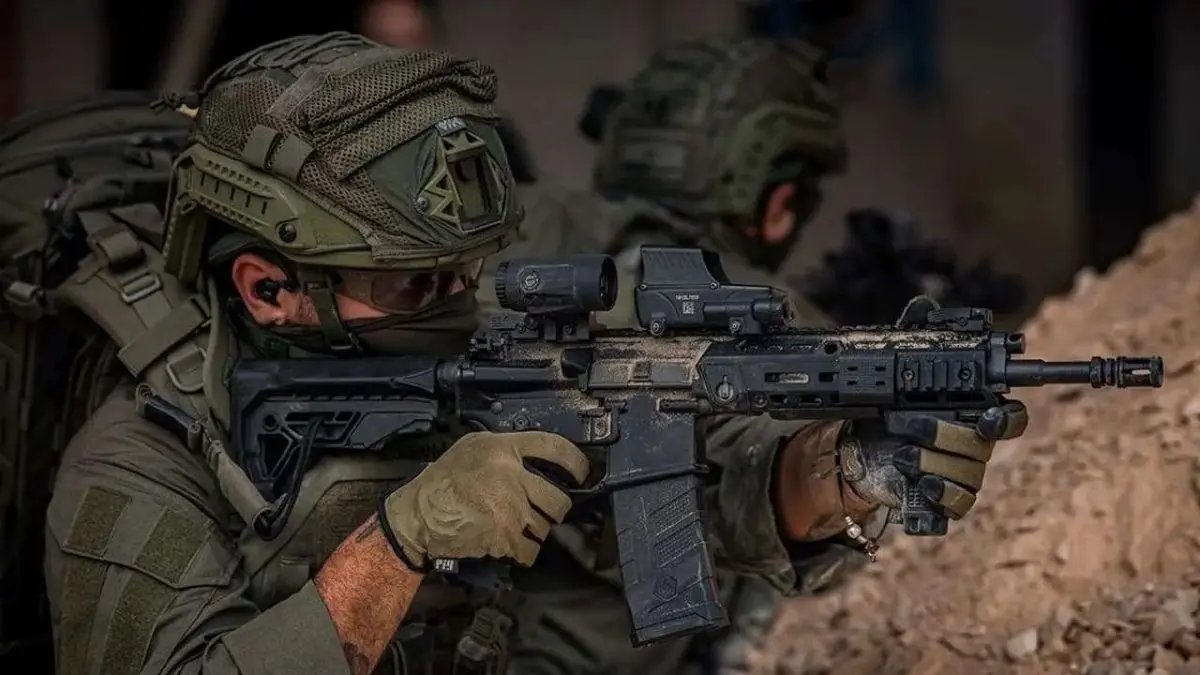
AMSTERDAM — In a move highlighting Europe’s shifting defense priorities and deepening industrial ambitions, Tilburg-based defense company AIA is acquiring technological data and design specifications from Israeli arms manufacturer IWI. Best known globally for producing the iconic Uzi machine gun, IWI serves as the primary supplier of small arms for the Israeli military and police forces. According to reports from Dutch broadcaster NOS, the multi-faceted agreement centers on the acquisition of design blueprints for two advanced weapon systems: the Arad 5 rifle and the Negev UX light machine gun, both of which have gained notable attention for their modern tactical capabilities, including their specialized design applications for countering unmanned aerial vehicles.
The deal underscores a broader strategic pivot within the European defense sector, driven by escalating geopolitical tensions and a growing consensus that the continent must significantly enhance its domestic manufacturing capabilities. Addressing the controversial nature of sourcing military technology from Israel amid ongoing international scrutiny, AIA director Gerard Zondervan told NOS that "Europe is calling" and that the bloc urgently needs to produce its own weapons. When pressed on the matter, Zondervan declined to discuss politically contentious issues surrounding Israel, including the war in Gaza, choosing instead to frame the agreement through the lens of European industrial necessity and regional security demands.
The agreement arrives at a politically sensitive time in the Netherlands, where the domestic defense industry’s ties to Israel have faced intense parliamentary debate and legal challenges. In January, members of the Dutch House of Representatives adopted a formal motion calling on the government to actively reduce the nation’s reliance on Israeli weaponry, with lawmakers citing grave concerns regarding potential violations of international law and war crimes. Proponents of the motion pointed to figures indicating that the Netherlands has procured approximately two billion euros worth of military equipment from Israeli defense firms over recent years.
This political friction has already manifested in tangible policy restrictions. The Dutch state has maintained a strict blockade on the export of F-35 fighter jet parts to Israel, a measure first implemented following an appeals court ruling in February 2024. Even after the Supreme Court subsequently overturned that specific appeals court ruling in October 2025, the government kept the export ban firmly in place, reflecting the deep political sensitivity surrounding military trade with Israel in the current climate.
Despite these high-profile national debates and restrictions on direct military exports, Zondervan confirmed that AIA has had no formal contact or consultation with the Dutch government regarding the newly announced IWI deal. Because the arrangement involves the transfer of design data and technological blueprints rather than the direct export or import of finished military hardware or restricted aerospace components, the production pathway follows a different regulatory trajectory. According to AIA’s rollout plans, manufacturing of the Israeli-designed systems will initially commence at facilities in Tilburg before transitioning to a significantly expanded production site located in the province of Overijssel.
The announcement of the private defense venture closely follows a major strategic initiative by the Dutch Ministry of Defense, which officially launched the National Institute for Defence Technology (NIDT) to streamline and accelerate innovation within the domestic arms industry. Designed to bridge the gap between technological research and military deployment, the newly established NIDT is slated to receive substantial state funding, amounting to 350 million euros annually starting in 2028. This long-term financial injection is part of a wider national effort to fortify the country’s defense infrastructure, particularly across the North Sea region, in response to escalating security concerns and a deteriorating geopolitical relationship with Russia.