






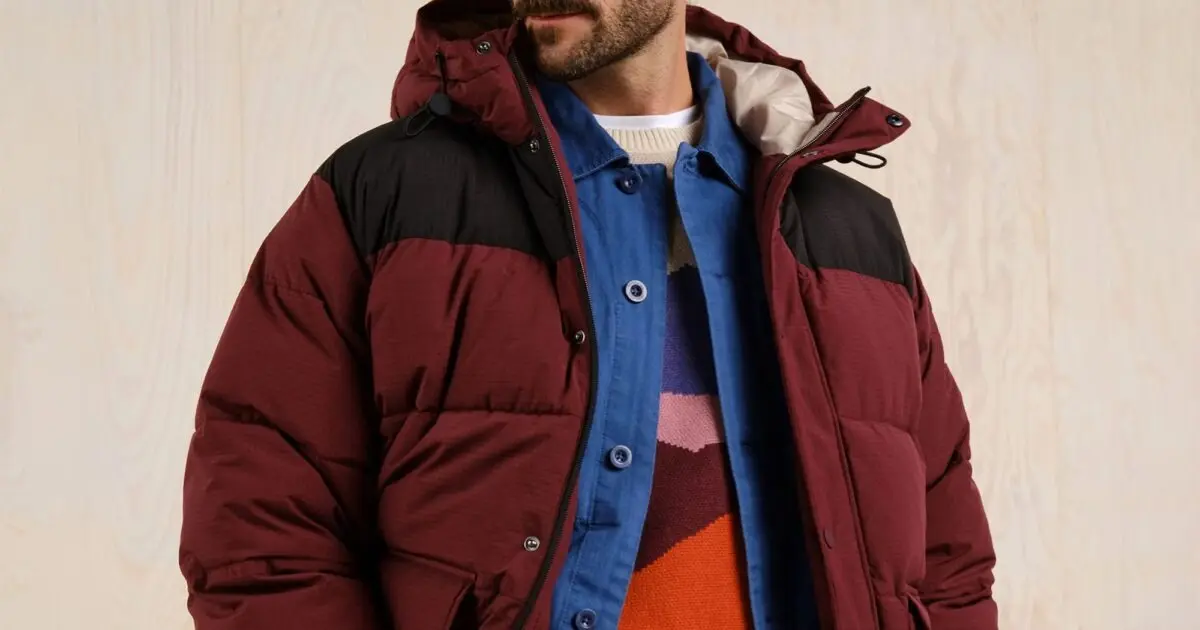
As the colder months approach, the classic puffer jacket remains a winter staple for many individuals navigating chilly weather, whether they are engaging in active outdoor pursuits or simply looking for reliable everyday aesthetic warmth. However, conventional puffer jackets produced by fast fashion brands often carry a significant environmental and ethical toll. They are frequently manufactured using fossil fuel-based polyvinyl chloride (PVC) and filled either with virgin polyester or cruelly acquired duck down feathers. In response to these concerns, the fashion industry has begun to see a shift toward more responsible alternatives. A more sustainable puffer jacket is typically constructed using recycled materials and insulated with lower-impact alternatives to traditional duck down feathers, such as cotton or other innovative plant-based options.
Understanding the particulars of responsible outerwear requires looking closely at what goes into these garments. Sustainable puffer jackets can utilize a diverse mix of materials, including recycled and recyclable polyethylene terephthalate (PET) plastic, organic cotton, and various plant-based fillings. These choices aim to mitigate the ecological harm traditionally associated with winter wear.
When evaluating these materials, recycled PET plastic emerges as a common solution, though it is not a perfect one. While it does not solve the entire lifecycle problem of synthetic textiles, it successfully diverts waste away from overcrowded landfills and keeps non-biodegradable materials in active circulation for longer periods. Furthermore, while recycled synthetics are vastly preferable to virgin polyester, consumers are encouraged to remain selective when investing in them. Synthetic materials, even when recycled, still deposit microplastics into water systems when washed.
Because outerwear is typically laundered much less frequently than everyday garments such as a dress or a T-shirt, opting for recycled synthetics in a puffer jacket can often be considered an agreeable compromise. Ultimately, the decision to invest in recycled synthetics or to avoid them entirely comes down to personal values. Consumers act as the final decision-makers when choosing the materials that enter their wardrobes, balancing personal priorities with available information. For those who do choose to purchase a recycled polyester or PET garment, additional steps can be taken to minimize environmental impact. Checking whether a brand offers a dedicated repair and recycling program for after-use disposal is one effective measure. Additionally, washing garments less often and utilizing a specialized garment bag or guppy bag during laundry cycles can help mitigate the inevitable release of microplastics into the environment.
Beyond materials, a growing number of ethical brands are rethinking the production of puffer jackets and winter coats entirely, offering consumers alternatives that align with sustainability and animal welfare. Among these is the Swiss brand NIKIN, which appeals directly to consumers who prefer to wear their values visibly. NIKIN plants a tree for every product purchased, allowing buyers to proudly support reforestation efforts. The brand’s apparel and outerwear products are made accessible across a wide range of sizes, spanning from XS to 2XL.
Another notable mention in the realm of custom and inclusive sizing is SeamsFriendly, a brand that produces customizable clothing designed to accommodate women, men, and children of all body types, sizes, and heights. SeamsFriendly offers extensive custom sizing options for womenswear, covering a bust size range from 26 inches to 70 inches and a waist size range from 19 inches to 63 inches, with options tailored for petite, regular, and tall heights. For menswear, the brand provides chest sizes starting from 34 inches up to 76 inches and above with free custom sizing. A dedicated kids range is also available, accommodating bust measurements from 18 to 28 inches and waist measurements from 19 to 26 inches, ensuring that a broad demographic can find the precise fit they require.
Canadian brand tentree approaches sustainability through large-scale ecosystem regeneration, planting ten trees for every item purchased to help restore environments and provide meaningful planting jobs in communities around the world. Having already planted over 65 million trees, tentree constructs its entire product line with an Earth-first approach. This ensures that garments are manufactured in fair and safe working conditions using lower-impact and recycled materials, with clothing typically available in sizes ranging from XS to XL.
Similarly, BEDI focuses on crafting high-quality, minimalist winter coats and bags by repurposing unconventional materials, such as salvaged seatbelts and recycled nylon. The brand offers its minimalist winter range in sizes ranging from XS to XL, demonstrating how durability and industrial waste diversion can be integrated into high-end cold-weather gear.
Wuxly Movement, another prominent Canadian outerwear brand, combines technical performance fabrics with recycled materials to achieve elite cold-weather performance. Drawing upon Canada’s rich heritage in quality apparel manufacturing, the founder recognized an opportunity to innovate by adopting more responsible material standards while consciously leaving animals completely out of the equation. The Wuxly Movement outerwear range is widely available in sizes spanning from 2X to 3X, catering to an extensive audience of performance-focused consumers.