






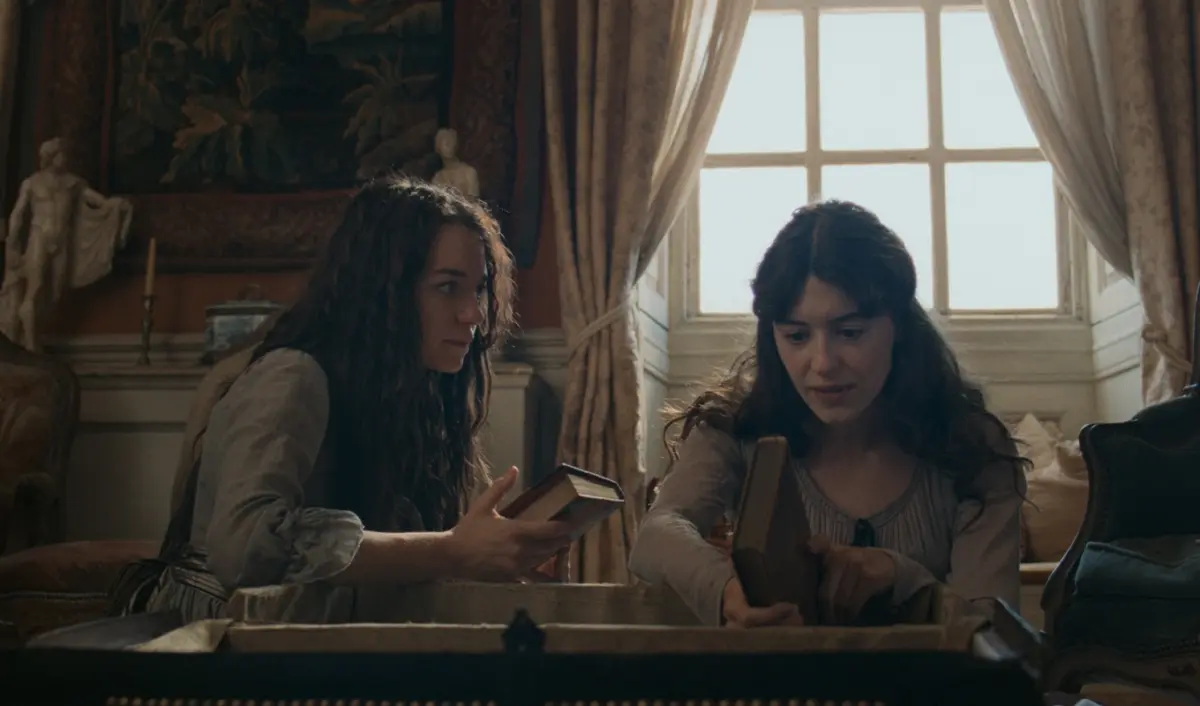
The cinematic landscape of Jane Austen adaptations is expanding once again, bringing a fresh wave of period-drama enthusiasm to audiences. Among the titles announced last year are a new take on Pride and Prejudice headed to Netflix—a project that naturally invites skepticism given the absolute perfection of Joe Wright’s 2005 film starring Keira Knightley—and a brand-new feature film adaptation of Sense and Sensibility, Austen’s very first published novel from 1811, which arrives in theaters on October 16.
While revisiting Pride and Prejudice raises questions about the necessity of a remake so soon after the 2005 masterpiece, the path for Sense and Sensibility feels entirely open. The last major movie adaptation of the novel arrived back in 1995, famously directed by Ang Lee and starring an ensemble cast that included Emma Thompson, Kate Winslet, Hugh Grant, and Alan Rickman. Because more than three decades have passed since that iconic cinematic rendering, there is a distinct generational appetite to see how contemporary filmmakers and a new cast would carry the torch. Led by Daisy Edgar-Jones, this upcoming rendition delivers something so intensely passionate it borders on violence, while brilliantly reminding viewers of the true singularity of Austen’s work: rather than placing traditional romance at the center of the plot, the story functions as a profound and enduring ode to sisterhood.
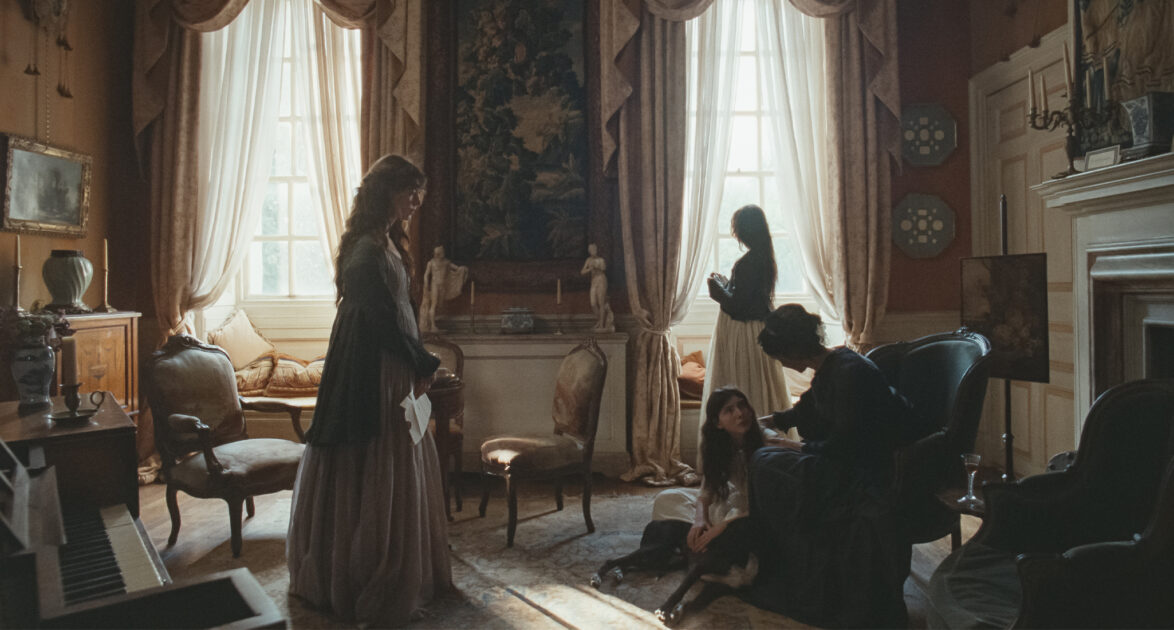
For those unfamiliar with the timeless plot, Sense and Sensibility follows the fortunes—and misfortunes—of Elinor and Marianne Dashwood. Following the sudden death of their father, the sisters, alongside their mother and younger sister, are forced out of their ancestral home and consigned to a life of genteel poverty. As they navigate their diminished social standing and the complexities of early 19th-century English society, both young women find themselves entangled in romantic pursuits that quickly run aground.
Elinor develops deep, steadfast feelings for Edward Ferrars, her step-brother-in-law, whose warmth and intellect immediately captivate her. Meanwhile, the younger, more tempestuous Marianne is swept off her feet—literally—by the charming, dashing, and somewhat rakish John Willoughby. Yet, both young women are systematically kept apart from the objects of their affection by external societal forces and the machinations of others. Elinor faces the quiet agony of waiting while Edward’s ambitious mother expects her son to make a financially advantageous marriage to a woman of higher standing. Marianne, on the other hand, is abruptly abandoned when Willoughby’s wealthy aunt calls him away on mysterious business, shattering her romantic illusions. Bereft, isolated, and with their marriage prospects looking increasingly bleak and hopeless in a society that judges women by their economic utility, the sisters are left with only each other to cling to.

Fittingly, Jane Austen’s original working title for the novel was Elinor and Marianne. The true focus of the narrative—and what this new cinematic adaptation captures with remarkable clarity—is not the romantic storylines involving Edward and Willoughby, but the fierce, steadfast, and deeply intimate relationship between the two sisters.
In this new version, some of the film’s most emotionally charged and passionate scenes transpire entirely between Elinor and Marianne. The girls shed tears, argue fiercely, and raise their voices with an intensity that renders their respective romantic pursuits feel almost like trifling footnotes. In the grand hierarchy of the narrative, Edward and Willoughby ultimately function as secondary and tertiary storylines, relegated to positions C and B. Remarkably, it is only over the suffering of Marianne that Elinor—a character who is otherwise so famously laconic, composed, and emotionally restrained—truly weeps, pushing aside her own profound personal struggles to tend to her sister.
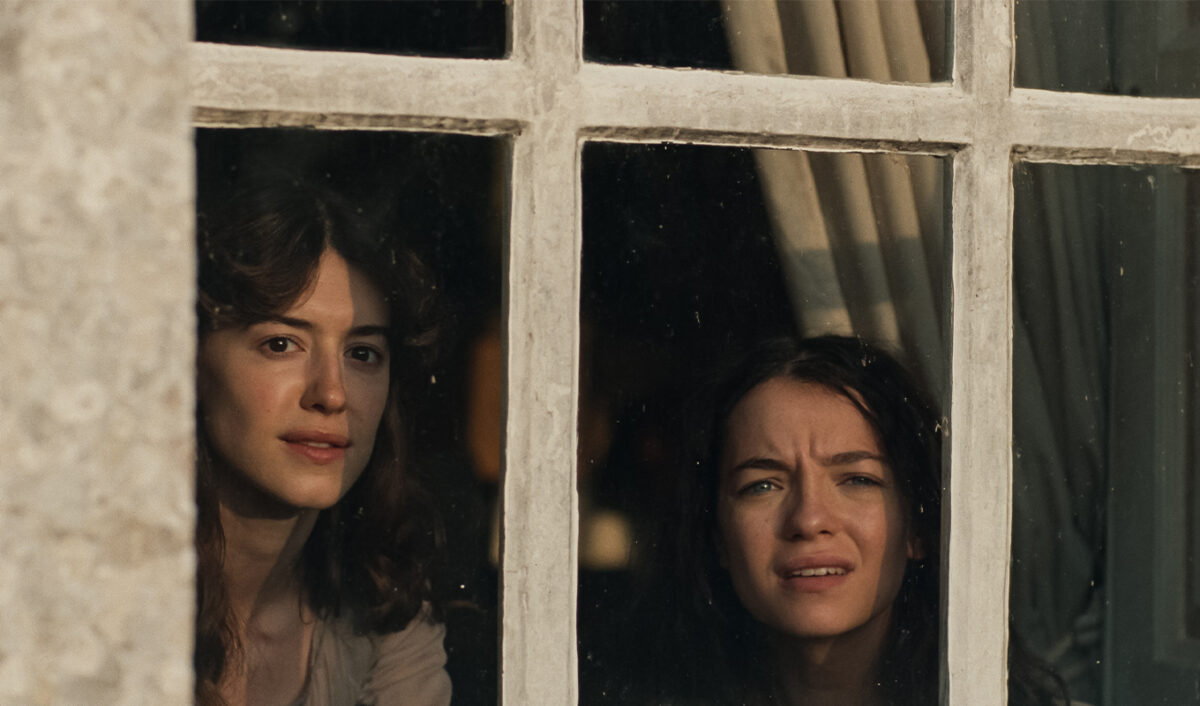
As the male characters prove to be fickle, weak, or bound by convention—a recurring theme across virtually all of Jane Austen’s literary works—Elinor and Marianne find their ultimate sanctuary in one another. Their relationship is far from idealized or simplistic; neither sister is perfect. They occasionally keep painful secrets from each other, trade stinging and hurtful remarks, and misunderstand one another’s intentions. Yet, they are invariably drawn back together in times of deep tribulation, no matter how far apart circumstances or their own stubborn pride have pushed them.
The success of this dynamic relies heavily on its leading performers. Daisy Edgar-Jones steps into the role of the sensible, grounded Elinor, while Ésme Creed-Miles brings the impulsive, fiercely emotional Marianne to life. Both actors execute their respective roles with remarkable precision. Creed-Miles’s interpretation of Marianne’s volatile, tempestuous nature is particularly well-rendered, capturing the dangerous edge of youthful romantic idealism that threatens to consume her.
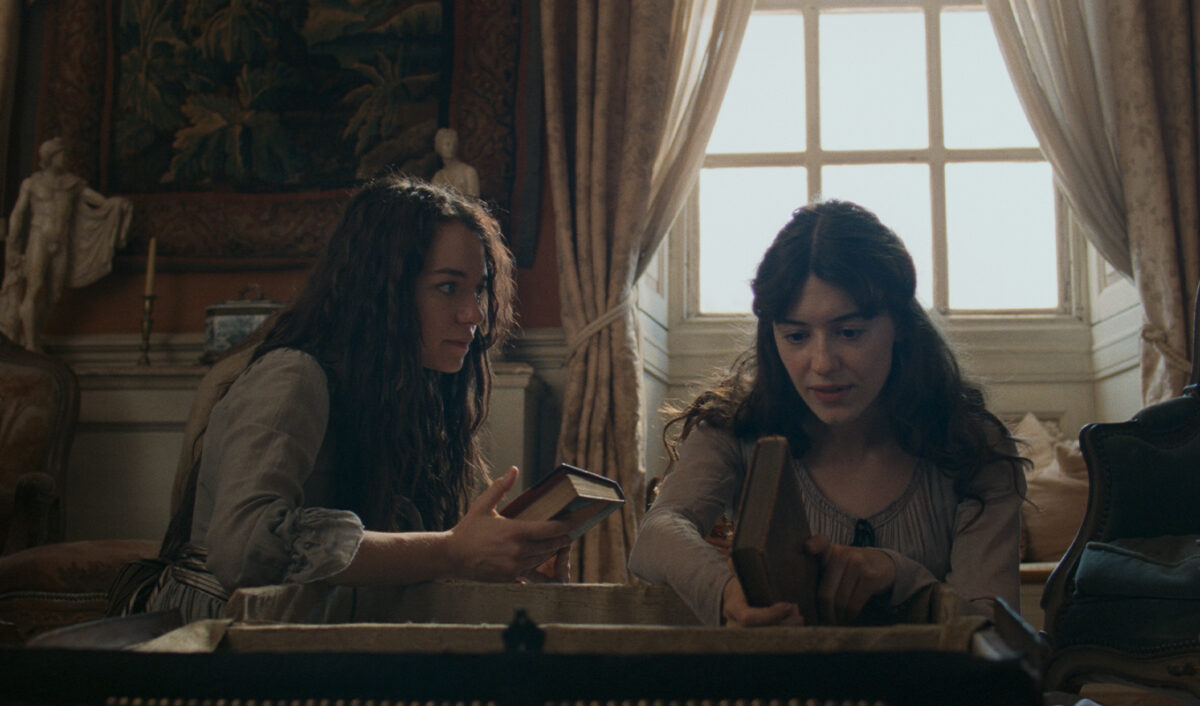
Overall, the film takes calculated artistic liberties while maintaining a strong, resonant adaptation tailored for today’s younger audiences. At the same time, it pays clear visual and thematic homage to both the 1995 masterpiece and the beloved 2005 Pride and Prejudice. For many contemporary viewers, the 2005 film served as an accidental introduction to the wider literary world of Jane Austen. Watching this new iteration of Sense and Sensibility evokes a very similar kind of joy—rekindling the classic curiosity about complex characters navigating rigid social structures, while sweeping the audience up in the atmosphere of the era. Above all, the greatest hope for this cinematic release is that experiencing the emotional power of the film on the big screen will inspire a new generation of readers to dive directly into Austen’s foundational novel.