






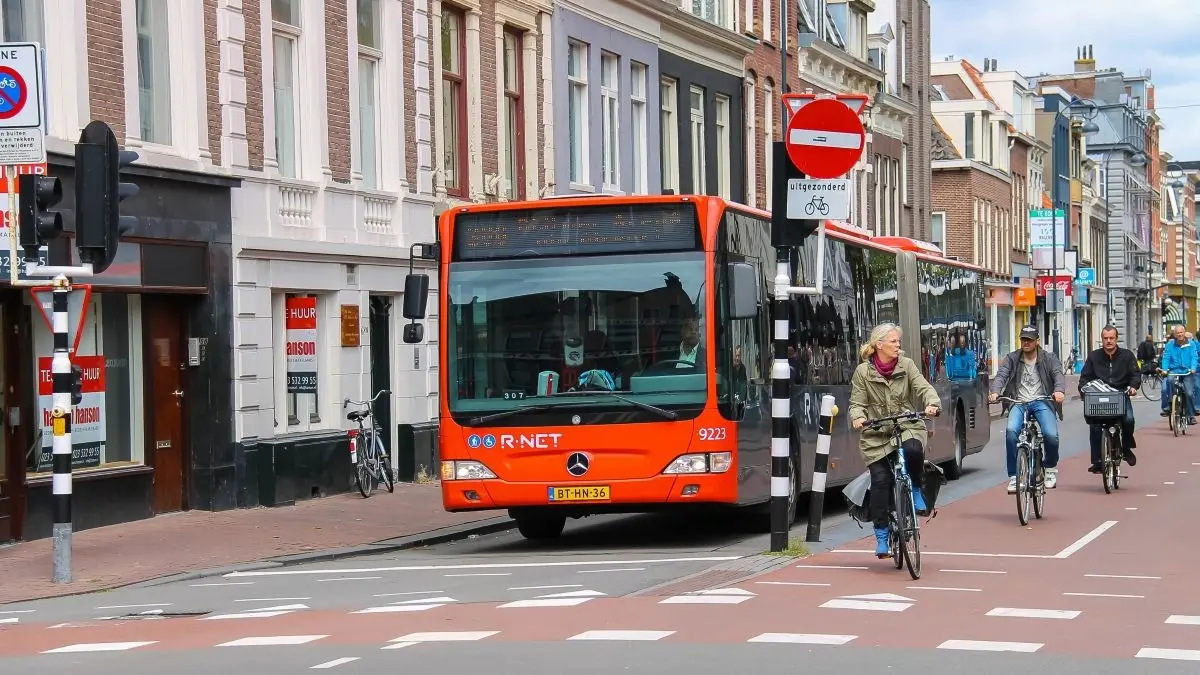
October 22, 2026 — Commuters across the Netherlands received a welcome reprieve this week as major labor unions FNV and CNV announced the immediate suspension of their scheduled weekly strikes in regional public transport. The decision comes after employers presented a series of fresh commitments regarding an ongoing dispute over the collective labor agreement, according to reports from broadcaster NOS on Wednesday.
The temporary halt to the industrial action meant that a widely anticipated strike planned for Thursday did not go ahead, averting further disruption for travelers who rely on regional buses and trains. The unions confirmed the suspension in an official press release, signaling a potential turning point in negotiations that had previously broken down and left thousands of passengers stranded.
The labor dispute centers on a series of demands from transport workers, spearheaded by unions FNV and CNV, who are calling for a 9.5 percent pay rise spread over a two-year period. In addition to the wage increases, the unions are pushing for enhanced working conditions and structural protections for older staff members, arguing that the physical and mental demands of regional transport operations require better support systems for aging employees.
The tensions culminated in early October when union representatives formally announced plans for weekly walkouts following the collapse of formal talks between labor leaders and transport operators. The industrial action materialized last week as staff members employed by major regional operators—including Arriva, Keolis, and Qbuzz—walked off the job for the first time. The resulting walkouts led to widespread cancellations, affecting numerous bus routes and regional train networks throughout the country.
For many commuters, last week’s strikes underscored the vital role that regional public transport plays in connecting smaller towns and rural areas with major urban centers. The sudden curtailment of services forced many travelers to seek alternative arrangements, work from home, or contend with severe delays on remaining transit options. Transport companies and passenger organizations alike expressed concern over the reliability of the network as the labor standoff deepened throughout the month.
By suspending the strikes for a period of two weeks, both the labor unions and the employers have opened a crucial window for renewed dialogue. The new commitments made by transport management have given union leadership enough confidence to pause the weekly walkouts, allowing breathing room for negotiators to examine the updated proposals in detail. While the strikes are currently only suspended rather than permanently called off, the development offers a glimmer of hope that a lasting agreement can be reached without the need for further disruption to public services.
As the two-week suspension gets underway, all eyes will be on the negotiating table to see whether the fresh commitments from employers can bridge the gap between management proposals and the unions’ demands for better pay and conditions. Until a final collective labor agreement is formally struck and ratified by union members, the threat of renewed industrial action remains in the background, keeping operators, workers, and passengers alike keenly focused on the upcoming talks.