





The obsession with achieving clear, flawless skin often starts early, fueled by the universal desire to banish blemishes and insecurity. For many individuals battling persistent hormonal acne during their formative years, the search for a miracle cure becomes a consuming quest. From desperate kitchen remedies to scouring pharmacy beauty aisles for the next big thing, the emotional toll of problem skin can linger well into adulthood. This enduring vulnerability to breakouts makes social media platforms like TikTok a powerful driver for the latest beauty crazes, constantly feeding users a steady stream of quick fixes, foreign treatments, and viral DIY hacks.
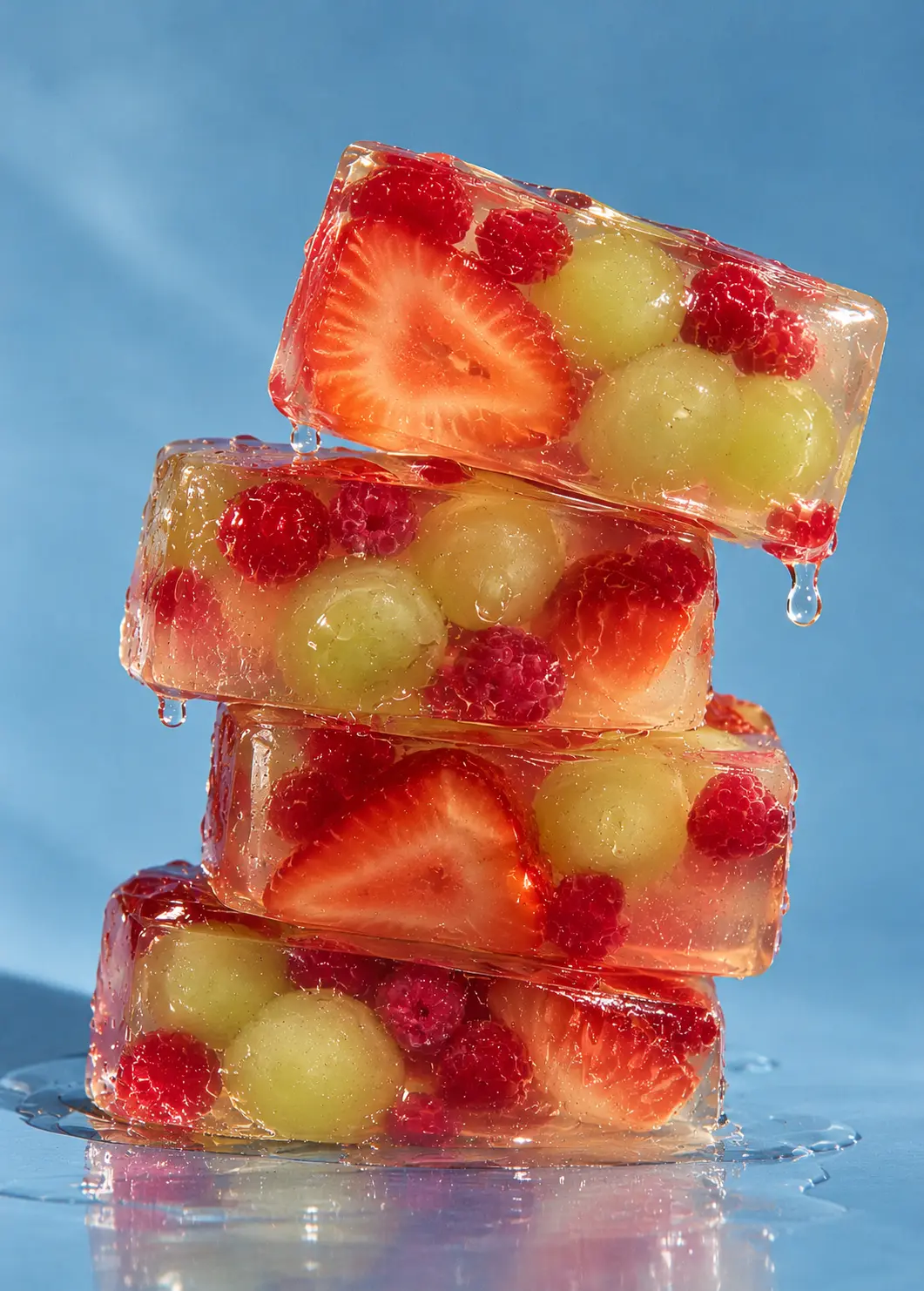
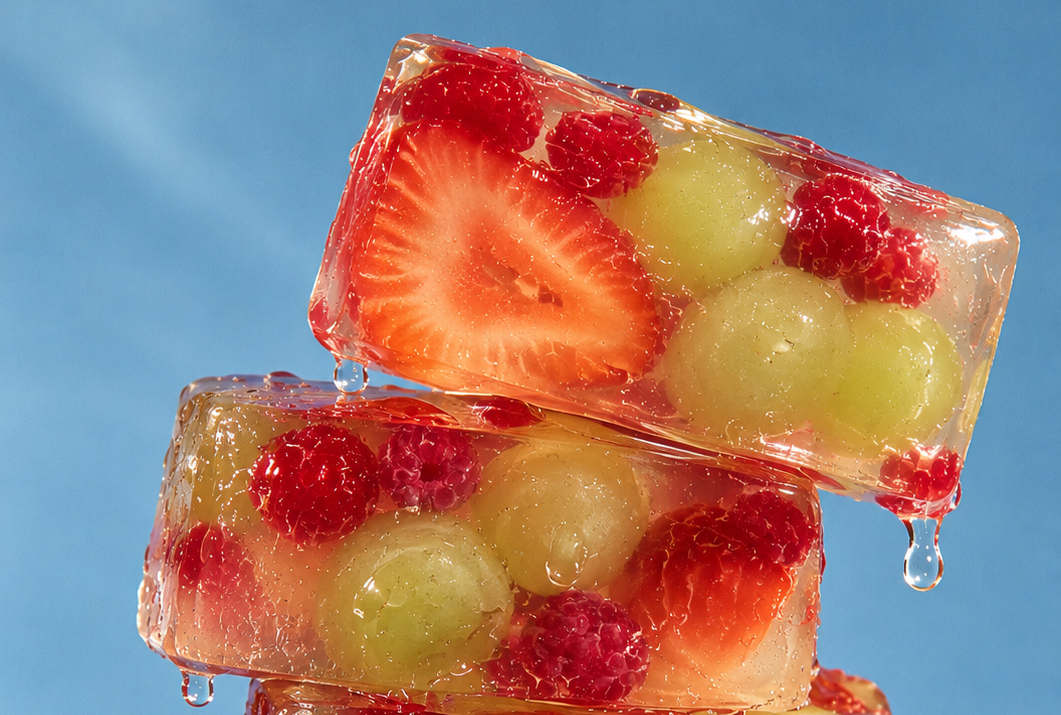
Lately, the algorithm on wellness and beauty TikTok has shifted from topical serums and invasive procedures toward a new directive: eating your skincare. Specifically, creators across the platform have popularized oversized homemade collagen and beef gelatin bars—often dubbed "nature’s Botox"—as the ultimate secret to a glowing complexion. These glossy, jiggly snacks are typically crafted from a simple blend of beef gelatin powder, cold water, flavored liquid such as fruit juice, and fresh pieces of fruit like grapes, kiwis, and pomegranate seeds, sometimes enhanced with natural sweeteners or spices.
Unlike the gelatin sticks previously promoted by celebrities for weight loss or general dietary supplementation, these homemade variations are marketed directly as targeted skincare interventions. Creators claim that consuming these nutrient-dense bars provides a direct route to tighter, more radiant skin by supplying the building blocks necessary for anti-aging and collagen production. The aesthetic appeal of these colorful, fruit-infused treats has driven widespread curiosity, prompting many beauty
enthusiasts to contemplate whether a trip to the grocery store for gelatin powder and fruit tins might finally yield the fountain of youth.
To cut through the viral hype, dermatologists have begun weighing in on whether these homemade beef gelatin bars genuinely make a difference or if they are simply another fleeting social media illusion.
What Is The "Eating Your Skincare" Trend?
The "eating your skincare" movement gained significant traction following the summer months, rapidly populating feeds with step-by-step assembly videos. Creators demonstrate the process of dissolving beef gelatin powder in liquids, mixing in fresh fruit and chia seeds, and allowing the concoction to set into large, sliceable bars. Alongside aesthetic preparation videos, influencers praise the snack as a natural alternative to cosmetic procedures, attributing improved skin tightness and radiance entirely to the dietary addition.
While gelatin and collagen supplements are staples in the broader wellness industry, the current TikTok iteration frames the practice not just as health maintenance, but as a direct substitute for topical skincare and clinical treatments. The core premise relies on the idea that ingesting specific structural proteins can actively improve the skin’s external appearance from the inside out.
How Does Food Impact Your Skin?
The connection between diet and cutaneous health is a complex and often frustrating puzzle for many individuals. Navigating the specific triggers that cause skin inflammation, rosacea flare-ups, or sudden cystic breakouts requires years of careful observation. For many, certain dietary staples or beverages can reliably predict a compromised complexion, while nutrient-dense whole foods and targeted supplements can visibly enhance skin luminosity and overall barrier health.
This observed correlation between nutrition and dermatology is grounded in medical reality. Experts emphasize that beautiful skin starts long before anyone opens a medicine cabinet or applies a topical cream. Nutrition is considered a fundamental pillar of skin health, though historical approaches to dermatology have frequently underestimated the profound impact that dietary intake has on how the skin functions, ages, and appears over time.
Prioritizing a healthy, well-balanced diet remains a primary recommendation for anyone seeking tangible improvements in their skin condition. Whole foods rich in essential vitamins, minerals, and healthy fats support both general bodily function and the specific physiological processes that maintain skin vitality.
But Should You Make Beef Gelatin Bars?
The temptation to dive headfirst into viral wellness trends is strong, particularly when the promised reward is effortless, radiant skin. However, medical professionals advise tempering expectations before investing time and money into specialized ingredients like beef gelatin, chia seeds, and artisanal fruit infusions.
Dermatologists generally agree that while there is no inherent harm in enjoying these aesthetic snacks, they should not be viewed as a miraculous anti-aging intervention or a standalone cure for skin concerns. Instead, consuming gelatin and collagen bars can be understood as an alternative, enjoyable method for introducing helpful amino acids into one’s daily routine.
Ingesting collagen and gelatin provides the body with an influx of specific amino acids that serve as foundational building blocks for natural collagen synthesis. An adequate supply of these amino acids supports the body’s internal production processes, which in turn help maintain skin hydration levels, firmness, and a plump, youthful appearance. Therefore, while these homemade bars can serve as a supportive dietary addition, they should be viewed as part of a broader wellness routine rather than a definitive solution to complex skin issues.
So, What Are The Best Foods For Your Skin?
When looking to optimize skin health through diet, professionals consistently point toward whole, nutrient-dense foods sourced naturally rather than processed dietary novelties. Incorporating specific food groups can provide targeted benefits for cellular function and inflammatory regulation.
Foods rich in omega-3 fatty acids, such as sardines and salmon, play a critical role in supporting normal cell membrane function and helping to regulate inflammatory responses within the body. Walnuts and flaxseeds offer similar nutritional profiles, providing essential fatty acids that contribute to skin barrier protection and the reduction of systemic inflammation.
Additionally, whole foods like eggs are frequently recommended for their high concentrations of vitamins A and E, which encourage healthy cellular turnover and support internal collagen production. For those with a preference for sweets, dark chocolate contains valuable antioxidant properties that assist in neutralizing free radicals, thereby protecting skin cells from oxidative stress and environmental damage.
Ultimately, while viral trends like beef gelatin bars offer an engaging and aesthetic way to experiment with dietary collagen, they represent only one small piece of a much larger nutritional puzzle. Maintaining long-term skin health requires a consistent, balanced approach centered on whole foods, proper hydration, and an understanding of individual dietary triggers, proving that true skincare truly begins from within.