


The art car has historically lived a sheltered existence. Typically commissioned for a specific project, photographed under pristine studio lights, and exhibited precisely once, these high-concept vehicles usually find their final resting place behind velvet ropes inside private collections, transformed into static sculptures that never see an open highway or urban traffic jam. Larry Warsh, a prominent cultural entrepreneur and collector, has spent years curating exactly those kinds of rare objects. However, his newest venture breaks entirely with tradition by sending six extraordinary art cars back out into the bustling streets of London, transforming everyday urban transit into a dynamic, mobile exhibition.
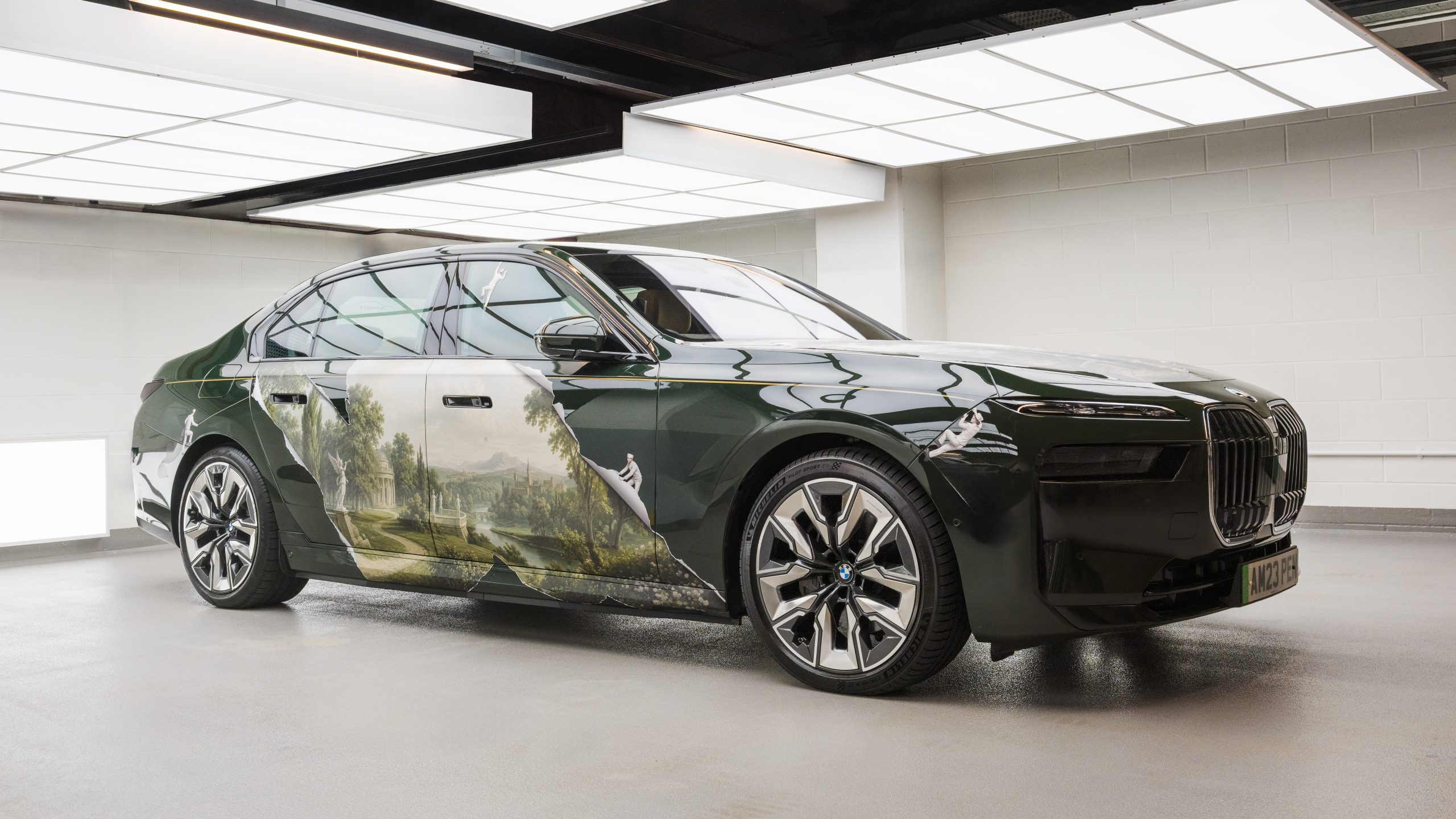
Titled "A World Within," the ambitious project is on view across London throughout the month of October, strategically timed to coincide with the prestigious Frieze art fair. The exhibition places a single, continuous original body of work by the acclaimed Brooklyn-based artist KOZO across six of The Peninsula London’s signature guest vehicles. The impressive fleet comprises two Rolls-Royce Phantoms, a Bentley Bentayga, a BMW i7, an electrified Austin taxi, and an LEVC vehicle. Together, these automobiles constitute The Peninsula’s very first dedicated art fleet, functioning as individual chapters of one cohesive composition. Rather than remaining locked away behind museum barriers, every single car in the fleet stays fully in active service throughout the month. Guests of the hotel can book the vehicles for their daily travels, meaning that the gallery itself moves organically through the streets of London while the public rides safely and comfortably inside the artwork.
Behind this innovative fusion of luxury hospitality and contemporary art is the CART Department, an organization founded by Warsh with the core premise that a high-end automobile can function as much more than a mere tool for transportation. Explaining the conceptual driving force behind his platform, Warsh notes that he established the CART Department to champion the intersection of cars, art, and pop culture, viewing modern vehicles as objects that have evolved far beyond utilitarian purposes into sculptural and conceptual art pieces. The ever-expanding collection managed by Warsh now spans more than 70 one-of-a-kind art cars created by a roster of legendary twentieth- and twenty-first-century creators, including Keith Haring, Barbara Kruger, Jenny Holzer, Lawrence Weiner, Rashid Johnson, and Olafur Eliasson. With the addition of KOZO—a celebrated tattoo innovator whose meticulous micro-realism has fundamentally reshaped both the contemporary fine-art space and the international tattoo world—the collection welcomes a fresh, contemporary artistic lineage.
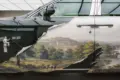
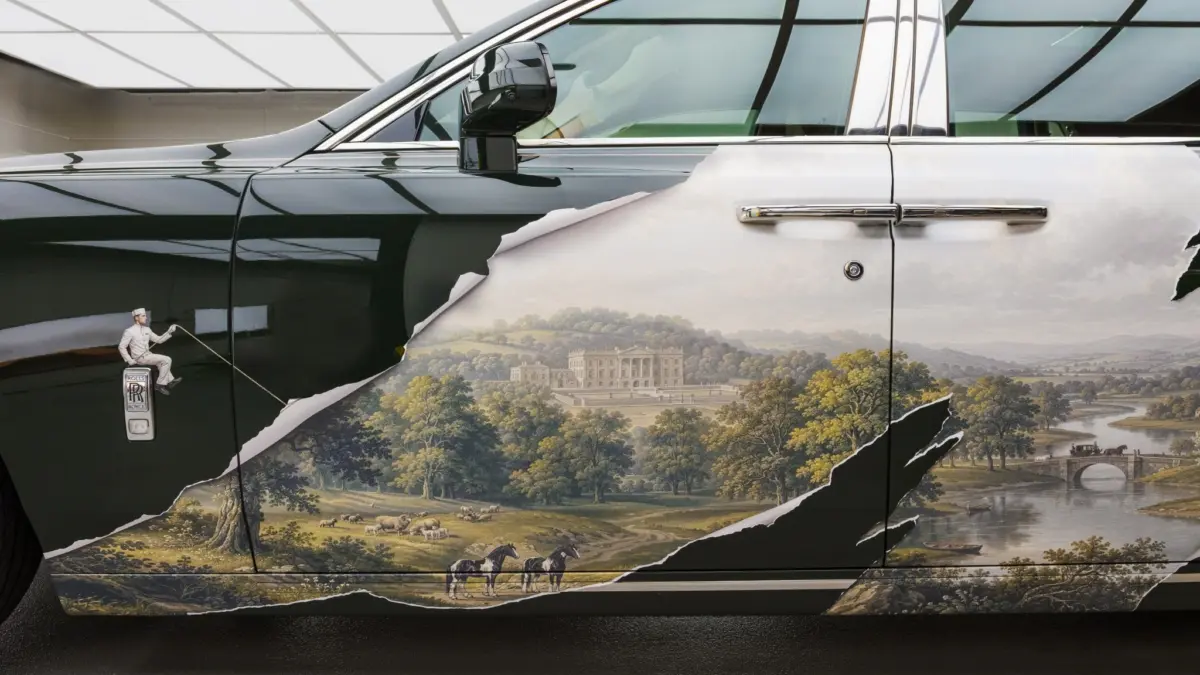
The visual narrative crafted by KOZO across the six vehicles is striking and conceptually layered. The designs are rendered to read as if a sheet of thick paper is being physically torn away, with the stylized monochrome Peninsula Pages peeling back the surface skin of each automobile to reveal an idyllic, vibrant British pastoral landscape underneath. Lush parklands, grazing animals, and stately historic homes emerge in rich shades of green and ochre that subtly echo Peninsula Green, all intricately threaded with the hotel’s iconic Guardian Lions and recognizable London landmarks such as the Wellington Arch. This three-dimensional, colorful landscape sits in direct visual contrast against the flatter, monochrome figures of the Peninsula Pages. Because these figures are rendered in a clean, graphic style reminiscent of traditional tattoo flash art, the historical and mythological elements being uncovered remain visually distinct from the present-day figures who are supposedly discovering them.
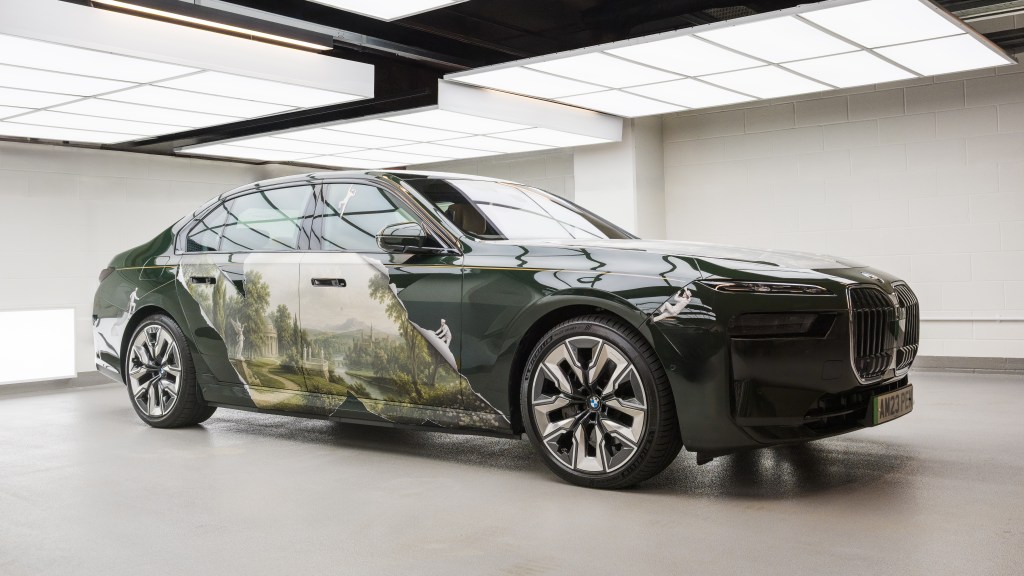
Reflecting on the complex conceptual goals of the project, KOZO explains that the collection brings past and present into direct conversation with one another. He highlights how the design creates unexpected visual juxtapositions that allow history and myth to feel alive again, ultimately inviting the viewer to become an active part of the story quite literally by journeying within the rolling art fleet. Through this clever trompe l’oeil effect, the heritage and history of The Peninsula surface directly through the exterior skin of automobiles that continue to perform their everyday functions in modern traffic.
Achieving this seamless integration required a meticulous and demanding technical process. The surface of each luxury vehicle set the precise terms for the artistic intervention. Over the course of three months, KOZO conceptualized and meticulously developed the artwork, starting from detailed digital sketches laid directly over precise photographs of each specific car model. Once finalized, the complex artwork was fabricated into high-performance vinyl wraps by the expert automotive detailing specialists at Topaz, ensuring that the complex imagery would adhere flawlessly to the complex curves of the luxury vehicles.
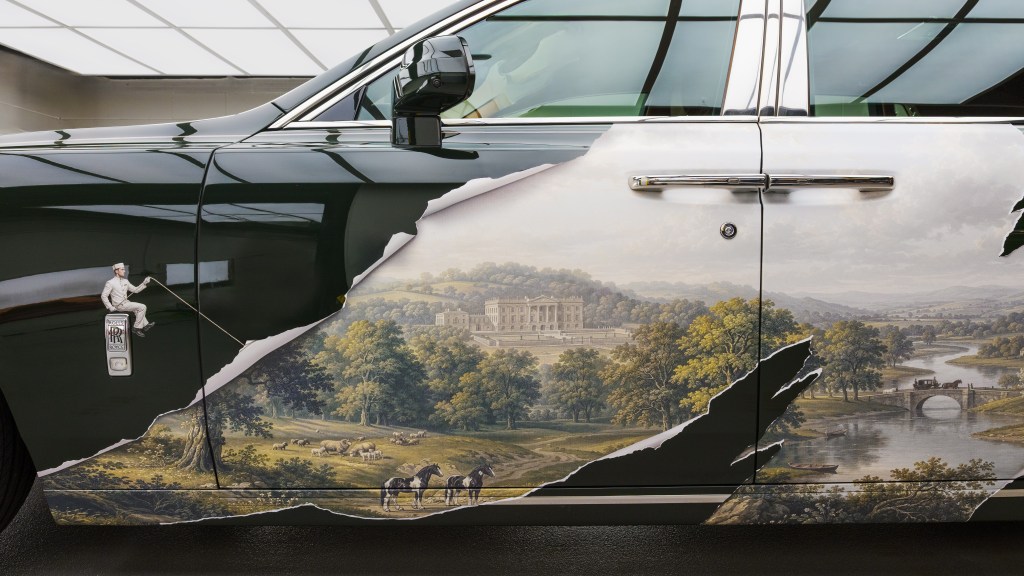
Translating his distinctive artistic style onto an automotive canvas presented entirely new creative hurdles for the artist. As KOZO points out, a modern automobile is far from a blank white canvas, and this project forced him to adapt his established language as a painter and tattoo artist onto a moving vessel. The distinct proportions, contours, and physical hardware of each individual model heavily dictated the drawing process at every turn. Working with the existing factory color, the body curves, the sweeping shapes of the hood, trunk, and doors, and even minor functional hardware like side reflectors required careful calculation. According to the artist, every one of those elements had to be fully accounted for and ideally worked directly into the composition rather than fought against, ensuring that the finished visual narrative would remain instantly legible even when the vehicle was constantly in motion.
Warsh notes that this creative partnership is a natural extension of the deep-seated relationship that The Peninsula brand has shared with the automobile for nearly a century. This heritage dates back to a historic, record-setting order of Rolls-Royce Phantoms commissioned in Hong Kong decades ago. Warsh observes that The Peninsula London felt like the absolute natural partner for this project because of their core identity, which boasts a rich history and heritage genuinely rooted in luxury automobiles. He points to the physical evidence scattered throughout the property, ranging from the immaculate vehicles waiting at the entrance to the thoughtfully designed, car-themed restaurant situated on the hotel’s eighth floor, which celebrates the brand’s automotive roots with sophistication and style. Warsh’s personal history with the hospitality group actually predates the formation of this current art fleet, stretching back to an arrangement he made to exhibit a David Hockney BMW art car at a Peninsula property—an early seed that ultimately blossomed into the current collaboration. For Warsh, the realization of "A World Within" represents a satisfying moment of things coming full circle.
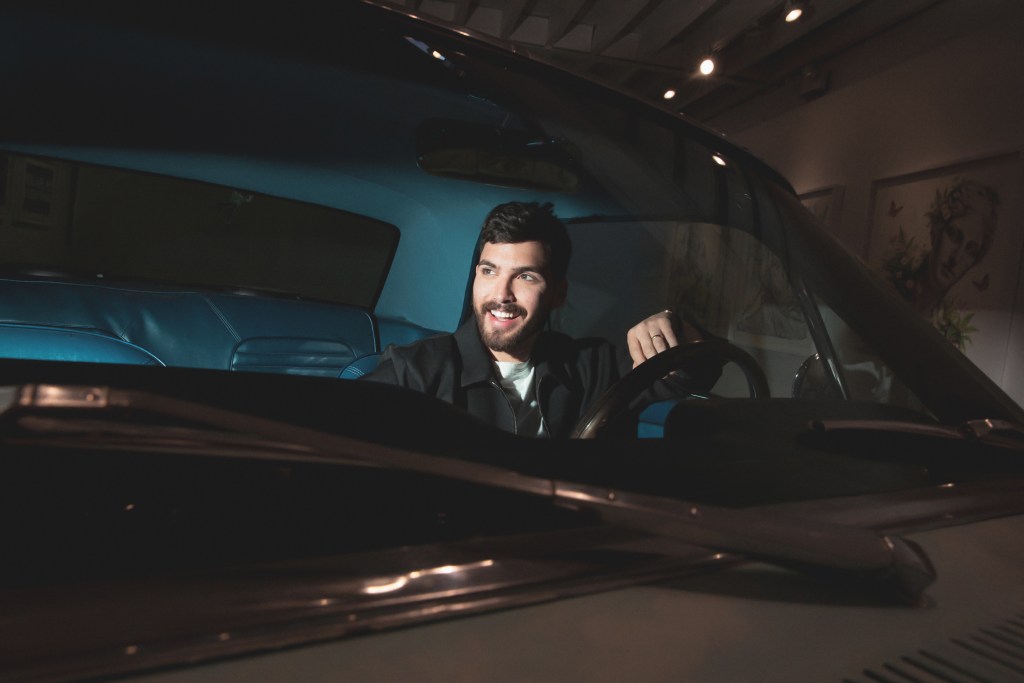
At the heart of Warsh’s curatorial philosophy is the concept of accessibility. He views the automobile as an exceptionally effective vehicle for carrying contemporary art far beyond the insular audiences that actively seek it out within traditional gallery walls and museum exhibitions. Emphasizing this educational bridge, Warsh explains that cars serve as a wonderful medium to introduce diverse publics to art in unexpected settings. By partnering with a world-class luxury hotel brand in London, the project gains exposure to an international, worldly clientele. Furthermore, timing the public debut to coincide with the high-energy week of Frieze places the work directly in front of the crowds most primed to engage with contemporary visual culture. Warsh reiterates that the ultimate objective is to bring art to non-art audiences by tapping into various communities, and he views this mobile exhibition as a prime example of that mission succeeding in the real world.
For the entire month of October, this unique body of work remains completely outside the predictable confines of a traditional art fair booth, existing instead out on the open street and in constant motion, accessible to anyone fortunate enough to book a ride through the hotel. While the traditional art car has long been defined primarily as an object of passive contemplation, Larry Warsh and KOZO have successfully dismantled that barrier, engineering a moving gallery that invites the public to step right inside.