




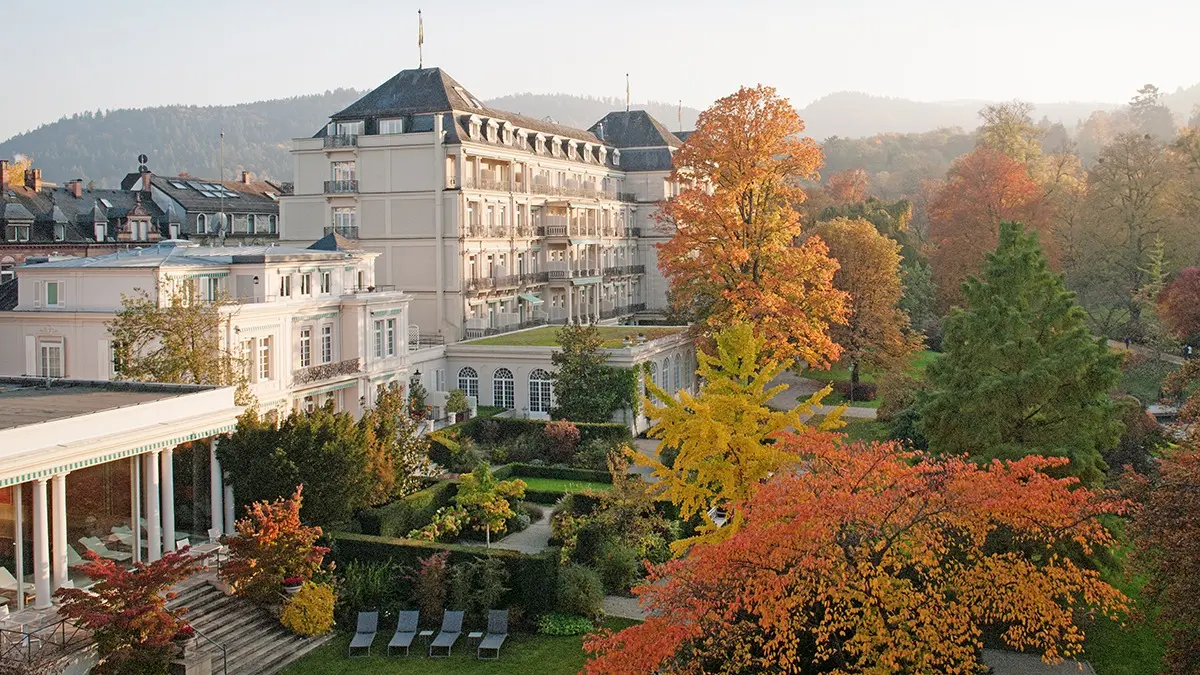
On the first trip to the medical center at Brenners Park-Hotel & Spa in the historic German town of Baden-Baden, a front-desk agent briskly leads visitors through the newly renovated main hotel building, past the serene spa facilities, and directly into the heart of the clinic. There is no lingering or unwinding in the crisp, restorative air of a destination long celebrated for wellness and healing. That seamless, guarded discretion is entirely the point of the experience.
The boundary between five-star luxury hospitality and clinical medical care is intentionally blurred throughout the property. Guests do not simply check in for fine dining, manicured gardens, and elite hospitality services. Many arrive with a specific purpose: to experience the property’s preventative medicine and longevity programs. They spend their days rotating through intensive diagnostics, expert consultations, and targeted treatments, while returning to the sophisticated comforts of a grand European resort in the evenings. Operating primarily during standard business hours from Monday through Friday—with weekend availability when necessary—the clinic creates a unique daily rhythm where the daytime hours feel intensely clinical, while the evenings feel entirely like a vacation.
This is a far cry from the casual, yoga-pants-and-green-juice version of wellness common at modern resorts. Inside the medical wing, a white-coated staff moves briskly between guests who look more suited for an international best-dressed list. Women carry luxury designer handbags and wear high-end sandals, while men sport tailored denim and Italian loafers. The atmosphere carries the subtle energy of a high-end fashion show, though a comprehensive blood draw or diagnostic scan awaits at the end of the journey rather than a celebratory cocktail.

Guests arrive fully prepared for an unsparing battery of rigorous medical evaluations, and many have done extensive independent research before booking. One guest noted that she flew directly from Dubai after weighing several prominent European longevity clinics, ultimately selecting Brenners because of its deep commitment to evidence-based diagnostics and preventative health strategies.
Most mornings begin with a consultation with Dr. Harry König, the physician driving the medical operation, which skillfully fuses conventional Western medicine with naturopathy. Dr. König reviews the fresh data emerging from the previous day’s array of tests, adjusting the day’s schedule accordingly. Throughout the week, updated schedules routinely appear in guests’ rooms or digital portals as new test results generate an ever-evolving, personalized health strategy.
Over the course of a standard week-long stay, patients undergo a comprehensive suite of evaluations, including ultrasounds of the thyroid, heart, abdomen, and leg veins. The regimen also features cardiovascular stress testing, extensive blood panels, advanced body scans, and a rotating schedule of therapies split between the medical clinic and Haus Julius upstairs. Additional interventions include Cranio Sacral Balance, EmSella pelvic-floor activation, Exomind brain stimulation, targeted lymphatic drainage, and specialized physiotherapy.

The entire setup is meticulously engineered to ensure absolute privacy. Dr. König offhandedly notes that chief executive officers, international politicians, A-list celebrities, and members of the Bollywood elite frequently check in for biological tune-ups completely shielded from the public eye.
Initial lab numbers often reveal hidden vulnerabilities, such as low iron levels, vitamin-D deficiencies, elevated cholesterol stemming from genetic factors, and sluggish thyroid function that necessitates ongoing monitoring upon returning home. Within days of discovery, targeted supplements arrive from a local pharmacy and are delivered directly to the guest’s room, alongside scheduled intravenous vitamin and nutrient drips.
Staff members occasionally express genuine surprise upon learning a guest’s actual age, often assuming younger visitors are far below their real years. Whether this perception stems from the flattering ambient lighting of the resort or the physiological impacts of the longevity program itself remains a matter of interpretation.

Yet, this reassurance is never deployed as a sales tactic. One of the most reassuring aspects of the clinical approach is Dr. König’s willingness to advise patients against unnecessary procedures. Although Brenners is one of only two clinics in Germany legally authorized to administer pluripotent stem-cell treatments, aggressive longevity interventions are rarely introduced for younger patients who simply do not require them. When guests discuss chronic issues like endometriosis, the response avoids rushing into aggressive surgical or pharmacological proposals. Instead, the focus centers on hormone therapy as a future consideration, prioritizing foundational health habits first and recommending a follow-up evaluation a year later.
Predictably, body composition scans often confirm what patients already suspect about their physical fitness levels. Recommendations frequently lean toward targeted strength training and reformer Pilates, occasionally paired with subtle chiropractic adjustments to realign uneven posture.
Not every appointment feels overtly clinical or sterile. During specialized mental-coaching sessions, Tibetan sound bowls vibrate softly across the abdomen to encourage nervous system regulation. Later, guided hypnosis exercises help patients count backward while visualizing a descent down a staircase into deeper states of mental relaxation.

On the traditional spa side of the operation, advanced treatments like a JetPeel facial—utilizing Augustinus Bader products—exfoliate and infuse the skin with nutrient-dense serums using high-pressure micro-droplets. Afterward, Lomi Lomi massages incorporating custom oils infused with local Black Forest herbs, pine, and fir extracts offer profound physical relaxation. Even routine dental care is integrated into the wellness ecosystem, with standard cleanings available at the on-site clinic.
Crucially, Brenners avoids the communal deprivation typical of strict wellness retreats. Guests are never pressured into sharing their emotional vulnerabilities over bowls of plain lentil broth with strangers. Breakfast is served at the vibrant Fritz & Felix restaurant, lunch is tucked into the conservatory Wintergarten, and dinner is enjoyed either in the room or dressed up in the dining rooms. Menus are carefully engineered around individual lab work and specific nutritional targets. For many, this translates to a calorie-conscious, gluten-free, and lactose-free plan with precise protein goals that taste remarkably like high-end hotel cuisine rather than dietary punishment. While caffeine and alcohol are not explicitly banned, days spent obsessing over personal biomarkers tend to render both substances entirely irrelevant.
Logistical hitches occasionally occur within the complex choreography. On the first night under a newly prescribed nutritional protocol, a dining room might occasionally lack a record of specific dietary restrictions, only for the issue to be promptly resolved by the following day. Similarly, medical appointments can occasionally run 15 to 30 minutes behind schedule. Rather than true service failures, these minor wrinkles serve as gentle reminders that beneath the polished five-star veneer lies a fully functioning medical practice attempting to harmonize luxury hospitality with individualized preventative medicine.

As Dr. König notes while comparing superficial wellness trends to drinking rosé on a sunny terrace in the south of France, true health strategy requires durability. Enjoying a fleeting feeling of wellness inside a controlled environment is simple, but creating physiological results that withstand the pressures of everyday life is a much greater challenge.
For guests departing the property, the lasting impact often manifests in subtle ways—such as being mistaken for a college student while traveling home. With multi-week programs like the ReLife Longevity Protocol starting around $51,800 per person, excluding accommodations, the investment is substantial, but the pursuit of sustainable biological optimization continues to draw elite travelers to the historic banks of the Oos River.