





Venice is a city built across more than 100 islands, separated by winding canals and joined together by stone bridges. Among this watery labyrinth lies the island of San Giorgio Maggiore, which is currently hosting an extraordinary transformation. Until September 30, the island has been converted into what organizers call an "island of light," serving as the breathtaking venue for the fourth edition of Homo Faber.
Organized by the Michelangelo Foundation for Creativity and Craftsmanship, the biennial exhibition invites visitors to admire handmade masterpieces from across the globe, housed within the historic halls and cloisters of the Fondazione Giorgio Cini. For this year’s edition, titled An Island of Light, the foundation turned to renowned set designer and artist Es Devlin to serve as artistic director. Over the course of her celebrated career, Devlin has constructed massive arena stages for some of the planet’s biggest musical acts and illuminated theaters worldwide. However, the commission for Homo Faber presented a distinct and entirely unique challenge: to weave the rich, multifaceted story of artisanal mastery into a single, cohesive, and immersive path.
"I would want to not just present," Devlin explains, reflecting on her approach to the monumental task. "But I’m not really a curator. So my way into it, the portal for me, was collaboration, which is what I do. I’m very comfortable collaborating with objects, and I was fascinated by a collaboration with hands and those that make."
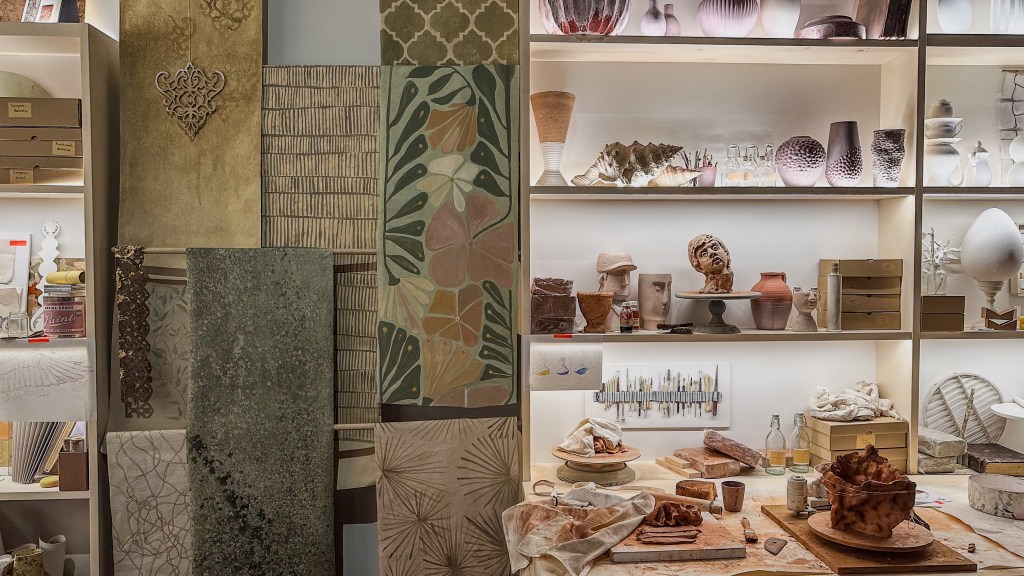
This profound fascination with the physical act of creation takes center stage in the exhibition’s opening room. Staged to resemble an enormous, beautifully chaotic artist’s atelier, the space is inhabited by the tools, drawings, raw materials, and specialized instruments of goldsmiths, tailors, sculptors, and silversmiths. Visitors are immediately enveloped by the atmosphere of creation, accompanied by an emotional video that celebrates the irreplaceable importance of human hands. Narrated in Devlin’s own voice, the audio guide sets an intimate tone for the journey ahead.
"In the first room especially, I wanted to impart the information very personally, and I wanted to tell you the story of engaging with these hands," Devlin shares. "I speak in a way that is quite intimate to invite visitors to be hushed and to be focused."
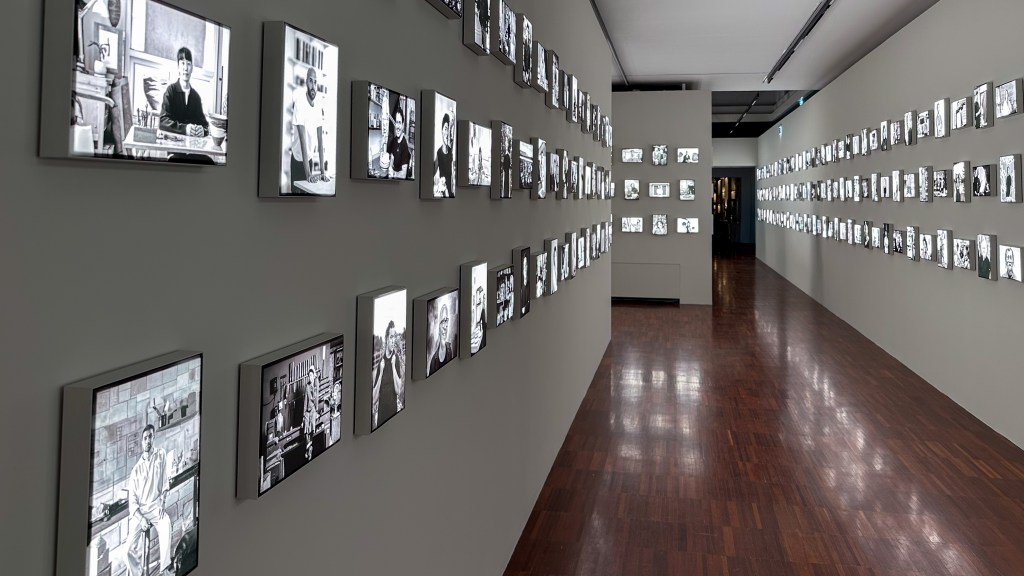
Moving from the creative chaos of the atelier, visitors step into a second room where the focus shifts entirely from the tools to the makers themselves. Black-and-white portraits of all 500 artisans involved in Homo Faber cover the walls from floor to ceiling. These makers are the creative force behind more than 700 objects originating from over 70 countries, spread across the 15 distinct exhibition spaces. By showcasing faces rather than names in this expansive portrait gallery, the exhibition establishes a deeply human tone, honoring the individuals whose dedication breathes life into the craft.
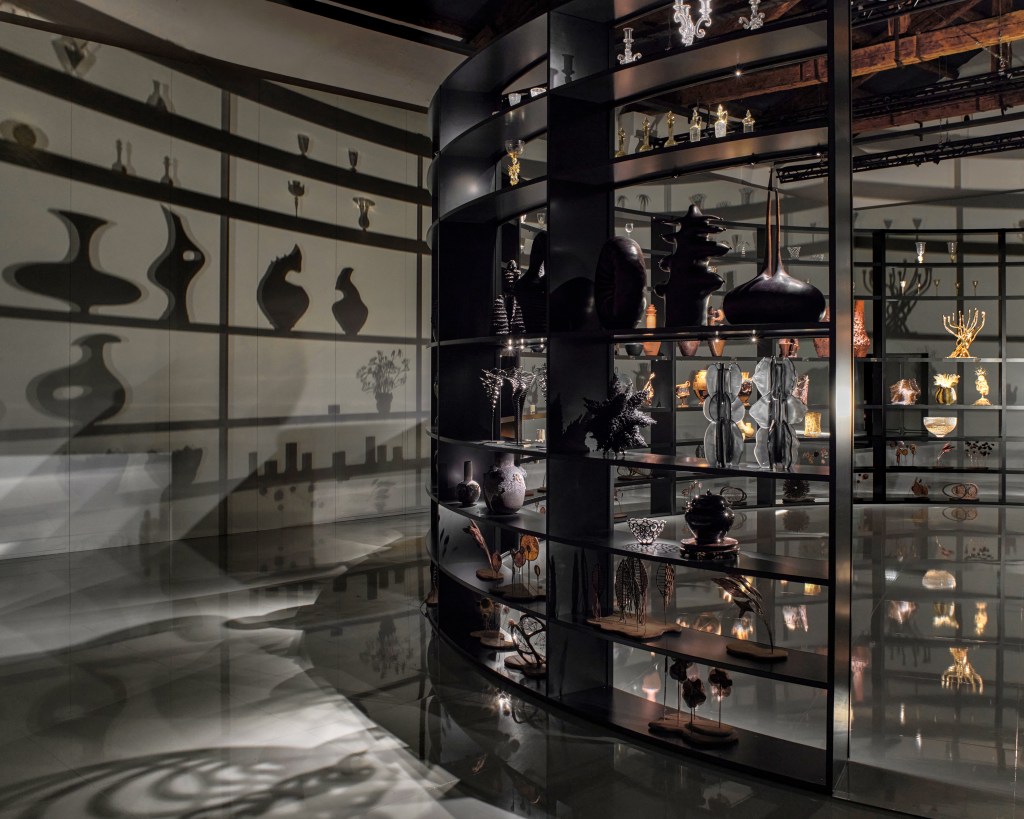
From this luminous gallery, the journey shifts dramatically into shadow. Titled An Alphabet of Objects, the subsequent space features a kinetic circular library that gathers dozens of objects crafted from diverse materials. An intricate lighting system casts their shadows against the surrounding walls, creating a visual language that feels simultaneously familiar and alien—the foundational ABC of craft. Visitors are encouraged to guess the true composition of the objects on display, frequently leading to delightful surprises: glass that mimics rough stone, metal that resembles delicate paper, and bronze that takes on the tactile appearance of woven rope.
Guiding visitors through these spaces are Homo Faber’s Young Ambassadors, a cohort of students selected from the world’s finest schools of applied arts, design, and business. Easily recognizable by their uniforms designed by Colomba Leddi—dyed in soft gradients of natural indigo—these ambassadors share the compelling stories behind the objects and their creators. Interacting with these students and witnessing their youthful passion and commitment adds an invaluable layer to the overall visitor experience.
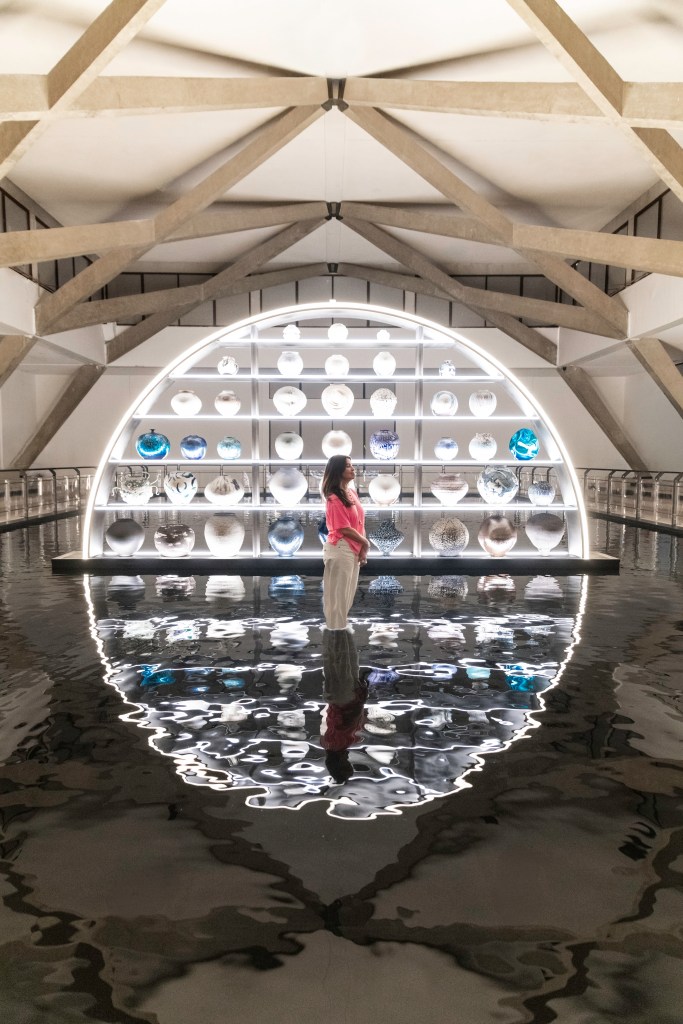
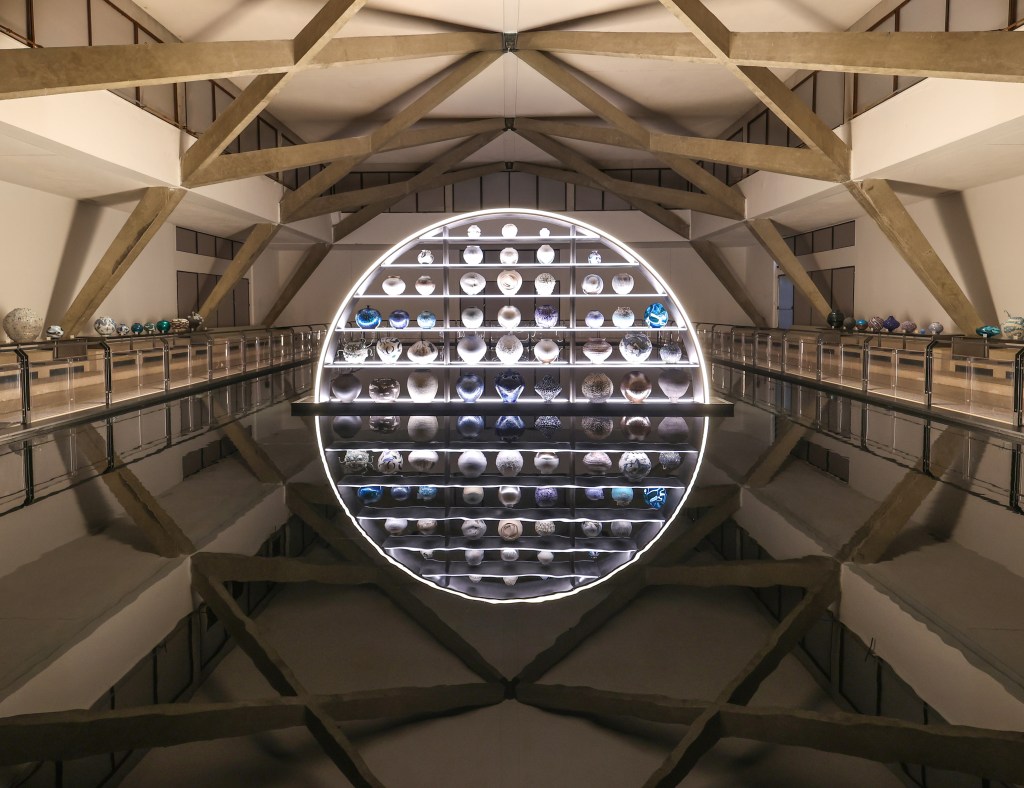
Among the exhibition’s most visually arresting installations is A Full Moon Rising, set within the Piscina Gandini, a masterclass in modern architecture designed as a swimming pool in 1960. The space stars moon jars, the large, luminous circular vessels deeply rooted in Korean tradition. Dozens of these vessels, created in varied materials by international artisans, line the sides of the grand hall. At the center of the pool, a circular library emerges directly from the water, creating the ethereal illusion of a moon rising over the sea. The resulting dialogue between the objects, the bespoke installation, and the stark modernist architecture produces a sense of pure magic.
The journey continues into a pavilion dedicated exclusively to organic materials: wood, woven wicker, rush, and willow. Devlin encourages visitors to engage more than just their sense of sight, inviting them to breathe in the natural, pleasant scents of the materials. Through a clever staging utilizing only mirrors, the space transforms into an endless, immersive forest of objects. This pavilion highlights some of the most ancestral and ancient techniques known to humanity, clearly demonstrating how these fundamental methods transcend geographical boundaries and run common across every continent.
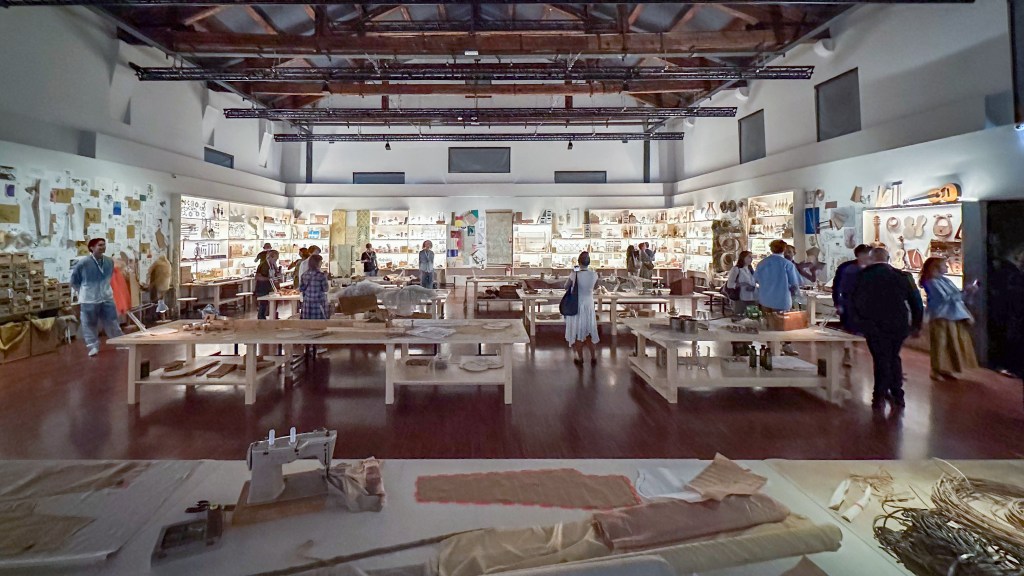
Visitors then arrive at An Atelier Alive, where a rotating group of artisans works live before an audience. Craftspeople demonstrate the meticulous creation of paper flowers that look startlingly real, glass micromosaics applied to complex curved surfaces, embroidery so delicate it adorns luxury watch dials, and straw inlays polished to a metallic sheen. Hailing from countries such as Pakistan, Italy, France, the United Kingdom, and South Africa, these artisans serve as living proof of Alberto Cavalli’s vision. The Executive Director of the Michelangelo Foundation views Homo Faber not merely as a static exhibition, but as an ongoing movement—a constant effort to demonstrate that humanity can still experience richer, more authentic forms of intelligence and connection.
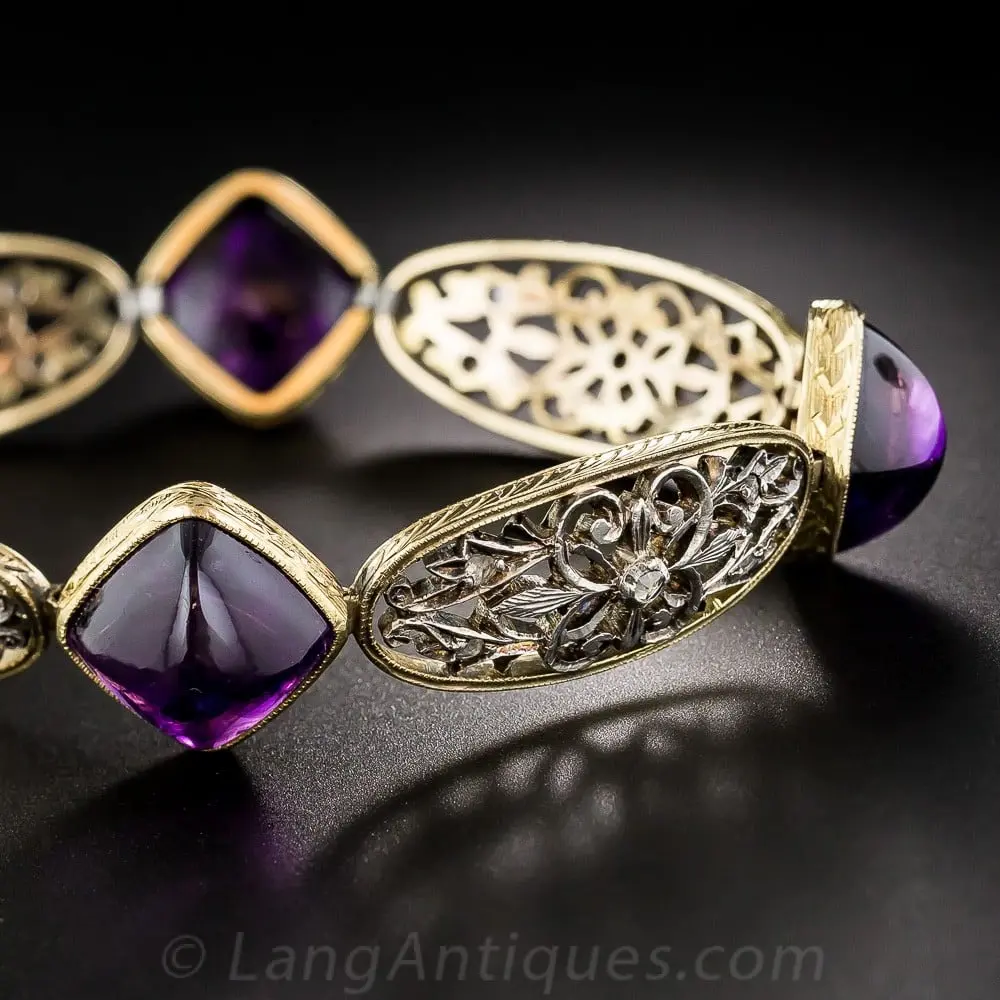
Directly adjacent lies the exhibition’s most precious space, glittering with objects fashioned from gold, diamonds, and precious stones, alongside exquisitely refined textiles and paper. Centered around the theme of birds, the room showcases depictions of avian life created through wildly varied and extravagant techniques, yet executed with astonishing detail. Enhanced by a sophisticated interplay of light and mirrors, the gallery evokes the feeling of stepping inside a fairy-tale aviary.
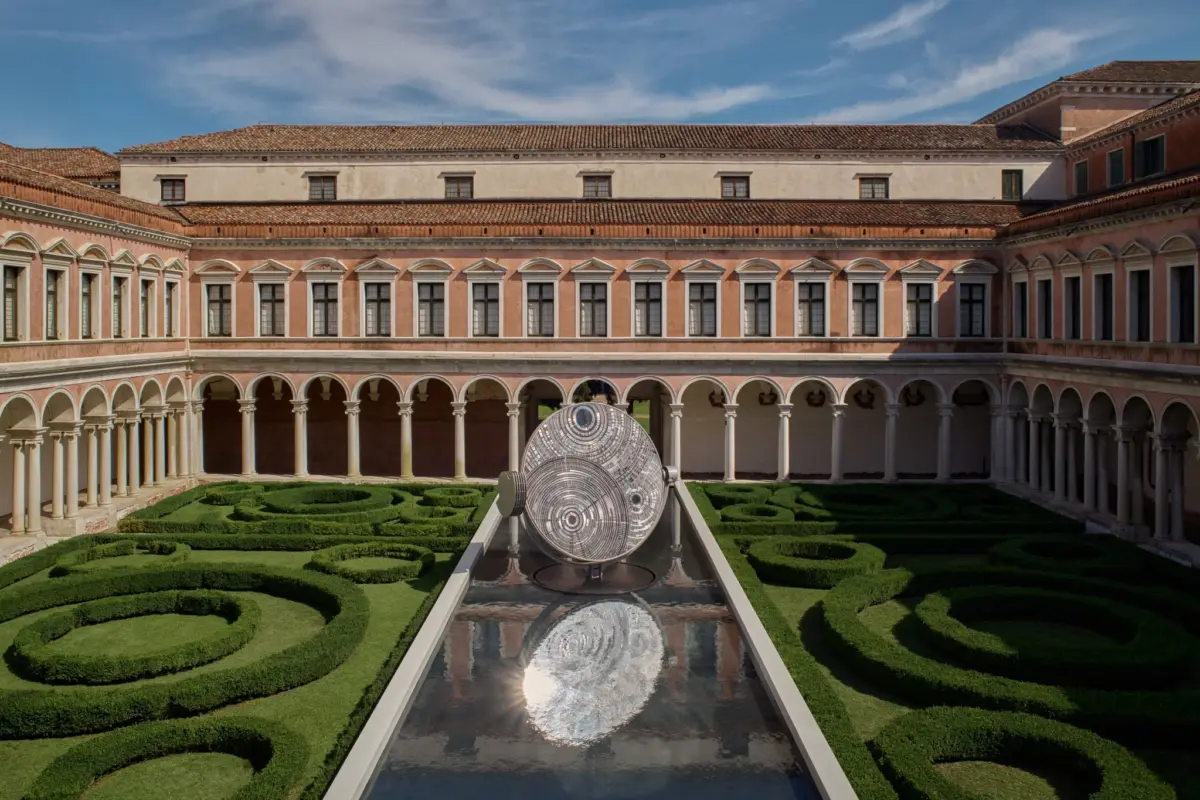
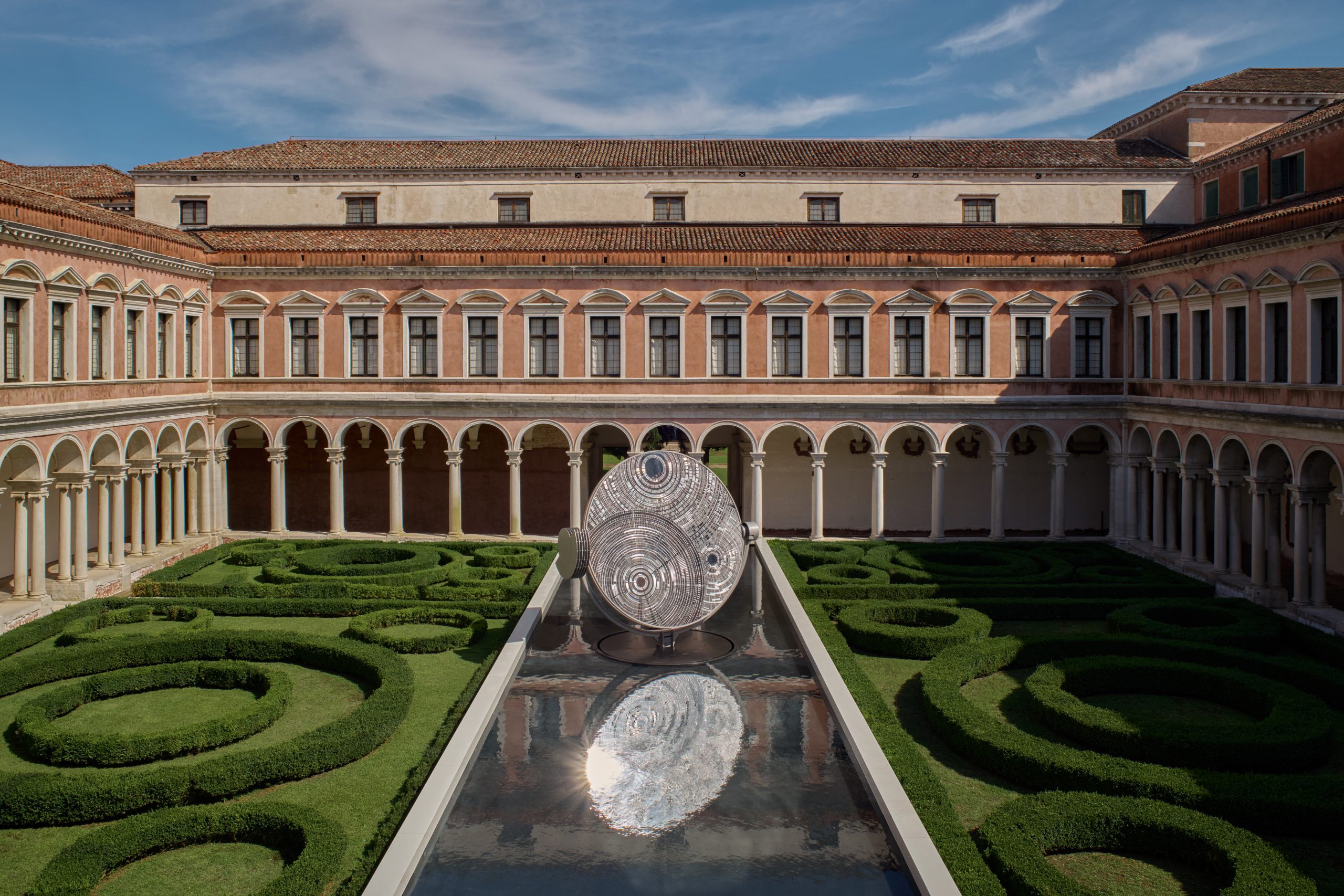
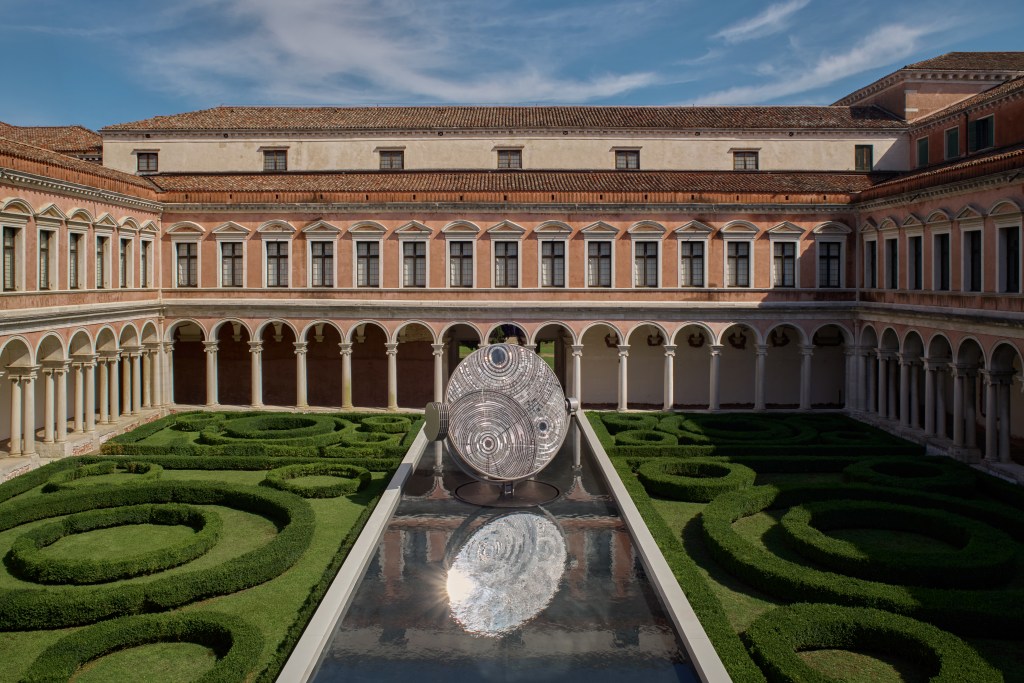
The narrative journey moves next into the cloister designed by the legendary Renaissance architect Andrea Palladio. Here, Devlin has conceptualized a large, round mirrored structure that rotates on two axes, continuously playing with the natural light of the sky and the reflecting water throughout the course of the day. The intricate pattern etched onto its surface recalls the precise mechanics of gears while simultaneously drawing inspiration from the transient ripples of rain falling into Venice’s historic canals.
A final contrast is struck by A Feast of Light and A Rainbow of Forms. The first installation presents a curated collection of exclusively white objects, while the latter bursts forth with vividly colored pieces. In both spaces, the transformative power of the makers’ hands from every corner of the planet holds viewers utterly spellbound. The journey is designed to offer fresh revelations to every visitor, and its creation left a lasting impact on Devlin herself.
"It’s humbling to realize how little I knew about what could be done with a pair of hands in a piece of wood, or a pair of hands in a piece of egg," Devlin reflects. "I won’t look at an eggshell in the same way again, honestly."
Reflecting on the true nature of Homo Faber, Devlin rejects simple labels, preferring words that evoke action and exploration. "A lot of people use the word movement," she notes. "I would say the word practice is also very useful. And the word essay, which means to try. So I think when you sit at the desk and you see the wood shavings, bits of clay, hopefully you’re put in mind of someone who is making an essay, engaging in practice. So you could call it a rehearsal of a different way to be."
Homo Faber runs through September 30 on the island of San Giorgio Maggiore. Beyond the main venue, the concurrent program Homo Faber in Città extends the celebration by opening artisan workshops across Venice and introducing traditional craft to the newly renovated Casa Sanlorenzo.