





Unless you are deeply embedded in the paddling community, you might not be familiar with Astral Designs. The brand has only recently begun expanding its footprint into technical trail shoes and a broader array of outdoor clothing offerings. Yet, for more than two decades, this pioneering company has operated with a remarkably radical guiding philosophy: to produce high-performance outdoor gear that entirely rejects toxic materials like PVC and phthalates.
Founded over twenty years ago, Astral took its first major step by manufacturing an entirely PVC-free and phthalate-free life jacket, a revolutionary move in an industry heavily reliant on cheap synthetics. By 2008, the company had systematically eliminated the use of neoprene from its manufacturing lines. Continuing this trajectory of environmental stewardship, Astral integrated the rigorous bluesign manufacturing process across its entire supply chain by 2021, systematically reducing its climate impacts with every step of its operational footprint.
The brand’s eventual transition into footwear was born out of necessity and ideological alignment. According to Astral’s leadership, traditional water shoes—and eventually standard trail shoes—were fundamentally antithetical to the company’s core mission. The core contradiction of enjoying pristine natural environments while wearing footwear constructed entirely from harmful petrochemicals gnawed at the founders. This realization sparked the development of high-traction paddle shoes that required a complete rethink of materials, mirroring the eco-friendly innovations previously brought to life jackets.
This design evolution eventually led to the creation of the Nosobo, recognized as the outdoor market’s first-ever performance shoe equipped with a replaceable midsole. The midsole is typically the component of a shoe that deteriorates and packs out long before the durable rubber outsole gives way. While the concept of a replaceable midsole was not entirely unprecedented in the broader footwear industry—notably appearing in the market via the Nike Kobe 8 in 2012—Astral’s Nosobo marked a significant first for the outdoor adventure sector.

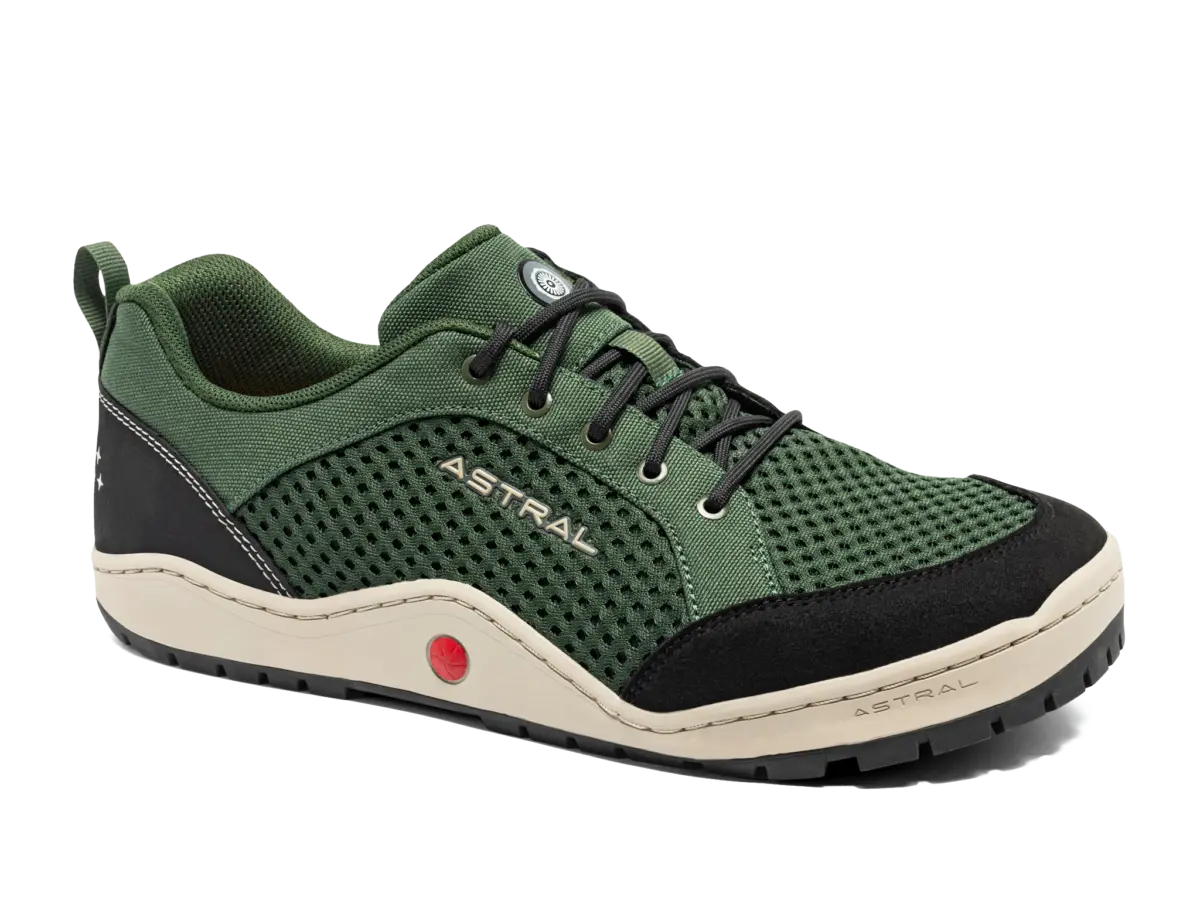
Today, that progressive design ethos culminates in the Techyak, Astral’s latest footwear offering. The Techyak continues the brand’s tradition of sustainable innovation, featuring a specialized knit upper constructed entirely from 100% recycled PET. Furthermore, the shoes are manufactured entirely without the use of traditional glues. Founder Philip Curry points out that chemical bonding agents are notoriously problematic for the environment, noting that water is particularly brutal on adhesives, making glued seams the primary point of structural failure in wet-environment footwear.
To bring this ambitious vision to life, Curry partnered with legendary footwear designer Tuan Le. A Vietnamese refugee, Le carved out a celebrated career in the footwear industry by breaking boundaries with iconic designs, most notably the Reebok Stomper, an aerobics shoe famously worn by actress Sigourney Weaver in the science fiction classic Aliens. Beyond his early blockbuster hits, Le’s impressive resume includes inventing the Mizuno Wave Rider running shoe, creating specialized athletic footwear for NBA stars Stephon Marbury and Vince Carter during the short-lived brand And1, and consulting for a diverse roster of global footwear giants from UGG and Bogs to Jack & Jones since the early 2000s.
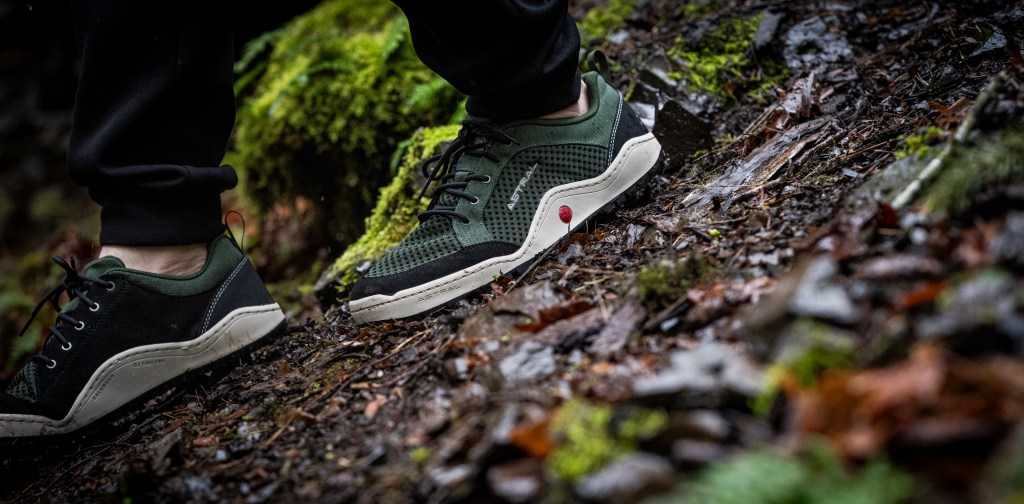
When approaching the design of the Techyak, Le explains that he took inspiration from a classic skate shoe silhouette, but intentionally pushed his creative boundaries into entirely new territory. This shift aligned with Astral’s broader corporate focus on zero-drop geometric designs that position the human foot in a more natural, athletic posture. The toe boxes are noticeably more open and rounded, a deliberate choice addressing the reality that far too many modern athletic shoes restrict natural, anatomical foot movement during vigorous outdoor activities.
As an avid runner himself, Le harbors a critical perspective on standard athletic footwear construction. He notes that a typical running shoe built with a conventional EVA foam midsole begins breaking down structurally from the very first day of wear, despite being expected to serve as the foundational backbone of the shoe. Together, Le and Curry sought to give the Techyak a much stronger internal spine, providing reliable, robust support without adding unnecessary weight or clunkiness. The shoe had to remain thin enough to maintain a sleek, lightweight profile suitable for agile outdoor exploration.
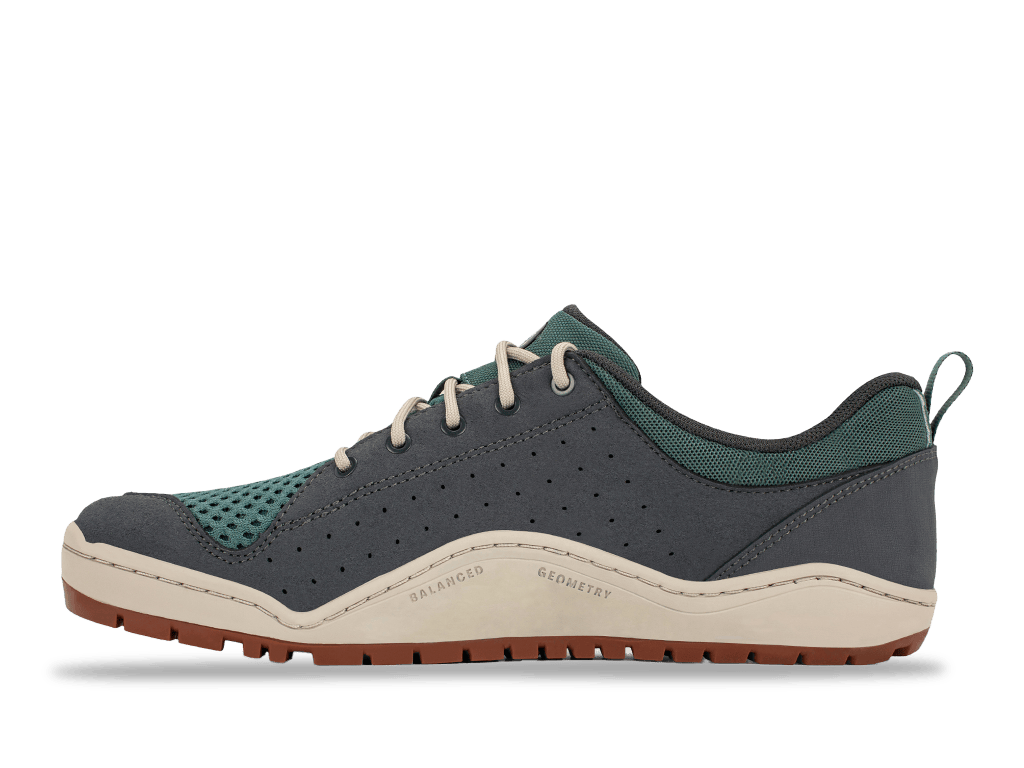
Designing footwear for active outdoor enthusiasts naturally requires a deep command of anatomical terminology and biomechanics. Le emphasizes that a proper athletic shoe must feature a clear visual flex point—the precise structural area where the human toes naturally hinge, whether the wearer consciously notices it or not. From that foundational point, a shoe requires structural elements that communicate precisely where arch support is integrated, ensuring the footwear functions exactly where the human body demands it.
Reflecting on his decades-long career designing footwear across different global markets and cultural contexts, Le compares the process to musical composition. Whether he is translating technical requirements into Danish or Japanese for various international brand clients, the core vocabulary remains fundamentally unchanged. Traction, cushioning, and flexibility are universal concepts because human anatomy requires the exact same functional performance anywhere in the world. For Le, the creative challenge lies entirely in the specific tune he gets to play with those familiar notes.
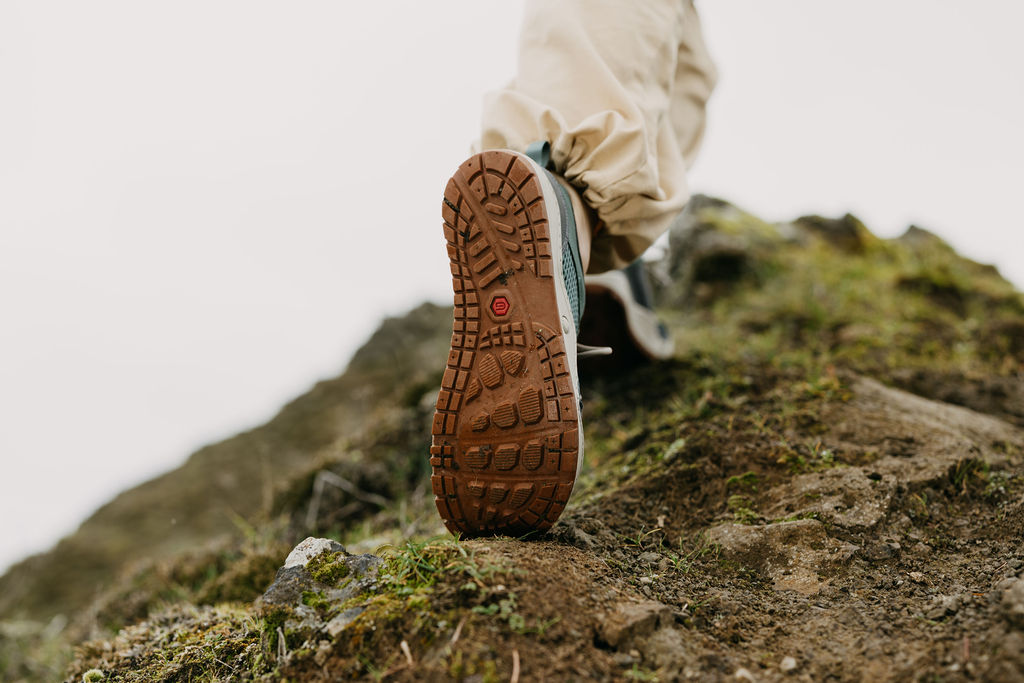
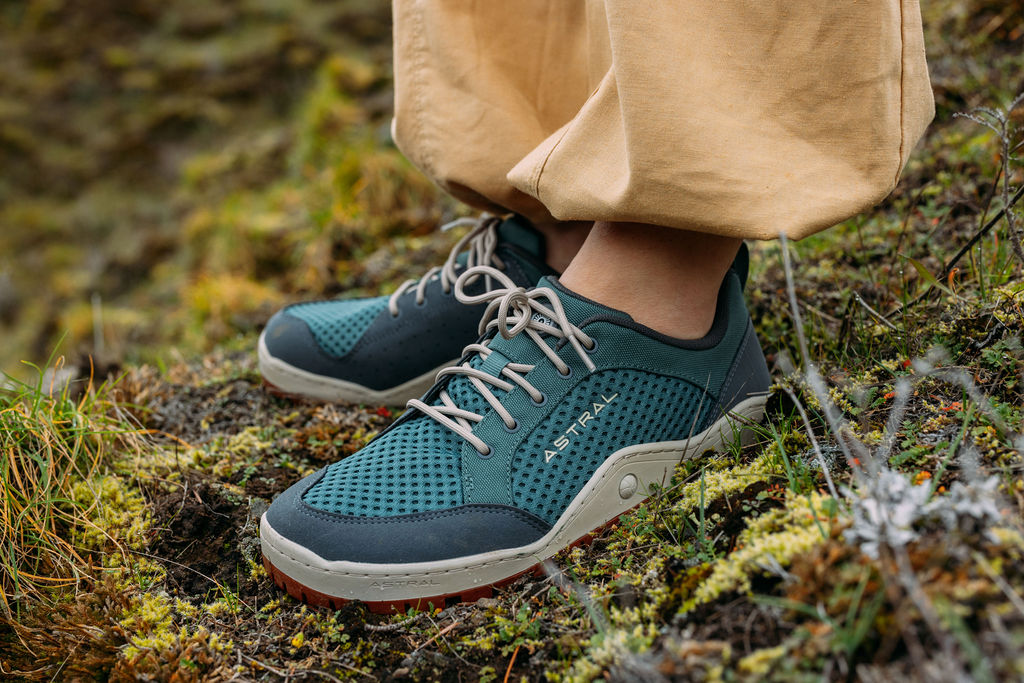
The aesthetic philosophy of the brand extends deeply into color theory, another critical visual component meticulously dissected by Curry. The design process always originates from the perspective of an adventurer standing in the middle of a body of water, ensuring that a representative water color is perpetually woven into the product line. From that aquatic starting point, the philosophy expands outward to encompass soil, earth, and rich plant life. The colorways are deliberately selected to feel organic, drawing direct inspiration from natural flora rather than passing fashion trends.
Even the subtle branding details carry layers of intentionality and narrative evolution. The original red dot featured on the shoe’s sole took its initial cue from Astral iconography, symbolizing the complex relationship between a rock, the ocean, and the moon. However, because the bold red accent proved visually jarring to buyers in certain international markets, Le revised the visual language. The tiny icon is evolving into a refined lotus flower motif, a change that Le embraces with characteristic philosophical ease. As he frequently observes, he has the rare good fortune of sketching an idea and watching a factory bring it into physical reality, treating the entire creative endeavor as an ongoing exercise in exploration and refinement.