






The intersection of cinema and spatial design has long offered a fertile ground for creative experimentation, where the meticulous world-building of acclaimed filmmakers spills off the screen and into the physical realm. Across exhibitions, furniture collections, and permanent hospitality spaces, visionary directors have repeatedly demonstrated that their distinct aesthetic sensibilities are not confined to the silver screen. From David Lynch’s surrealist spatial explorations to Wes Anderson’s meticulously symmetrical café interiors and Pedro Almodóvar’s vibrant collaborations with high-end furniture brands, the blurring of lines between cinematic mise-en-scène and interior design continues to captivate contemporary culture.
This cross-pollination of disciplines is part of a broader, ongoing dialogue within the global design community, where spatial storytelling takes myriad forms—ranging from monumental architectural interventions to intimate explorations of everyday objects. As recent exhibitions, architectural completions, and cultural installations demonstrate, the impulse to shape physical environments with the narrative weight of visual art remains as potent as ever.

The Cinematic Interior: From the Silver Screen to Physical Space
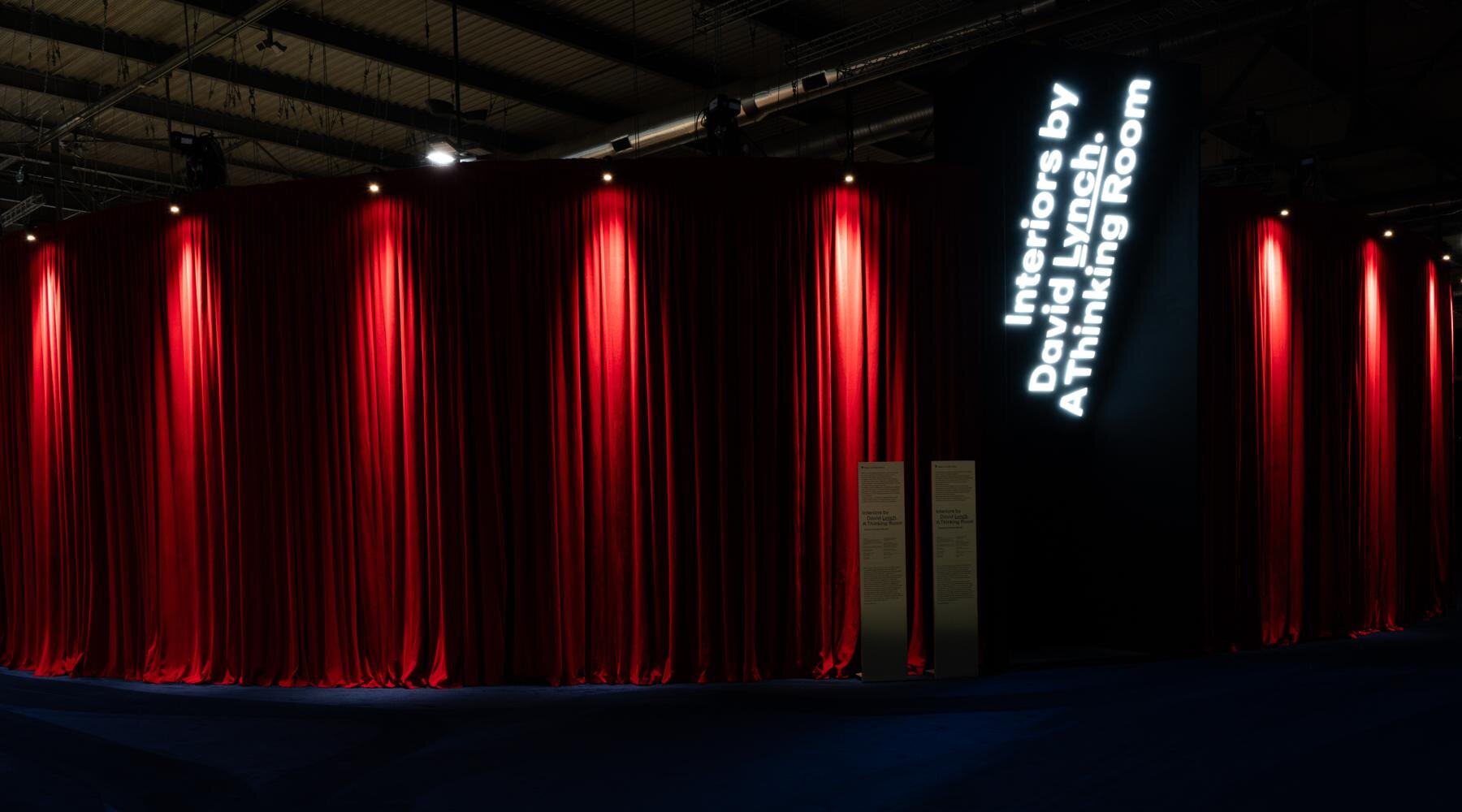
The fascination with how film directors construct environments is perhaps best exemplified by projects that translate cinematic psychology into physical architecture and interior curation. When David Lynch’s vision is translated into a spatial experience—such as the conceptual "A Thinking Room" curated by Antonio Monda for the Salone Internazionale del Mobile—visitors are invited to step directly into the psychological landscapes characteristic of the director’s filmography. These environments rely less on conventional interior design rules and more on mood, shadow, texture, and an underlying sense of mystery, proving that a room can evoke a narrative tension just as effectively as a moving image.
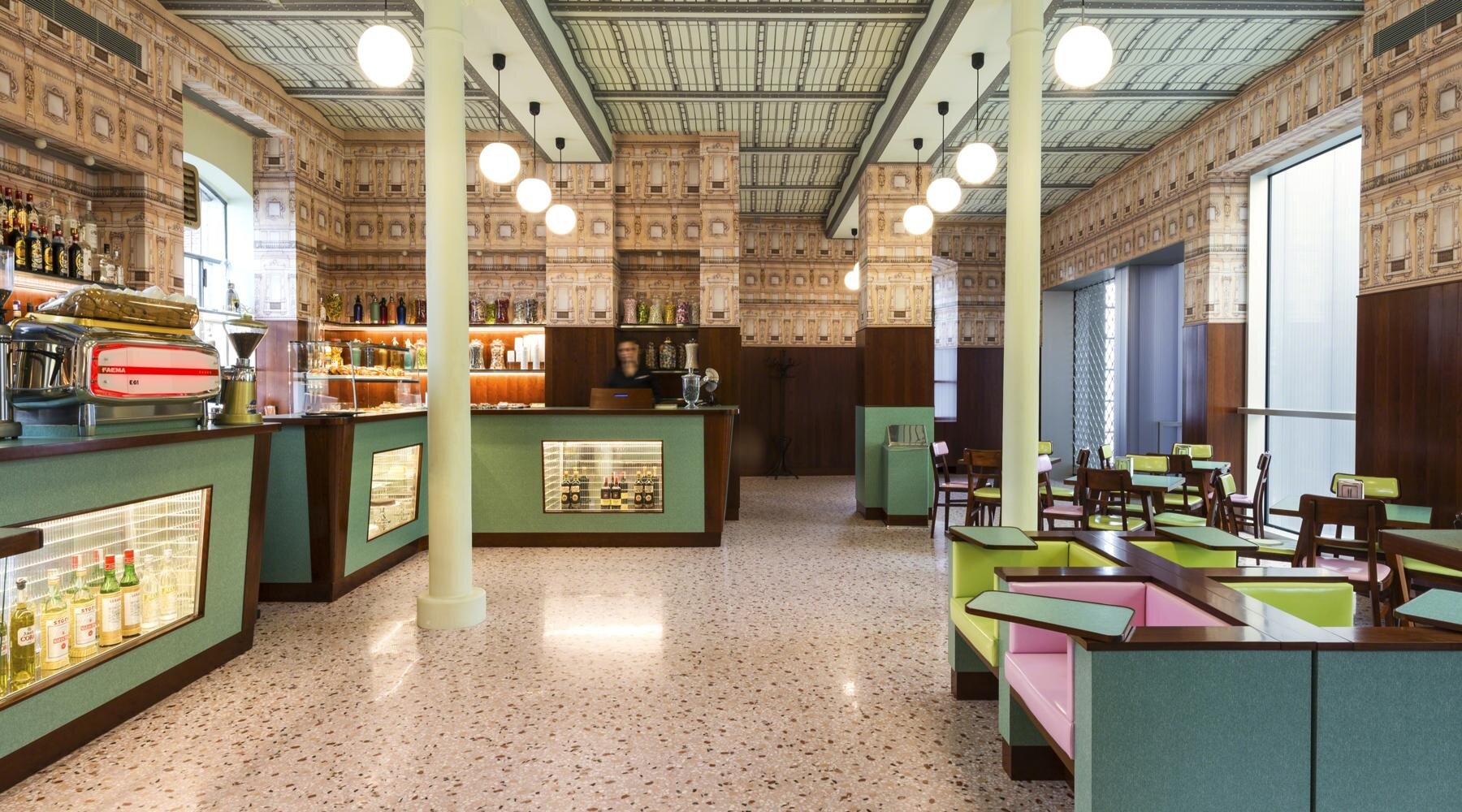
Similarly, Wes Anderson’s design for Bar Luce at the Fondazione Prada in Milan translates the pastel-hued, nostalgic symmetry of his cinematic universes into a functioning hospitality space. By channeling the aesthetic vernacular of 1950s and 1960s popular culture in Italy, Anderson created a café that feels simultaneously like a living film set and an authentic social hub.
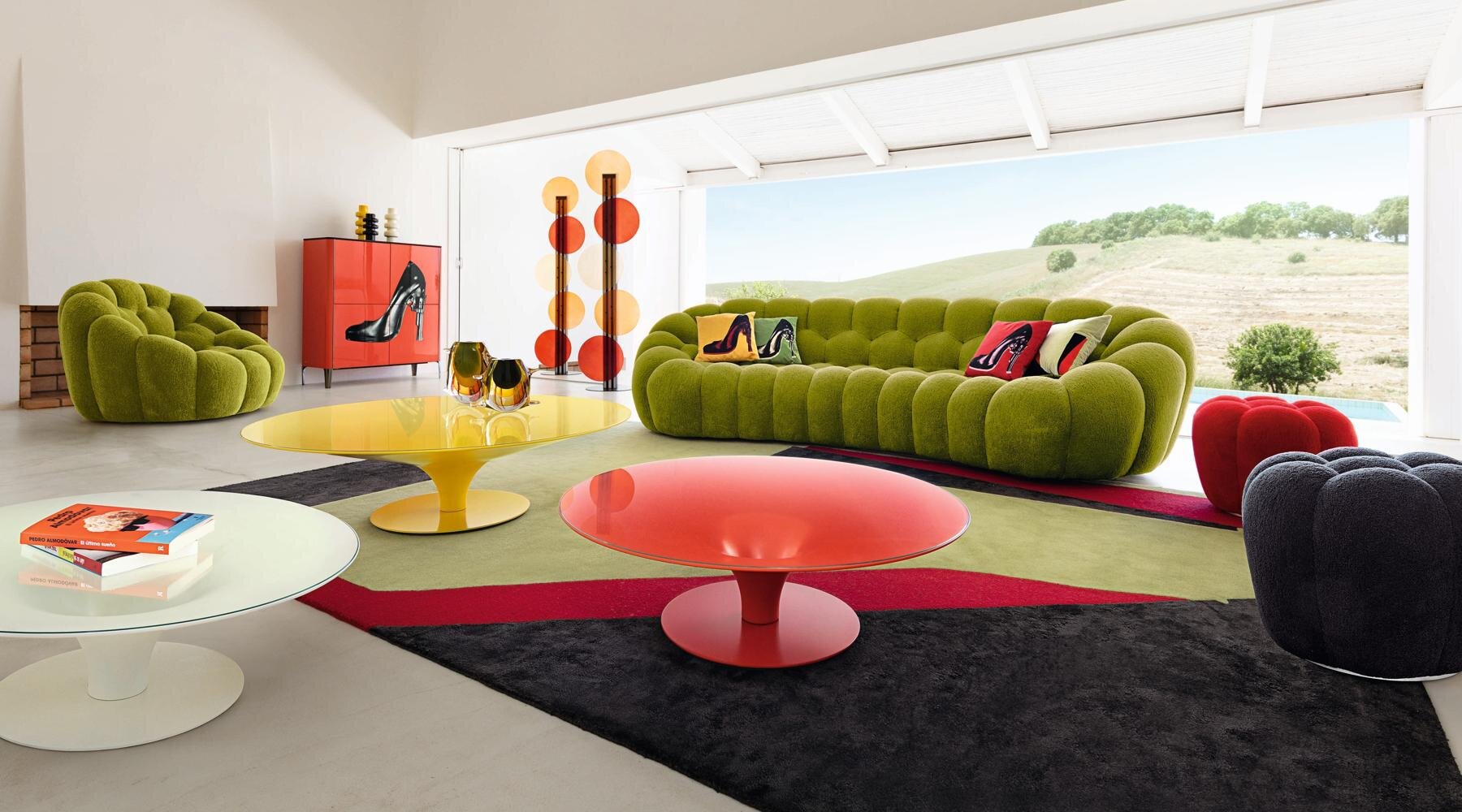
In a parallel exploration of director-led design, Pedro Almodóvar has extended his unmistakable cinematic palette into the realm of furniture and home collections, such as his collaboration with luxury French brand Roche Bobois. Known for his saturated colors, bold textures, and emotionally charged domestic interiors, Almodóvar brings the same dramatic flair to everyday furnishings, translating the intense domestic melodramas of his films into tactile, physical objects that people can live with.
Expanding the Boundaries of Design, Art, and Architecture
This dialogue between narrative world-building and physical space extends far beyond the direct involvement of film directors, finding parallel expressions in recent global cultural projects and exhibitions that interrogate how we interact with our built environment.
In Vatican City, contemporary artist JR recently made headlines by transforming the neoclassical facade of the Vatican Apostolic Library with a monumental public artwork titled ‘Diluvium’. Stretching seventy meters wide, the photographic installation depicts a massive, dynamic wave sweeping across the historic building. By superimposing a catastrophic natural phenomenon onto a heavily guarded bastion of historical conservation and knowledge, the intervention creates a striking visual tension between the fragility of physical archives and the overwhelming forces of nature and time.
Meanwhile, the relentless human drive to reinvent the most fundamental of domestic objects—the chair—is currently being celebrated in cultural exhibitions such as ’50 chairs at Christie’s’. Curated by basic.space in Beverly Hills, the exhibition brings together a diverse cross-section of historic icons and cutting-edge contemporary experiments. The collection traces how generations of designers have continually reinterpreted the simple act of sitting, navigating the delicate balance between ergonomic function, structural innovation, and sculptural expression.
On an architectural scale, the completion and public opening of Bjarke Ingels Group’s (BIG) Suzhou Museum of Contemporary Art marks a significant milestone in cultural placemaking. Conceived as a traditional Chinese village broken down into twelve interconnected pavilions, BIG’s first completed art museum utilizes classical spatial logic to navigate its site along the waterfront of Jinji Lake. By distributing the galleries, public gathering zones, and circulation paths across a cluster of human-scaled volumes rather than a single monolithic block, the architecture establishes a fluid, permeable relationship between the art inside, the public spaces around it, and the natural landscape.
Whether through the psychological interiors imagined by film auteurs, the monumental interventions of contemporary artists, or the sensitive contextualism of new cultural architecture, the contemporary design landscape continues to thrive on the translation of narrative and emotion into physical form.