




Nestled in the southernmost tip of the Netherlands, hugging both the Belgian and German borders, lies Maastricht, one of the country’s oldest and most historically layered cities. Far removed from the flat, canal-laced expanses of Amsterdam or Rotterdam, Maastricht offers a distinct topography, a rich tapestry of European history, and a culinary culture deeply influenced by its southern neighbors. It is perhaps no coincidence that this crossroads of nations was chosen as the birthplace of the European Union, nor is it surprising that its unique geography has fostered a celebrated food mecca known for its distinct regional flavors.
The origins of Maastricht are ancient and fiercely debated by historians and archaeologists alike. Celts inhabited the area at least as far back as the 5th century BC, drawn by the strategic waterways and fertile landscape. Roughly six centuries later, the Romans arrived, establishing a permanent footprint by building a critical bridge over the Meuse River, which continues to flow through the center of the modern city. As centuries progressed, Maastricht played a vital, strategic role in both the Carolingian Empire and the Holy Roman Empire. Its coveted location made it a frequent prize for competing European powers between the 16th and 18th centuries, leaving behind a legacy of robust military fortifications that still stand today as silent witnesses to its turbulent past.
The city’s modern history is equally consequential. During World War II, Maastricht etched its name into the history books by becoming the first Dutch city to be liberated by Allied forces. Half a century later, it stepped onto the global stage once more when it hosted the pivotal European Council summits that culminated in the signing of the Maastricht Treaty. This landmark agreement laid the formal groundwork for the establishment of the European Union and paved the way for the creation of the single European currency, the euro.
Today, Maastricht is a vibrant home for approximately 125,000 residents. This population is dynamically augmented by a large student body attending the prestigious Maastricht University, infusing the ancient streets with a youthful, energetic spirit that balances the city’s heavy historical gravity.
Exploring the Centuries: A Historic Walk Through Maastricht
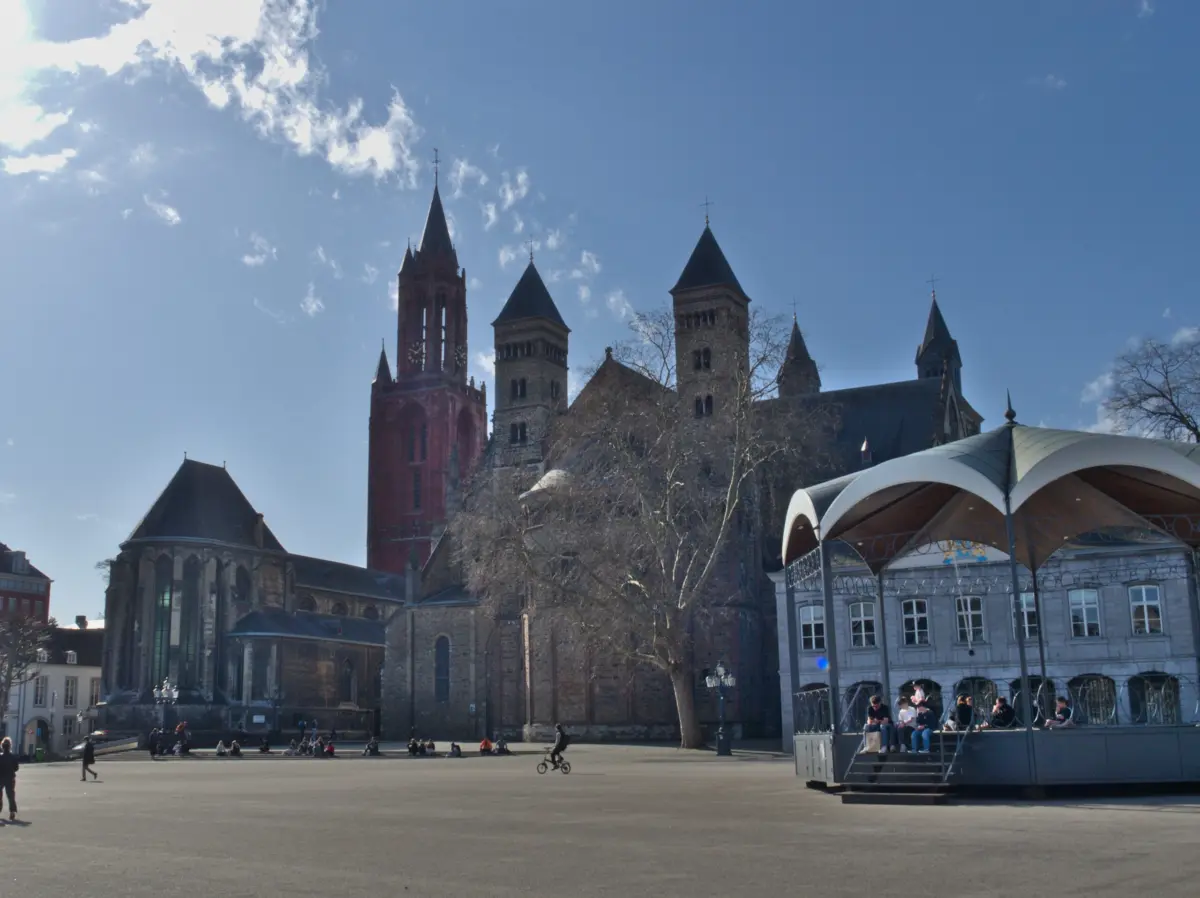
For visitors looking to connect with the city’s long and storied past, a historic walking tour offers an ideal entry point. The journey naturally begins at the Vrijthof, the grand main square that serves as the beating heart of Maastricht. In the summer months, the square comes alive with the famous open-air concert series hosted by Dutch conductor André Rieu, while the winter transforms the space into a bustling, festive Christmas market filled with seasonal treats and twinkling lights.
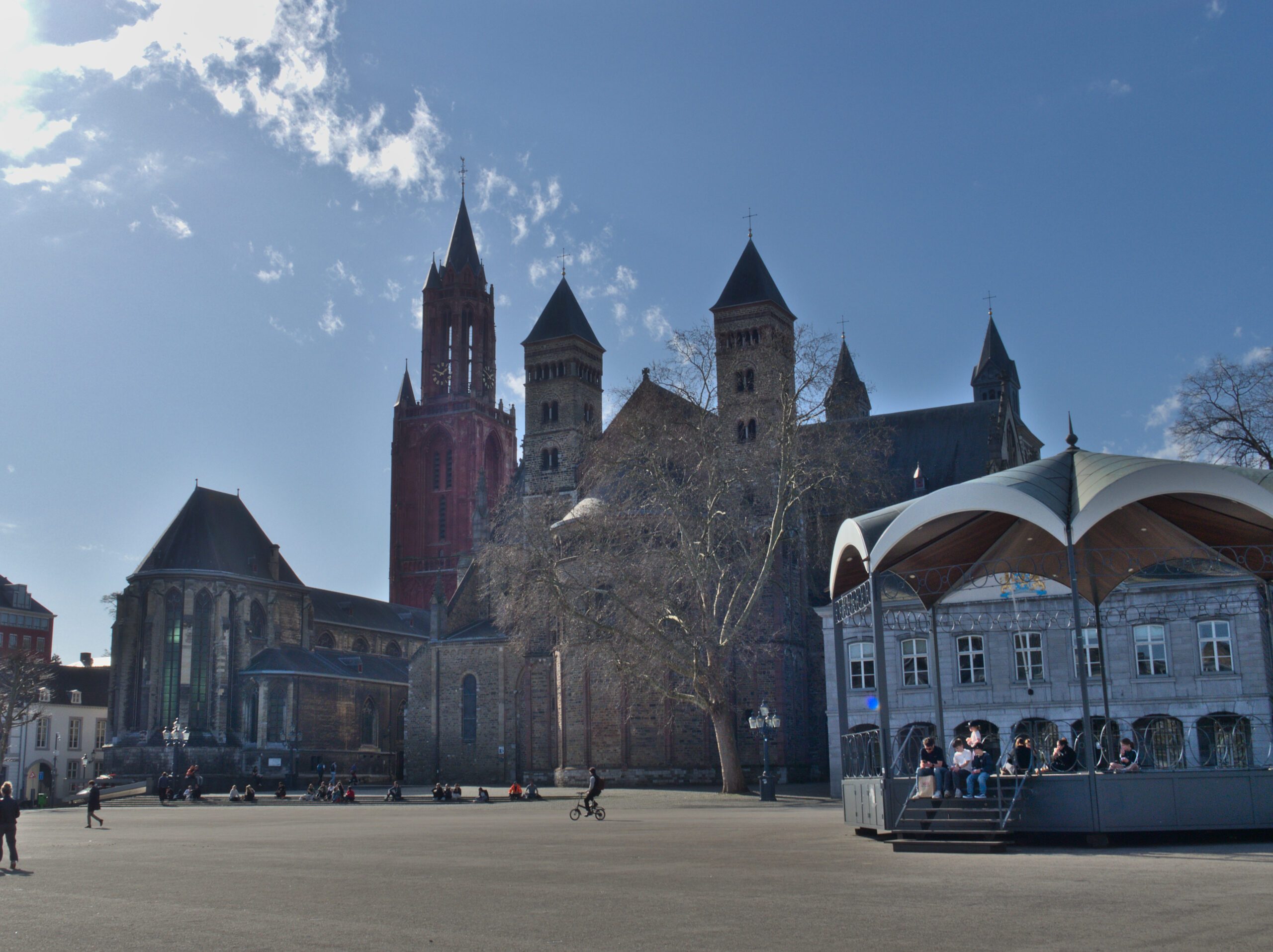
Dominating the Vrijthof is the majestic Basilica of Saint Servatius, a soaring architectural marvel built over the grave of Maastricht’s patron saint, Servatius, who is said to have died there in 384 AD. A modest stone church was initially erected over his sacred resting place in the 6th century, which has since been gradually expanded through the ages into the imposing structure visitors see today.
From the square, walkers can loop past the Basilica of Our Lady, Star of the Sea (Sterre der Zee), a deeply revered pilgrimage site that houses a famous wooden statue of Mary dating back to the 15th century. Continuing onward, pedestrians can pass beneath the imposing arch of the Helpoort, or Hell’s Gate, which proudly holds the title of the oldest standing city gate in the entire Netherlands.
Just beyond the gate lies the Stadspark, a lush green sanctuary where residents and students alike spread out blankets to bask in the sun and enjoy a relaxed afternoon. The park is adorned with numerous sculptures and art installations, offering a scenic pathway along the remnants of the ancient city walls. Among these historical markers is a statue dedicated to the legendary D’Artagnan, the leader of King Louis XIV’s elite corps of gentlemen. The fourth musketeer met his end in battle just outside the city during the French siege of Maastricht in 1673. In a fascinating recent development, archaeologists announced that they may have finally uncovered his long-lost skeletal remains buried beneath the floorboards of a nearby local church.
Venturing Underground Into History
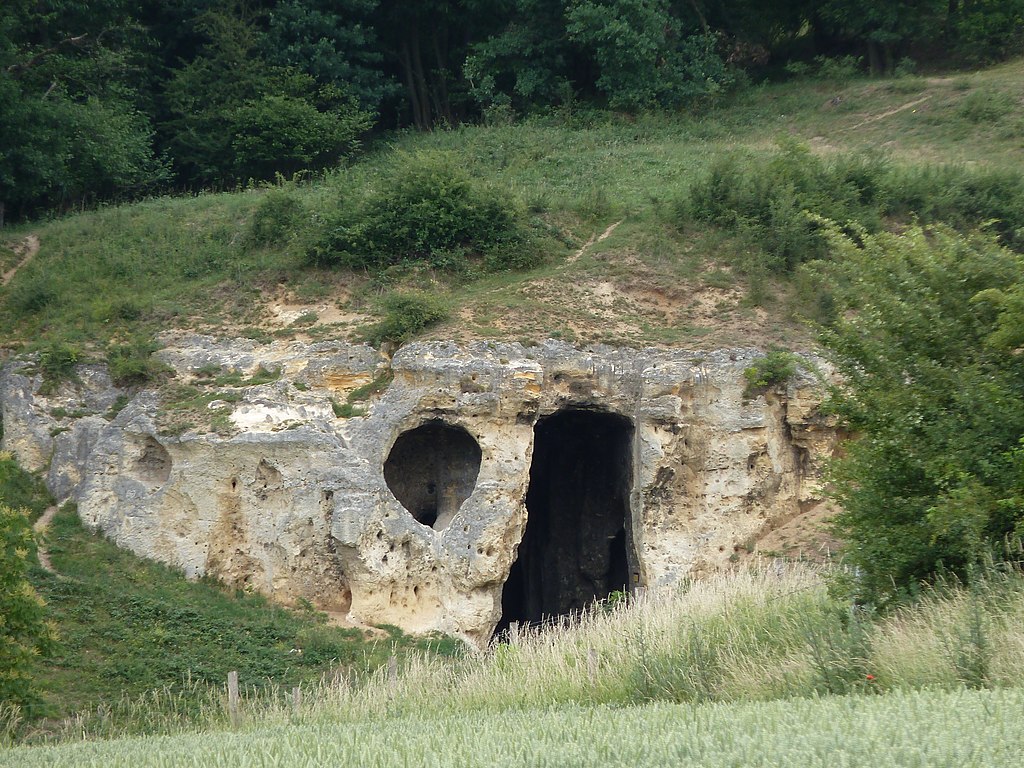
Those wishing to delve even deeper into the physical layers of history need only look beneath the city’s surface. Beneath Mount Saint Peter lies an intricate labyrinth of caves, which are actually vast limestone quarries dating back to the 13th century. During the dark days of World War II, these subterranean networks served a vital humanitarian and cultural purpose, acting as secure vaults to safeguard precious arms and priceless national treasures from advancing German forces. Among the masterpieces hidden safely in the limestone darkness was Rembrandt van Rijn’s monumental work, The Night Watch, which was carefully removed from its frame and rolled into a cylinder for protection.
In addition to the limestone quarries, visitors can explore the casemates, or kazematten, a network of underground defensive corridors running directly beneath the city. These military structures are uniquely preserved in Maastricht, as the high groundwater levels characteristic of the rest of the Netherlands make similar subterranean defensive works impossible to maintain elsewhere in the country.

Literary Landmarks and Retail Therapy
Maastricht’s architectural reuse is perhaps best exemplified by its renowned bookstores. The 700-year-old Dominicanenkerk boasts a remarkable history that mirrors the shifting fortunes of the region. Originally consecrated as a house of worship, the magnificent church building has over the centuries served as a warehouse, a municipal archive, a printing house, and even a storage facility for bicycles. During his invasion of the region in the 1790s, Napoleon famously utilized the sacred space to store military equipment and quarter troops. Following a comprehensive and sensitive restoration project in the mid-2000s, the historic structure was successfully converted into one of the most visually stunning bookstores in all of Europe. For bibliophiles seeking further literary exploration, De Tribune offers another exceptional destination, having earned the title of the best literary bookstore in the Netherlands in 2024.
Above ground, the city is a premier shopping destination, characterized by winding streets packed with independent boutiques, art galleries, and vintage shops. The Rechtstraat is particularly celebrated for its charming atmosphere and curated retail offerings. The city’s commercial rhythm is further accentuated by its vibrant weekly markets. On Wednesdays, locals gather for general wares, while Friday markets lean heavily toward clothing and fashion. On Saturdays, the streets transform into a treasure hunter’s paradise as hundreds of vendors converge for the city’s expansive antiques market.
Scaling the Dutch Heights and Borderlands
For travelers seeking a completely different perspective on the Dutch landscape, a short trip just outside the city limits leads to the highest point in the Netherlands. Rising to a modest height of just over 322 meters, the Vaalserberg might be considered a mere hill in countries blessed with alpine terrain, but within the context of the flat Netherlands, it proudly holds the status of a mountain.
The peak is also home to the Drielandenpunt, a unique geographical tripoint where the international borders of Belgium, Germany, and the Netherlands converge. Visitors who ascend the area’s lookout towers are rewarded with sweeping, panoramic views of the surrounding tri-border region, offering a tangible reminder of Maastricht’s deeply integrated European identity.
Culinary Traditions and Regional Delicacies
Gastronomy in Maastricht reflects its unique geographic position, heavily shaped by French and Belgian culinary traditions that have earned the city a reputation as a true food mecca. The undisputed monarch of local treats is Limburgse vlaai, a regional delicacy that defies simple categorization—being neither entirely a pie nor a standard pastry, but universally praised for its rich flavor. The historic bakery and cafe De Bisschopsmolen typically keeps no fewer than nine varieties of vlaai on its menu, and even offers interactive workshops for visitors eager to learn the art of baking the local specialty.
For those seeking a casual coffee or a refreshing local beer, the Onze Lieve Vrouweplein offers an inviting collection of outdoor cafes centered around a lively public square. Travelers looking for a more formal dining experience can visit L’Auberge, a refined restaurant situated within the former stables of Château Neercanne. Those desiring an even more exclusive meal can book a table at the château’s companion fine-dining establishment, or extend their stay by booking a room at the estate’s hotel.
For a scenic daytime excursion, cyclists can venture just outside the city center for lunch at Grand-Café Buitengoed Slavante. Situated on a historic country estate, the venue features a robust breakfast and lunch menu alongside peaceful walking paths across the surrounding grounds. Another popular culinary option within the city is Marres Kitchen, a hip dining spot located within the same building as the Marres House for Contemporary Culture, allowing patrons to seamlessly combine a contemporary art experience with a memorable meal.
Accommodations and Practical Travel Tips
When it comes to overnight stays, Maastricht caters to a variety of preferences and budgets. Travelers seeking a boutique hotel experience can turn to the Townhouse Hotel Maastricht, which also provides serviced apartments for visitors who prefer a home-like environment to enjoy their local pastries. For those seeking luxury, the Kruisherenhotel stands as the region’s only five-star hotel. Housed meticulously inside a 15th-century monastery near Kommelplein, the property features 60 guest rooms, each individually styled with unique contemporary art and decor. On the more affordable end, the EasyHotel offers a clean, straightforward, and budget-friendly lodging choice.
Arriving in the city is remarkably straightforward, with the regional train station delivering passengers practically to the edge of the city center, allowing travelers to walk into town along a beautifully landscaped boulevard. Rail journeys from Amsterdam take approximately three hours, while driving time is slightly shorter at roughly two and a half hours, depending on traffic conditions.
Visitors planning a trip should keep a few local rhythms in mind. Because Maastricht lies south of the great rivers, it sits deep within traditional Carnival territory, transforming dramatically during the pre-Lenten celebrations. Similarly, the immense popularity of André Rieu’s summer concert series draws thousands of international visitors, frequently creating high demand that makes securing hotel accommodations and parking spaces particularly challenging during those peak weeks.