





October 6, 2026 — Shepherds operating within the densely forested Veluwe region of the Netherlands have turned to a centuries-old, traditional solution in their ongoing struggle against rising predator pressures, enlisting specialized Italian mountain dogs to stand guard over vulnerable sheep flocks.
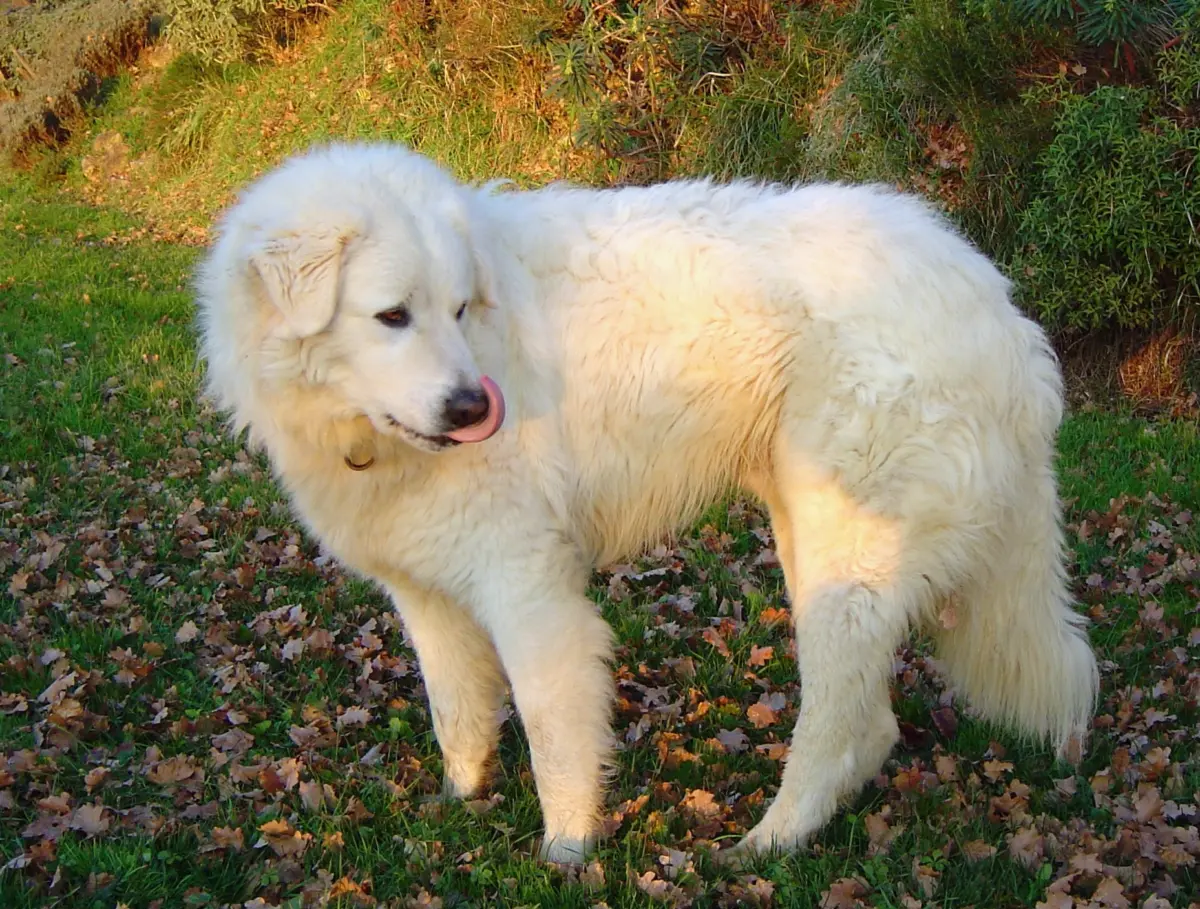
Stichting Schapedrift Ermelo, a dedicated volunteer-run organization that tends and manages a traditional flock of sheep grazing across the expansive heathlands of the central Dutch province of Gelderland, acquired two Maremmano-Abruzzese sheepdogs earlier this summer. The strategic addition of these large, white-haired guardian dogs represents an escalating effort to shield the local sheep population from an increasing number of prowling wolves that have re-established territories across the Dutch landscape.
The Veluwe region, characterized by its rolling heathlands, dense woodlands, and diverse wildlife habitats, currently hosts the highest concentration of wolves anywhere in the Netherlands. Since the apex predators officially returned to Dutch territory in 2019, following decades of absence, the local population has expanded significantly. Wildlife monitoring indicates that approximately seven distinct wolf packs now roam across a relatively compact area spanning roughly 1,000 square kilometers, bringing them into increasingly frequent proximity to livestock operations, rural communities, and managed natural landscapes.
For organizations like Stichting Schapedrift Ermelo, managing the daily safety of grazing herds has become an intricate and challenging balancing act. In response to the initial return of the predators, the volunteer foundation implemented extensive structural defenses, including the installation of towering, eight-foot electric fences designed to secure the main sheep enclosures and keep predators at bay during overnight hours. However, physical barriers alone have proven insufficient for the practical realities of pastoral farming. The sheep remain acutely vulnerable during the daytime hours when they must be actively driven across the open heathlands to perform essential conservation grazing, a method vital for maintaining the health and biodiversity of the Veluwe landscape.
The growing frequency of predator encounters has heightened anxiety among local agricultural workers and animal welfare advocates alike. Shepherd Marion Derks, speaking about the evolving situation in the region, highlighted the tangible shift in the local ecosystem and the immediate challenges faced by those working directly with the animals.
“We see an increasing threat from wolves,” shepherd Marion Derks told regional broadcaster Omroep Gelderland, describing the daily realities of managing the flock in an altered landscape. “And there are a few walking round here that were interested in the sheep.”
Faced with this persistent pressure, the foundation looked toward historical precedent for a sustainable and effective deterrent. The Maremmano-Abruzzese, an ancient Italian breed originating from the central regions of the Italian peninsula, has been utilized for centuries by pastoralists in the Apennine Mountains to defend livestock against large mammalian carnivores such as wolves and bears. These dogs are specifically bred and selected for their calm, non-aggressive temperament toward humans coupled with an intense, unwavering alertness regarding their assigned charges. Unlike herding dogs, which are trained to gather and drive livestock under human direction, livestock guardian dogs are raised to integrate directly into the flock, functioning independently as permanent members of the community.
Derks noted that the behavioral characteristics of the two newly acquired dogs make them exceptionally well-suited for the demanding environment of the Veluwe heathlands. Rather than displaying erratic or hyper-aggressive tendencies, the dogs maintain a watchful, measured presence until they perceive a genuine external threat to the flock.
“As soon as they see danger, you see their attitude change and they go into defensive mode,” Derks explained, detailing the physiological and behavioral transformation the dogs exhibit when confronted by potential intruders. “They make themselves bigger and more imposing and start barking.”
Crucially, the deployment of the Maremmano-Abruzzese dogs is not intended to spark violent physical confrontations with wolves or other predators. Shepherd operations and wildlife specialists emphasize that the primary objective of employing the guardian dogs is deterrence and prevention, keeping potential predators at a safe distance through sheer presence and vocal warning signals rather than engaging in direct combat that could result in injury to the dogs, the livestock, or the protected wildlife.
“Their presence is meant to stop the wolves approaching,” Derks explained, outlining the strategic deterrent effect the animals provide in the open field. “Wolves will take easy prey, but if they think it’s going to be too difficult, they’ll look for something else.”