




As the fall watch auction season swings into full gear, collectors and industry insiders alike are finding themselves trying to decode a market that feels increasingly difficult to predict. The autumn season kicked off with a historic bang in Hong Kong, where Sotheby’s oversaw the sale of a rare and unique white-gold Cartier Cheich for a staggering $3.4 million. The blockbuster result set a new benchmark, making it not only the most expensive Cartier ever sold but also the most expensive quartz watch in history. Yet, weeks after that milestone, making sense of broader valuation trends—both at retail and on the secondary market—remains a formidable challenge for even the most seasoned market watchers.

What The Heck Is Going On With The Market?
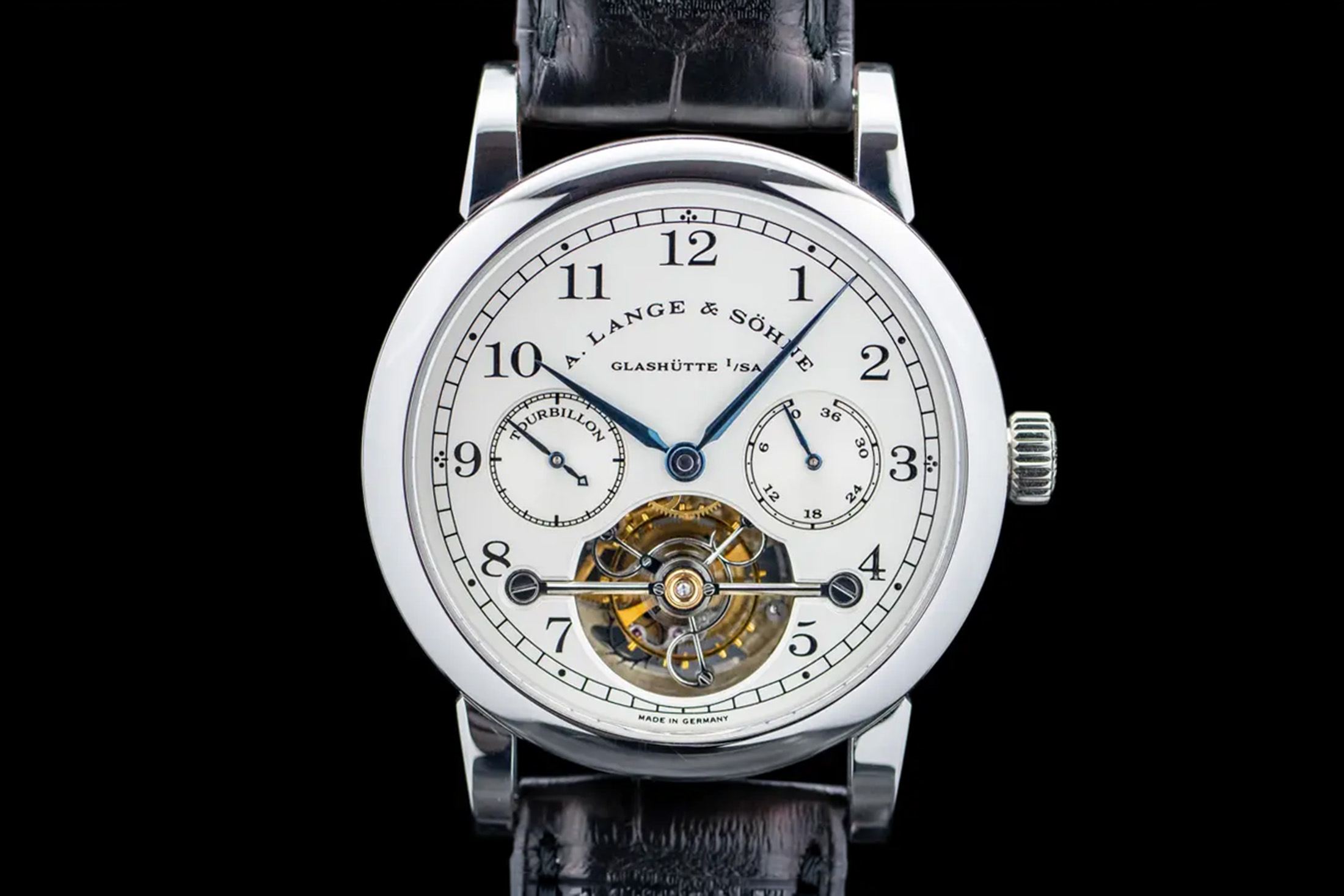
Heading into the thick of the autumn auction calendar, predicting where hammer prices will ultimately land has become an exercise in uncertainty. Most industry prognosticators would argue that the market must be nearing the absolute height of the valuation bubble for blue-chip independent makers like F.P. Journe and A. Lange & Söhne. And yet, anomalies continue to surface. A historically important piece from a traditional brand that was considered underpriced nearly a decade ago can suddenly reappear on the private market asking double its previous valuation, pushing firmly into seven-figure territory.
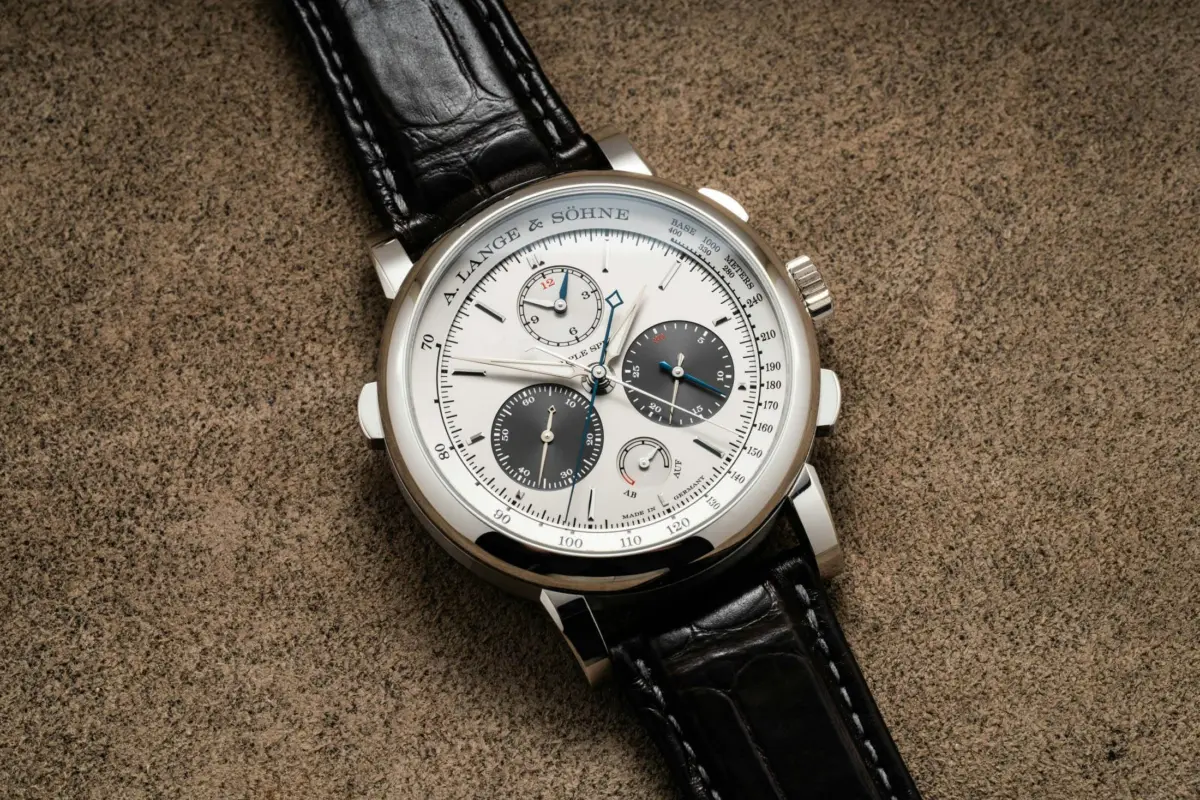
This tension has sparked spirited public debates across newsletters and digital commentary platforms—such as the recent discussions between Langepedia and dealer Alfredo Paramico—concerning whether the staggering rise of A. Lange & Söhne is driven by tangible data regarding true rarity, or if buyers are simply getting swept up in marketing hype and aggressive bidding designed to defend a market where many dealers have heavy financial stakes. When a Lange Tourbillon Pour le Mérite commands an asking price north of $1 million—despite lingering for months—after having been a tough sell at $400,000 just two years prior, eyebrows naturally raise. Similar pricing gymnastics have been observed with Wellendorf bracelets, which shifted from being nearly impossible to source to suddenly plentiful at prices reaching several hundred thousand dollars.
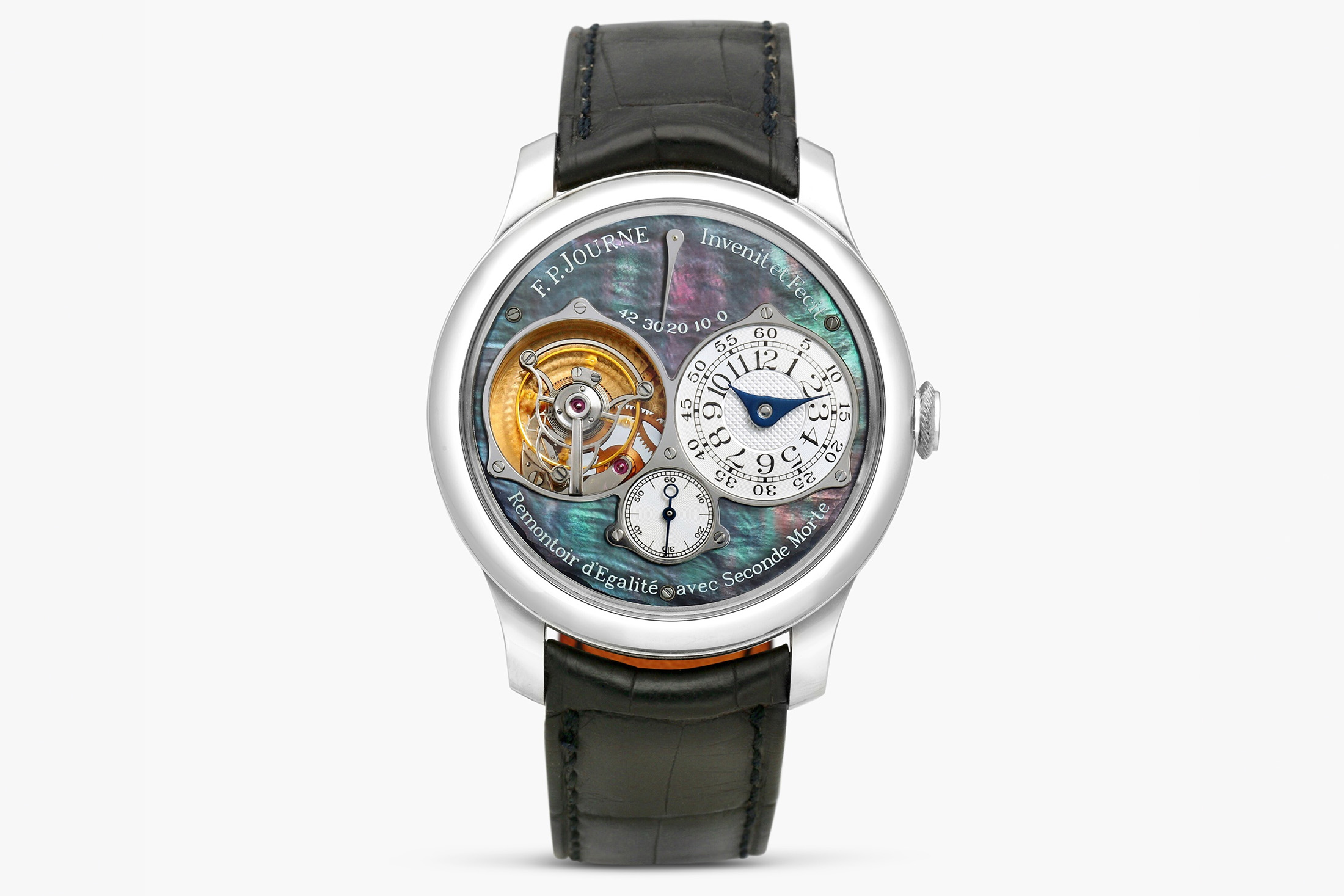
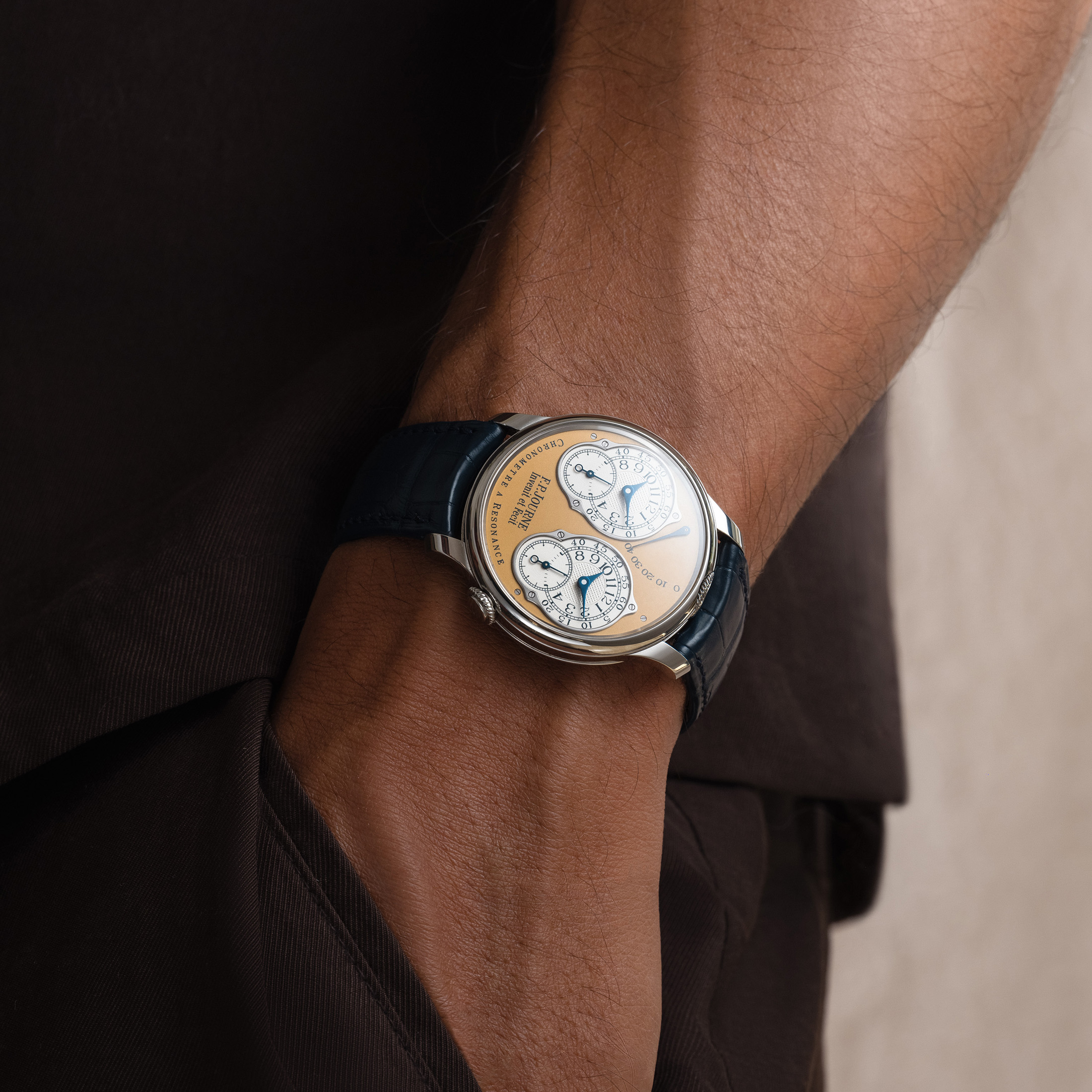
A similar phenomenon surrounds the superlatives often attached to F.P. Journe pieces. A high-profile claim of a "possibly first" pre-Souscription Resonance ultimately required public clarification and walked back by Phillips after Journe himself weighed in on the semantics of delivery versus production timelines. Meanwhile, remarkable mother-of-pearl Journe dials at Sotheby’s failed to reach expected heights once magnified photographs revealed hairline cracks across the delicate material, leading some dealers to argue that buyers who overcommitted were left holding an expensive bag.
For prospective buyers, the operative watchword remains caveat emptor. The consensus among seasoned collectors is straightforward: one should pay what a timepiece is genuinely worth to their own personal collection, rather than chasing inflated market sentiment. If the watch left on your wrist at the end of the day is something you deeply love, the transaction is a success. If it is treated purely as a speculative financial asset in a volatile market, caution is certainly warranted. Fortunately, despite the macroeconomic noise, several compelling upcoming sales feature extraordinary horology well worth attention.
Marteau & Co. Is Back With “The Encore,” Open for Bidding Oct. 8 to 15
The contemporary auction landscape generally favors one of two distinct strategies: flooding the catalog with hundreds of lots to cast a wide net, or executing a tight, highly curated selection of 100 to 150 pieces where individual items can truly shine. Marteau & Co. has taken this curation philosophy to an extreme with its upcoming sale, "The Encore," presenting a tightly edited roster of roughly 40 watches where nearly every single lot possesses enough historical and mechanical significance to warrant its own standalone feature.
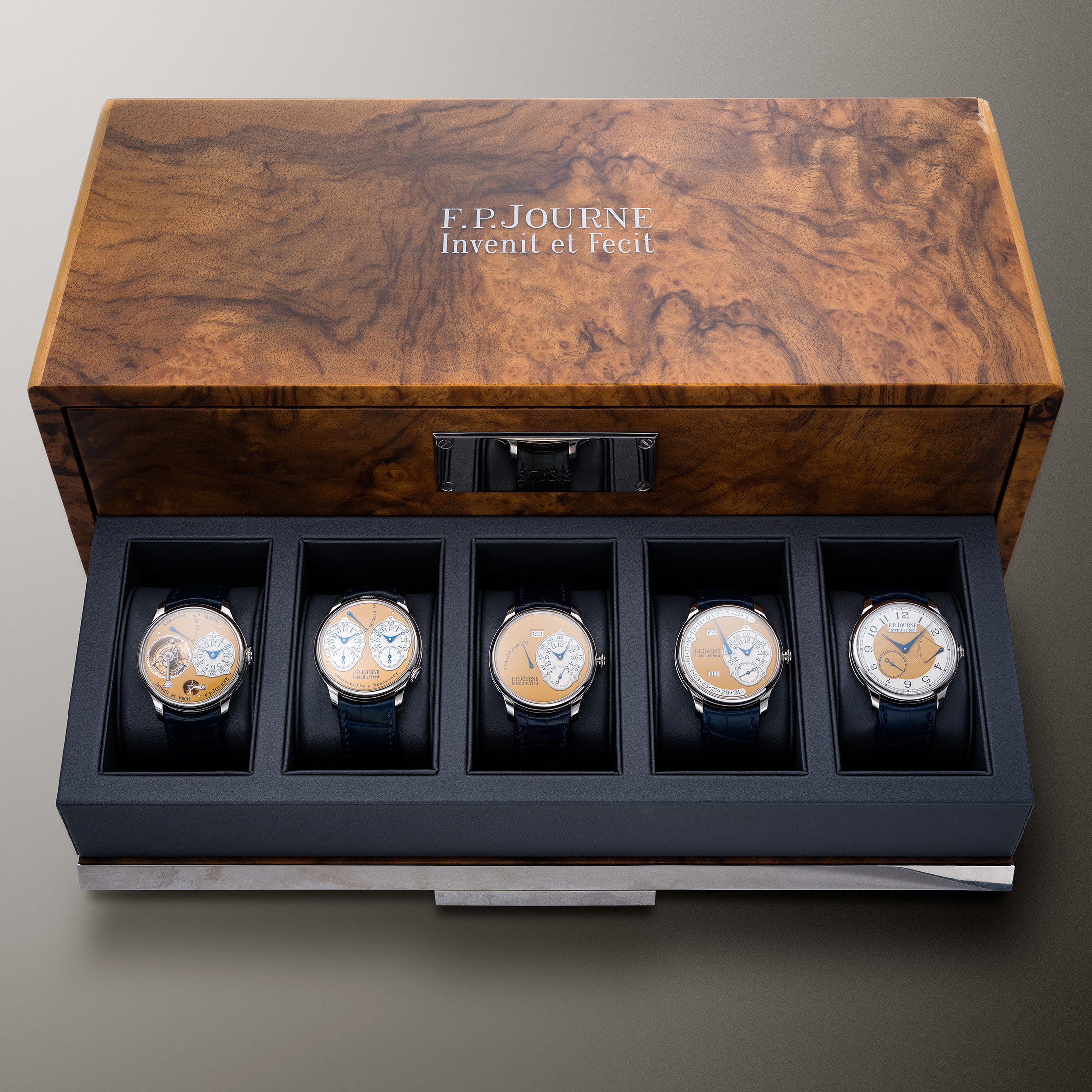
The elephant in the room—or rather, the collection of five of them—is the inclusion of a complete steel set of F.P. Journe watches, complete with their original presentation box, partitioned across individual lots. Marking the first time set number 37 has ever appeared at public auction, the timing could hardly be better if the market is indeed maintaining upward momentum. For those unfamiliar with this legendary ensemble, the set comprises 38mm steel iterations of Journe’s iconic Tourbillon Souverain, Resonance, Octa Calendrier, Réserve de Marche, and Chronomètre Souverain, all paired with matching gold dials. A complete set previously changed hands for roughly $3 million, while a single Resonance was quietly offered privately for $650,000 prior to the recent market uptick.
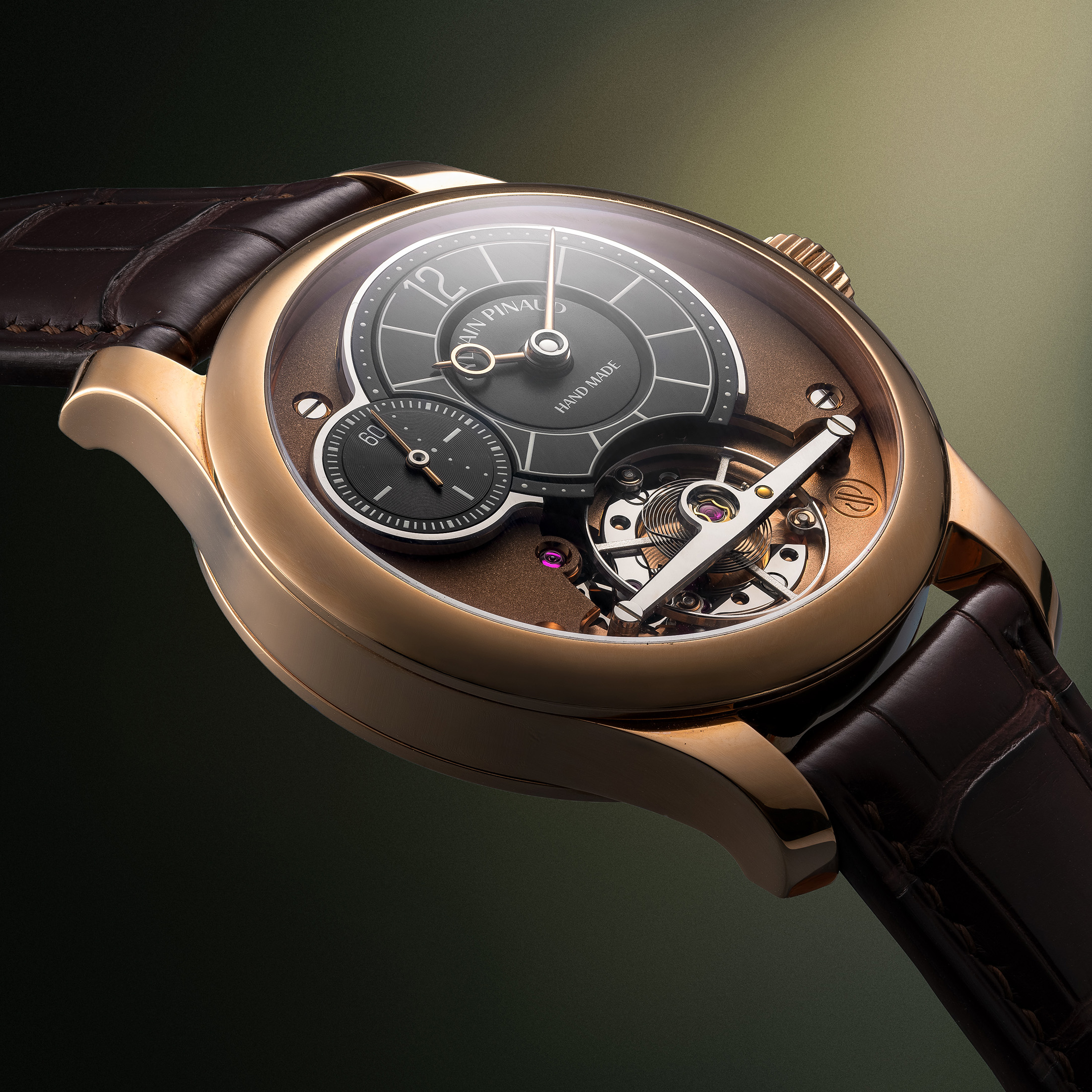
Independent watchmaking is heavily represented throughout the rest of the Marteau catalog, highlighting makers currently enjoying surging momentum. Sylvain Pinaud, whose recent tourbillon creations have drawn intense acclaim and rapidly sold out, contributes a stunning Piece Unique Origine in rose gold, carrying a pre-sale estimate of CHF 80,000 to 160,000. Another highlight is Yosuke Sekiguchi’s unique Primevere. The Japanese-born, Swiss-based artisan has previously drawn critical praise for his meticulous craftsmanship, and his inclusion points to a broader industry trend of collectors shifting attention from major independent houses to equally talented independent watchmakers who have yet to reach mainstream mainstream saturation.
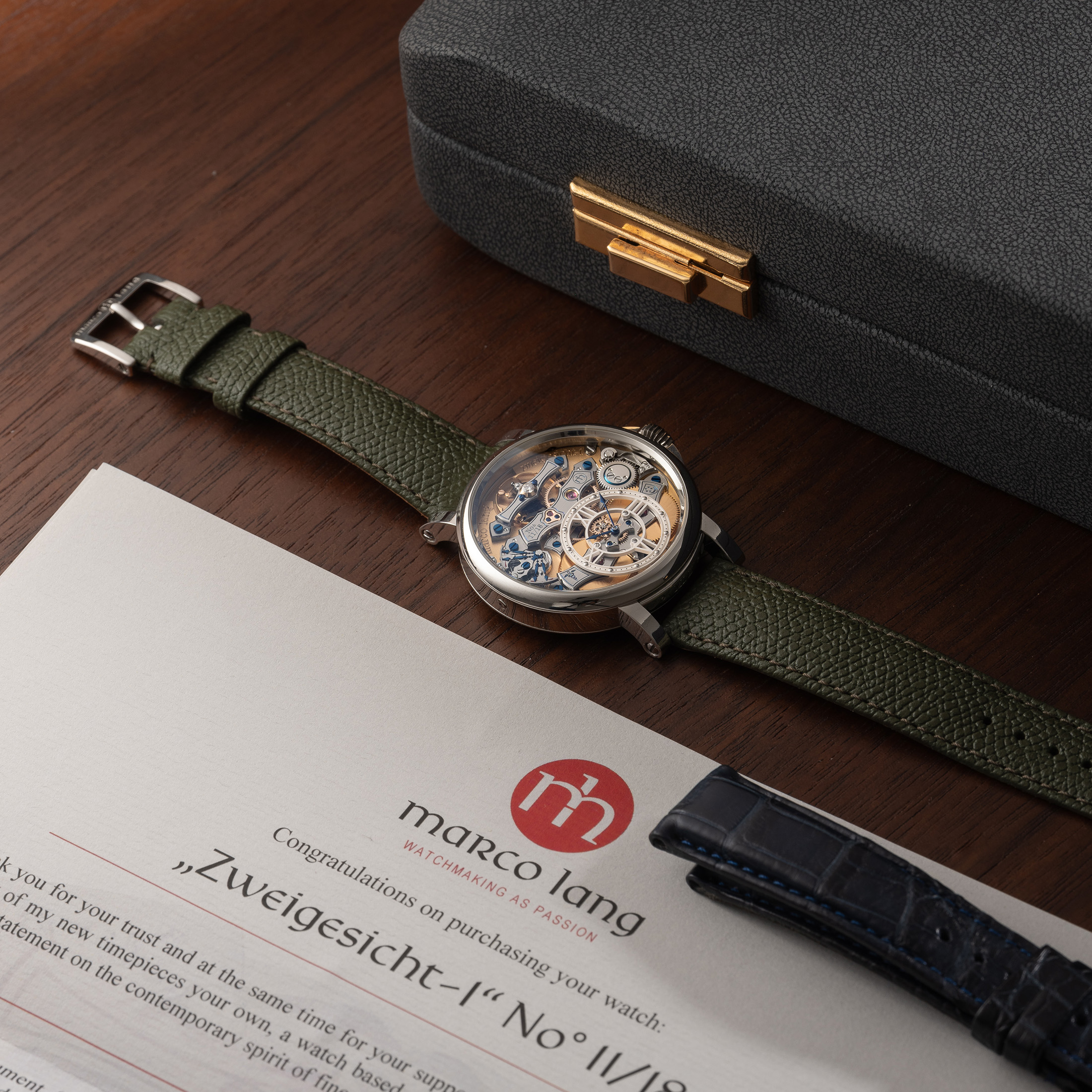
The catalog also features pieces from Ludovic Ballouard, whose Half Time model steps into the spotlight alongside Marco Lang’s Zweigesicht-1. While Ballouard is widely recognized by independent collectors primarily for his Upside Down complications, the Half Time offers a fresh mechanical showcase. Meanwhile, Marco Lang’s independent brand—distinct from Lang & Heyne, the historic firm he founded in 2001 and departed in 2019—makes its auction debut with the Zweigesicht-1. Carrying an ambitious pre-sale estimate of CHF 200,000 to 400,000, the watch showcases exceptional independent finishing that could help secure vital secondary-market momentum for the maker.
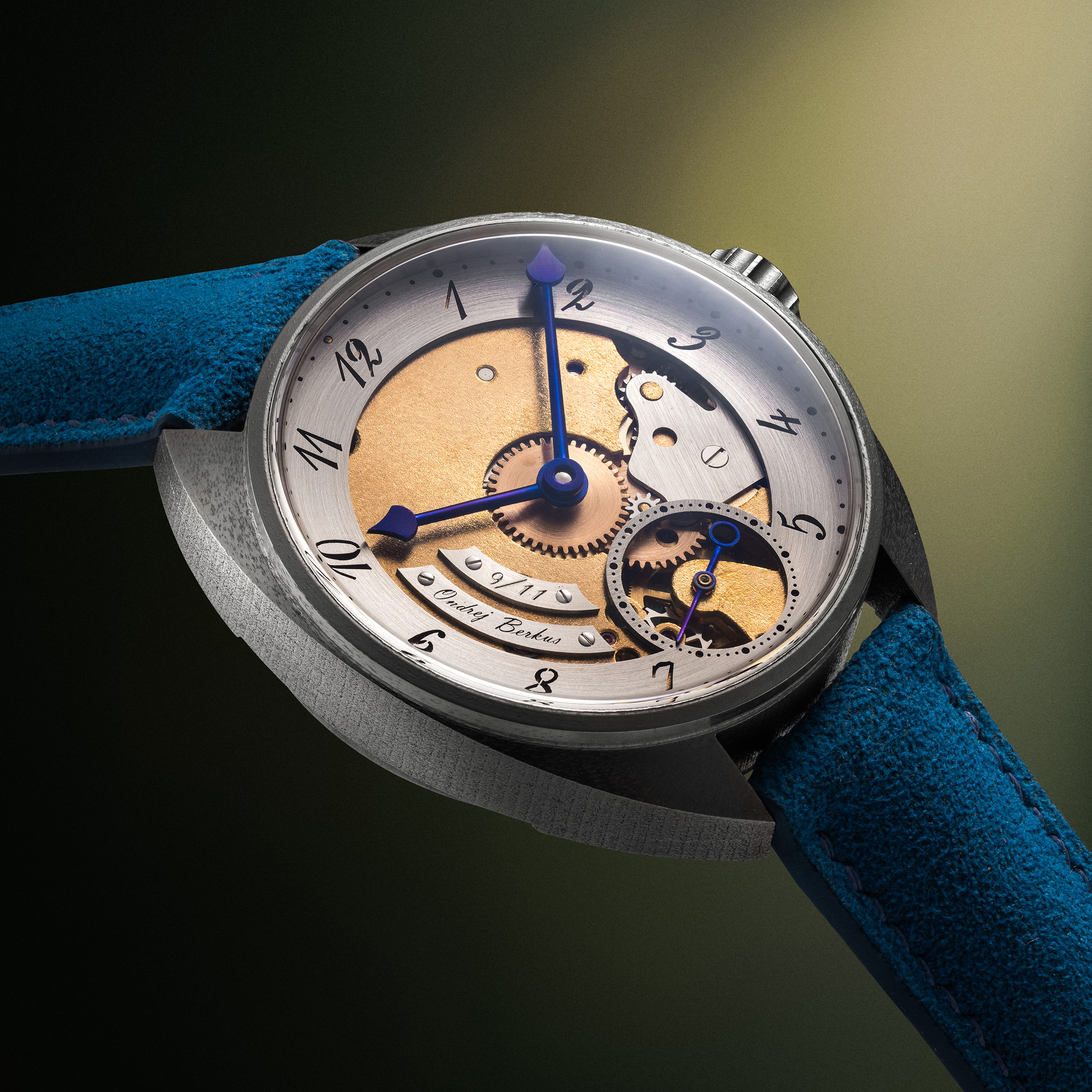
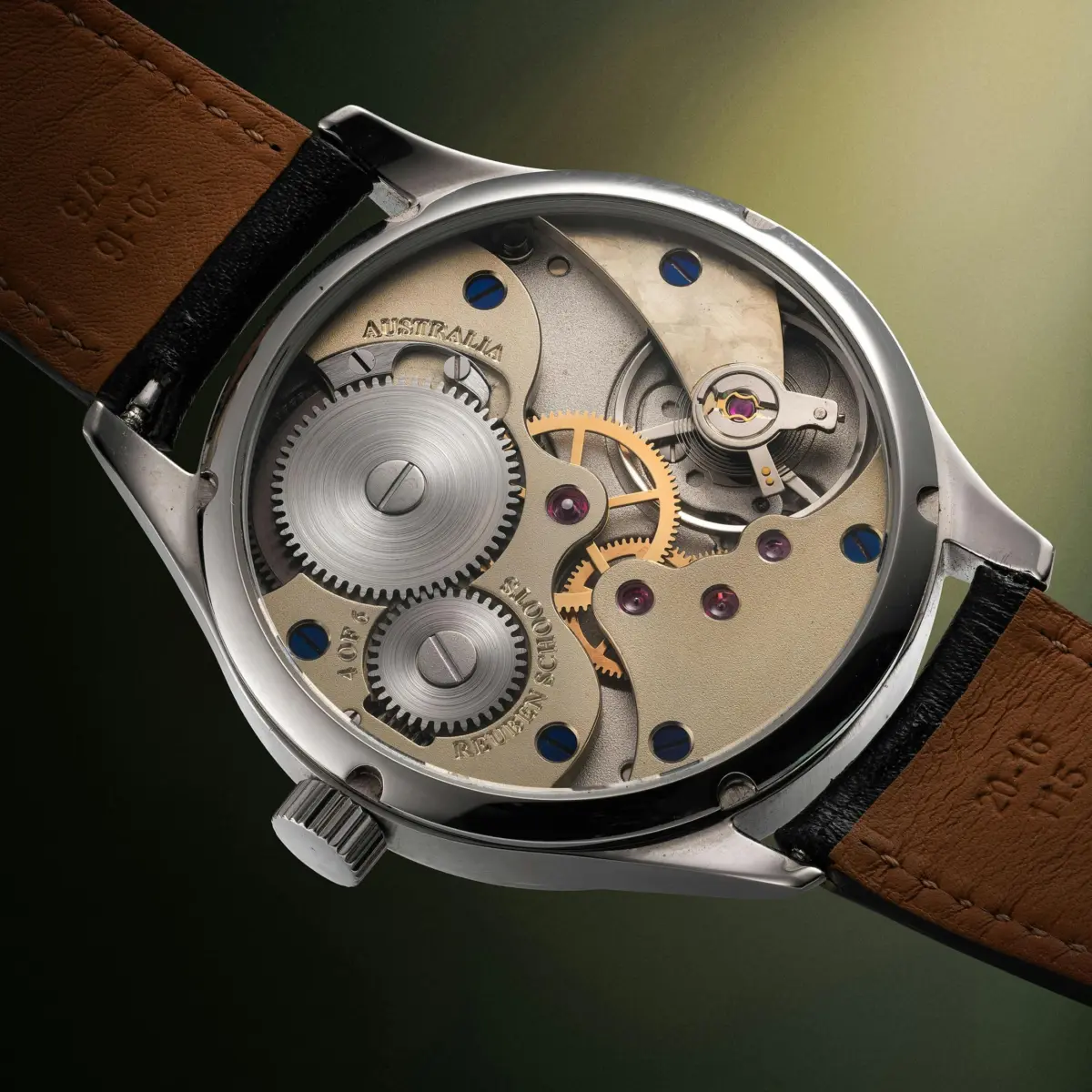
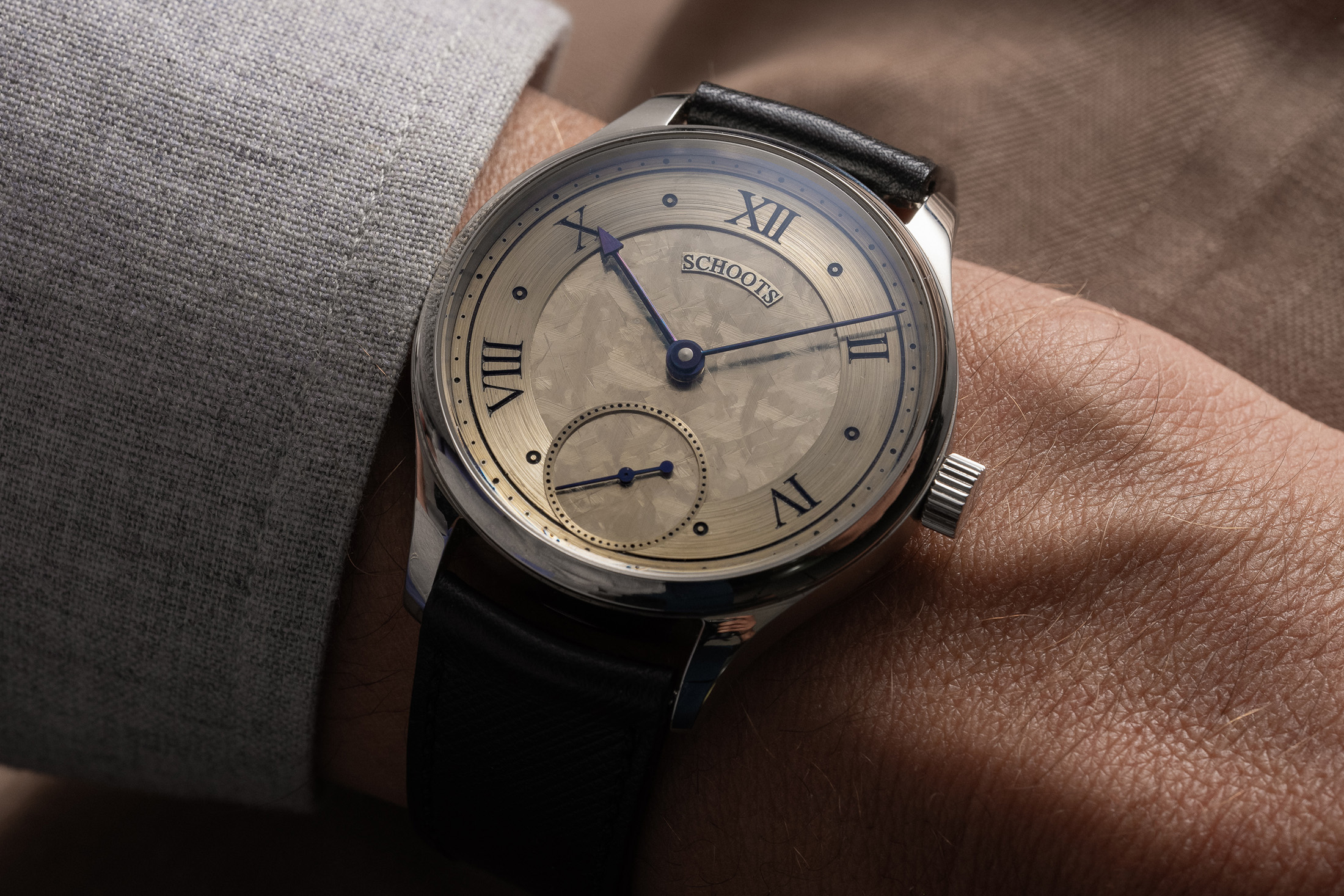
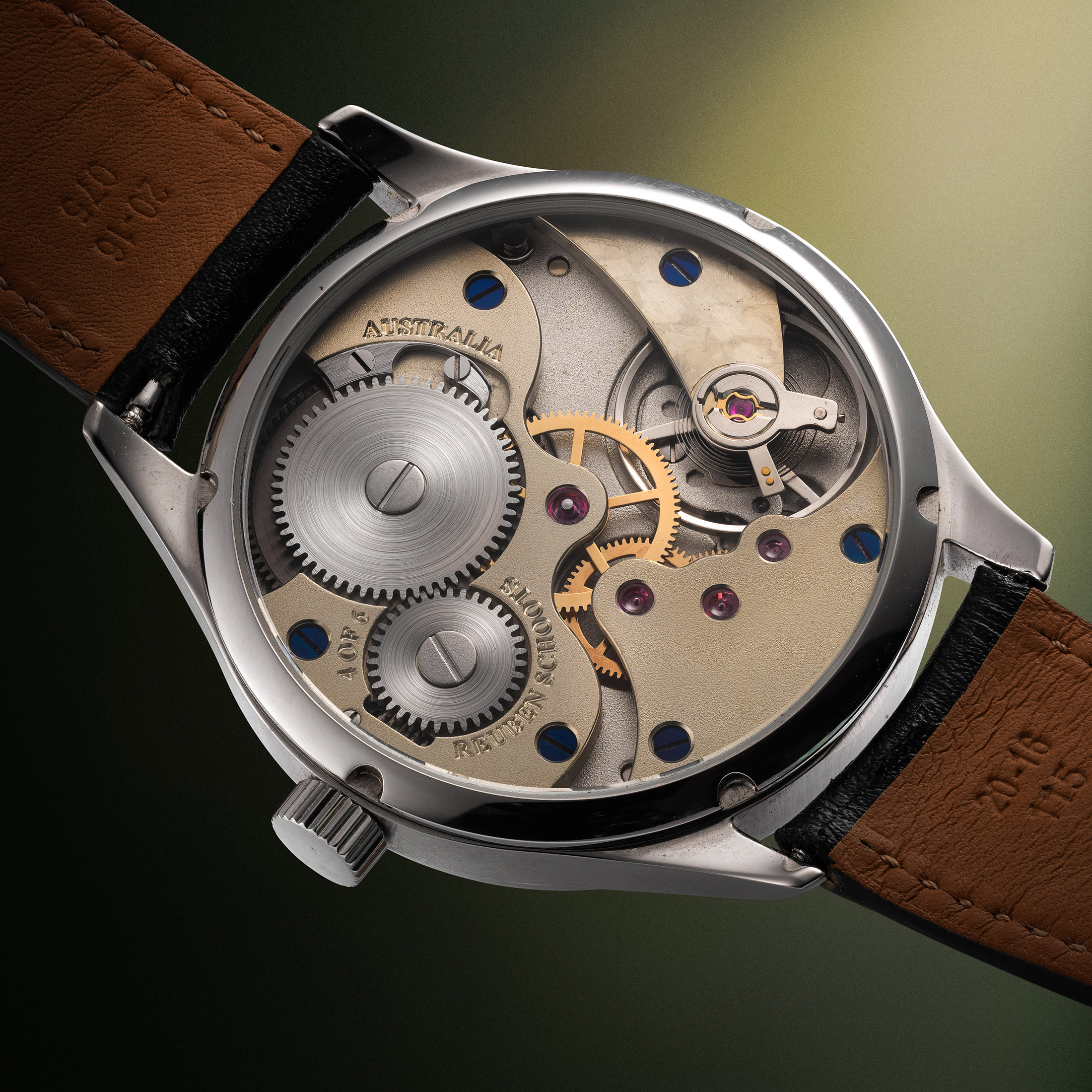
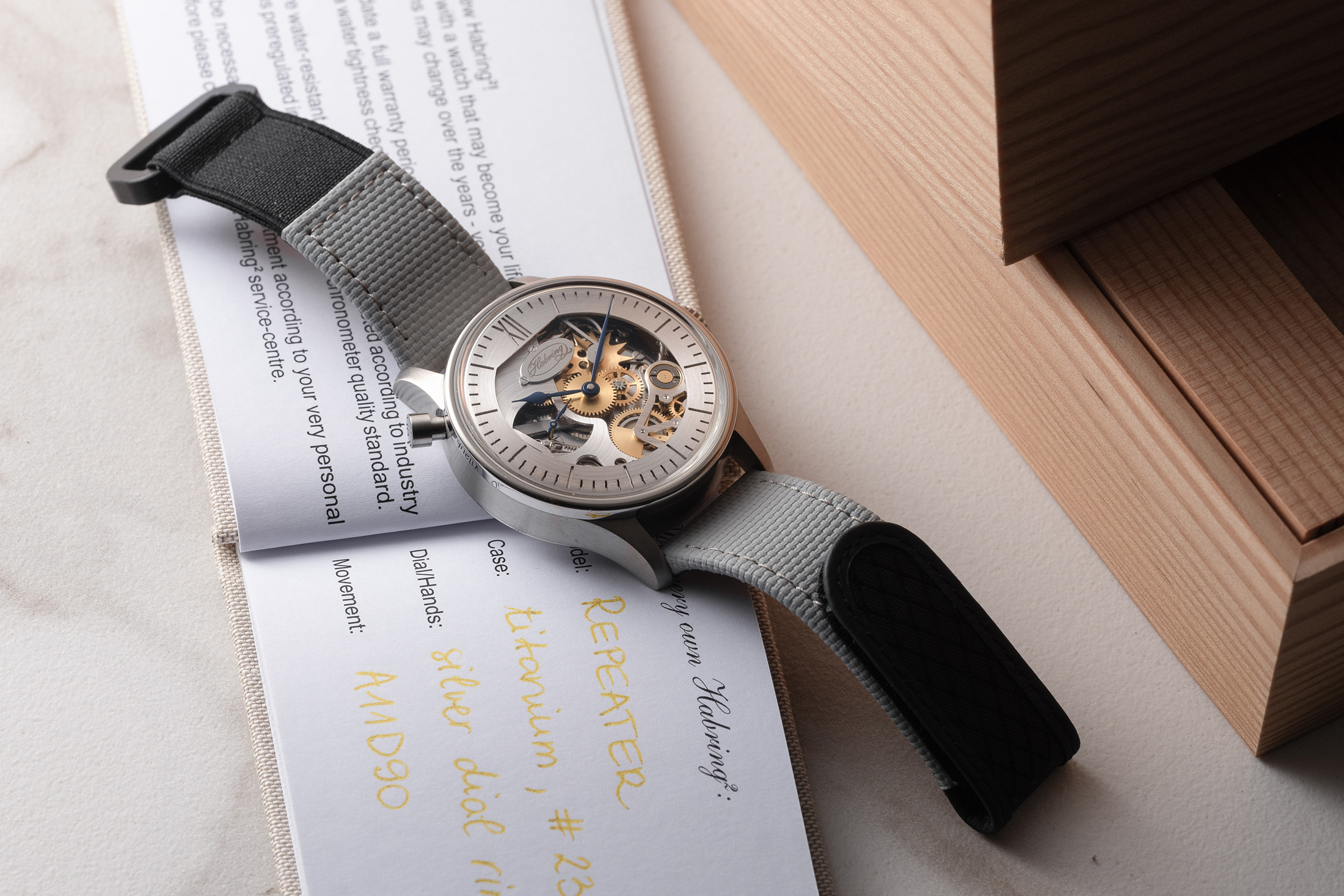
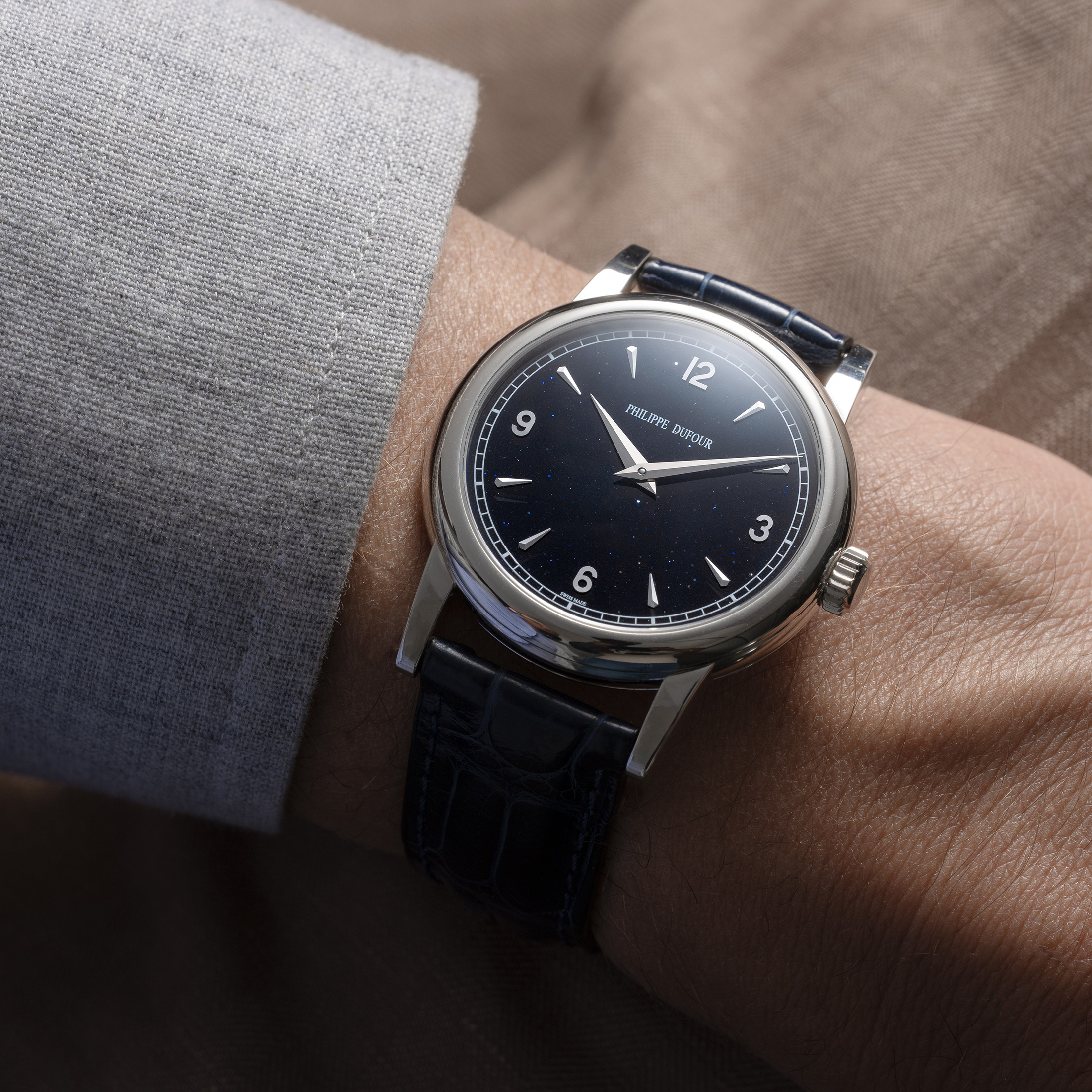
More accessible price points are represented by self-taught artisans such as Reuben Schoots and Ondrej Berkus, both working in highly individual aesthetic idioms. Habring2 contributes an intriguing Five Minute Repeater featuring a skeletonized dial that breaks from the brand’s traditional design language, while a unique offering from J.N. Shapiro is widely expected to push well beyond its CHF 16,000 high estimate. Early examples like Michiel Holthinrich’s Ornament and pieces from Kurono Tokyo round out the diverse offerings. For collectors seeking even more rarities, Marteau has already slated an October auction titled "The Blue Print," which will feature a unique Philippe Dufour Simplicity with an aventurine dial previously earmarked for charity.
Antiquorum is Back in the New York Groove
More than a decade has passed since the pioneering watch-only auction house Antiquorum hosted a live sale in New York City. While Geneva remains the undisputed epicenter of major horological auctions, the house is making its long-awaited return to Manhattan with an October 18 sale hosted at The Ned Nomad, featuring a concise and punchy catalog of 157 lots.
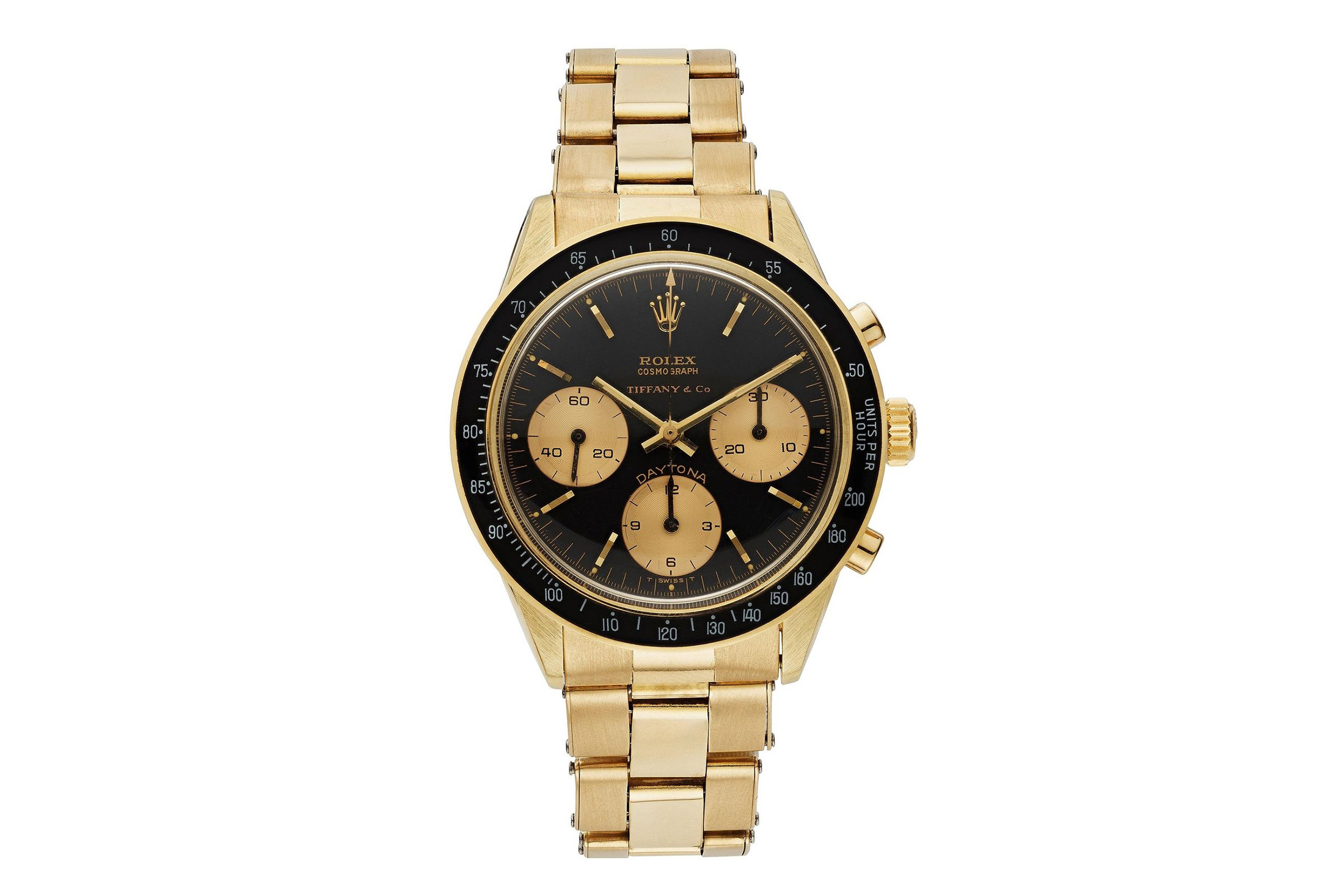
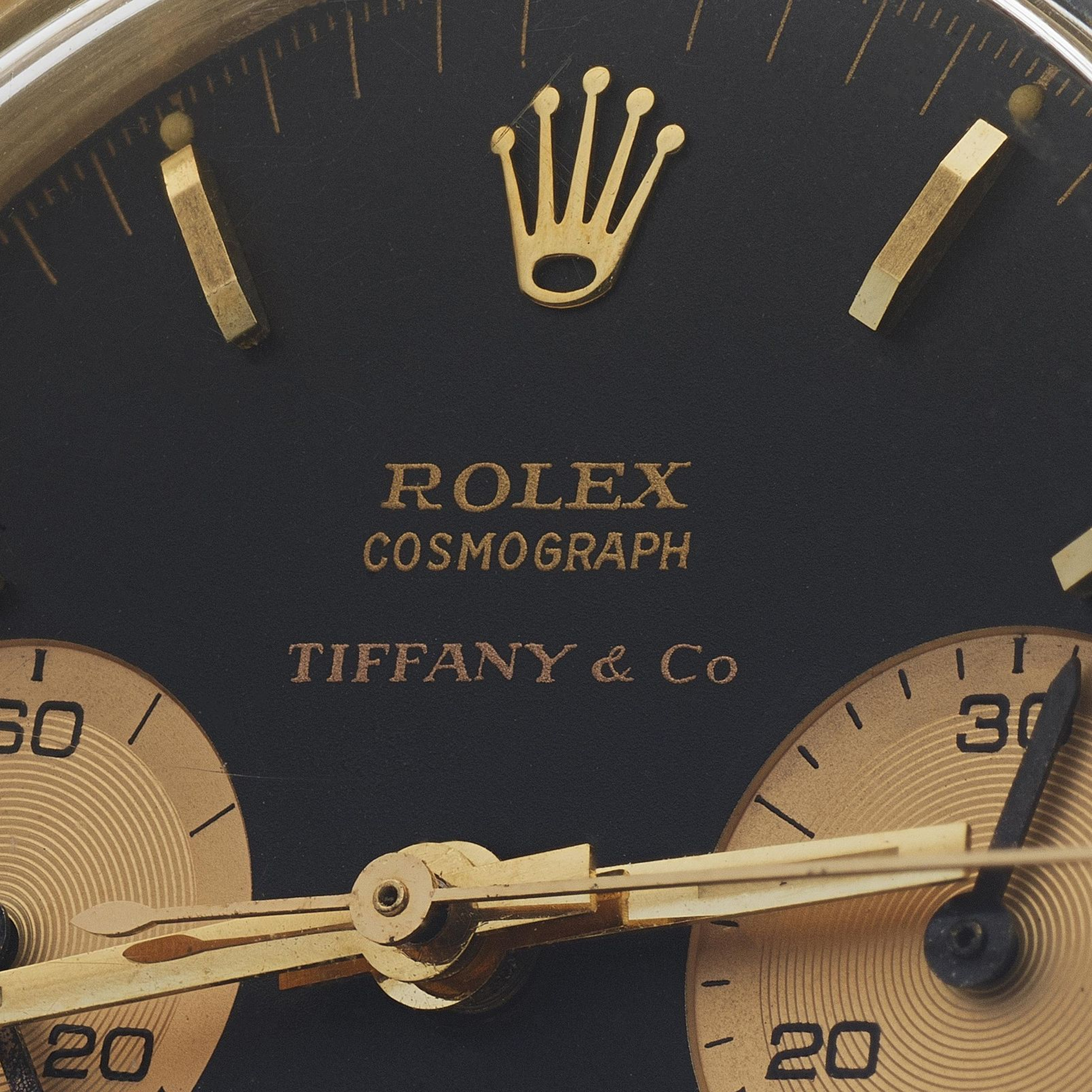
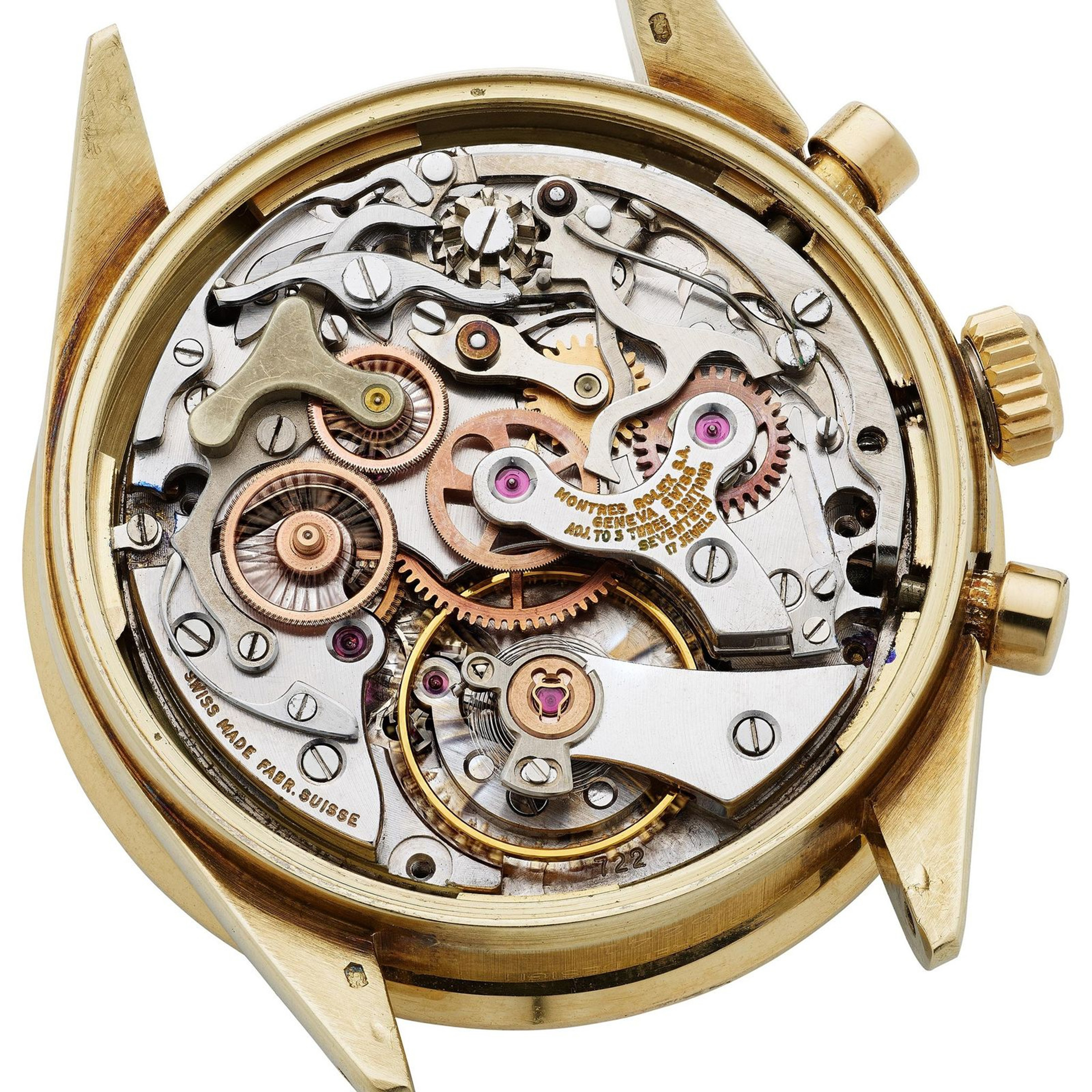
In a slight break from traditional auction sequencing, the sale opens with books, ephemera, and historical documents rather than headline-grabbing watches. Once the horological lots commence, however, the catalog moves swiftly into heavy-hitting vintage territory, highlighted by a classic Comex Submariner and a Tiffany-signed 14-karat yellow gold Rolex Daytona ref. 6241. While the combination of a solid gold case and a prominent U.S. market retailer is historically appropriate, the current climate of heightened scrutiny on double-signed dials naturally prompts collectors to inspect every detail with intense care.
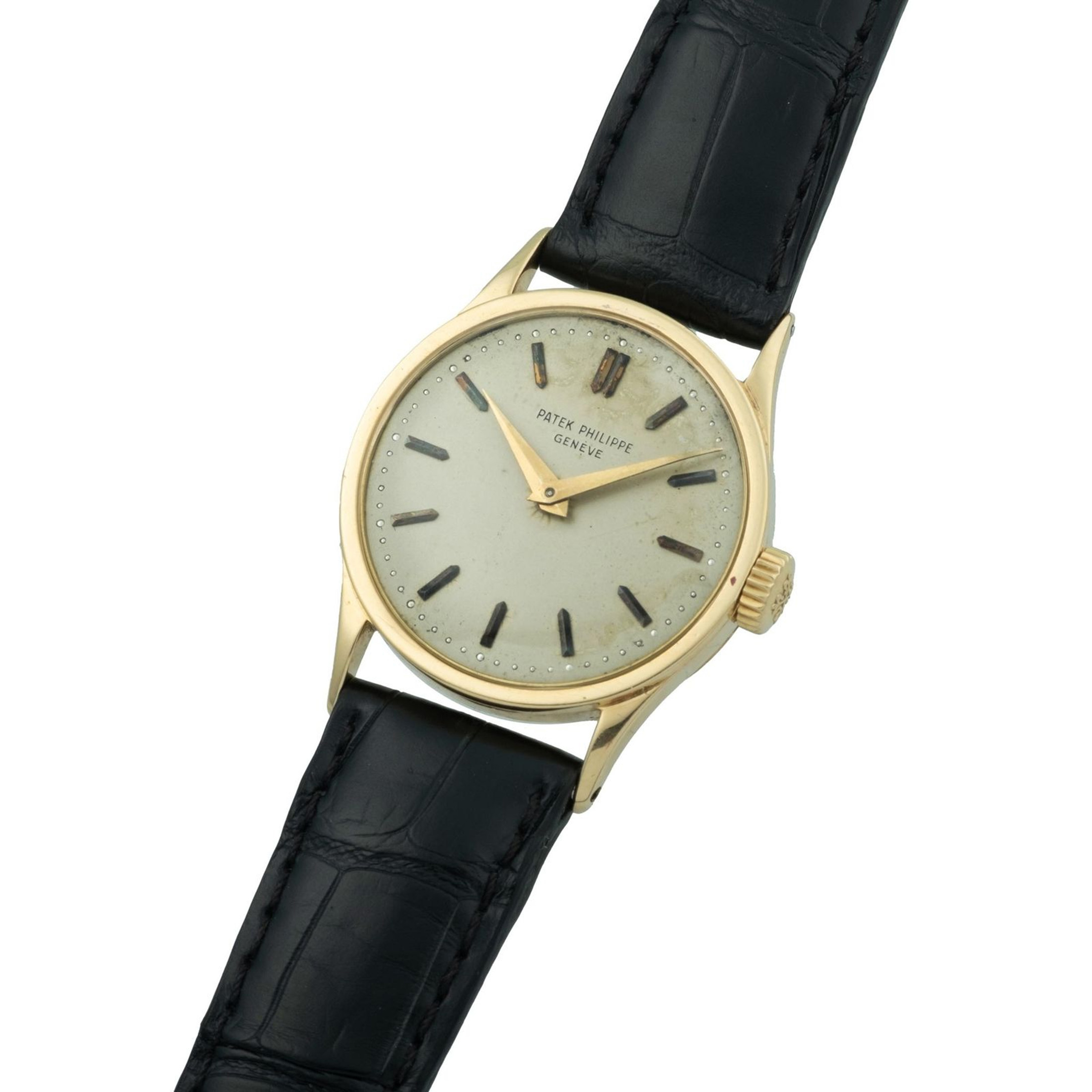
Patek Philippe’s reference 96 has experienced a significant resurgence in popularity over recent years, prompting Antiquorum to bring a potentially unique example to the New York stage. Featuring characteristics tracing back to an early 1932 first-year production run, the watch carries an archival asterisk because the factory records do not explicitly detail this specific dial configuration. As discussions with factory archive directors often reveal, understanding how and when unique production configurations are formally documented remains a complex puzzle, leaving the ultimate evaluation to the buyer’s expert instincts.
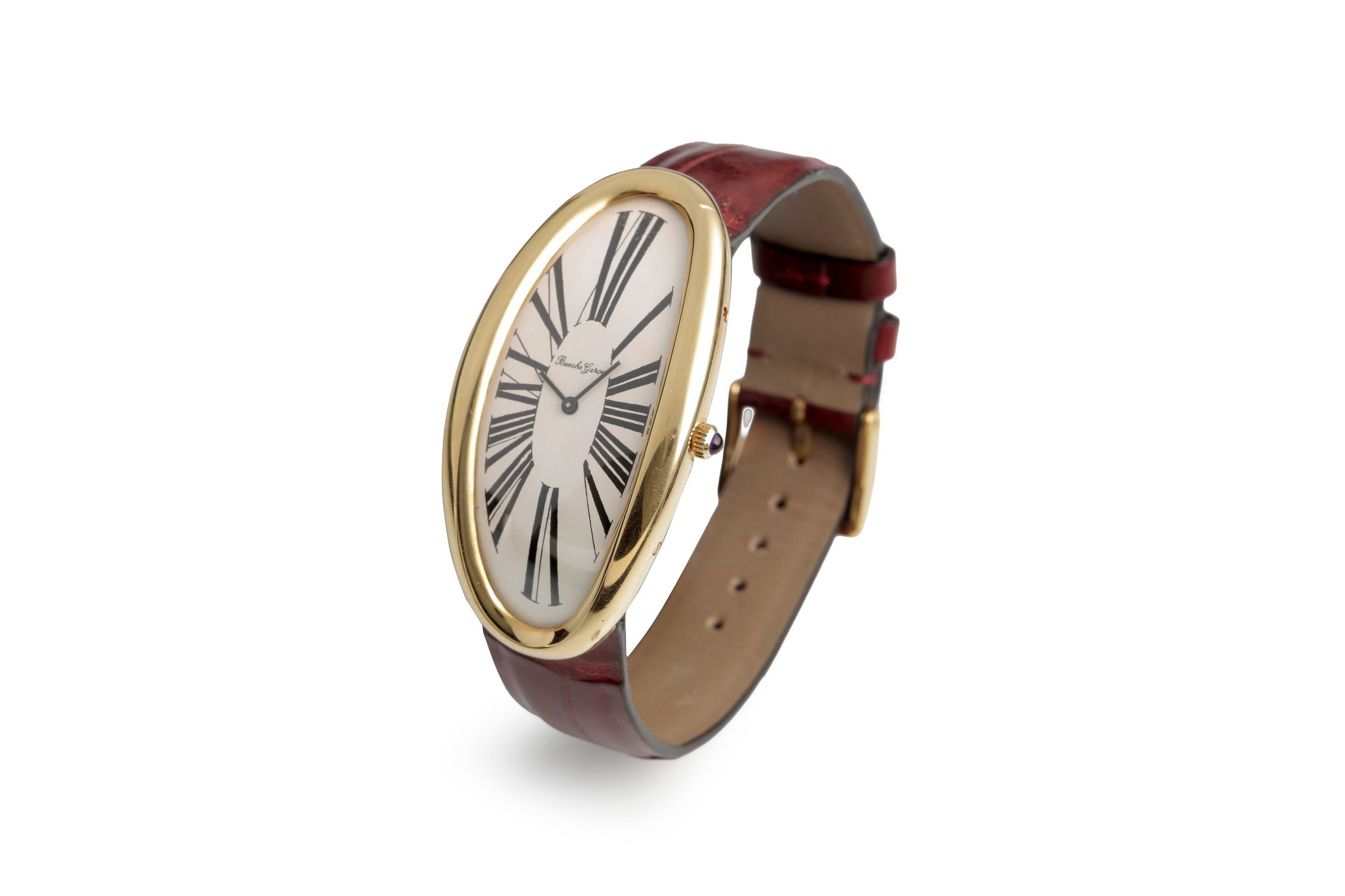
Later in the catalog, two special-order Cartier Crash timepieces are poised to generate competitive bidding. An extraordinary variant featuring a grey fumé dial stands out as particularly unusual, with both examples carrying estimates between $400,000 and $600,000 that align with Cartier’s robust market momentum. A Bueche-Girod lot bearing a striking resemblance to the Cartier Maxi Oval also appears, carrying an estimate of $15,000 to $30,000—a reminder of an era when such eccentric designs commanded much more modest sums.
The modern section of the sale spans contemporary Rolex, Harry Winston, Hublot, IWC, Franck Muller, and Roger Dubuis pieces, alongside a Patek Philippe reference 5102 Celestial. A rainbow-set Streamliner Tourbillon from H. Moser & Cie. also features prominently in the lineup, offering a vibrant aesthetic tailored to contemporary tastes.
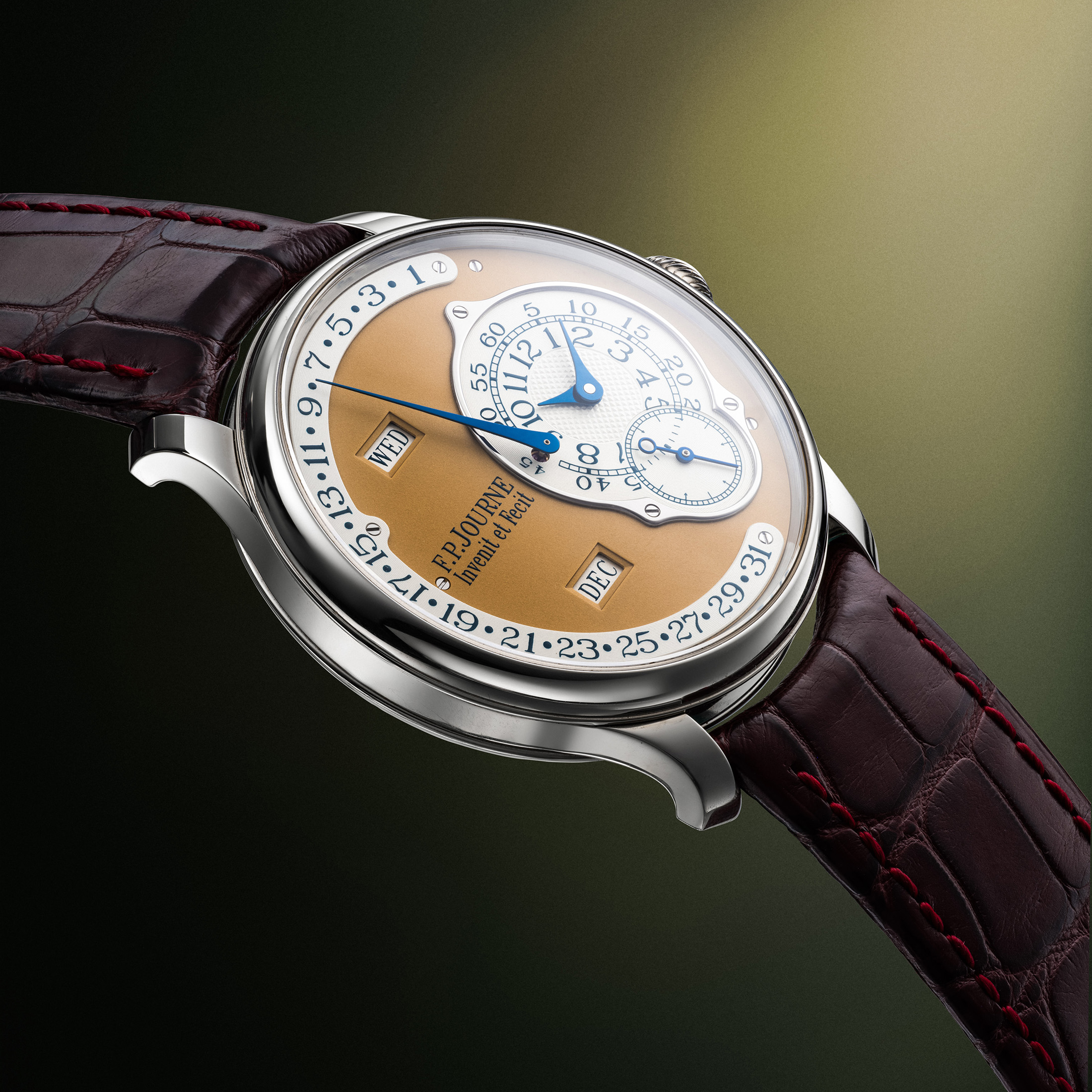
Towards the closing lots, the sale features notable F.P. Journe pieces, including a Vagabondage II starting at $500,000 and a Black Label Tourbillon Vertical starting at $800,000. However, the lot that arguably commands the most appreciation for traditional watchmaking is a magnificent Vacheron Constantin reference 30020 Les Complications. Crafted in a modest 37mm platinum case with elegant teardrop lugs, the 1994 masterwork packs a perpetual calendar and a minute repeater into a remarkably well-balanced movement. Estimated between $200,000 and $400,000, the piece exemplifies the kind of historic independent and traditional complication mastery where Antiquorum continues to demonstrate its core strengths.