






October 6, 2026 — Shepherds operating within the forested Veluwe region of the Netherlands have turned to a centuries-old tradition to counter a modern challenge, deploying Italian mountain dogs to safeguard their flocks from an increasing number of predatory wolf attacks.
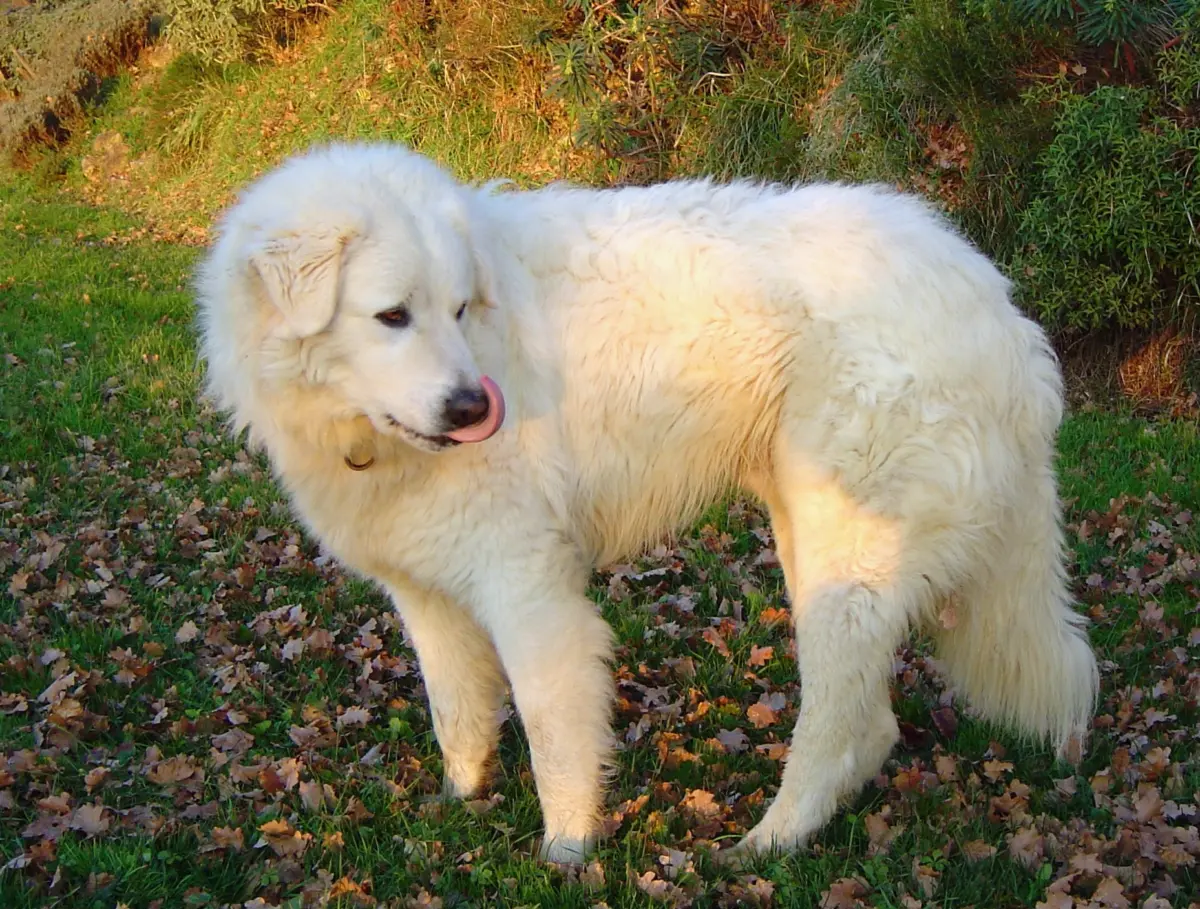
Stichting Schapedrift Ermelo, a dedicated volunteer-run organization that tends a roaming flock of sheep across the expansive heathlands of the central Gelderland province, acquired two Maremmano-Abruzzese sheepdogs this past summer. The introduction of these specialized guardians represents a significant escalation in defensive measures as local agricultural communities grapple with the realities of sharing a landscape with a thriving apex predator.
The Veluwe region has emerged as the epicenter of the Netherlands’ recovering wolf population. Since the predators first naturally returned to Dutch territory in 2019, the forested and heath-covered terrain has seen a remarkable concentration of the animals. Today, an estimated seven distinct wolf packs roam within a relatively compact area of approximately 1,000 square kilometers, bringing them into increasingly frequent contact with human activity, livestock, and local farming operations.
For Stichting Schapedrift Ermelo, protecting the vulnerable flock has become a continuous operational challenge. The organization has already implemented extensive physical barriers, including the installation of tall, eight-foot electrocuted fencing surrounding its permanent sheep enclosures. However, while these fortifications provide a measure of security overnight or when the animals are penned, the flock remains exposed and highly vulnerable during daily movements when they are actively being herded across the open heathlands to graze.
The shifting dynamics between wildlife and pastoral farming have created palpable tension across the region. Local shepherds report a noticeable change in animal behavior among the local wolf packs, which have demonstrated a growing boldness and sustained interest in livestock as an accessible food source.
“We see an increasing threat from wolves,” shepherd Marion Derks told regional broadcaster Omroep Gelderland, highlighting the daily anxieties faced by those working closely with the animals in the field. “And there are a few walking round here that were interested in the sheep.”
Faced with these persistent security risks, the organization looked toward historical precedents in pastoralism, specifically selecting the Maremmano-Abruzzese breed. Native to central Italy, these large, white-haired livestock guardian dogs have been bred and utilized for centuries to protect flocks from wolves, bears, and other predators in rugged mountainous terrain.
Despite their imposing physical presence and protective capabilities, Derks emphasized that the dogs are specifically valued for their balanced, non-aggressive temperament and high level of situational alertness. Rather than being trained as aggressive combatants, their primary utility lies in deterrence and early detection.
“As soon as they see danger, you see their attitude change and they go into defensive mode,” Derks explained, describing the innate behavioral shift that occurs when the dogs perceive a potential threat to their charge. “They make themselves bigger and more imposing and start barking.”
The operational strategy relies entirely on psychological deterrence rather than physical confrontation. The shepherds do not expect or desire the dogs to actively track down, engage, or attack wolves that may be lurking near the perimeter of the grazing area. Instead, the mere presence, scent, and vigilant posture of the Maremmano-Abruzzesses serve as an effective physical and psychological barrier that discourages predators from initiating an attack.
“Their presence is meant to stop the wolves approaching,” Derks noted, outlining the pragmatic logic behind the deployment. “Wolves will take easy prey, but if they think it’s going to be too difficult, they’ll look for something else.”
As the Veluwe region continues to adjust to the permanent establishment of wolf packs within its borders, initiatives like the one undertaken by Stichting Schapedrift Ermelo illustrate how traditional agricultural practices are being readapted to modern conservation landscapes. By integrating ancient guardian breeds into contemporary herding routines, Dutch shepherds are seeking sustainable ways to protect their livestock while operating in an increasingly shared natural environment.