




When Elliot March was a student walking the historic halls of the University of Edinburgh, a minor coincidence set the trajectory for an international design career. Missing the start of a lecture is a common student misstep, but for March and fellow classmate James White, arriving late to the exact same class sparked an immediate and enduring partnership. Connected by a mutual curiosity about the built environment, architecture, and design, the two students forged a bond that would eventually transcend their university years and reshape contemporary interior design across multiple continents.
Early in their professional journeys, both men gained invaluable hands-on experience working at larger, established practices. During these formative years, they continued to hone their craft, study the nuances of the industry, and refine their individual design philosophies. Over time, White found himself increasingly drawn to interior spaces, developing a deep fascination with how meticulously designed interiors can actively shape and elevate an individual’s daily experience.
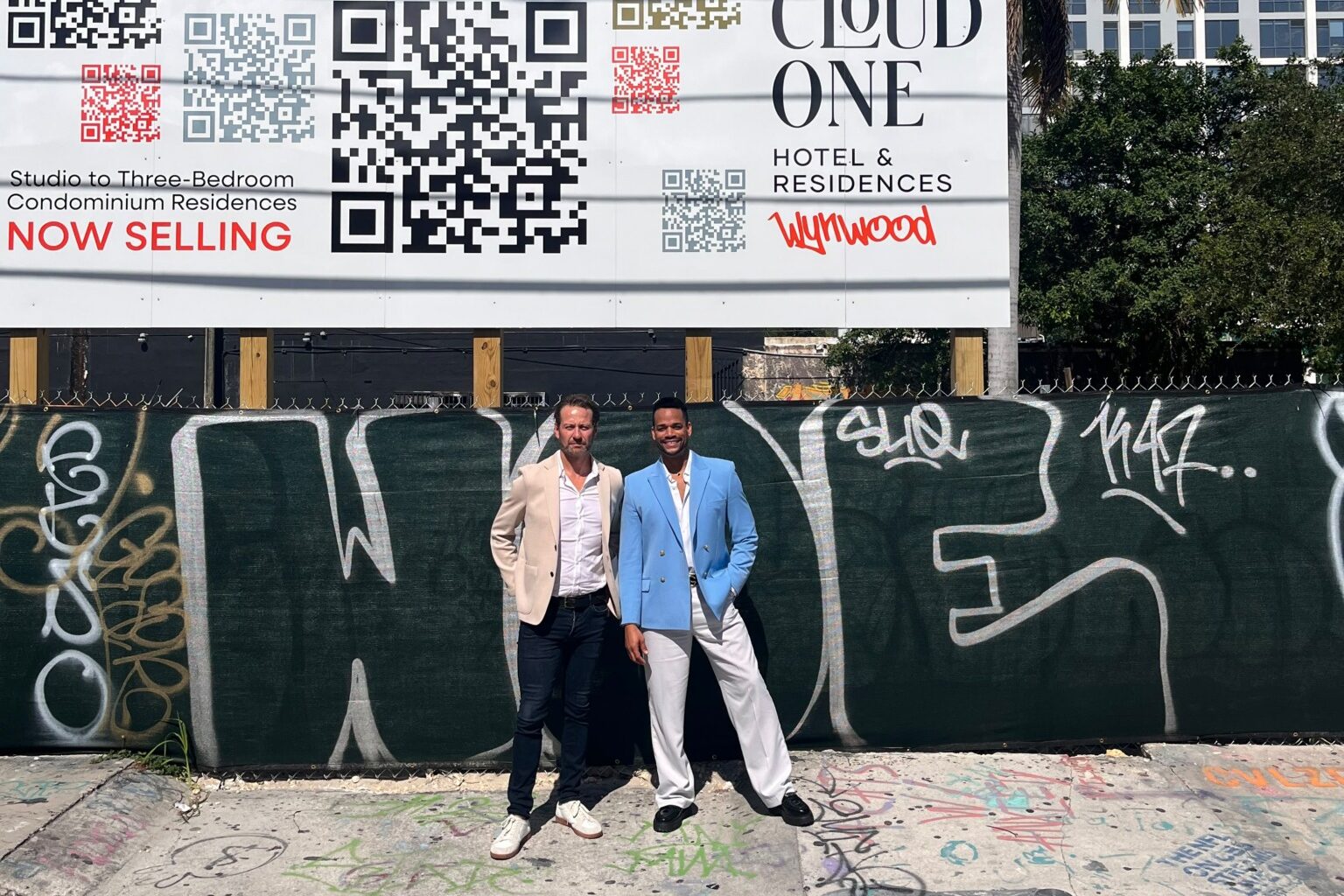
Driven by a shared ambition to carve out their own creative path, the pair eventually branched out to establish their own firm, MAWD | March and White Design, in 2010. Stepping out on their own offered the two friends a treasured sense of freedom—the liberty to think more holistically about architectural and interior projects and to cultivate a distinct, unified point of view that prioritized human experience above rigid aesthetic formulas.
Over the years, March has spearheaded the evolution of MAWD from a boutique luxury British interior design firm into the globally recognized, multi-disciplinary practice it is today. Under their leadership, the talented team has completed a diverse array of ambitious projects across a wide spectrum of sectors, seamlessly transitioning from sophisticated hospitality venues and high-end residential towers to luxury superyachts.
Despite the vast differences in scale, typology, and geographic location across MAWD’s portfolio, March’s fundamental approach to design remains grounded in humility and responsiveness. Rather than imposing a preconceived aesthetic or arriving at a site with a rigid visual blueprint in mind, March prefers a more organic, site-specific methodology. He explains that he would much rather let the inherent architecture, geographic location, natural light, local materials, and the rhythms of daily life guide the design process to its destination. When all of those contextual elements come together naturally, the resulting space possesses an innate sense of belonging, as if it could not possibly exist anywhere else in the world.
Today, Elliot March steps into the spotlight to join the "Friday Five" feature, offering a rare glimpse into the creative mind behind some of the world’s most compelling modern interiors. In this exclusive feature, March shares five distinct locations from across the globe that continually inspire his work, alongside five landmark MAWD projects that reflect the evolution of his design ethos.
Elliot March’s Inspirations
1. Wynwood Walls
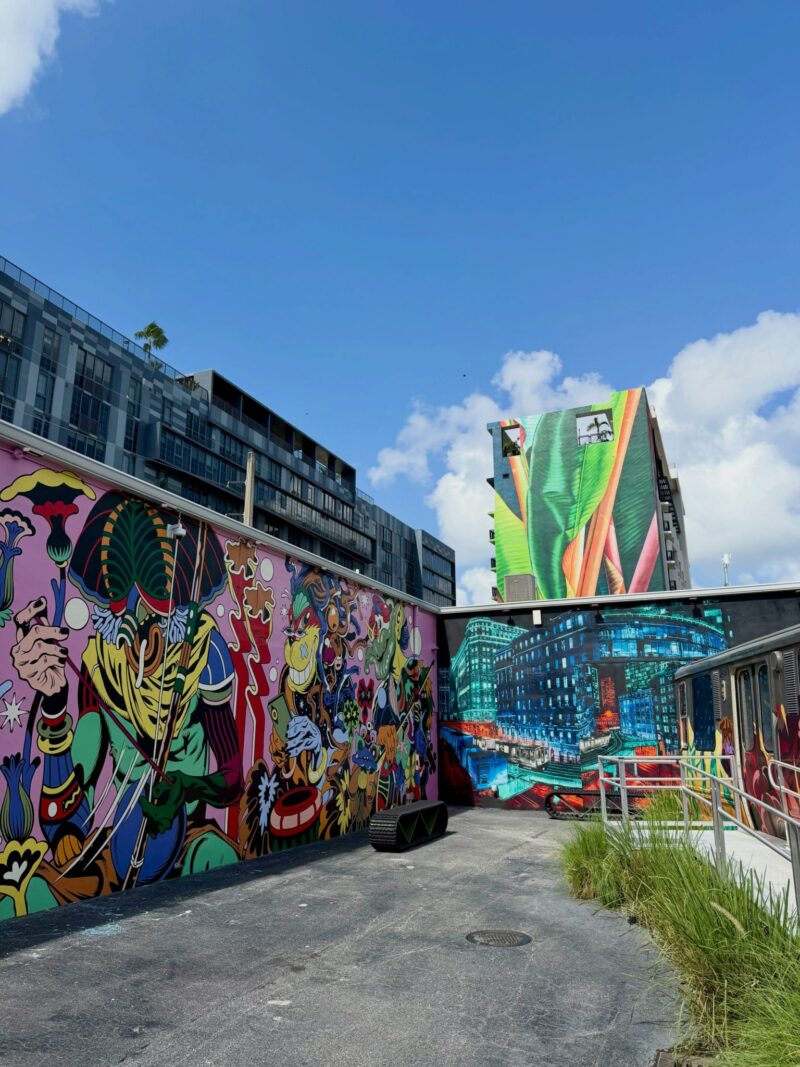
March’s deep familiarity with Miami’s vibrant Wynwood neighborhood stems directly from his ongoing work on The Cloud One Hotel & Residences Wynwood, an urban hospitality project that has deeply influenced his perspective. He notes that the neighborhood continually offers something new to observe, transfixed by the raw, kinetic energy of colorful murals juxtaposed against the area’s rugged industrial backdrop. This constant, creative tension between raw, unrefined materials and expressive artistic freedom has stayed with March throughout the design process, fundamentally shaping how his team approaches a project so that it feels genuinely rooted in Wynwood’s unique cultural fabric rather than merely dropped into the landscape.
2. Paso Robles Wineries
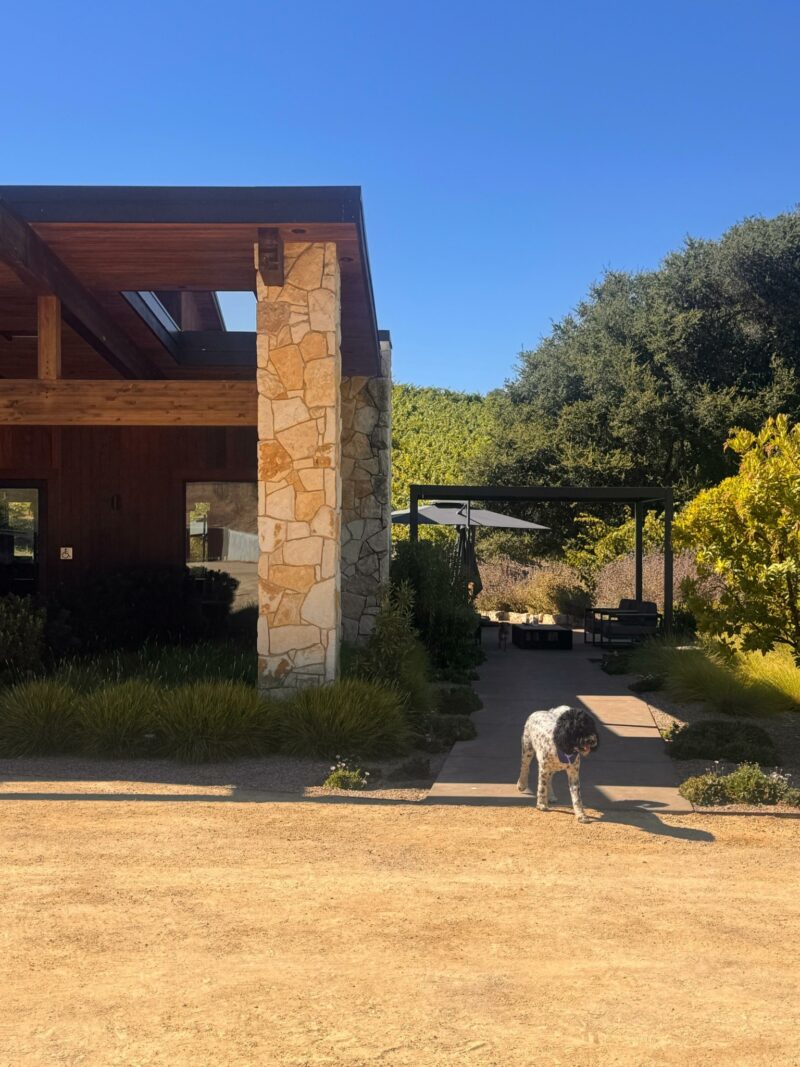
The rolling agricultural landscapes and wineries surrounding Paso Robles, California, hold a special appeal for March due to their quiet, respectful dialogue with nature. He is particularly drawn to how architecture in this region adopts a subdued, understated presence within the sweeping natural vistas. Utilizing local stone, heavy timber, weathered concrete, and other tactile elements, the local vernacular feels deeply grounded and organic. Furthermore, March admires how these structures are purposefully designed to frame the surrounding vineyards rather than compete with them, creating spaces where natural light, raw materials, and the surrounding environment do the heavy lifting.
3. Yucca Valley
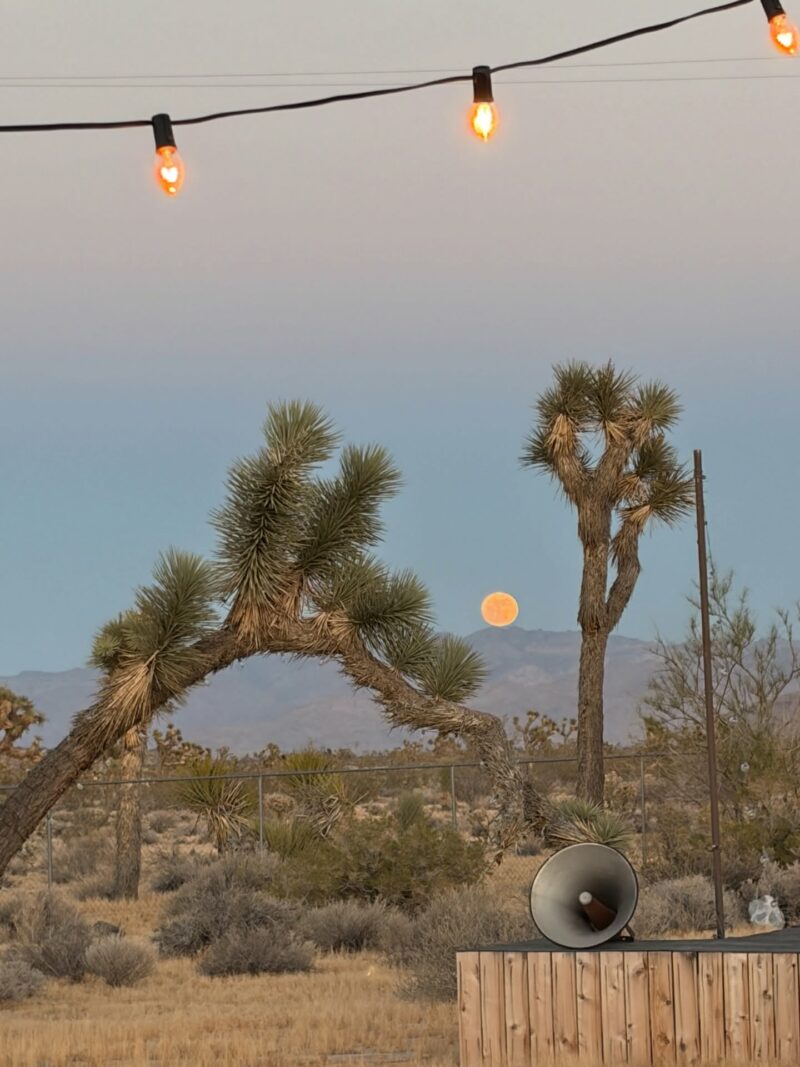
For March, physical movement through space is often just as important as static observation. Cycling through the stark, beautiful expanses of Yucca Valley, California, around sunset serves as one of his primary rituals for clearing his mind and gathering new perspectives. The desert landscape undergoes a dramatic transformation during the twilight hours, shifting rapidly as warmer color palettes emerge and long shadows stretch across the terrain. This fleeting hour can suddenly make familiar sights appear entirely foreign and renewed. For March, this dynamic shift acts as a valuable reminder to slow down, observe intently, and appreciate that some of the most profound design ideas stem simply from noticing what is already present in the environment.
4. Parte Vieja
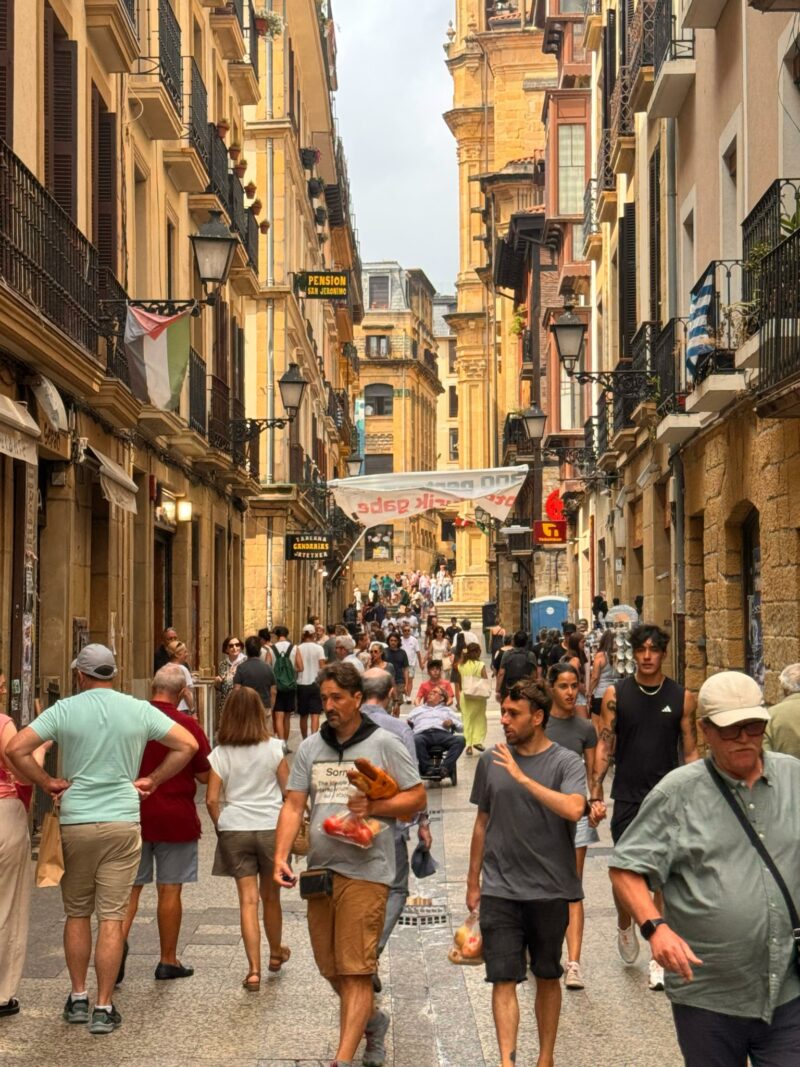
Historic urban fabrics that have evolved organically over centuries frequently capture March’s professional curiosity. Wandering through the bustling Parte Vieja quarter in San Sebastián, Spain, exposes him to an abundance of rich character and authentic detail. The layered history of worn stone, weathered painted façades, traditional balconies, exposed timber, tiled thresholds, and centuries of human use sit comfortably together without ever feeling overly curated or forced. It is an environment that encourages pedestrians to look upward and take note of the subtle imperfections and enduring traces of daily life, which ultimately contribute to the area’s timeless beauty.
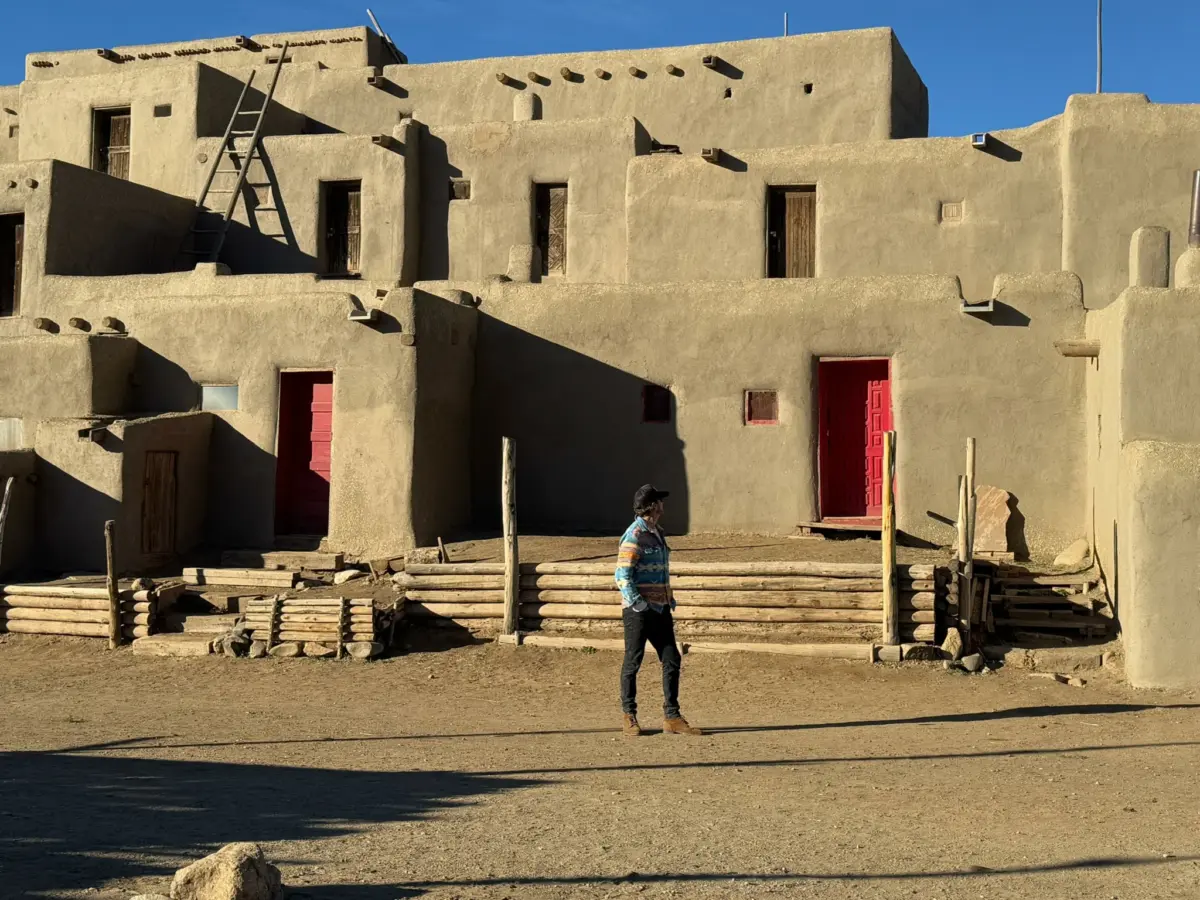
5. Taos Pueblo
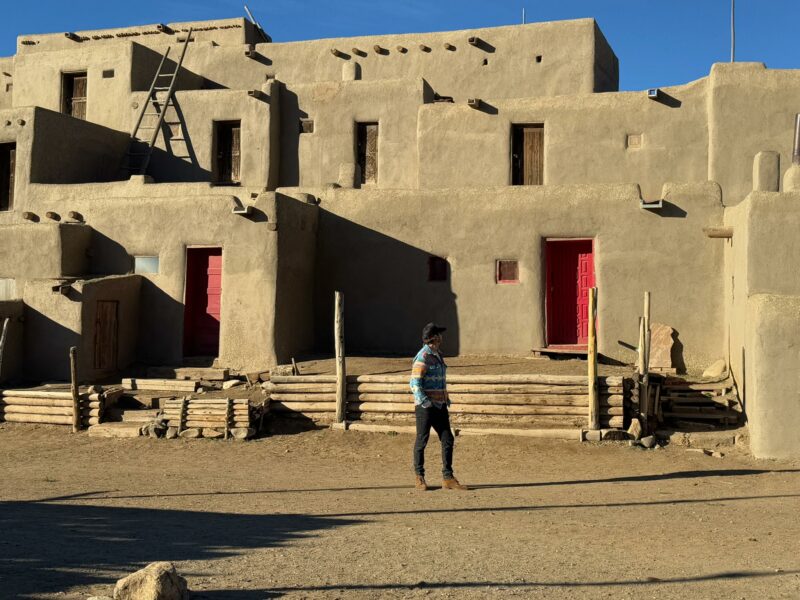
The profound emotional resonance of vernacular architecture is perhaps best embodied for March by the Taos Pueblo historic site in New Mexico. He finds the direct, unadorned approach to building found within the historic adobe structures—characterized by simple geometric forms, local earthen materials, and an undeniable harmony with the surrounding landscape—to be deeply moving. Within this traditional community, nothing feels arbitrary or decorative for its own sake. Instead, the site serves as a powerful reminder of how meaningful architecture becomes when it grows organically out of its immediate environment, utilizes local resources, and reflects the collective hands that have shaped it over generations.
5 MAWD Projects
1. The Cloud One Hotel & Residences Wynwood
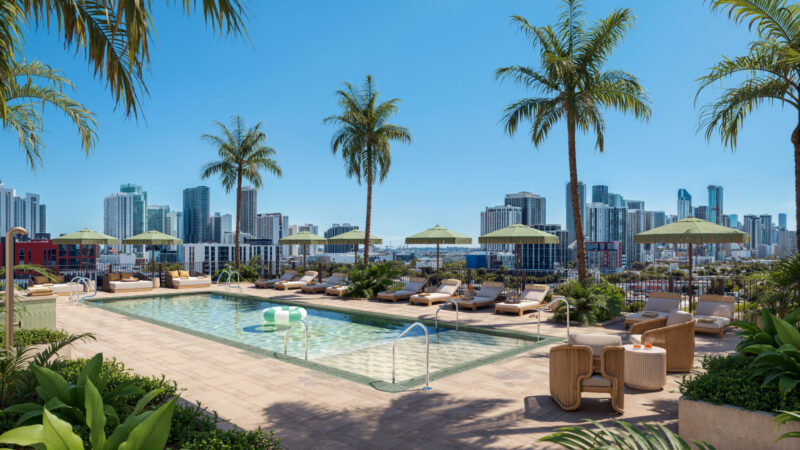
Translating the kinetic spirit of Miami’s Wynwood district into a cohesive interior environment was both a challenge and a privilege for MAWD. Drawing heavy inspiration from the neighborhood’s industrial past as a warehouse and garment district, alongside its modern identity as a global canvas for street art, the design team curated a rich material palette. Exposed structural concrete, warm white oak, rich bronze, and lush interior plantings establish a dialogue with the city outside, while curated artworks by Goldman Global Arts anchor the spaces in local culture. For March, the project stands out as a successful exercise in balancing the vibrant exterior energy of Wynwood with a tranquil, comfortable interior retreat.
2. The Greenwich by Rafael Viñoly
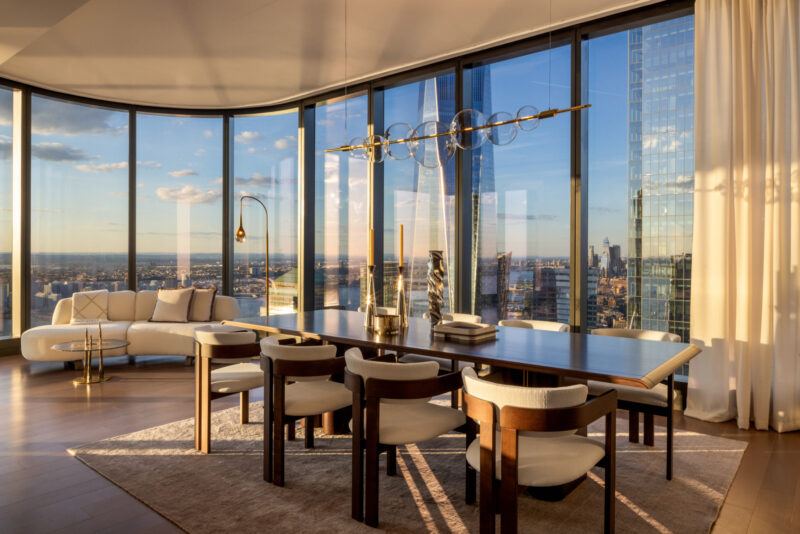
The Greenwich, located in Manhattan’s Financial District, holds profound personal and professional significance for March. When the late, renowned architect Rafael Viñoly personally invited MAWD to lead the interior design for the slender residential skyscraper, it catalyzed a major life change for March, prompting his relocation from London to New York and the subsequent establishment of the firm’s Manhattan headquarters. The project also offered MAWD a unique opportunity to translate their extensive superyacht design expertise into an urban residential context, evident in subtle nautical touches such as the bookmatched Noir Saint Laurent marble framing the lobby desk. The tower remains a milestone representing a pivotal creative chapter for the firm and a transformative personal journey for March.
3. Water Street Tampa
Anticipating the lifestyle of residents in the forthcoming Water Street Tampa developments required MAWD to closely examine the unique indoor-outdoor rhythm characteristic of Florida’s coastal climate. By studying the building’s exterior portals, protective louvers, and shaded courtyards, the design team successfully carried that architectural language through to the interior layouts. The abundant natural light and tropical surroundings granted the designers the creative freedom to embrace a more expressive palette of colors and materials, resulting in a coastal living experience shaped entirely by its specific geographic context.
4. Edgeworth
As part of a sweeping urban transformation led by Related Ross, Edgeworth represents an exciting moment of growth and revitalization in West Palm Beach, Florida. The ambitious initiative aims to convert the city into a vibrant year-round destination for living and working. Working in tandem with sculptural architecture by Kohn Pedersen Fox (KPF), MAWD designed interiors for Edgeworth that lean into the waterfront setting, offering relaxed, warm spaces oriented toward the Intracoastal Waterway. The project exemplifies the firm’s capacity to design thoughtfully not only for a city’s current identity, but for its future trajectory.
5. Lantern House
Collaborating with Heatherwick Studio on Lantern House provided MAWD with an extraordinary architectural foundation, defined by striking, fluid industrial bay windows that reimagine traditional masonry residential design. March notes that the challenge and reward lay in softening the dramatic, unconventional architecture through a tactile interior material palette. By integrating natural white oak, warm brick accents, rich bronze details, and sophisticated stone surfaces, the design team successfully transformed the sweeping industrial forms into residential spaces that feel genuinely welcoming, comfortable, and unmistakably like home.
Anna Zappia is a New York City–based writer and editor with a passion for textiles, fashion, and design. She can often be found visiting fashion exhibitions or shopping for her next book.