






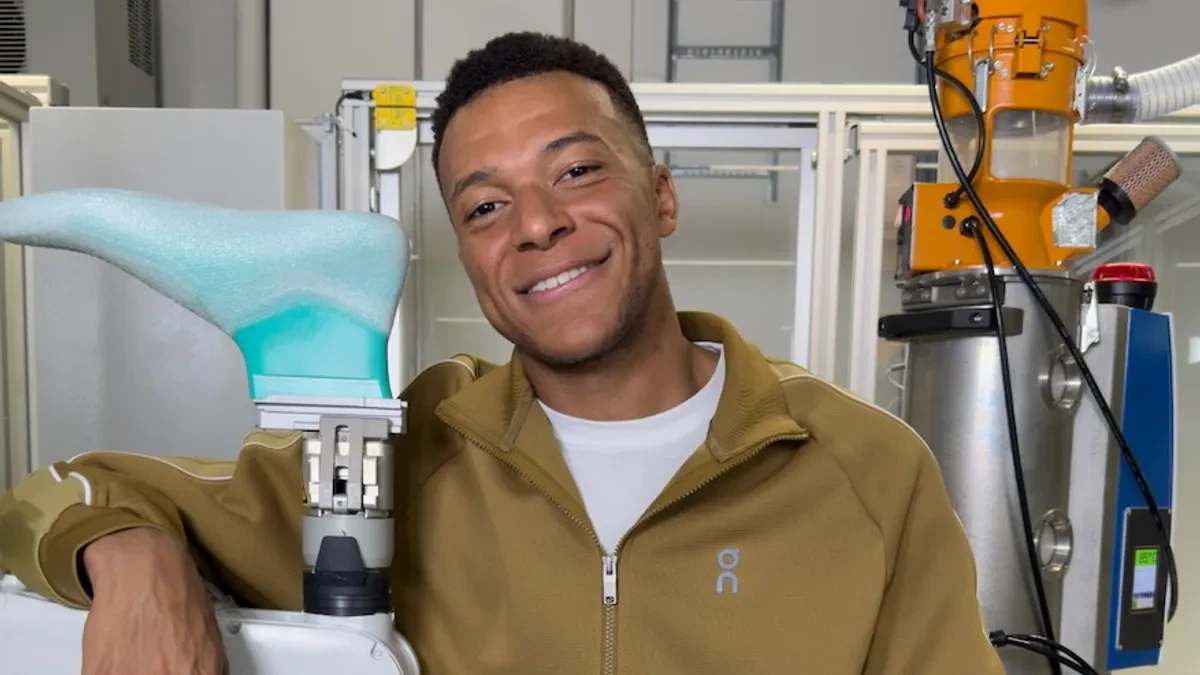
The global athletic footwear landscape is bracing for a high-stakes seismic shift. Kylian Mbappé, one of the most recognizable and electrifying superstars in world football, has officially signed a landmark partnership with the rapidly growing Swiss sneaker brand On. The move marks a monumental chapter for the challenger brand, which is now gearing up to go head-to-head in a sport long dominated by industry titans Nike and Adidas.
For Mbappé, the partnership represents a homecoming of sorts in terms of brand evolution, having notably signed his first major endorsement deal with Nike as a child prodigy. Transitioning away from the traditional duopoly of football endorsements signals a willingness to chart a new path. By joining forces with On, the French football icon is stepping beyond traditional boundaries to help shape the future of a brand attempting to carve out its footprint in the world’s most popular sport.
Industry analysts have been quick to dissect the strategic implications of the blockbuster signing. According to BMO Capital Markets analysts Kelly Crago and Owen Tunstill, entering the fiercely competitive football category makes sense for On as it looks to aggressively expand its global roster, and securing a talent of Mbappé’s caliber is an undeniably strong way to break ground.
Other smaller players in the broader athletic apparel and footwear industry, such as Skechers and New Balance, have previously attempted to break into the football category with smaller, less splashy endorsements. However, those brands have largely struggled to move the needle from a meaningful market share standpoint. By launching its football ambitions with Mbappé, On is signaling that it intends to bypass modest entry strategies in favor of a high-impact, headline-grabbing debut.
Even so, navigating the football market will be an uphill battle. Financial analysts from Evercore ISI, led by Michael Binetti, point out that On will likely need to lean heavily into lifestyle designs alongside performance gear. This strategy aligns with On’s historically strong focus on fashion and circumvents the notoriously low profit margins typically associated with performance cleats and licensed fanwear. Furthermore, Binetti noted the distinct challenge of breaking into a sport monopolized by Nike and Adidas. He contrasted this hurdle with the more fragmented running footwear space, where On originally built its reputation and achieved remarkable success.
Despite the daunting market dynamics, the principals involved remain intensely focused on the sport, innovation, and the creative potential of the partnership. Both Mbappé and On executives, including co-founder Caspar Coppetti and other leaders, have emphasized the collaborative nature of the venture, framing it as an opportunity to build something entirely unprecedented from the ground up.
Reflecting on the partnership, Kylian Mbappé shared his enthusiasm in a statement released Friday, highlighting the shared vision driving the collaboration forward.

"From the beginning, what drew me to On was the opportunity to build something entirely new together that will help shape tomorrow’s game," Mbappé said. "I want to bring my experience and perspective into what we create, push what’s possible through innovation, and always stay true to the joy of football. We have a shared dream, and this is only the beginning."
For many market observers, however, attracting headline-grabbing talent is merely the opening warmup in a much longer and more arduous game. Financial analysts from Jefferies, led by Randal Konik, argue that high-profile signings are clear evidence that On is having to spend aggressively just to secure a seat at the table in the hyper-competitive soccer market. Moreover, Jefferies cautioned that signing a transcendent athlete is no guarantee of commercial dominance. They drew historical parallels to Under Armour’s high-profile partnership with basketball superstar Steph Curry—a relationship featuring a generational athlete that ultimately failed to establish the brand as a dominant market leader in its respective sport.
The fundamental hurdle, according to the Jefferies analysis, lies in consumer behavior within the football category. Football consumers historically purchase boots from brands with decades of verified performance credibility. Established giants like Nike, Adidas, and Puma possess deeply entrenched, multi-decade track records of building sophisticated athlete ecosystems, elite club relationships, and unquestioned product legitimacy on the pitch.
Launching a dedicated football line is one significant corporate milestone, but convincing professional and amateur players to switch equipment in a category where raw performance credibility dictates purchasing decisions is an entirely different challenge. If consumers ultimately fail to view On as a legitimate performance football brand, analysts warn that premium-priced football footwear and apparel could struggle to gain meaningful long-term traction against deeply rooted competitors.

As On prepares to unveil the fruits of its collaboration with Mbappé, the sports retail industry will be watching closely. Whether the Swiss brand can successfully translate its running shoe momentum into football dominance remains one of the most compelling storylines in modern athletic apparel.