





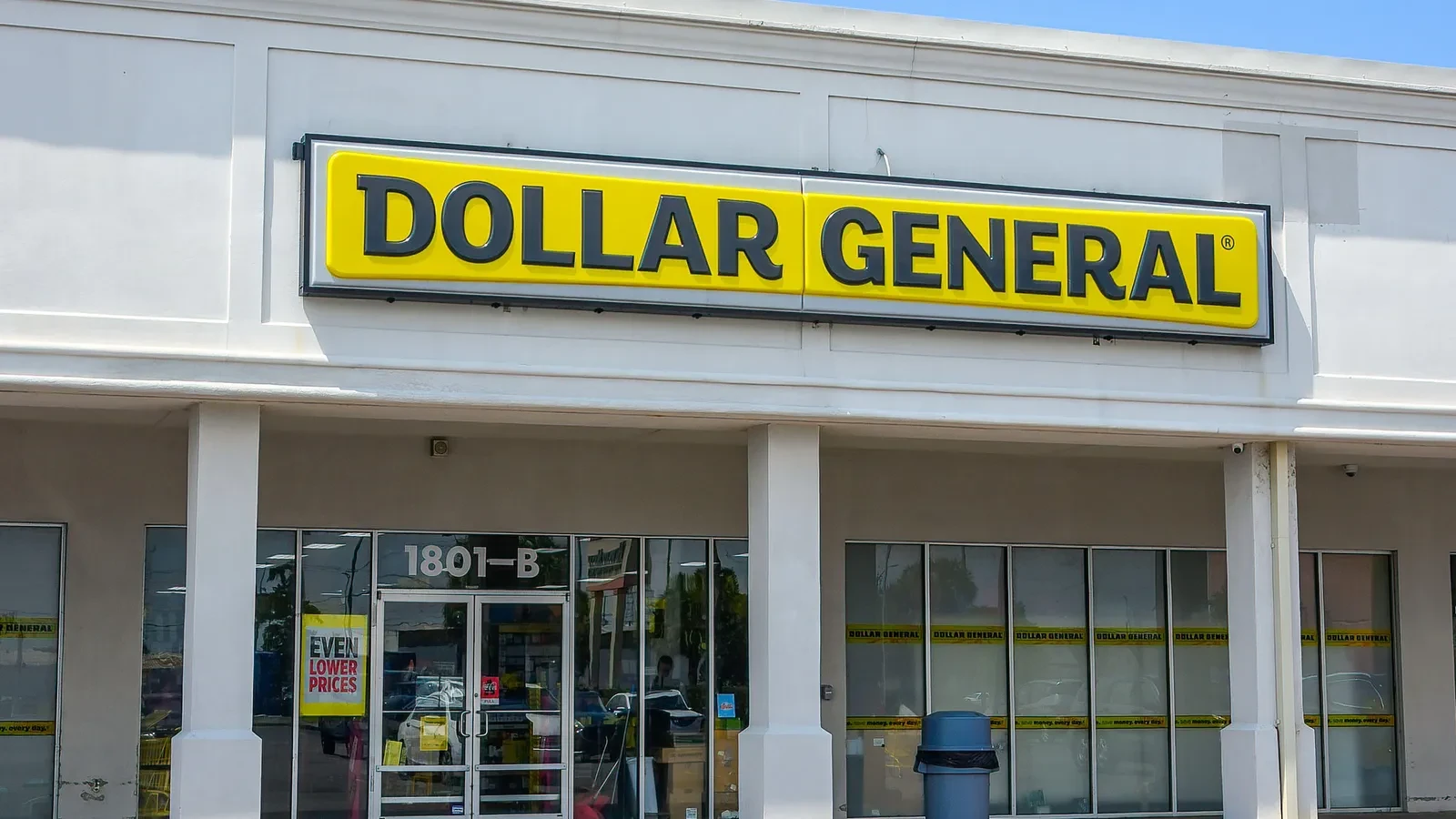
Dollar General is implementing artificial intelligence to unify forecasting, replenishment, and allocation across its extensive North American retail operations. In a strategic partnership with Relex Solutions, the discount retail giant aims to harness advanced AI technology to coordinate planning across its massive network, which encompasses 21,000 stores and 34 distribution centers across the United States.
The initiative, announced following a joint press release from the technology provider, represents a significant step forward in Dollar General’s ongoing efforts to modernize its supply chain infrastructure. Under the new agreement, Dollar General will leverage Relex’s sophisticated AI platform to oversee and streamline a wide array of critical supply chain functions, including store replenishment, ordering schedules, lead times, supplier coordination, and fulfillment methods. By integrating these processes into a single technological ecosystem, the company aims to ensure that demand factors, such as shifting local sales patterns, are built directly into the core planning process, allowing both distribution centers and individual storefronts to operate using the exact same set of real-time data.

"The platform brings forecasting, replenishment, and allocation planning into a single environment, giving our teams greater visibility across the network," Jeff Vaughan, senior vice president of global inventory management at Dollar General, said in the release.
This centralized approach is expected to eliminate traditional operational silos that often complicate large-scale retail logistics. For a discount retailer operating tens of thousands of locations, maintaining optimal inventory levels while minimizing excess stock and preventing out-of-stock scenarios is a persistent operational challenge. By implementing a unified AI platform, Dollar General can better anticipate consumer demand trends at the local level and adjust its distribution strategies accordingly, ultimately fostering a more responsive and agile supply chain.
The adoption of the Relex platform aligns with Dollar General’s broader corporate strategy to increase its technological investments and integrate artificial intelligence deeper into its daily business operations. During an earnings call with investors and analysts, Dollar General CEO Todd Vasos emphasized that driving systemic efficiencies through technology is a vital component of the company’s strategy to mitigate ongoing cost pressures and navigate complex macroeconomic retail environments.

"Additionally, while we are still early in our AI journey, we are building agentic operating systems for the enterprise focused on reshaping and optimizing our workflows to improve productivity throughout the organization," Vasos said during the earnings call.
The executive’s remarks highlight a growing industry trend where major brick-and-mortar retailers are looking beyond traditional enterprise resource planning systems toward intelligent, autonomous, and adaptive software solutions. These advanced digital tools are designed not only to automate routine administrative and logistical tasks but also to actively assist corporate teams in making faster, more accurate data-driven decisions. For Dollar General, building these agentic operating systems is viewed as a foundational step toward long-term operational resilience and sustainable margin improvement.
Dollar General is far from alone in recognizing the value of advanced supply chain optimization platforms. Across the broader retail and consumer goods sectors, companies facing similar pressures regarding inventory accuracy, labor costs, and fulfillment speed have increasingly turned to Relex Solutions’ technology to drive efficiency and enhance end-to-end visibility.

Home improvement retailer Lowe’s, for instance, announced plans earlier in the year to significantly scale its existing partnership with Relex in a decisive bid to overhaul and unify its inventory planning and replenishment frameworks. When Lowe’s detailed its expansion plans, company leadership pointed out that comprehensive technology integrations of this scale require meticulous phased rollouts, with full enterprise-wide implementation slated for early 2027.
Similarly, musical instrument retailer Guitar Center implemented Relex technology to radically revamp its inventory planning capabilities and boost overall supply chain visibility. For Guitar Center, the primary objective of deploying the automated replenishment system was to strike a delicate balance between reducing costly stockouts on high-demand items and preventing the accumulation of excess inventory that ties up valuable working capital and storage space.
The growing roster of major retail brands adopting these sophisticated forecasting and replenishment systems underscores a fundamental shift in how the industry approaches supply chain management. As consumer shopping behaviors continue to evolve and supply chains face persistent vulnerabilities, reliance on legacy forecasting methods is increasingly giving way to dynamic, AI-driven platforms capable of processing vast amounts of operational data in real time.
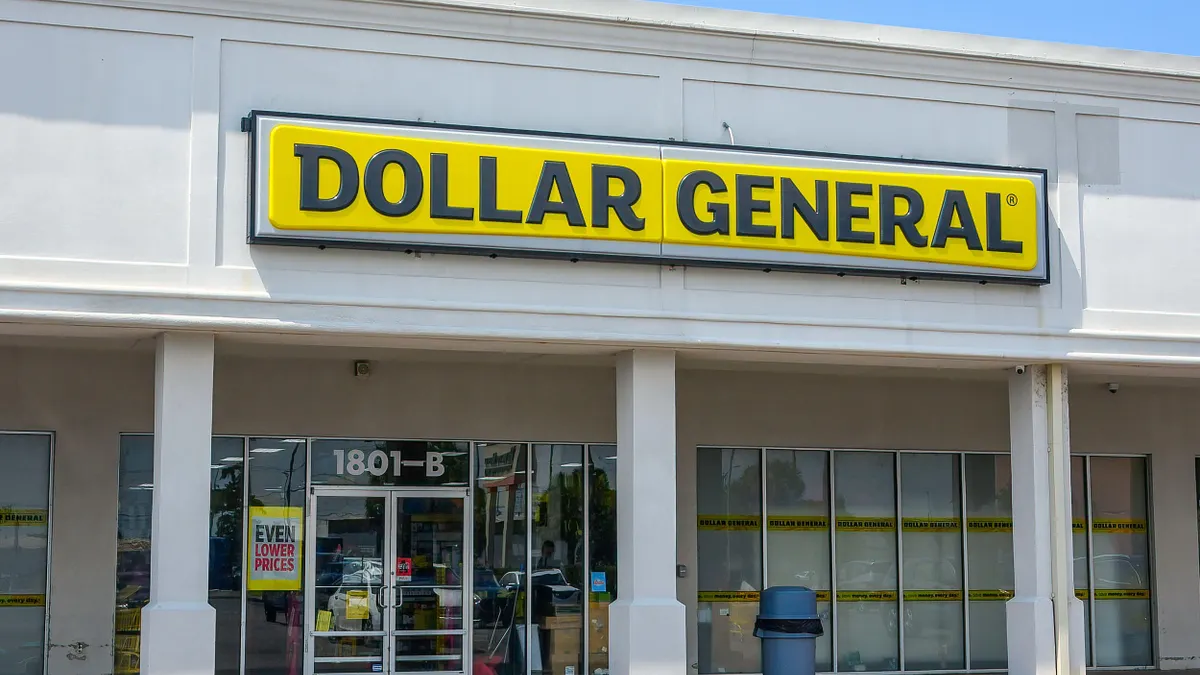
For Dollar General, the successful deployment of the Relex Solutions platform will be a crucial milestone as the company continues to manage its massive footprint. By connecting store-level demand signals directly with distribution center execution and supplier coordination, the retailer is positioning its supply chain to handle the complexities of operating thousands of neighborhood stores efficiently. As the partnership progresses toward full implementation, leadership expects the initiative to yield measurable improvements in productivity, inventory turns, and overall service levels for customers relying on the discount chain for everyday essentials.