






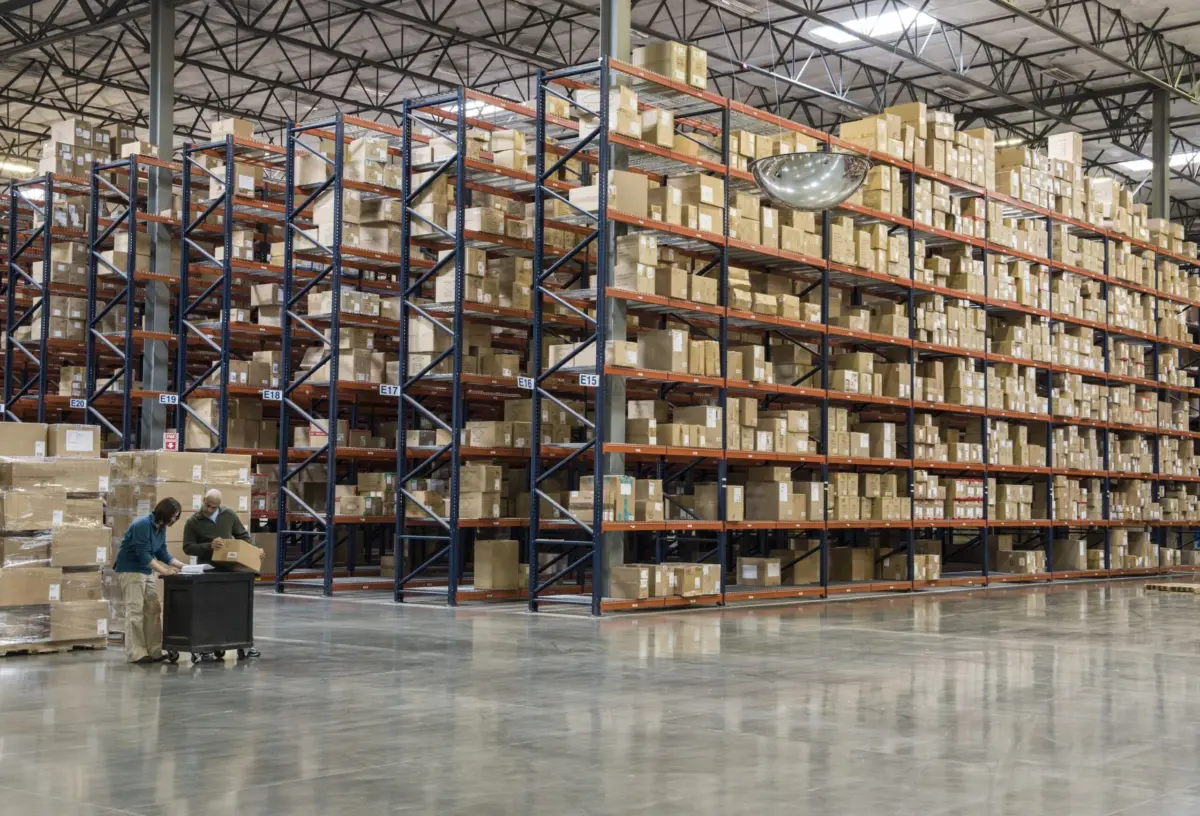
Austin, Texas-based warehouse AI platform provider AutoScheduler.AI has announced the official release of its AutoScheduler AI App Builder, introducing a groundbreaking capability designed to fundamentally reshape how supply chain operations are managed. Unveiled on Monday, the new tool represents a major strategic evolution for the company, shifting its primary positioning from a warehouse orchestration pioneer to a comprehensive warehouse AI platform. By giving warehouse planners, supervisors, and site leaders the direct ability to create, deploy, and utilize AI-powered applications tailored specifically to their daily operations, the technology bypasses traditional IT bottlenecks and eliminates the lengthy wait times typically associated with vendor software roadmaps.
The introduction of the AI App Builder comes at a time when supply chain executives and sourcing professionals across the globe are increasingly focused on functional transformation, improved workflow integration, and enhanced operational visibility. According to the company, the newly released application allows on-the-ground teams to build custom operational tools in a matter of days rather than the months usually required for traditional software development cycles. This capability is expected to directly address the operational friction that often occurs when warehouse management systems, labor management platforms, yard management systems, and automated hardware fail to communicate seamlessly with one another.
AutoScheduler.AI, which counts major global enterprises such as Ikea, Procter & Gamble, and GXO among its prominent clientele, is showcasing the new app builder at the North American Supply Chain Executive Summit (NASCES) 2026. The high-profile industry event is taking place from September 21 to 23 in Las Vegas, drawing supply chain leaders from across the continent to view the latest advancements in logistics technology. The live demonstrations are designed to highlight how site-level teams can leverage live operational data and sophisticated optimization mathematics without needing a background in software engineering or IT development.
Keith Moore, chief executive officer of AutoScheduler.AI, emphasized that modern warehouses operate on massive, complex enterprise systems that are notoriously expensive and slow to customize. Because of these inherent limitations, logistics operators have historically been forced to fill the operational gaps using makeshift solutions, including sprawling spreadsheets, disconnected business intelligence tools, homegrown software applications, and reliance on undocumented tribal knowledge passed down among workers.
The AutoScheduler AI App Builder is designed to directly close that persistent gap in the market. Moore noted that the people who witness operational inefficiencies and bottlenecks every single day are now uniquely empowered to fix them. By building targeted applications grounded in live warehouse data and backed by robust optimization math in a matter of days, site leaders can take immediate control of their workflows. Moore stressed that while the company continues to orchestrate all the complex systems functioning inside the physical building, it is now extending powerful tools directly to the warehouse floor to solve every operational challenge that falls between the cracks.
This product launch reflects a broader, accelerating trend across the sourcing and supply chain industry, where organizations are increasingly turning to advanced artificial intelligence to harmonize disparate functions, optimize workflows, and generate greater transparency across the entire value chain. As warehouses face persistent labor shortages, rising consumer expectations, and increasing pressures for speed and accuracy, the ability to rapidly deploy customized technological solutions has become a critical competitive differentiator.
Under the hood, AutoScheduler.AI explained that the new AI App Builder runs on the company’s proprietary semantic layer of warehouse knowledge, live warehouse data streams, and an extensive library of production-grade optimization algorithms. Rather than writing complex code or configuring rigid enterprise architectures, users are able to simply describe what they need in plain language. The AI App Builder then interprets these descriptions to create a functional application capable of informing, monitoring, and automating the specific logistical process requested.
The potential use cases for the AI platform are wide-ranging and directly target the most persistent pain points in modern distribution centers. Applications built using the new tool include comprehensive labor forecasting and planning, On-Time In-Full (OTIF) predictive monitoring, inventory replenishment monitoring, operational gamification to drive worker engagement, wave and workflow optimization, and detailed inventory-flow analysis and tracking, among various other specialized operational needs.
Kunj Pandya, head of product and customer success at AutoScheduler.AI, highlighted the technological differentiator that sets the company’s platform apart in a crowded marketplace where many technology providers are attempting to integrate artificial intelligence into legacy logistics environments. According to Pandya, many software providers can point artificial intelligence at a warehouse, but the true value lies in the underlying architecture. AutoScheduler.AI’s semantic layer already possesses a deep, contextual understanding of what data means across diverse enterprise resource planning systems, warehouse management software, and labor tracking platforms. Furthermore, every application built through the new tool can seamlessly call upon optimization solvers that have already been proven effective across nearly one hundred operational sites.
Reflecting on the company’s history and trajectory, Moore noted that AutoScheduler.AI was the pioneer that first fully orchestrated all labor, resources, and inventory within the warehouse environment six years ago. Having essentially created the category of warehouse orchestration, the company has leveraged its accumulated expertise as artificial intelligence leaders, combined with its unique access to normalized warehouse data and specialized optimization algorithms, to develop the AI App Builder. By placing these capabilities directly into the hands of warehouse floor leaders, AutoScheduler.AI aims to ensure that technology solutions can be tailored precisely to meet the unique and evolving needs of individual distribution sites.