





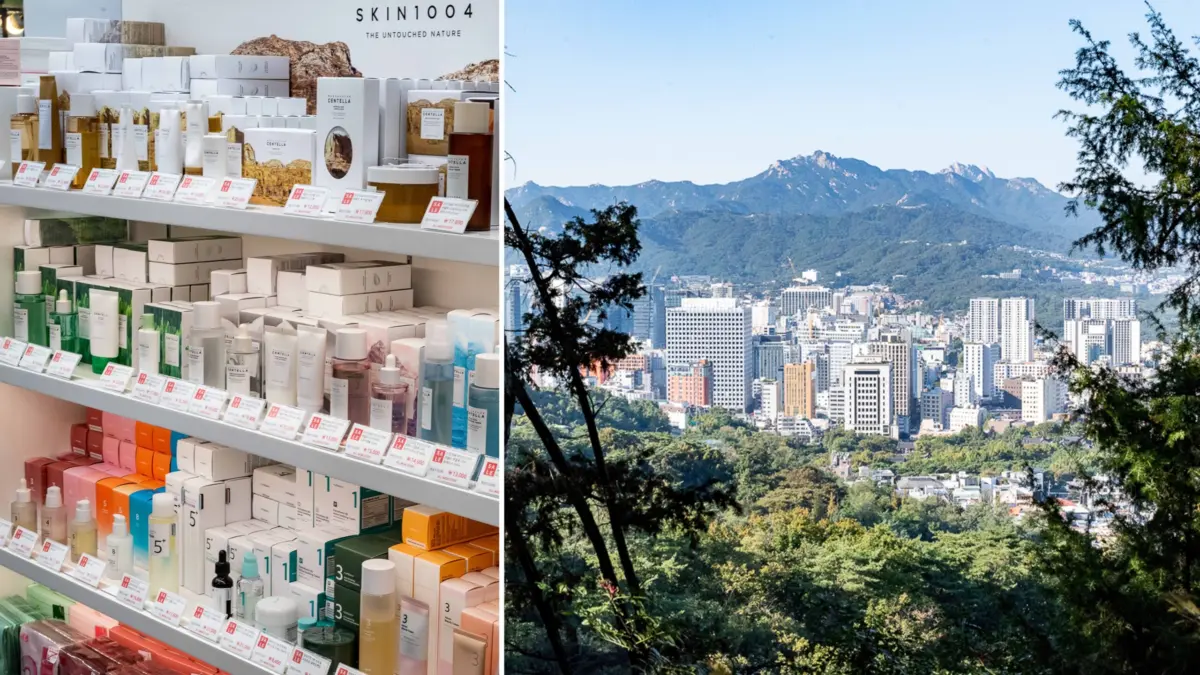
If you had told a thirteen-year-old half-Korean girl growing up in Canada that Korean beauty products would one day line the shelves of every major retail cosmetics store around the world, the idea would have seemed entirely implausible. Over the past two decades, the sprawling cultural phenomenon known as the Korean Wave—encompassing K-pop, K-beauty, entertainment, and cuisine—has steadily expanded its global footprint. Recently, however, this cultural momentum has reached an undeniable crescendo. From the historic opening of an Olive Young flagship location in Pasadena, California, to the frequently sold-out kimbap stocked at neighborhood grocery stores, elements of South Korean culture have firmly embedded themselves in Western daily life.
This surging international interest has translated into unprecedented tourism numbers for South Korea. Official records show that over six million foreign visitors arrived in the country during the first quarter alone, drawn by a mixture of cultural curiosity and digital inspiration. While many travelers come to marvel at ancient palaces, tranquil Buddhist temples, and the real-world backdrops of popular television dramas, an increasingly large segment of visitors arrives with a singular objective: achieving the glassy, glowing skin popularized across social media feeds. As a global leader in advanced aesthetic medicine offering state-of-the-art treatments at a fraction of Western costs, South Korea’s beauty tourism sector is experiencing a historic boom. Government figures from the previous year indicate that 1.3 million international visitors traveled to the country specifically for dermatology treatments, alongside an additional 233,000 who underwent plastic surgery.

For journalist and designer Anna Haines, returning to her father’s native country offered a chance to reconnect with her heritage while observing the rapid evolution of Seoul’s renowned cosmetic industry. After spending weeks witnessing age-defying complexions firsthand, Haines decided to explore the phenomenon from the patient’s perspective. Following multiple clinic visits, targeted procedures, and extensive interviews with both Seoul- and New York-based industry experts, she documented the vital lessons every traveler should understand before booking cosmetic treatments abroad.
Choosing the Right Clinic
Navigating Seoul’s dense landscape of cosmetic clinics requires careful preparation and clear objectives. Industry professionals emphasize that prospective patients must first identify their specific goals—whether that involves lasers, injectables, regenerative medicine, or surgical procedures—rather than simply reacting to viral trends. For travelers who remain unsure about which specific interventions are appropriate for their skin, consulting specialists who advocate for tailored treatment plans is essential. Reputable practitioners evaluate individual aging patterns, skin quality, and distinct facial anatomy rather than pushing standardized, factory-style packages at suspiciously low prices.

Experts consistently advise prioritizing medical credentials over social media popularity. A frequent pitfall for international visitors is confusing a non-medical aesthetic spa with a licensed dermatology clinic authorized to perform advanced medical procedures. In South Korea, travelers should look for specific linguistic markers, such as the term uiwon in a clinic’s name, which denotes a licensed medical facility typically accompanied by a recognized medical insignia. Similarly, patients must distinguish between general medical practitioners and board-certified specialists or dermatologists who have completed rigorous, advanced training.
Transparency during initial virtual or phone consultations serves as a strong indicator of a clinic’s reliability. Prospective patients should receive clear communication regarding who will perform the procedure, potential risks, and expected recovery timelines. Securing an in-person consultation with the attending physician upon arrival in Seoul remains one of the most effective investments a traveler can make to ensure their unique anatomical needs are properly addressed, even if the clinic charges an upfront consultation fee.

Timing Treatments for Maximum Results and Minimal Downtime
Strategic scheduling is vital to balancing cosmetic procedures with a fulfilling travel itinerary. The modern landscape of aesthetic medicine in South Korea increasingly favors minimally invasive interventions that require significantly less downtime, allowing patients the flexibility to explore the city without prolonged periods of recovery. Advanced radiofrequency lifting treatments, for instance, often produce notable results with minimal swelling or redness compared to more aggressive interventions.
For visitors opting for intensive treatments such as lasers, thread lifts, or specialized skin boosters, experts recommend booking appointments early in the travel itinerary. This provides an adequate buffer for mandatory follow-up appointments and ensures that any temporary bruising or redness fully subsides before boarding a long-haul international flight home.

Furthermore, Korean dermatology frequently utilizes a practice known as treatment stacking, where complementary procedures are performed in a deliberate sequence. The foundational rule of this approach involves applying energy-based devices prior to administering injectables. When planned carefully by a qualified physician, combining technologies such as ultrasound devices with exosome skin boosters can yield synergistic effects; the ultrasound stimulates deep collagen production while the skin booster provides immediate hydration and accelerates the healing process. However, specialists warn against overbooking or combining multiple procedures that induce significant skin irritation on the same day.
Asking All the Questions and Managing Translation Barriers
Effective communication remains one of the most critical challenges for international patients seeking medical procedures abroad. Language barriers can easily lead to misunderstandings concerning personal medical histories, pain tolerances, and expected outcomes. While general translation applications are useful for casual conversations, relying exclusively on digital tools during clinical consultations can obscure subtle but crucial medical details.
.jpg)
Industry experts recommend verifying whether a clinic employs an in-house medical translator prior to booking. Alternatively, travelers can search for certified medical tourism coordinators registered through official health industry development organizations or ask clinics to recommend qualified private translators familiar with complex medical terminology. Ensuring absolute clarity regarding the specific products, devices, and pharmaceutical agents—including painkillers—administered during a procedure is essential for patient safety.
Following treatment, diligent aftercare is paramount. Medical professionals advise strict adherence to sun protection guidelines, the temporary avoidance of active skincare ingredients like retinoids and chemical exfoliants, and the elimination of heat-intensive activities such as rigorous exercise or steamy sauna sessions. Establishing clear post-treatment communication channels with the clinic and preparing a contingency plan for returning home are necessary precautions against rare complications.

Leaning Into K-Wellness for Recovery
In South Korea, physical appearance is traditionally viewed as an extension of overall internal well-being. This philosophy is deeply integrated into daily life, offering a holistic framework that naturally supports post-treatment recovery. Traditional dietary principles emphasize balance, color harmony, and the inclusion of protein-rich, collagen-laden broths and fermented ingredients that nourish the body from within.
Medical professionals frequently recommend traditional restorative dishes, such as ginseng-infused chicken soups, mineral-rich seaweed soups, or easily digestible rice porridges, to aid physical healing. Similarly, spending an afternoon sipping traditional medicinal teas in historic neighborhoods or visiting herbal spas that incorporate traditional botanicals can promote circulation and lymphatic drainage, effectively reducing post-procedural swelling without placing undue stress on healing facial tissues.

Ultimately, balancing a medical itinerary with mindful exploration has proven to be an essential strategy for travelers visiting Seoul. Rather than spending an entire vacation confined to clinical environments in districts like Gangnam, extending a trip to wander through historic alleyways, linger in quiet neighborhood cafes, and allow the body adequate time to rest provides a more sustainable approach to beauty tourism. As local experts observe, true self-care often involves simply slowing down, embracing the cultural rhythm of the city, and giving both the skin and the spirit the time they need to properly rejuvenate.
Condé Nast Traveler does not provide medical advice, diagnosis, or treatment. Any information published on this website or by this brand is not intended as a substitute for medical advice, and readers should not take any action before consulting with a qualified healthcare professional.