



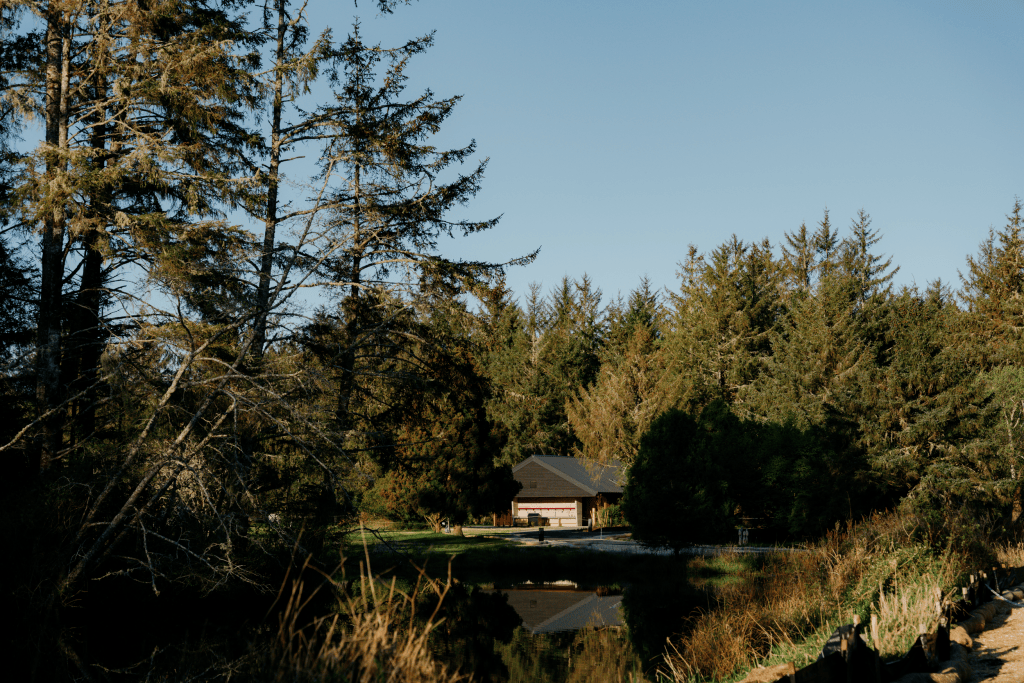
On the rugged Washington state coast, far from the neon glow and crowded streets of metropolitan centers, a new destination invites travelers to experience a unique cross-cultural aesthetic. Snow Peak Campfield in Long Beach, Washington, marks a significant milestone for the celebrated Japanese outdoor brand: its very first American campground, following the successful operation of more than a dozen similar sites across Japan. Situated just a stone’s throw from the ocean on the footprint of a former RV park, the 25-acre destination redefines modern outdoor hospitality by merging Eastern and Western philosophies with a distinctly Scandinavian-inspired minimalism.
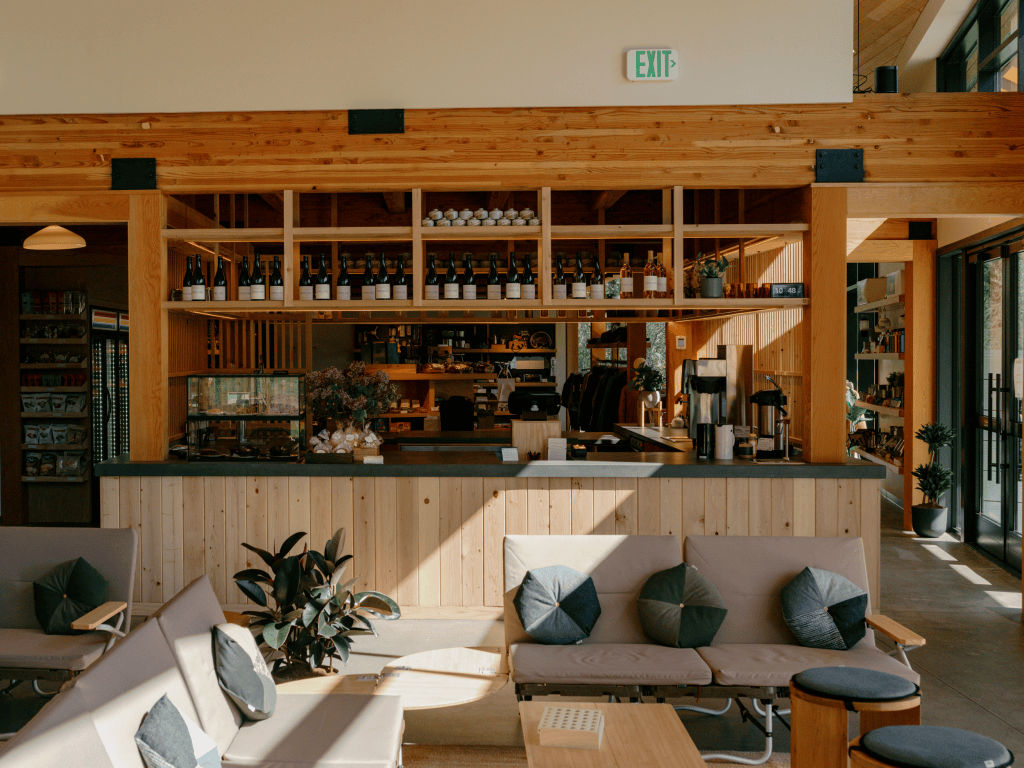
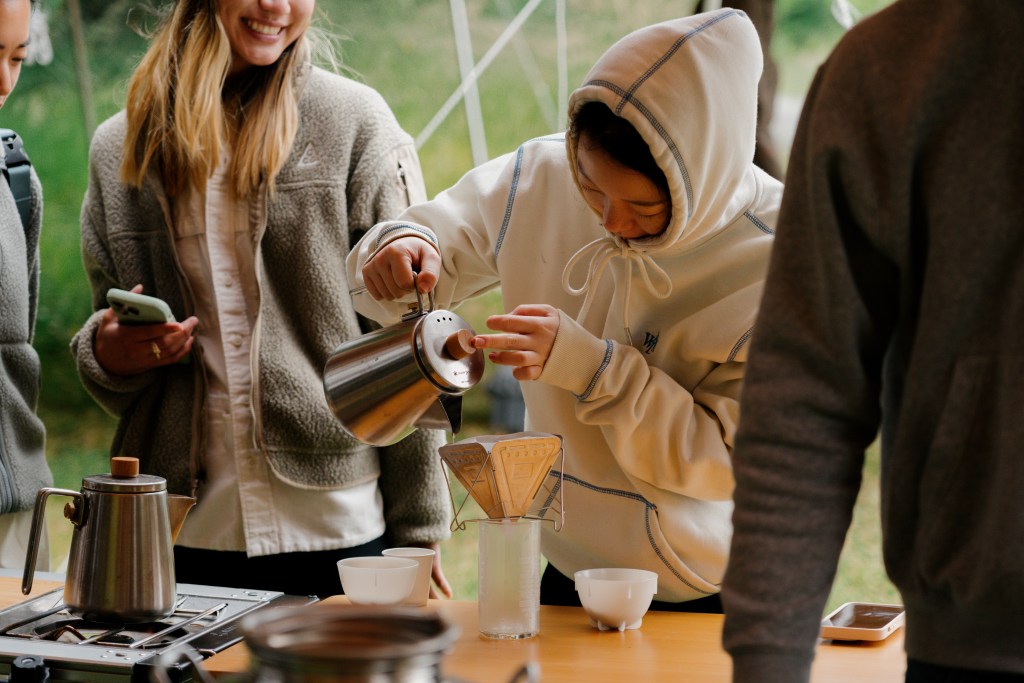
Visitors approaching the site on a misty, drizzly morning are immediately greeted by the rich, earthy scent of moisture clinging to old-growth Sitka spruce and western red cedar. Yet, before taking in the surrounding restored wetlands, travelers notice another defining characteristic of the property: children. Running everywhere, making instant cliques, and devising impromptu games in the central space that functions as a store, coffee shop, and community living room, these youngsters serve as the social icebreakers of the 25-acre site.
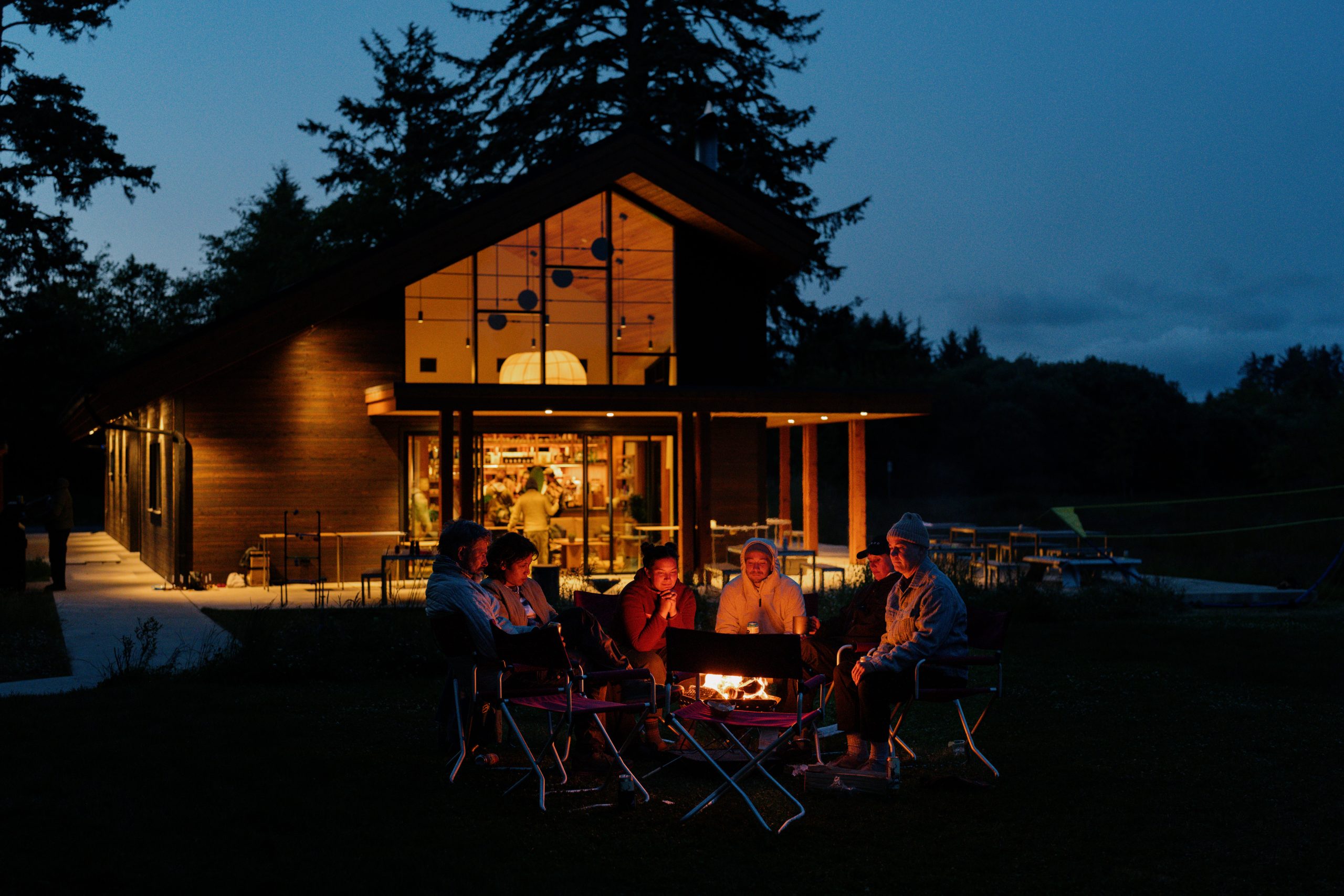
The campground offers a variety of ways to stay, ranging from the architectural Jyubako cabins to traditional tent lots. For those who prefer traveling light, the camp allows visitors to rent a complete suite of Snow Peak equipment, including tents, sleeping pads, sleeping bags, and precision camp cooking gear. Alternatively, campers can bring their own gear and simply rent a designated site.
According to Josh Clouser, New Ventures Project Manager, the overarching goal of the project was to create a harmonious blend of international design sensibilities. However, the operational philosophy begins well before guests even reach their campsites. The primary design choice, Clouser explains, was deliberately getting campers out of their cars and separating them from their vehicles entirely.
Upon arrival, visitors park their vehicles, load their luggage, coolers, and gear into rugged pull-carts, and pass through a dedicated entrance gate. Describing the transition, Clouser notes that it functions very much like an "Alice-in-Wonderland tunnel experience," designed to psychologically divorce guests from automobile culture and immerse them in an entirely different world.
This transition is a subtle nod to a common architectural and cultural experience in Japan: visiting a Shinto temple. Ubiquitous throughout the country, even the smallest temples nestled within the bustling scrum of Tokyo provide a physical and spiritual threshold that immediately removes visitors from their immediate surroundings.
At the Long Beach Campfield, this psychological vortex is gently assisted by a sloping ramp leading away from the gate. By the time guests officially step onto the campground grounds, the asphalt pavement has vanished entirely, leaving them enveloped by greenery. Clouser points out that this layout is immensely freeing for children, whose parents understand that the mechanical hazards of cars are safely removed from the interior spaces. Children sense this freedom instinctively, while adults quickly adapt, frequently meeting fellow campers through introductions initiated by their playing children.
The social architecture of the camp is further reinforced by its spatial layout. Outdoor cooking serves as a communal anchor, with individual sites arranged so that fire pits and grilling stations face one another. Campers find it nearly impossible to avoid smelling what their neighbors are preparing on neighboring grates, naturally prompting eye contact and conversation. During typical stays, guests routinely construct elaborate, multi-course meals utilizing abundant local Pacific Northwest produce and seafood, frequently trading bites and culinary tips across site boundaries.
At the same time, the campground carefully sands off the rough edges traditionally associated with sleeping outdoors. A central Wash House features private, unisex bathrooms and showers alongside dedicated sinks for washing cookware, removing much of the administrative friction typically tied to open-air living.
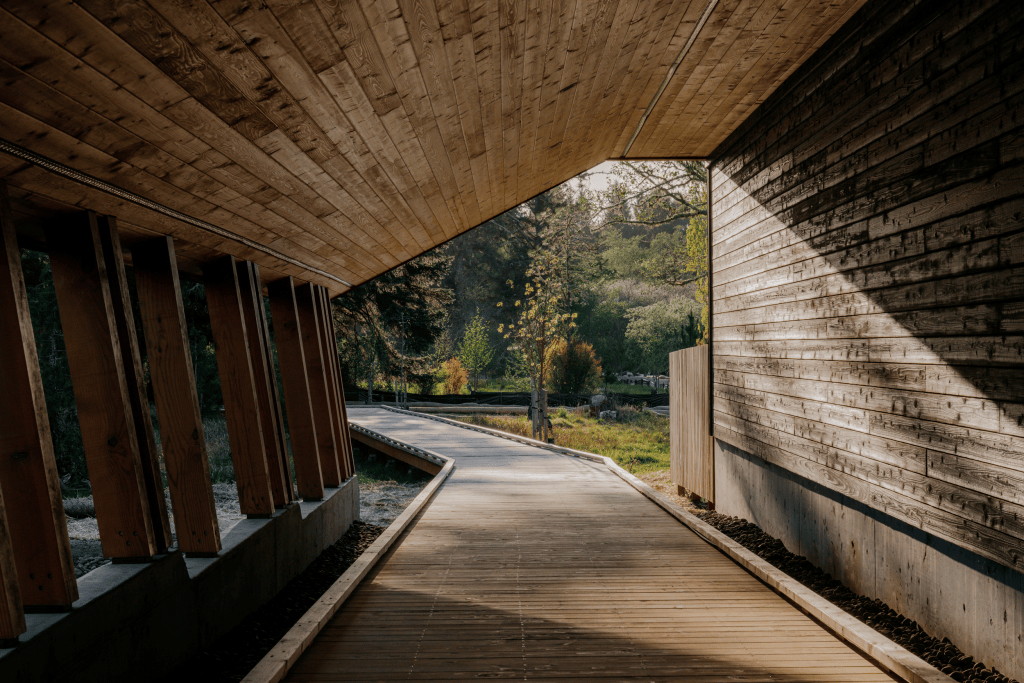
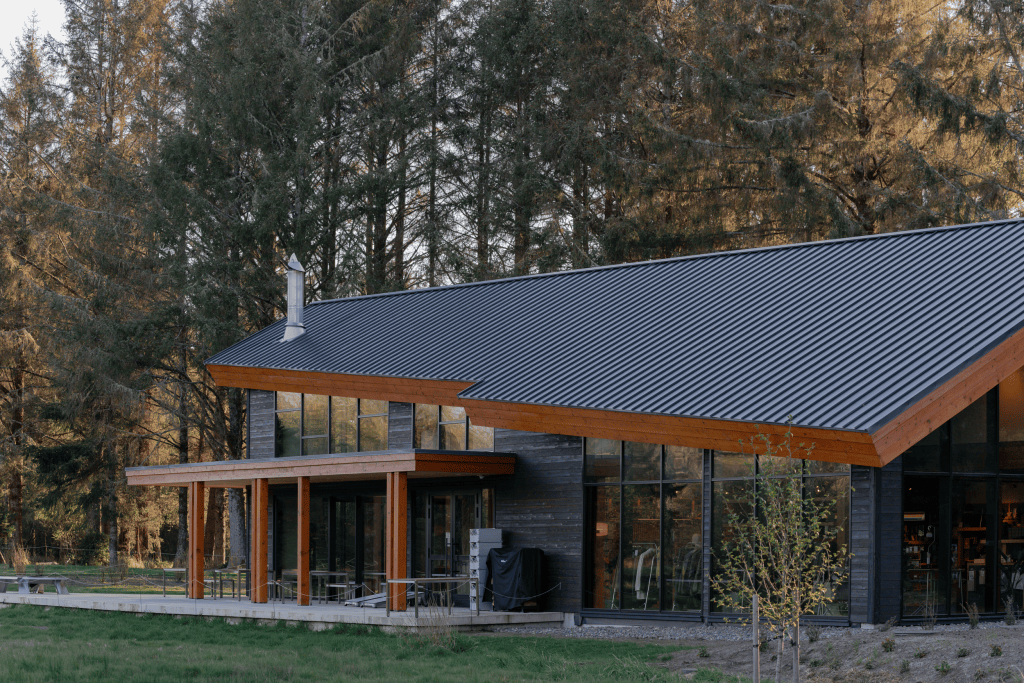
From an architectural standpoint, the property is designed to be a visual joy. Guests pausing to examine a canted roofline, the curve of a board-formed concrete wall, overlapping stacked timber joinery, or the way sunlight filters through patterned framing are witnessing a deliberate execution of craft. Snow Peak commissioned Kengo Kuma & Associates—the renowned architectural firm behind the brand’s Japanese sites—to design the structures, while local Pacific Northwest builders brought the plans to life.
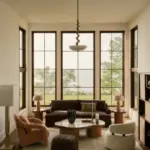
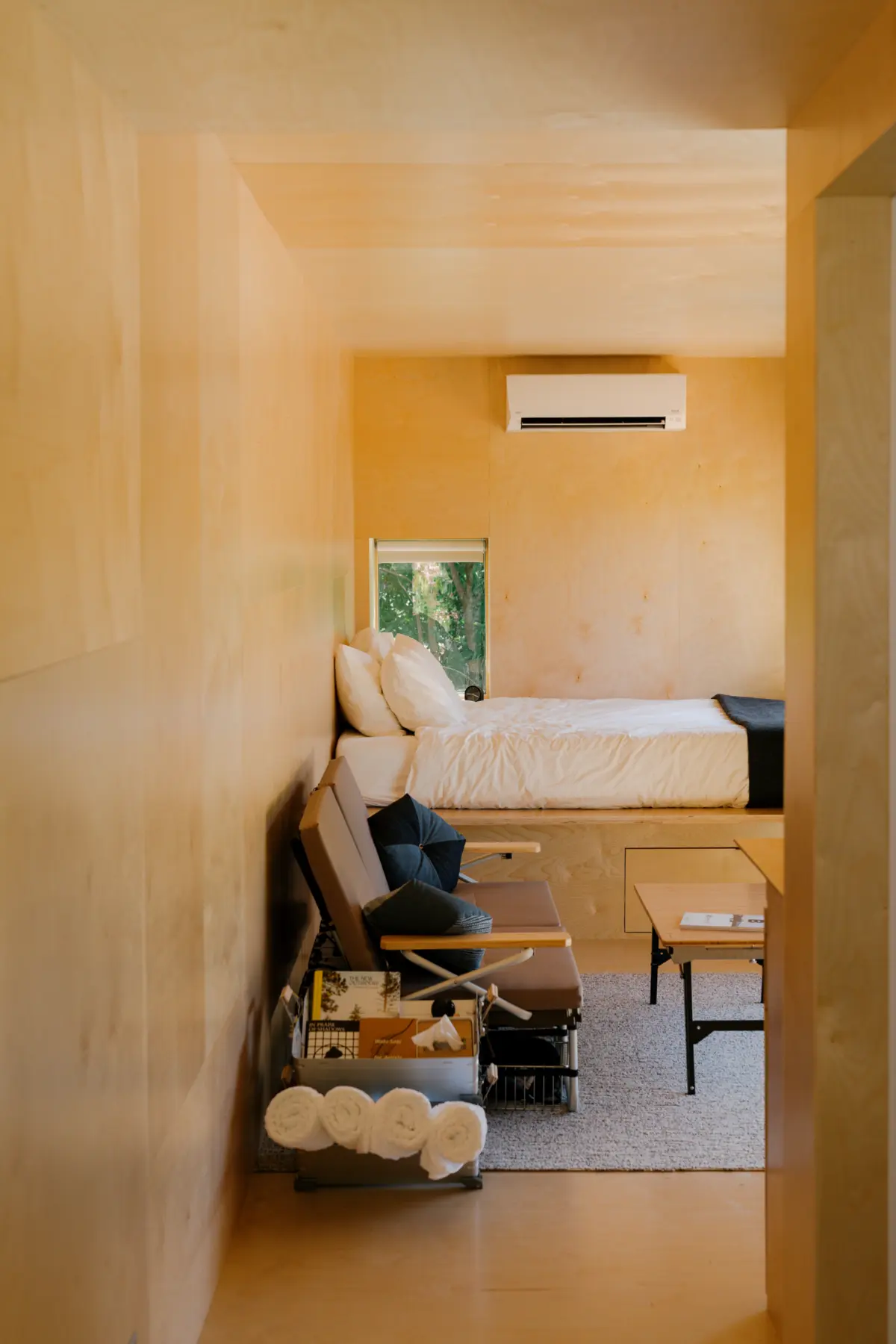
This artistic intentionality is prominently displayed in the Jyubako Suites, whose name translates roughly as "living box." These compact cabins, roughly comparable in scale to a small RV, are tailored primarily for couples or small families seeking refined comfort. While staying in a cabin places guests slightly less immersed in raw nature, Clouser explains that the structural design—featuring bright, lightly polished pine walls and low-set windows—encourages both personal privacy and an urge to step outside. Within the central living space, a low table invites guests to sit on the floor in a traditional Japanese style. From this vantage point, a visitor’s eyes align precisely with the threshold of a small glass door opening onto an outdoor porch, creating a subtle invitation to venture beyond the interior walls.
The Jyubako units come equipped with modern conveniences including a mini-fridge, a stovetop, a complete stock of tableware, and a private bathroom with a shower. Unsurprisingly, families traveling with toddlers frequently favor these suites to streamline the logistical challenges of managing young children without sacrificing basic modern amenities.
Regardless of their chosen accommodation type, nearly all visitors gravitate toward the property’s crowning amenity: the Ofuro Spa. While the term traditionally refers to a standard Japanese domestic bath, and does not replicate the natural hot-spring-fed resort experience of a Japanese onsen, the Campfield Ofuro functions closer to a luxurious public sento, complete with varying water temperatures, a sauna, and a cold plunge.
The spa space begins with a minimalist changing area featuring a large dark wood wall equipped with clothing pegs and outerwear shelves, alongside modern showers designed for pre-soak cleansing. True to the property’s design philosophy, the true character of the Ofuro is revealed only after rounding a structural partition. Much like the entrance ramp at the campground gate, stepping past the wall transports the visitor into a tranquil sanctuary.
The massive outdoor soaking tub looks directly out onto a mossy, light-green forest of quaking aspen trees, offering a shared contemplative space for friends and newly acquainted neighbors alike. The soaring timber beam structure spanning the interior floor plan was engineered specifically to echo the arching canopy of the surrounding native trees. Stepping into the steaming bath on a characteristically cool and foggy Pacific Northwest afternoon, visitors can easily imagine themselves transported thousands of miles away to the historic home of Snow Peak in Japan.