





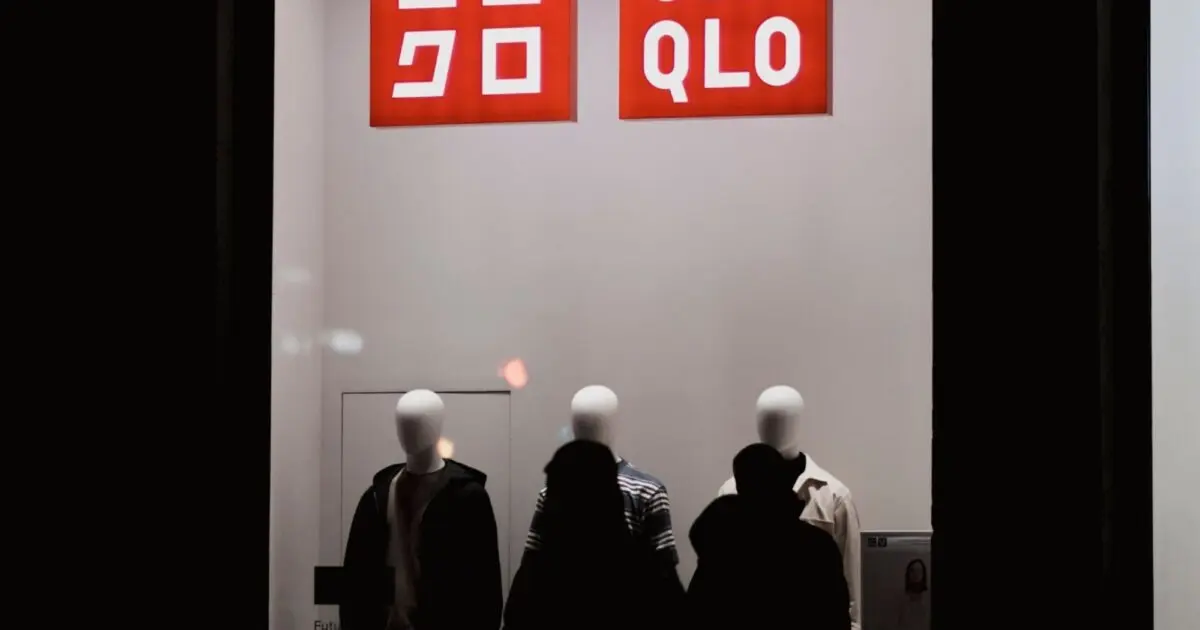
When the autumn chill sets in or winter demands reliable layering, many shoppers turn to Uniqlo for its ubiquitous cardigans, lightweight puffer jackets, and comfortable everyday staples. Known for a minimalist aesthetic that bridges casual comfort and enduring utility, the Japanese multinational retailer has built a massive global empire since opening its first storefront in Hiroshima in 1984. Today, with approximately 2,500 stores worldwide, founder Tadashi Yanai—one of Japan’s wealthiest individuals—has made no secret of his ambitions. According to Forbes, Yanai harbors aspirations to propel Uniqlo past industry titans like H&M and Zara to become the world’s largest fashion retailer.
Yet, as the brand continues its aggressive expansion, scaling up production to meet soaring international demand, a critical question arises: how ethical and sustainable is Uniqlo behind the scenes?
Based on a comprehensive rating published in June 2026 by sustainability intelligence platform Good On You—which evaluates brands using rigorous ratings systems based on public disclosures and third-party reporting—Uniqlo currently holds a middling overall score of “It’s a Start.” While the brand outpaces many traditional fast fashion competitors by prioritizing timeless designs over ultra-short fashion cycles, analysts point out that massive scale brings profound environmental and social challenges. To understand where the retailer truly stands, a closer look at its performance across three core pillars—the planet, labor conditions, and animal welfare—reveals a complex picture of progress coupled with significant areas for improvement.
Environmental Impact: Steps Toward Circularity Overshadowed by Scale
In the realm of environmental stewardship, Uniqlo earns an “It’s a Start” rating. The brand has introduced several commendable initiatives aimed at minimizing end-of-life textile waste, including comprehensive clothing recycling programs for consumers and dedicated repair and reuse initiatives such as the RE.UNIQLO Studio. From a circularity perspective, these programs are complemented by the brand’s focus on durable, classic apparel that avoids the volatile “new styles every week” strategy characteristic of ultra-fast fashion competitors.
Despite these positive measures, however, the fundamental realities of operating a retail empire of this magnitude present considerable hurdles. Uniqlo continues to produce clothes on a massive scale, frequently employing promotional discounting strategies to encourage high-volume purchasing. These practices remain core components of the unsustainable fast fashion business model, driving high turnover and contributing to textile waste.
Furthermore, transparency regarding material sourcing remains a challenge. While Uniqlo incorporates some lower-impact materials into its collections, analysts have noted a lack of aggregate data breaking down the exact percentage these materials represent within the brand’s overall inventory. Such transparency is crucial for measuring the tangible impact a company is making in replacing conventional, resource-heavy fibers.
Regulatory scrutiny has also highlighted transparency gaps. An advertisement by Uniqlo in the United Kingdom was recently banned after advertising regulators ruled that claims regarding a fleece being made from "recycled materials" were overly vague. Compounding these disclosure issues, while Uniqlo has established science-based climate change targets to reduce supply chain emissions and has stated its intention to eliminate hazardous chemicals following 2025, analysts at the time of the June 2026 review found insufficient public evidence to determine whether the brand was successfully on track to meet these goals.
Labour Conditions: Strong Supplier Frameworks Meet a Living Wage Shortfall
Uniqlo’s strongest performance lies in its labor practices, where the brand achieves a “Good” rating. The company’s social auditing program, which covers its entire final production stage, is accredited by the Fair Labor Association (FLA), signaling a robust commitment to monitoring factory conditions. Additionally, Uniqlo’s corporate Code of Conduct incorporates the principles of the International Labour Organization’s (ILO) Four Fundamental Freedoms.
Beyond standard auditing, the multinational retailer has implemented proactive measures designed to foster financial stability and empowerment throughout its supply chain. The brand maintains initiatives aimed at providing financial security for its suppliers, which helps safeguard workers against volatile market shifts and ensures a foundation for better working conditions. Furthermore, Uniqlo has rolled out leadership development programs tailored specifically for women in its supply chain, fostering upward mobility and professional empowerment in the global garment workforce. These types of social investments are precisely what consumers and industry watchdogs expect from financially powerful global corporations.
Nevertheless, a glaring omission prevents Uniqlo from achieving top-tier labor status: the payment of living wages. Although the brand acknowledges the issue through projects aimed at improving worker compensation, analysts found no concrete evidence that Uniqlo ensures a living wage is actually paid to workers at any tier of its extensive supply chain. While the company demonstrates commendable leadership in auditing and supplier relations, guaranteeing a dignified livelihood for the people who craft its garments remains a vital next frontier.
Animal Welfare: Avoiding Fur While Missing Critical Certifications
When it comes to animal welfare, Uniqlo once again secures an “It’s a Start” rating. On the positive side, the retailer completely avoids the use of several controversial and ethically fraught materials, including fur, alpaca, shearling, and mohair.
However, the brand continues to rely heavily on leather without demonstrating a commitment to certified leather production. Independent certifications are essential for verifying high standards of animal welfare, ensuring supply chain traceability, and mitigating the use of hazardous chemicals during tanning and processing.
During the winter season, materials like cashmere, down, wool, and lightweight puffer jackets form a core pillar of Uniqlo’s product lineup, indicating a high volume of animal-derived inputs. While the company explicitly states that it sources wool exclusively from non-mulesed sheep—a crucial animal welfare standard—it fails to provide transparent documentation outlining how this sourcing practice is verified and enforced throughout the supply chain. Additionally, Uniqlo’s overarching animal welfare policy falls short of full alignment with the internationally recognized Five Freedoms framework.
To elevate its standing, analysts suggest that Uniqlo must strengthen its formal welfare policies, commit to phasing out certain high-impact animal materials entirely, or transition comprehensively to certified and recycled alternatives.
Navigating Sustainable Choices in a Complex Market
Ultimately, Uniqlo occupies a complicated space within the modern apparel landscape. Its middling “It’s a Start” rating reflects a brand that is actively pursuing notable labor standards and environmental policies, yet remains fundamentally anchored to the high-volume production models of the fast fashion industry. The lack of verifiable living wages across its supply chain and the need for stricter animal welfare and material transparency policies demonstrate that considerable work remains.
For consumers navigating these realities, sustainability experts emphasize that progress often takes precedence over perfection. While shopping with specialized, highly rated sustainable brands remains an ideal choice, budget constraints, size availability, and personal needs mean that commercial retailers like Uniqlo often fill practical gaps. Compared to ultra-fast fashion operations that invest virtually nothing into ethical or environmental accountability, Uniqlo’s emphasis on durable, timeless staples represents a step forward. Informed consumers seeking change can continue to support progress by utilizing brand directories, engaging with corporate accountability tools, and demanding greater transparency from the retailers they support.