






As the modern hospitality industry steadily moves away from generic, brand-standard "copy-paste" design models, Cincinnati’s newest destination embraces a decidedly site-responsive approach rooted in adaptive reuse. The 165-key Fidelity Hotel occupies the historic Gwynne Building, a distinguished Beaux-Arts landmark designed by early 20th-century architect Ernest Flagg that once served as the corporate headquarters for Procter & Gamble. The ambitious transformation successfully balances the meticulous preservation of architectural history with the dynamic functional needs of a contemporary city-center hotel.
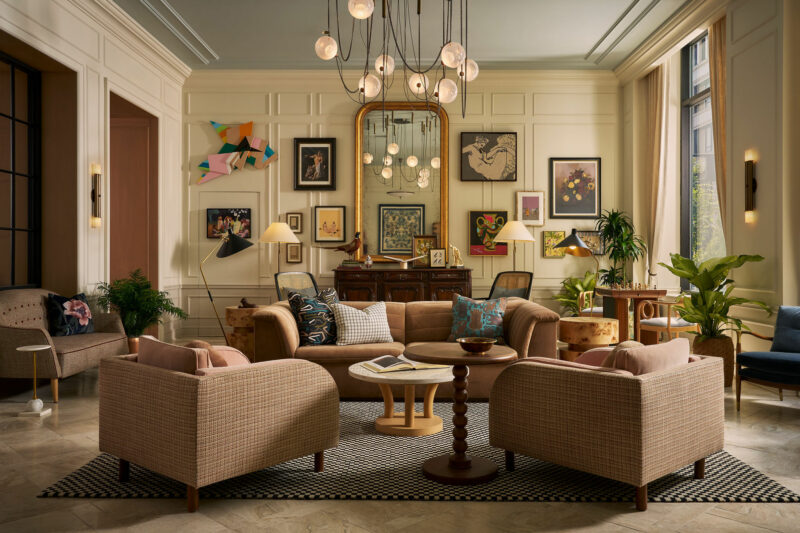
Developer New Waterloo has taken a deeply considered approach to the property, betting that travelers of today increasingly resonate with a strong, authentic sense of place rather than sterile standardization. Stepping into the lobby, visitors are greeted by an immediate impression of restrained confidence. Rather than veering toward cold minimalism or ostentatious luxury, the design team at Dallas-based Looney & Associates opted for a layered, residential treatment that draws heavily on Cincinnati’s historic moniker as the "Paris of America."

This design reference extends far beyond surface-level thematic dressing. In the grand entry hall, newly reintroduced vaulted ceilings and intricate steel flourishes faithfully replicate architectural elements that originally stood in the space decades ago. Bold wallcoverings, natural marble floors arranged in striking geometric patterns, and a carefully curated selection of artwork by local talents soften this nostalgic grandeur, creating a welcoming threshold for guests and locals alike.
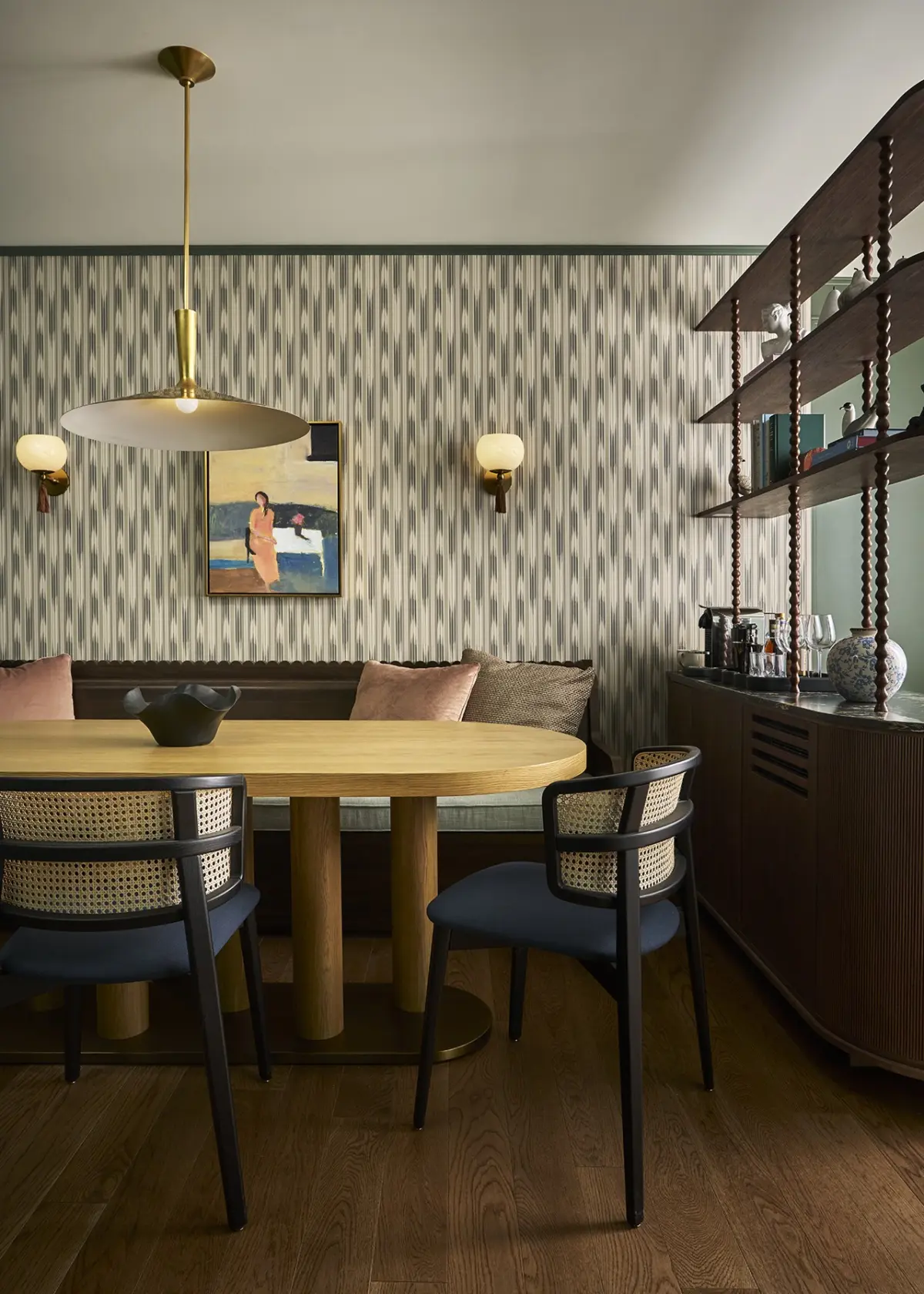
Moving through a set of recessed, curved passageways, the hotel’s signature restaurant, Gwynne, carries the design narrative forward in a sophisticated shade of light salmon pink. Here, Chef Brad Bernstein’s Ohio River Valley-inspired menu pays homage to Cincinnati’s historic "Porkopolis" legacy, celebrating local culinary heritage through a contemporary lens. Nearby, Cora’s All Day Café takes its visual and atmospheric cues from the bustling historic markets that once dotted the surrounding Fountain District. Opening directly onto the revitalized neighborhood, both dining and social spaces function as urban living rooms, anchoring the property within the active rhythm of downtown Cincinnati.
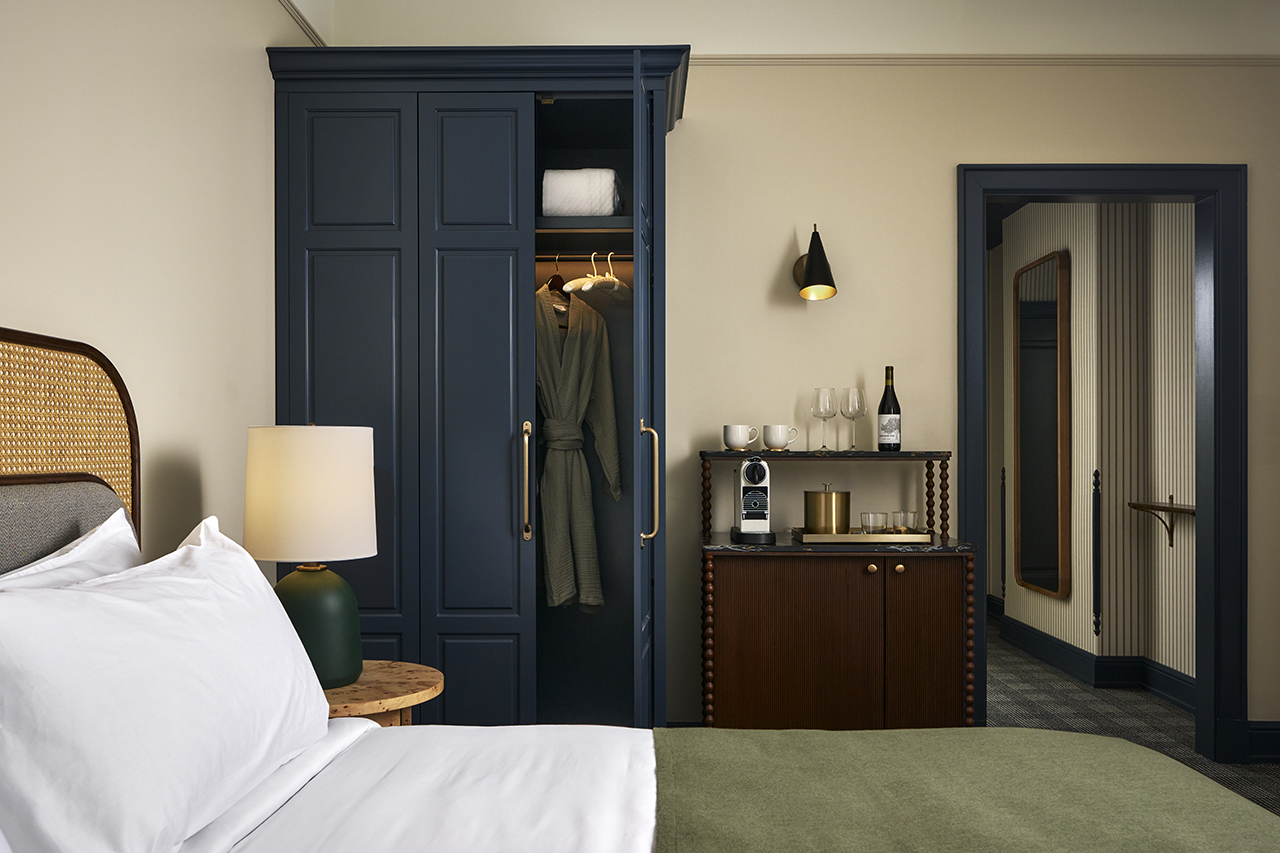
Much of the guest experience is deliberately framed by tactile and material choices. The apartment-style guestrooms feel remarkably intimate, moving purposefully away from a cavernous, impersonal aesthetic in favor of a residential, parlor-like atmosphere. Unlacquered brass fixtures, rich hardwood floors, and layered textiles give the interiors the organic appearance of having evolved gracefully over time. These thoughtful details extend to locally stocked minibars and plush Parachute bathrobes, ensuring a high level of comfort and localized authenticity.
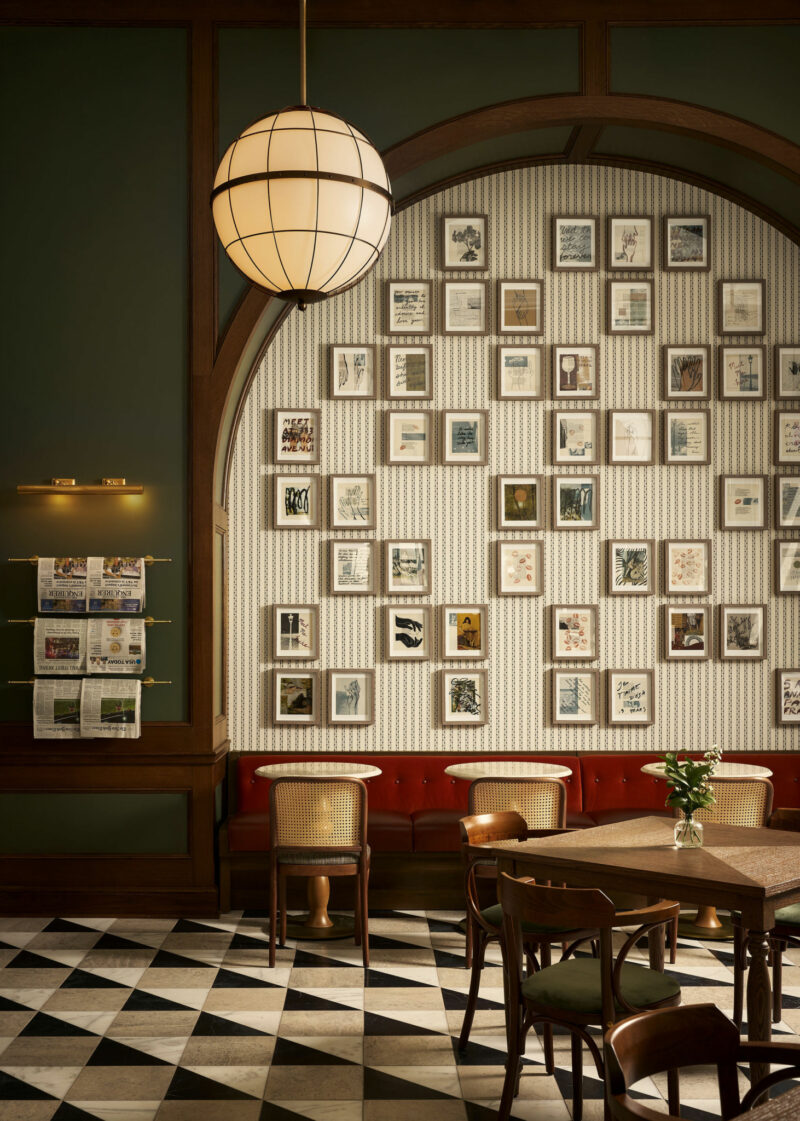
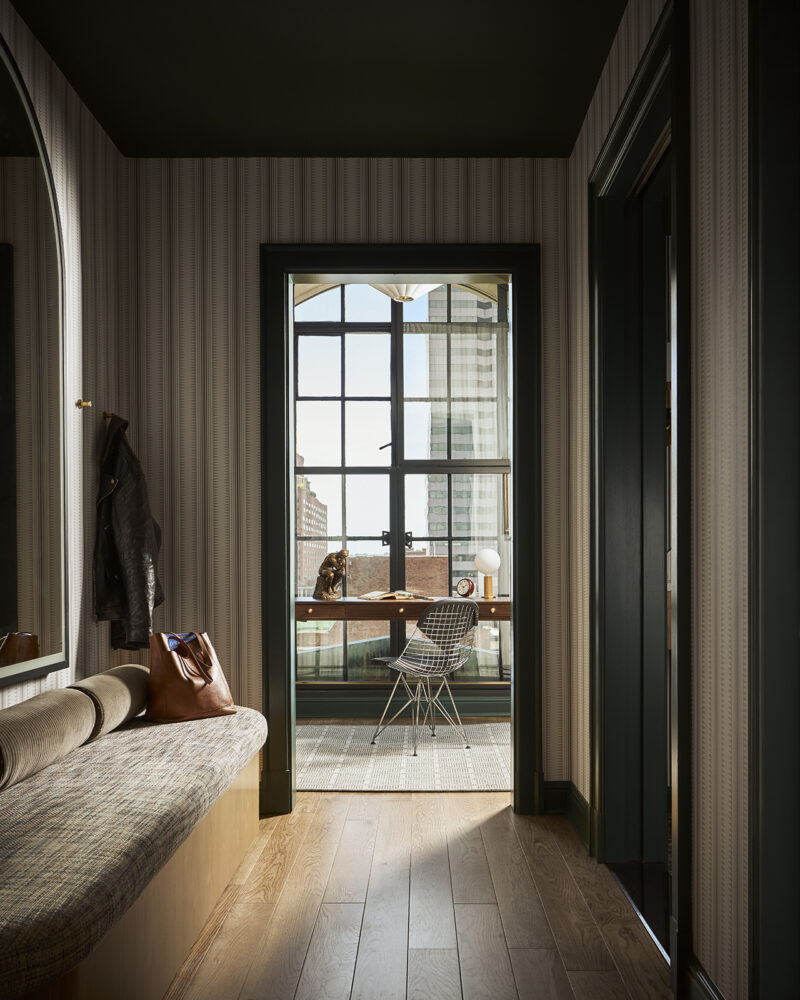
Throughout the property, a darker paint palette and traditional decorative elements like frame moulding reinforce the connection between past and present while successfully balancing the perceived scale of rooms that might otherwise feel overly confined or cavernous.
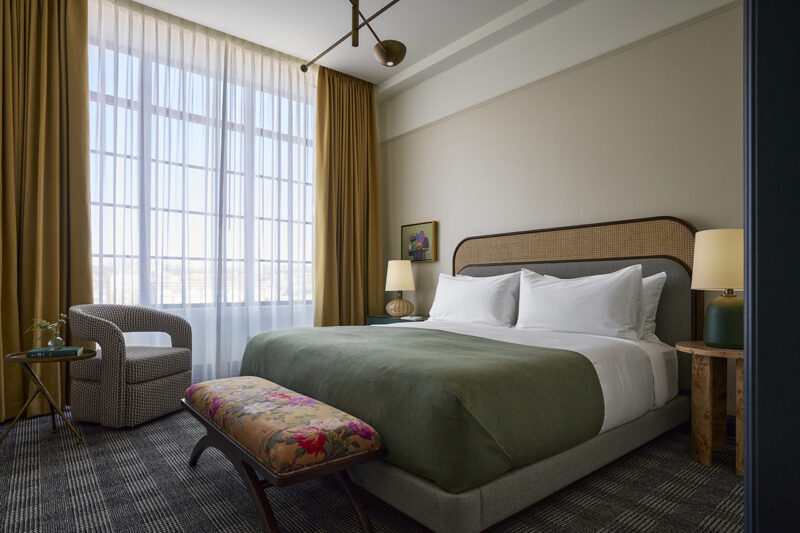
Restoring the National Register-listed Gwynne Building proved to be a technically complex engineering endeavor. The highly ornamented structure is actually a composite of four distinct buildings featuring varying floor elevations and disparate structural systems. To better unify the architectural program, architects and engineers introduced a dramatic new four-story light court, complete with a grand central staircase. Beyond reinforcing the building’s historical character, this substantial architectural feature serves as a central artery, funnels fresh air and abundant natural light into the previously segmented interior. Similarly, the careful reopening of once-closed terraces keeps guests visually connected to the surrounding city skyline, permanently tethering the hotel to its vibrant downtown setting.
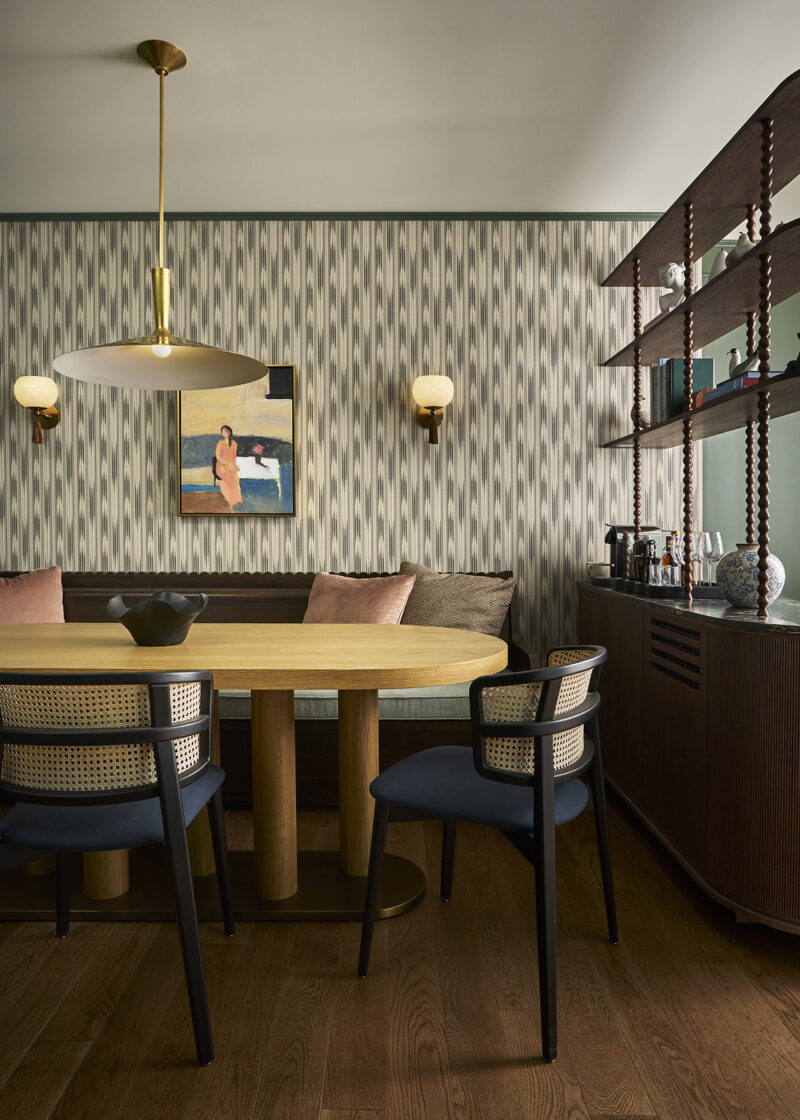
In a local market already home to established art-centric hospitality destinations like the 21c Museum Hotel, the Fidelity Hotel must carve out a distinct identity of its own. Its answer relies less on singular, Instagram-driven "wow" moments or high-concept art installations and more on the cumulative, subtle effect of architecture, materials, and details that feel inherently rooted in the building itself. By honoring the Gwynne Building’s grand Beaux-Arts bones while embracing the intimacy of a modern pied-à-terre, New Waterloo has given the historic structure a vibrant new purpose without erasing the unique qualities that made it worth preserving in the first place.