




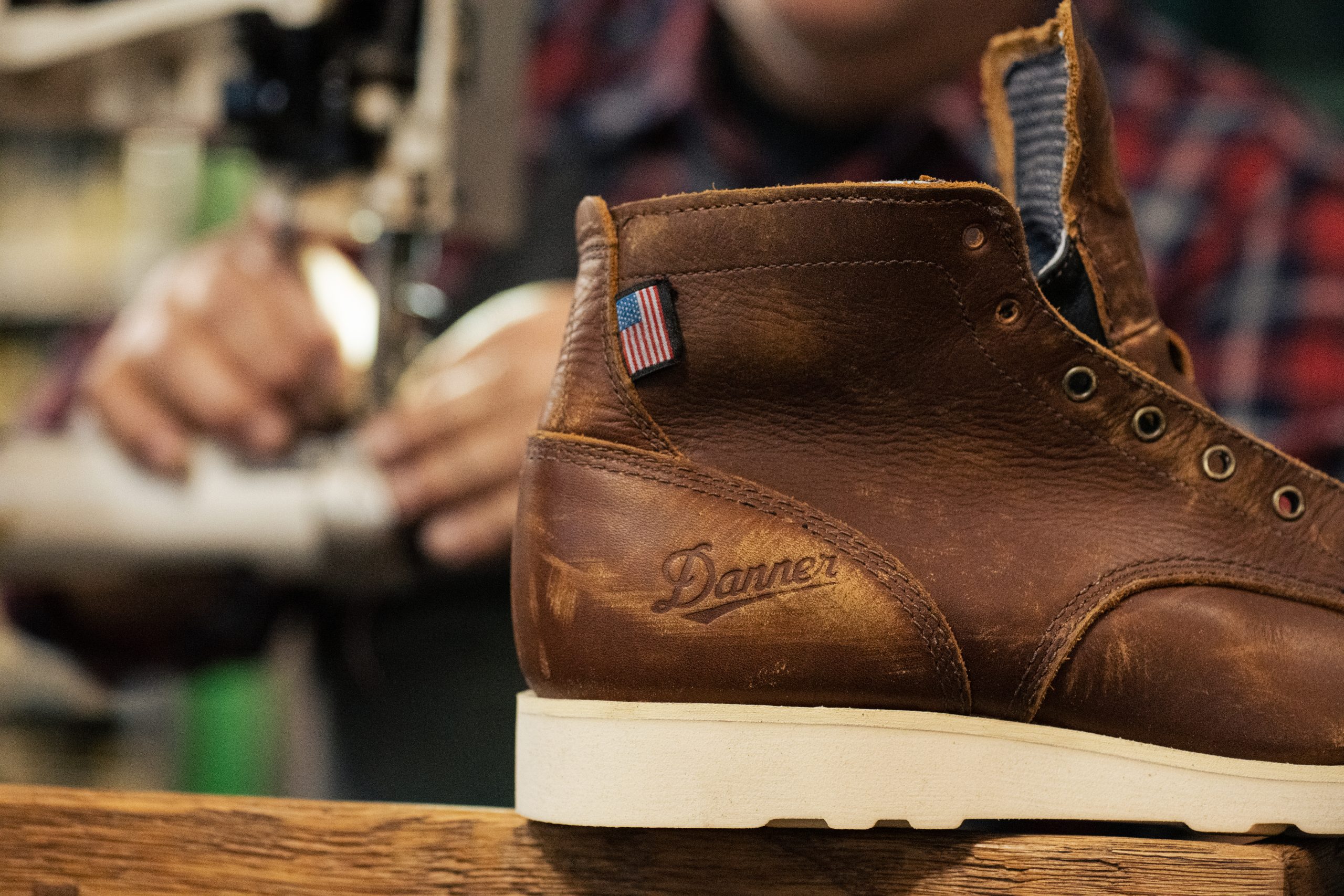
At a quiet bullpen deep within the sprawling Danner factory in Portland, Oregon, Miguel Mayoral moves with the deliberate, unhurried grace of a master artisan. Danner refers to this specialized section of its manufacturing facility as The Nest—a creative skunkworks where the brand’s heritage meets forward-thinking design. Here, the company’s design team sends daydreams and preliminary sketches of future footwear concepts. Folks like Mayoral, who has dedicated nearly 46 years of his life to Danner, take those ideas and build sample boots entirely by hand. In the automotive industry, this process is akin to clay modeling; in the world of heritage shoemaking, it is where raw imagination is tested against the harsh realities of physics and materials science.
The purpose of this hands-on experimentation, Mayoral explains, is to answer fundamental questions about feasibility. Can this specific boot actually be manufactured? What exact steps would be necessary to enable Danner’s vast workforce—alongside a few precision robots—to produce this shoe or boot efficiently and at scale? In recent years, however, a vital new layer of complexity has been added to the brainstorming sessions in The Nest. Mayoral and his colleagues must now consider whether a newly conceptualized model can be broken down a decade or more down the line, after a rugged life out in the wild, and put back together again.
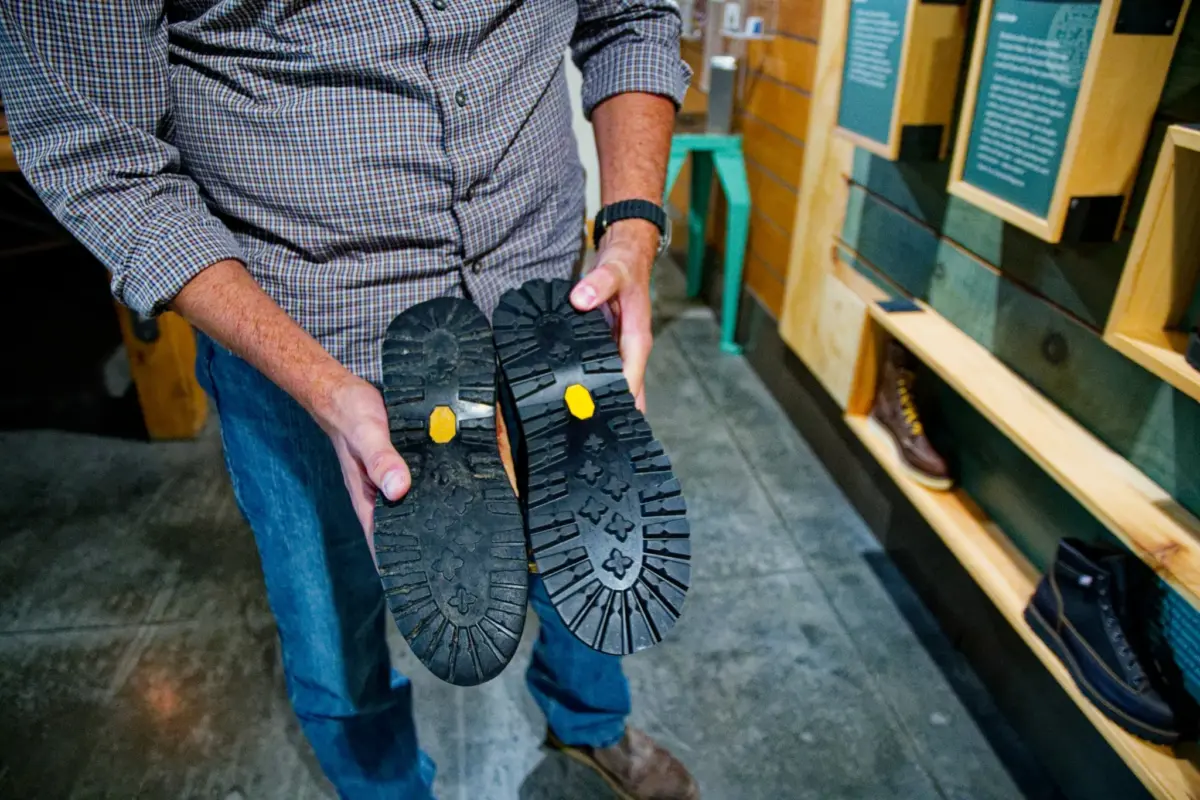
This philosophy is central to what Danner calls recrafting. At this juncture in the company’s 94-year history, leadership harbors a bold ambition: to make every single product they create entirely recraftable. The goal is to design footwear that does not merely have a single life cycle, but genuinely outlives its first owner. Achieving this durability requires a sophisticated approach to manufacturing, ensuring that the upper, the midsole, and the outsole can be systematically separated so that worn-out components can be meticulously repaired or replaced long after the boots have moved past the comfortable "broken-in" stage and devolved into a "broken-down" state.
Mayoral’s role in The Nest extends far beyond merely building a conceptual prototype. He is tasked with rigorously evaluating the materials chosen by the design team to ensure they are fit for the intended use case of the concept. Later, he collaborates closely with the engineering team to determine whether a blue-sky design makes practical sense in terms of everyday manufacturability and uncompromising quality standards.
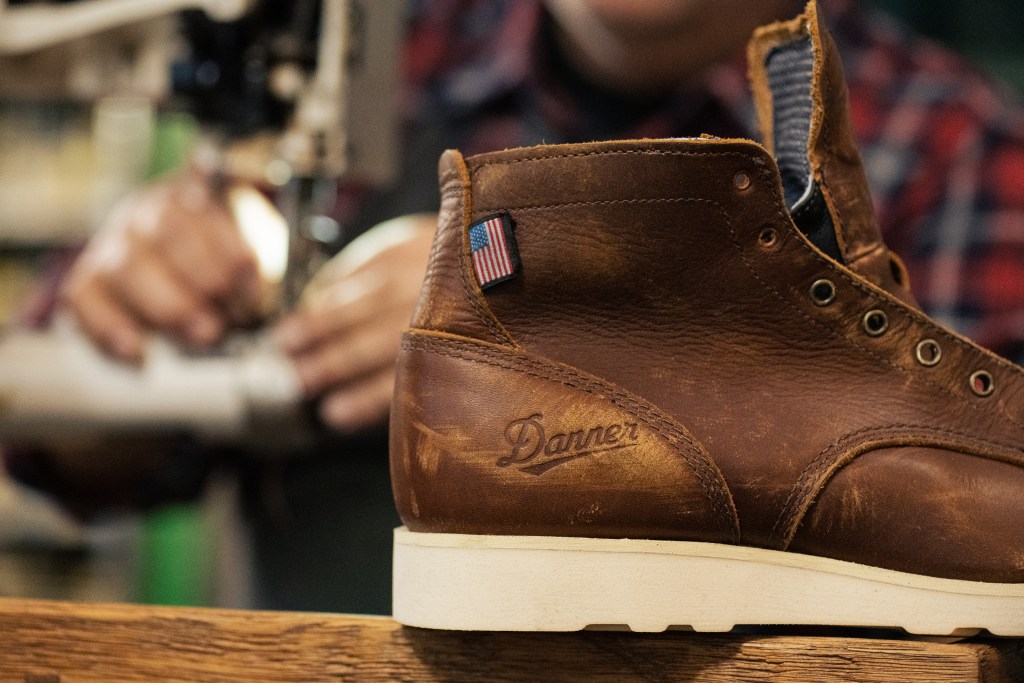
The fact that Mayoral is even standing in a Portland factory today is a story of serendipity rooted in the shifting tides of American manufacturing. In the late 1970s, he was working at a bustling shoemaking facility in northern California that was churning out thousands of shoes and boots every single day. Yet, that operation was rapidly winding down, preparing to ship its manufacturing operations overseas. The company was engaging in the common industry practice of doing minimal finishing touches in the United States solely as a legal loophole to slap a "made-in-the-US" label on foreign-made products.
One day, a recruiter walked through the factory floor, spotted Mayoral’s skilled craftsmanship, and approached him with a proposition. There was a company up in Portland, Oregon, the recruiter explained, that desperately needed individuals with genuine footwear experience. Mayoral had never set foot in Oregon, but he could read the writing on the wall regarding the future of the California plant. Although the relocation stipend offered was modest, Mayoral was 25 years old, single, and ready for an adventure. He packed his belongings into his car and drove north.
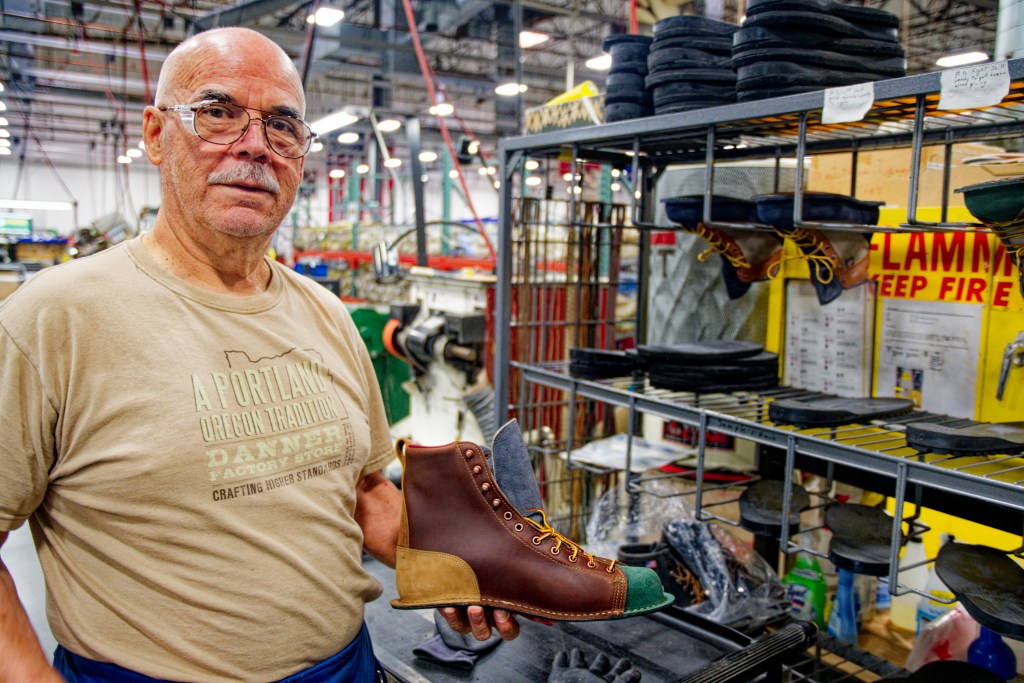
Upon his arrival, however, he experienced a profound sense of culture shock. Unlike the highly mechanized California plant he had left behind, the Danner facility featured hardly any machines at all. Workers were crafting footwear the old-fashioned way, entirely by hand, producing a meager 50 boots a day. When management asked Mayoral what specific processes he knew how to replicate, his confident reply set the tone for his career: "From the beginning probably to the end?"
That answer was music to the company’s ears. Just as it does today, Danner had no desire to employ assembly-line workers functioning merely as robotic drones stuck at isolated workstations. Instead, the brand has always prized deep expertise, encouraging employees to learn every single step of the shoemaking process so they could evolve into masters of the craft, much like Mayoral has. Inside today’s facility—which is vastly larger than the modest 1970s operation—Danner maintains this rigorous educational tradition. Mayoral and his seasoned peers teach new recruits essential, time-honored skills, such as complex multi-needle sewing and the nuanced art of grading incoming leather.
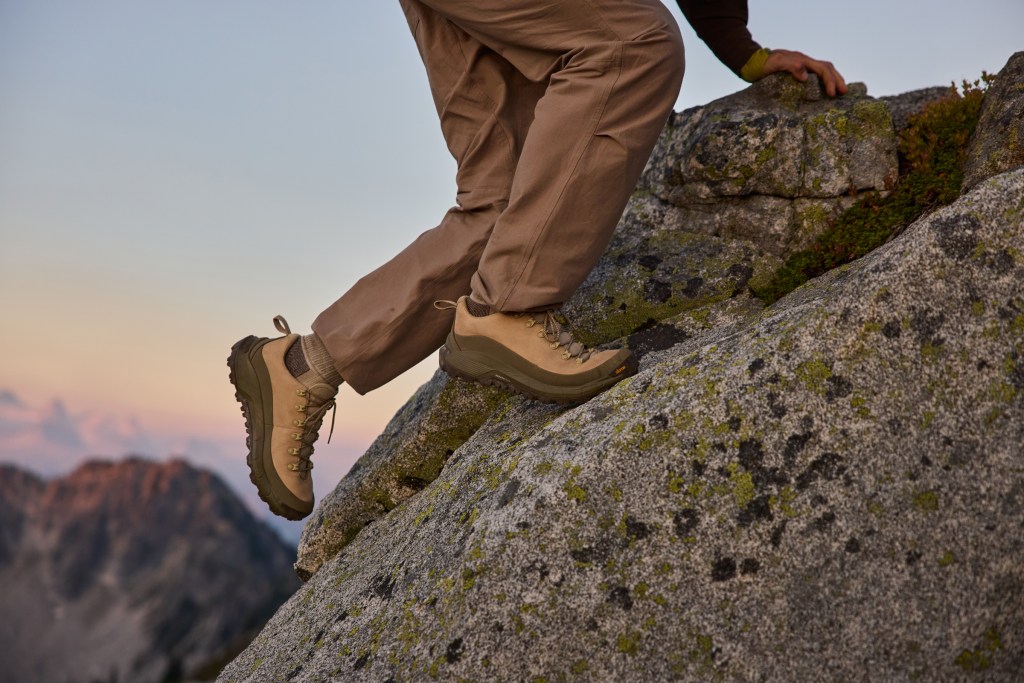
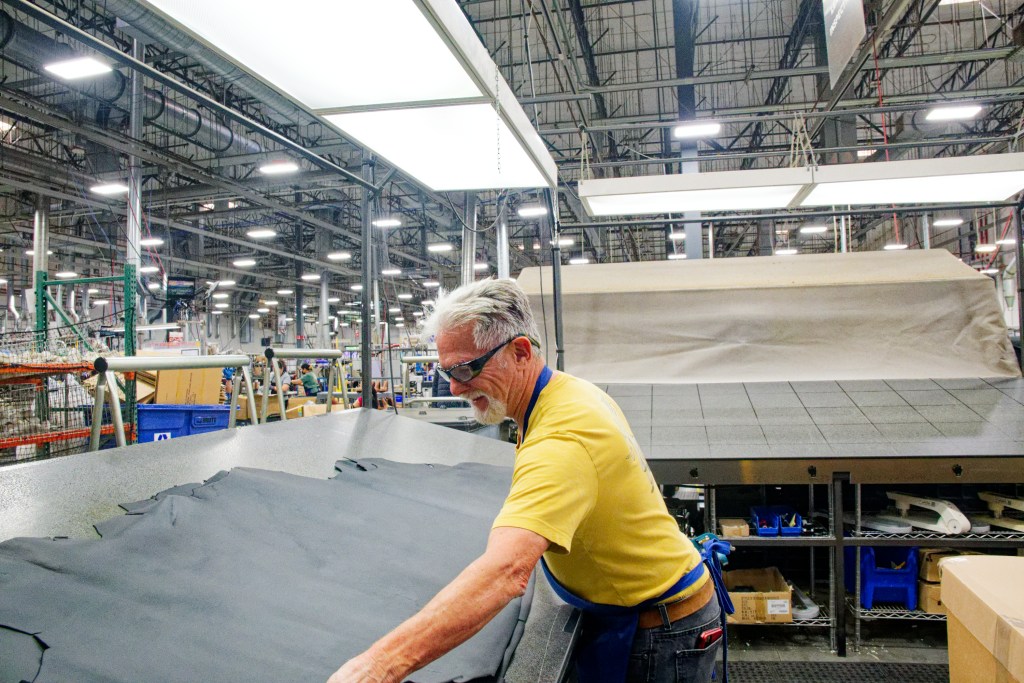
The leather used by Danner arrives as a byproduct of the meat industry. As leadership notes, if humans are going to consume meat, utilizing the resulting hides for durable, high-performance, and recraftable footwear is an environmental and practical imperative. A few stations away from The Nest, Jay Bosshart—who has dedicated over 30 years of his life to Danner—stands over a massive leather hide, evaluating its quality with a practiced eye.
The hide before him is half a cow, tanned in Mississippi before making its journey to the Portland factory. Bosshart scans the surface, identifying details that remain utterly invisible to an untrained, naked eye: subtle tick bites, minor fencing scratch marks, and the inherent structural strength of the leather, which he can gauge simply by pressing his fingers into the material, though specialized tools are provided for newcomers. Leather thickness is a critical variable. While thicker leather offers superior protection against the elements, it cannot be used on areas of a boot that require high flexibility. Conversely, thinner leather is inappropriate for sections that will inevitably scrape against jagged rocks while backpacking.
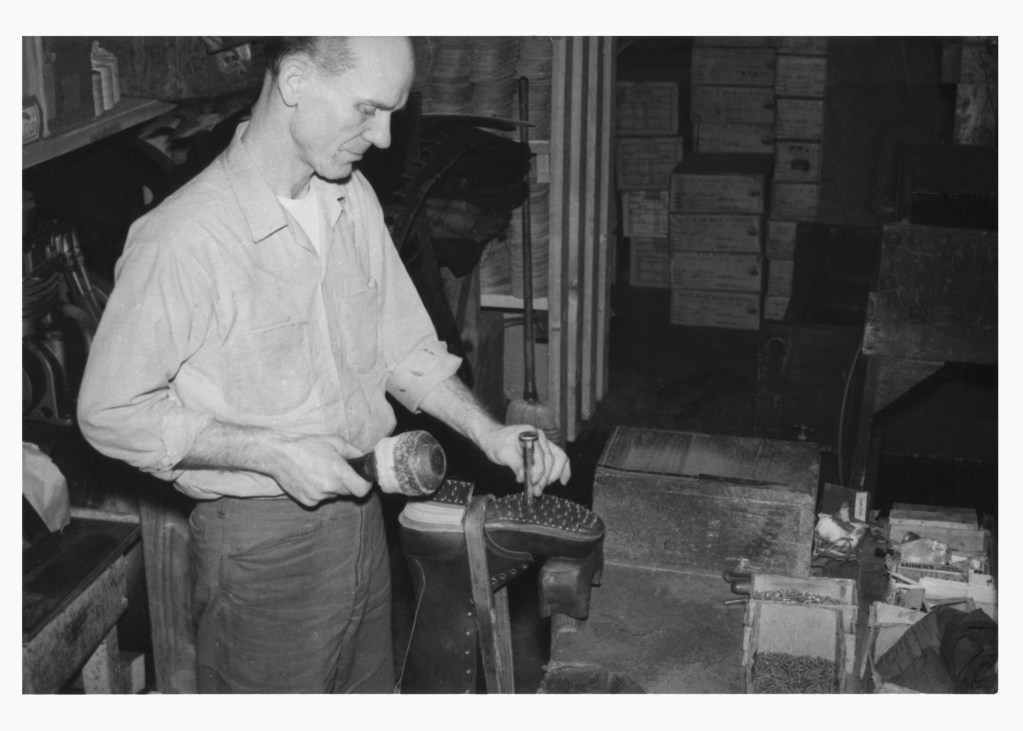
Ruggedness is a non-negotiable trait for Danner footwear. The company built its foundational reputation supplying heavy-duty boots to loggers, and it continues to provide specialized footwear to countless industrial and construction workers today. Once Bosshart finishes grading and marking a hide, it is transferred to a computerized scanning station. A high-tech optical scanner inspects the entire piece of leather and automates every cut required to achieve the highest possible yield. Even sections of the hide bearing minor cosmetic flaws or scratches are not wasted; instead, they are strategically integrated into hidden structural folds or interior portions of the boot where blemishes will not compromise performance or appearance.
Fast-forward a decade or more into the future. Imagine a pair of those very same boots, having endured years of heavy trail use, finally making their way back to Danner for recrafting. This is where Mark Tingley enters the narrative. Tingley works a few blocks away from the main factory, stationed in a dedicated facility adjacent to the retail store. Here, a small cadre of seasoned Danner veterans must possess the ingenuity to take apart virtually any style of footwear the company has ever produced and, when necessary, invent creative, custom processes to reconstruct them.
To demonstrate this capability, a pair of heavily battered Mountain 600 boots, worn continuously for over a decade, was brought into the facility. They had clearly lived a full life, bearing the accumulated wear and tear of countless overnight backpacking trips, kayak portages, smoky campfires, and brutal winter chores like shoveling heavy snow. Understandably, they looked more than a little worse for wear.
Sometimes, Tingley remarks, the workshop receives boots dating back to eras long before his tenure at the company—boots that may have been previously patched up by local cobblers using improvised stitching. The challenge lies in carefully analyzing the original construction methodology and figuring out the ideal retrofit to restore structural integrity. For a craftsman with Tingley’s temperament, the role is an ideal fit because it presents fresh, unpredictable puzzles to solve on a daily basis.
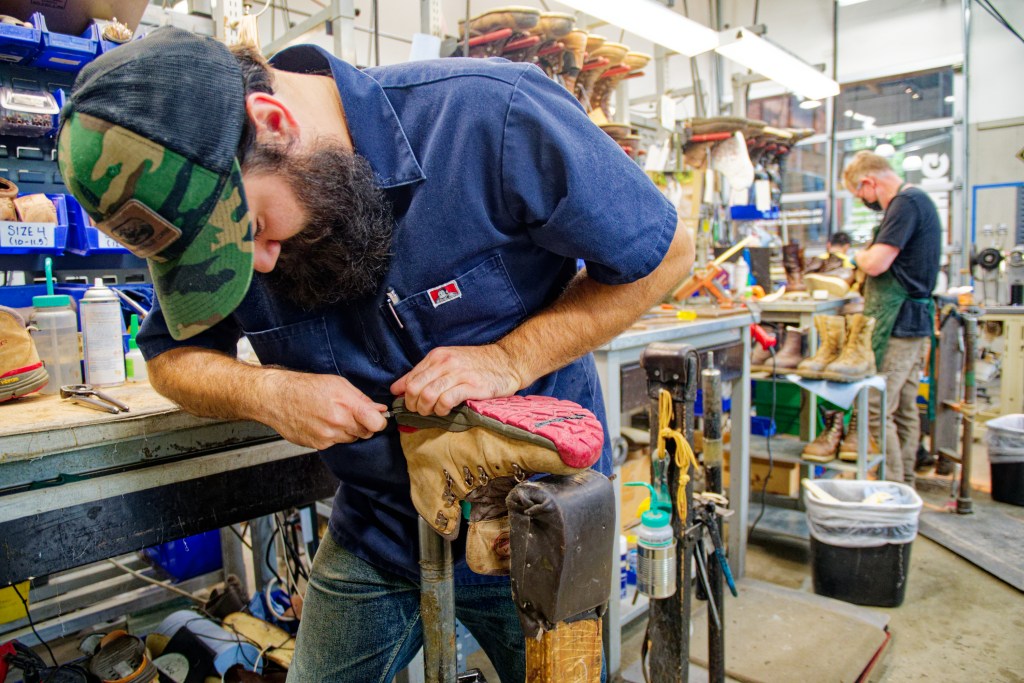
When you deconstruct a well-worn boot, you are stripping it down to its fundamental DNA, Tingley observes. Once the shoe is taken apart, even if the specific model has long since been discontinued, underneath the scuffs and weathering, it remains unmistakably a Danner boot. Craftsmen like Tingley can revitalize a tired, seemingly dead pair of boots by introducing modern updates, such as a fresh stabilizing shank and a brand-new outsole.
When returning to pick up the Mountain 600s after just an hour, the transformation is striking. Recrafted entirely by hand and guided by expert technical acumen, the boots feel phenomenal. They retain all of their hard-won cosmetic scars from years on the trail, but structural failures have been systematically remedied: a popped lacing eyelet has been replaced, the worn-out rubber outsole has been completely renewed, and the internal architecture of the boot has been thoroughly reinforced. Pulling them on, the leather immediately molds back around the feet and ankles with the familiar comfort of an old friend.
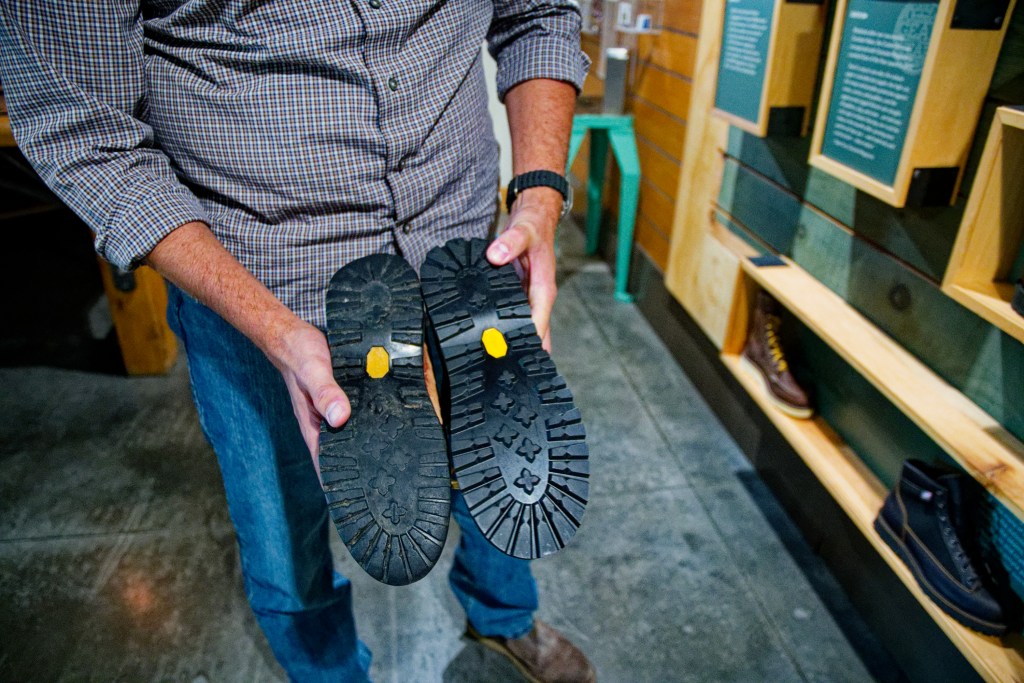
For Miguel Mayoral, the durability of the brand is personal. The boots he wears himself—dating all the way back to his earliest days working at Danner in the late 1970s—have been recrafted multiple times over the decades. You can truly beat them up out in the elements, he laughs, and the team will simply bring them back to life. You just cannot kill them.