







A first serious watch usually arrives attached to something—a career promotion, a milestone birthday, or simply years of quietly setting aside savings for a definitive purchase. It goes onto the wrist for a specific reason, and it tends to stay there long after that initial occasion has passed, evolving into a daily companion and a silent chronicler of personal history.
Deciding where to acquire that first piece introduces an entirely separate set of choices. A buyer might turn to an independent family jeweler, a high-end watch salon nestled within a multi-generational business, a multi-brand authorized dealer on a premier retail avenue, or the dynamic secondary market. In the latter, a reference that an enthusiast has been researching online for a year can be secured and worn by the weekend. Each retail channel offers its own specialized expertise, unique consumer protections, and a distinct atmosphere that welcomes the prospective first-time buyer through its doors.
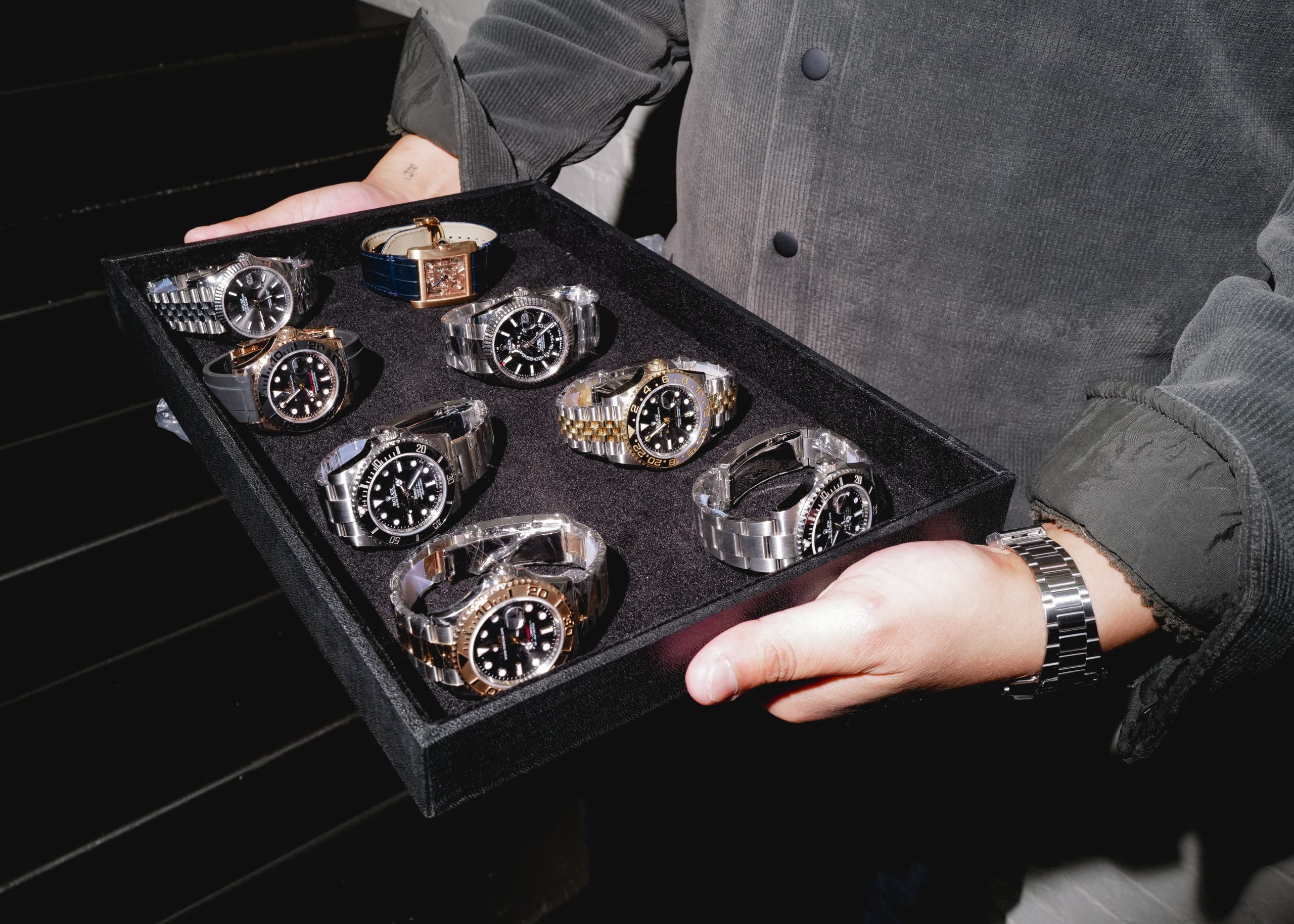
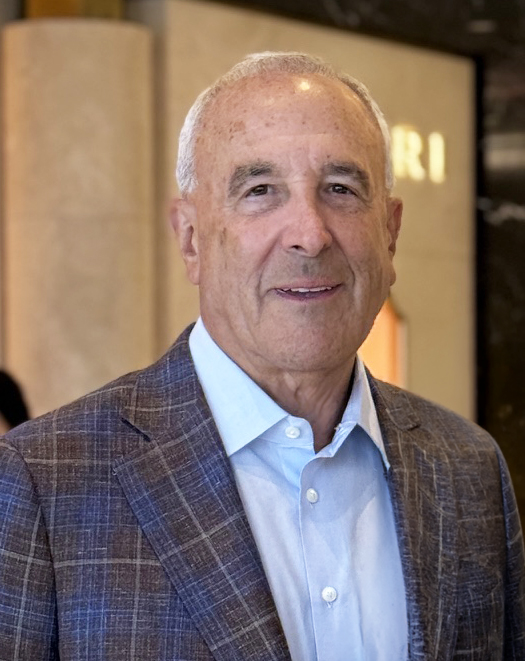
To understand the nuances of this pivotal milestone, insights were gathered from industry leaders representing every side of the luxury watch ecosystem. Mark Udell serves as the CEO of London Jewelers, a third-generation luxury enterprise currently celebrating its centennial year, featuring dedicated watch salons across its various locations. Ruediger Albers, known professionally as Rudy, acts as the President of Wempe USA, overseeing the multi-brand authorized dealer situated on New York’s Fifth Avenue as the American division of the historic German house. Meanwhile, Austen Chu founded Wristcheck, a prominent secondary-market platform complete with physical showrooms operating in New York, Hong Kong, and Macau.
Start With the Person, Not the Watch
Despite operating in different sectors of the horological landscape, all three industry veterans begin their consultation process far away from the display case. Udell emphasizes that his initial inquiry is never about the timepiece itself, but rather about the individual standing across from him. He seeks to understand what brought the client into the salon on that particular day, whether a milestone is attached to the transaction, what the buyer does for a living, and what kind of watch they normally wear. Having spent a career watching initial luxury purchases blossom into decades-long client relationships, Udell relies on these answers to discern what the customer is truly seeking before a single watch is unboxed.
Udell maintains a deliberate approach when navigating a client’s stated budget, whether they arrive with two thousand dollars or fifteen thousand to spend. Rather than immediately guiding them toward the ceiling of their financial limit, he often introduces alternatives they might never have previously considered, or occasionally advises them when a particular model is simply not the right match for their lifestyle. London Jewelers has successfully maintained client bonds across generations by prioritizing an authentic fit over a quick transaction, guiding sales philosophy accordingly.
Albers approaches the starting point from an environment built entirely around horology, echoing the sentiment that understanding the client takes precedence over establishing a budget. He inquires about the catalysts behind a customer’s interest in mechanical watches, asking if the piece is intended for everyday wear, corporate environments, casual weekends, or to commemorate a major life event. He then carefully observes what naturally draws the buyer’s attention, noting that preliminary online research only goes so far. Because studying specifications on a screen and experiencing how a watch feels on the wrist are two entirely different realities, Albers aims to guide clients toward a piece that feels organic to their identity rather than something they felt pressured to desire.
Chu similarly anchors his initial consultation in the practical realities of the buyer’s daily life. A client working in a corporate suit five days a week receives recommendations pointing toward refined leather straps, whereas an active enthusiast with a passion for water sports is naturally directed toward a robust dive watch on rubber or steel that can withstand aquatic environments without hesitation. He also investigates whether the buyer has a definitive "grail watch" in mind and where they envision their nascent collection progressing over a one-, three-, or five-year horizon. Because Wristcheck sources inventory from global consignors, identifying these precise targets accelerates the search process.
When discussing the necessity of a structured collecting plan, the experts offer varied perspectives. Chu describes a service model designed to act as a private banking equivalent specifically tailored for horology. Albers, however, emphasizes the sheer volume of firsthand experience for beginners. He believes exploration is the cornerstone of starting a collection, encouraging new buyers to handle as many physical pieces as possible, comparing different brands, mechanical movements, materials, sports models versus dress watches, and testing the same reference on both a strap and a metal bracelet. Experiencing watches in person accelerates a collector’s understanding of personal preference, allowing a multi-brand retail floor to function as an educational space rather than a prescriptive environment.
Udell shares a parallel philosophy, asserting that a rigid collection strategy is entirely unnecessary for a beginner. The priority remains identifying what an individual genuinely enjoys wearing, allowing preferences to naturally evolve as watch-wearing becomes a habit. Only once a collector demonstrates a desire to expand does Udell introduce the concepts of diversity—incorporating an everyday sports watch, a formal dress piece, a complex complication, or a creation from an independent watchmaker to ensure the collection reflects the owner’s distinct personality.
What Comes With the Watch
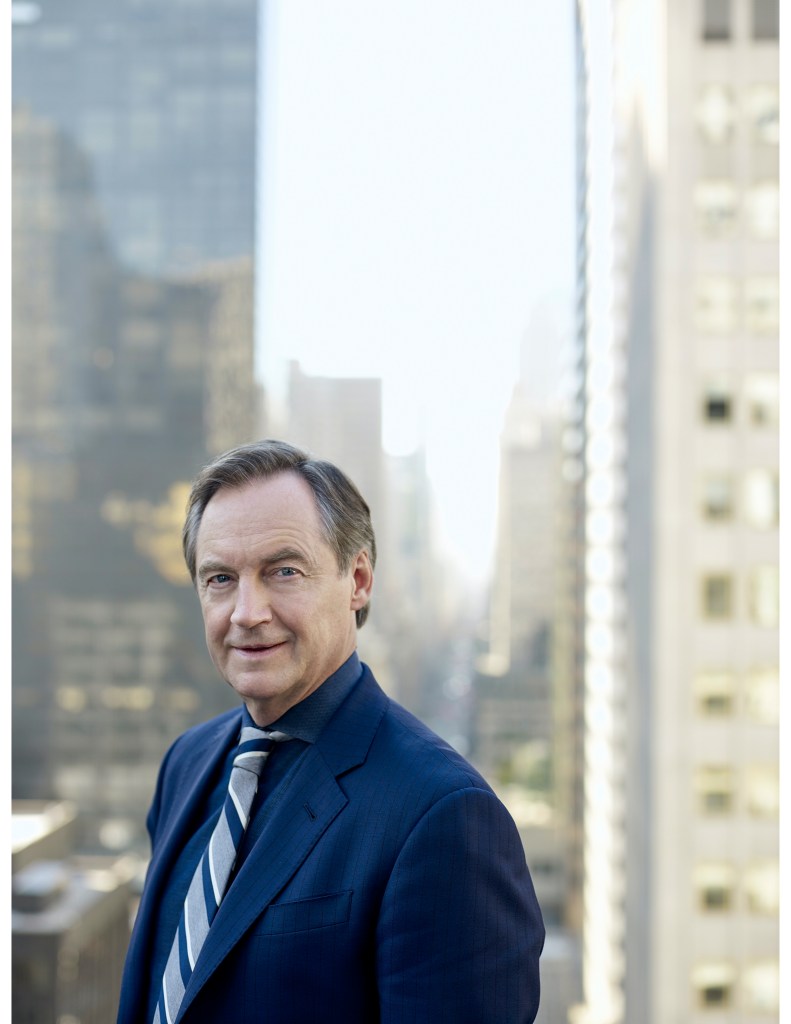
First-time buyers often harbor specific misconceptions about the luxury watch market, prompting each expert to address common misunderstandings from the perspective of their respective sector. Albers tackles the persistent myth surrounding watch availability, noting that secondary market pricing frequently leads consumers to suspect authorized retailers of artificially restricting inventory or orchestrating games around access. He clarifies that this perception does not reflect reality; production capacities and consumer demand have both surged, resulting in a persistent imbalance where far more individuals request specific pieces than manufacturers can supply.
Albers issues a strong caution regarding speculative purchasing, stating that acquiring a watch purely on the assumption of future financial appreciation overlooks the core appeal of horological artistry. Treating a single timepiece merely as a transactional stepping stone to secure another undermines genuine client relationships. Wempe prioritizes authentic connections, advising enthusiasts never to purchase watches they do not genuinely love simply to achieve an ulterior motive.
From the perspective of the secondary market, Chu highlights the critical importance of safety and due diligence. He describes the secondary market as a challenging landscape populated by opportunistic sellers and unethical dealers focused solely on single transactions. For a novice collector, purchasing from a reputable, established platform is paramount to avoid falling victim to altered dials, unserviceable movements, or even pieces flagged on stolen property registries. Chu notes that Wristcheck routinely rejects countless submissions failing to meet rigorous verification standards.

Udell reinforces the sentiment regarding investment expectations, cautioning against viewing luxury watch ownership as a guaranteed financial strategy. He advocates for purchasing pieces intended for personal enjoyment, treating any subsequent market appreciation merely as an unexpected bonus.
Discussing the overall value proposition, Albers stresses that the physical product must justify itself above all else, as luxurious store interiors and attentive service cannot transform an unsuitable watch into the right choice. He outlines a comprehensive checklist for evaluating any watch retailer: the presence of trained watchmakers on-site, direct access to manufacturers for genuine components, long-term serviceability spanning decades, and reliable warranty support. A purchase transaction may take a fleeting hour, but the relationship with the timepiece and the retailer can span a lifetime.
When Desired Watches Are Unavailable
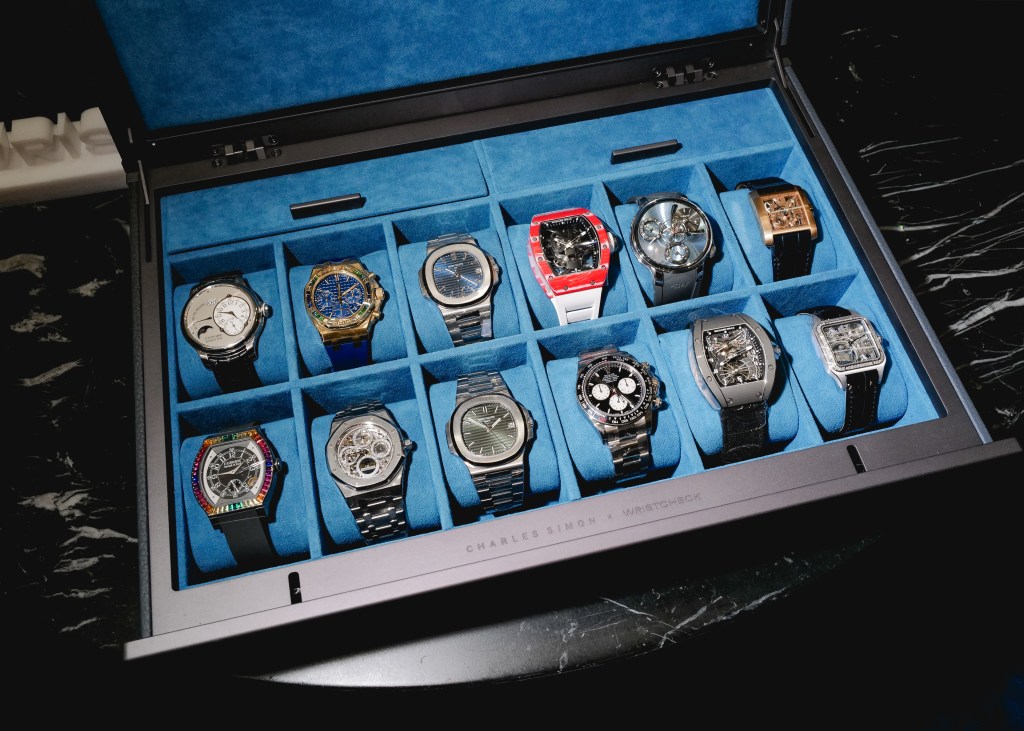
When a client requests a specific reference that cannot be delivered immediately, honesty remains the foundational policy for established dealers. Udell emphasizes the necessity of transparency, providing realistic delivery estimates and maintaining consistent communication while managing requests in the order they are received. While exclusivity dictates limited supply, understanding the underlying motivation for a specific request sometimes reveals alternative models that satisfy the client’s design preferences or storytelling interests just as effectively.
Albers refuses to soften difficult answers with false hope, maintaining that if a watch is unavailable and its timeline cannot be projected, pretending otherwise damages trust. Giving one’s word requires absolute integrity. Rather than manufacturing empty promises to sustain engagement, Albers’s team explains market realities thoroughly, ensuring that new buyers leave with a comprehensive understanding of supply constraints even if they depart empty-handed. He avoids reducing client relationships to transactional formulas where spending specific monetary thresholds guarantees access to scarce references, reinforcing that the business remains fundamentally human.
Chu leverages a robust sourcing infrastructure to mitigate wait times, noting that a significant portion of Wristcheck’s operations involves locating rare pieces for clients across international showrooms and thousands of vetted consignors. By pairing efficient global sourcing with rigorous ten-step authentication protocols and comprehensive condition reports, the platform ensures that verification takes precedence over rushing a sale.
Evaluating the Seller
For first-time buyers navigating the market, identifying a trustworthy seller is among the most practical challenges. Chu advises evaluating whether a dealer employs certified, factory-trained watchmakers in-house, noting that the vast majority of secondary sellers rely on superficial visual inspections. Furthermore, transparency regarding financial spreads—ensuring buyers and sellers understand exact net transactions—serves as a primary indicator of institutional integrity.
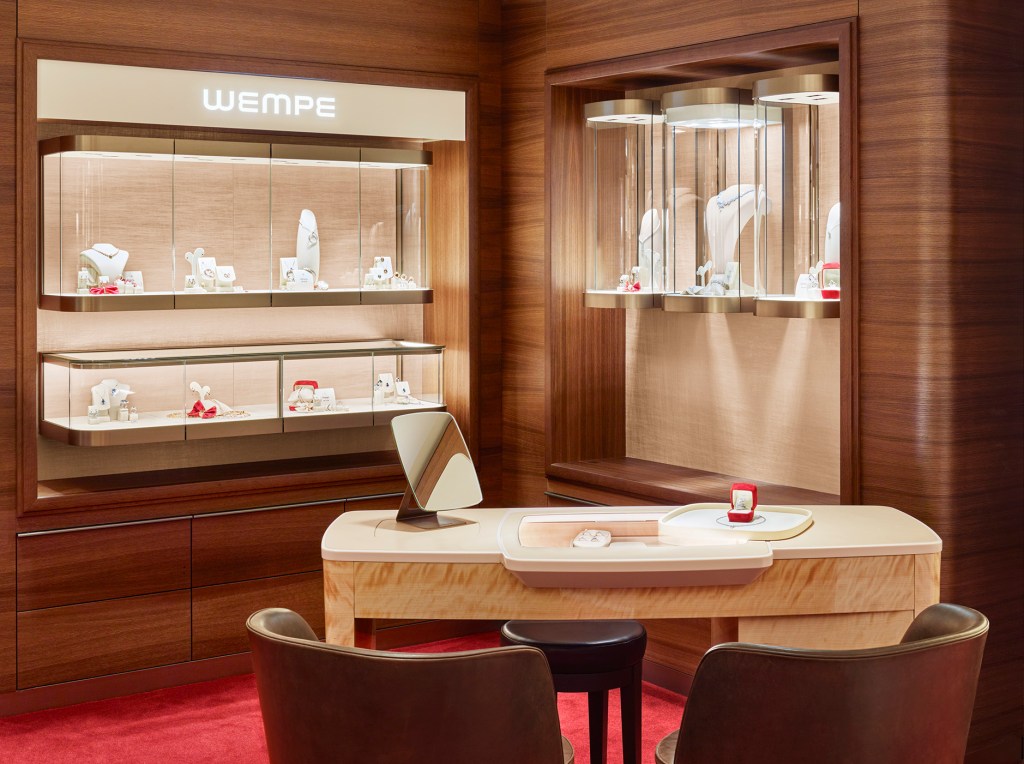
Albers emphasizes provenance and peace of mind when purchasing from authorized retailers, guaranteeing that items remain factory-new, genuine, unaltered, and fully protected by manufacturer warranties. He cautions that even traditional markers of authenticity, such as original boxes and papers, require careful scrutiny, as falsifications exist. Buying from reputable sources prevents complications during future factory servicing when registries cross-reference lost or stolen assets.
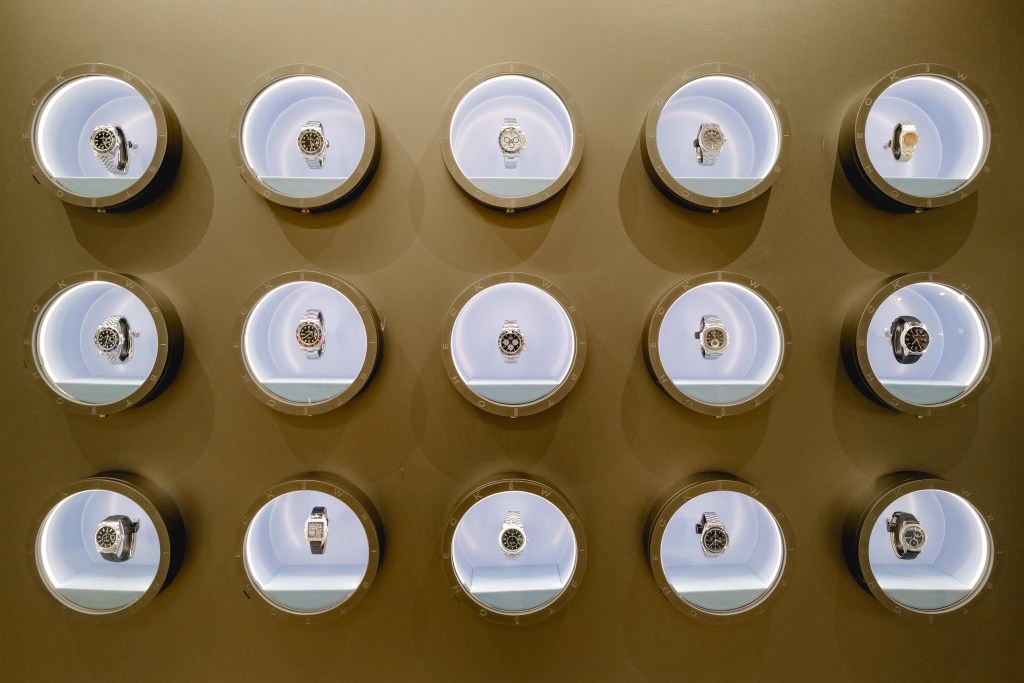
Udell reiterates the importance of the human element, advising buyers to observe whether a representative is genuinely listening to inquiries and attempting to understand personal preferences rather than rushing to finalize a transaction. A reliable chain of custody, clear return policies, and transparent warranty terms form the bedrock of a secure luxury purchase.
The Role of Resale Value
While acknowledging that today’s buyers are well-informed through digital auction results and market tracking, the experts agree that resale value should never dictate personal taste. Chu observes that outside of a narrow selection of elite references trading above retail, the broader market reflects that the vast majority of models trade below primary retail pricing, offering secondary-market buyers significant cost advantages. However, he maintains that enthusiasts seeking primary investment vehicles would ultimately find better returns in traditional financial instruments rather than passion assets.
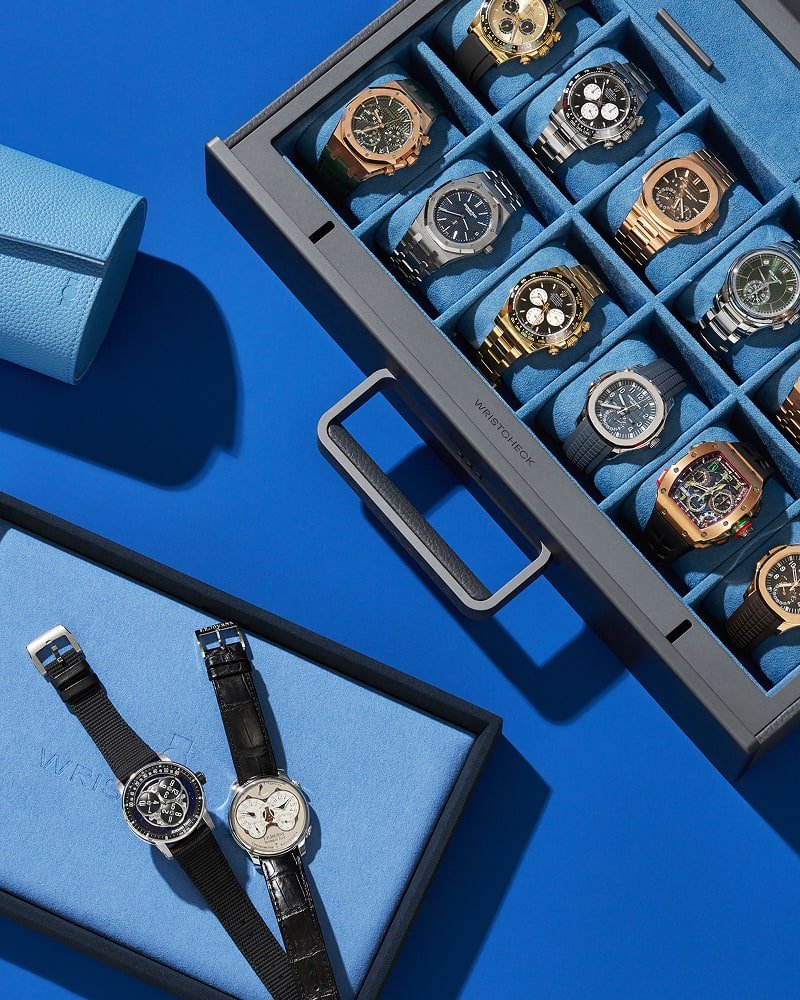
Albers and Udell reiterate that ephemeral market trends fluctuate over time, but genuine appreciation for a timepiece’s design, mechanics, and personal association remains constant. Selecting watches based on peer pressure or projected financial returns inevitably sacrifices the intrinsic joy of personal ownership.
Post-Purchase Relationships and Legacy
As the conversation shifts toward the enduring relationship established after the financial transaction concludes, each expert highlights ongoing community engagement, maintenance support, and lifelong client care. Whether through specialized platform services, historical multi-generational retail continuity, or personal mentorship, the acquisition of a first luxury watch serves as an opening chapter in an ongoing horological journey. Reflecting on their own foundational experiences—from early lessons in authentication mishaps to historic retail sales involving foundational luxury icons—all three leaders underscore that the true value of a luxury timepiece lies not just in its mechanical complexity, but in the lasting human connections it inspires.