





This is a sponsored article featuring brands that have been independently assessed by a rigorous ratings system. Collaborations are strictly limited to brands rated “Good” and “Great.”
In recent years, the retail landscape has been reshaped by the explosive growth of ultra-fast fashion, with Hong Kong-based brand CIDER standing out as a dominant force. Since its launch in 2020, the company has successfully harnessed the power of social media, capturing the attention of millions on TikTok. Driven by a constant stream of viral haul videos—where the hashtag #ciderhaul boasts tens of thousands of posts—the brand has expanded rapidly, moving from purely digital operations to opening physical bricks-and-mortar storefronts. Pumping out thousands of trendy, hyper-specific styles at prices as low as four pounds per top, CIDER has positioned itself as an accessible, go-to destination for trend-conscious shoppers worldwide.
However, beneath the shiny veneer of affordability and viral aesthetics lies a grim reality for the environment, garment workers, and animal welfare. Due to its alarming business model, CIDER has earned the lowest possible score of “We Avoid” from independent ethical fashion watchdogs. For conscious consumers looking to navigate today’s complex fashion landscape, the mounting evidence suggests that steering clear of the brand is the only responsible choice. But as the demand for trendy, accessible wardrobes persists, the pressing question remains: what are the viable alternatives for shoppers who love the look but want to protect the planet?
The True Cost of Ultra-Fast Fashion
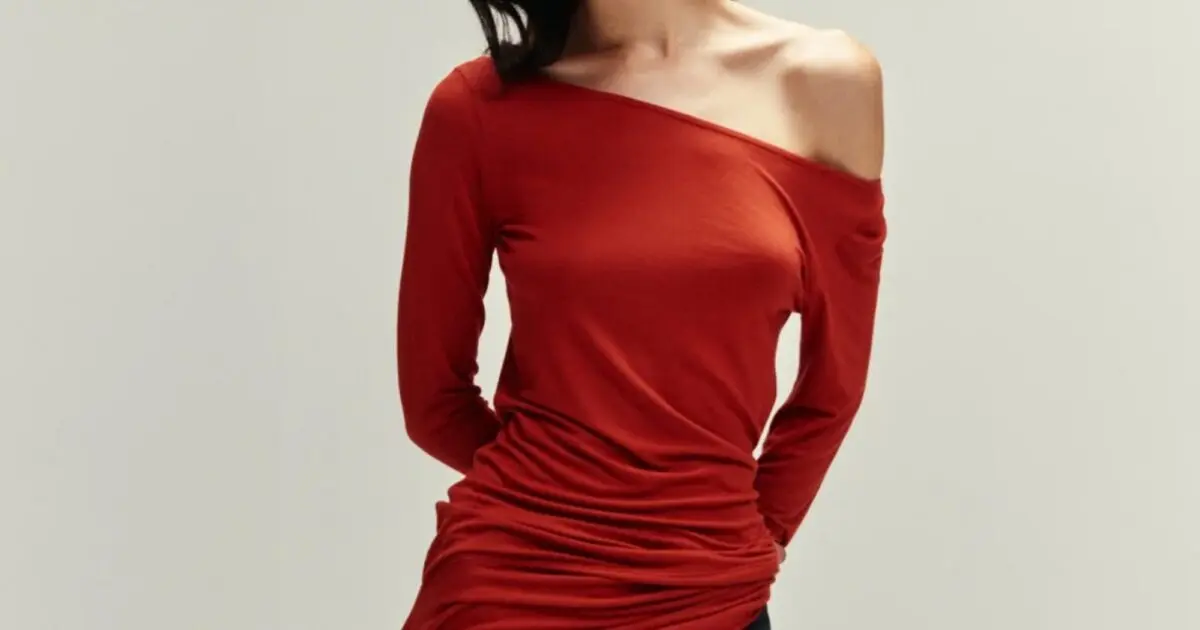
The allure of CIDER is undeniable. The brand’s web pages and physical stores offer an endless carousel of micro-trends designed to suit a vast array of personal styles, from pleated mini skirts and ruched tops to boat neck knitwear, mini dresses, wide-leg trousers, occasion dresses, barrel-leg jeans, co-ords, and wrap tops. Yet, this rapid production cycle comes at a staggering ecological and social price.
Garments produced at such high volumes and low price points are inevitably built for obsolescence. Poorly constructed and heavily reliant on synthetic, lower-quality materials, these clothes are typically destined for landfills after just a few wears. While shoppers might save money upfront, someone else pays the ultimate price for ultra-cheap clothing—whether it is the environment choking under synthetic textile waste or the unseen laborers subjected to exploitative conditions.
According to comprehensive sustainability evaluations, CIDER receives a “Very Poor” rating for its environmental impact. The brand demonstrates a glaring lack of lower-impact materials in its supply chain, alongside a complete absence of transparent action aimed at reducing harmful chemical usage or conserving water. Furthermore, CIDER scores “Very Poor” in labor conditions. The company fails to publish sufficient, verifiable information regarding its supply chain, denying shoppers their fundamental right to know how workers are treated and compensated.
When it comes to animal welfare, the brand fares only slightly better, receiving a rating of “It’s a Start.” This nominal rating is achieved simply because the company avoids most animal-derived materials across its catalog, with the notable exception of wool. However, there is zero verifiable evidence to suggest that CIDER traces its wool supply or maintains a formal animal welfare policy. Combined, these factors cement CIDER’s status as a brand that conscious consumers should avoid at all costs.
Shifting Toward Purposeful Investments
While the temptation of cheap, fresh designs can be powerful, the ethos of sustainable fashion urges a fundamental shift in perspective: embracing the motto of buying less, but buying better. Investing in a carefully curated selection of high-quality closet staples that are built to last ultimately costs far less—both financially and environmentally—than mindlessly accumulating transient pieces for a social media haul.
For shoppers who appreciate CIDER’s playful aesthetics but want to align their purchases with their personal values, there is a growing movement of brands making a genuine, measurable effort across the board for sustainability and ethics. Based on public evidence and rigorous assessments, several “Good” and “Great” rated labels are offering high-quality alternatives to CIDER’s most popular silhouettes, proving that style and conscience can coexist.
For those seeking alternatives to CIDER’s signature knitwear and distinctive textures, independent labels are pioneering circular design principles. Brands like Gaia Segattini Knotwear, which assembles and packages its collections in Italy, exemplify this shift. By utilizing high-quality production leftovers as yarn, the brand actively works to limit supply waste while delivering distinctive, small-batch knitwear typically available in sizes ranging from small to large.
When searching for the breezy, vintage-inspired mini dresses and romantic aesthetics popularized by fast fashion giants, shoppers can turn to established ethical leaders like Spell. Proudly designed and sampled in Byron Bay, Australia, and produced responsibly in carefully vetted factories around the world, Spell captures a bohemian spirit while maintaining robust labor and environmental standards, offering most of its garments in an inclusive size range spanning from double extra-small to double extra-large.
For everyday essentials, contemporary tailoring, and versatile occasion wear that might otherwise be sourced from unsustainable outlets, brands like OMNES provide a breath of fresh air. Based in the United Kingdom, OMNES was created with the explicit mission to help change how consumers shop, wear, and think about clothing, while simultaneously pressuring the broader industry to reform its practices. Offering high-quality womenswear in sizes ranging from UK six to twenty, the brand bridges the gap between accessibility and accountability.
Similarly, consumers looking for casual wear, cozy layers, and nature-inspired apparel can look to US-based Happy Earth. Dedicated to preserving the natural world that inspires its collections, the brand partners directly with non-profits and ambassadors to actively plant trees, fight climate change, and clean up environmental waste, with most items available in sizes ranging from extra-small to triple extra-large.
Upholding Transparency and Trust in Fashion
Navigating the crowded marketplace of modern fashion requires reliable, transparent guidance. Organizations dedicated to evaluating brand impacts provide an essential service by aggregating comprehensive data on how companies affect people, the planet, and animals. Utilizing a clear, multi-point scale developed by diverse industry experts, comprehensive directories assess thousands of brands to highlight those genuinely contributing to sustainable fashion solutions.
While reusing existing garments, mending worn items, and shopping secondhand remain the absolute gold standards of sustainable wardrobes, expert ratings systems offer a vital roadmap for when new purchases are necessary. By directing consumer spending toward brands that prioritize transparency, fair labor, and ecological stewardship, shoppers can reject the disposable culture championed by ultra-fast fashion giants and help foster a more responsible, enduring fashion industry for the future.