




The history of product design is quietly populated by everyday innovations that began as solutions for people with disabilities. Audiobooks, bendy straws, and cordless vacuums all share a common origin, having been originally engineered for individuals with specific accessibility needs before evolving into mainstream, universal tools used by millions. Yet, one major consumer category has lagged behind in adopting this inclusive ethos: the multi-billion-dollar beauty industry.
Ease of use and accessibility have rarely stood as top priorities within the cosmetics sector. Even routine consumers often find traditional beauty tools frustratingly intricate to handle. However, a significant shift is quietly underway. Major beauty brands and specialized companies are increasingly launching accessible makeup lines and adaptive tools designed to lower the barriers of daily beauty routines, proving that universal design ultimately benefits everyone.
The Push for Inclusive Beauty
Ayanna Redwood-Crawford, a staff writer on the beauty team at Wirecutter, recently explored this evolving landscape. Her reporting on accessible makeup and adaptive tools was driven by a combination of professional curiosity and close collaboration with the publication’s diverse pool of paid testers. These testers represent a wide range of abilities, genders, and ages, evaluating products across various categories.
When Redwood-Crawford transitioned from covering sleep products to the beauty beat, her relationships with these testers offered immediate insight into everyday consumer pain points. Armed with feedback from people who navigate hand mobility issues, arthritis, tremors, and low vision, she set out to investigate how well current market offerings serve individuals who want to maintain their beauty rituals without enduring physical discomfort or frustration.
The scope of her research extended beyond chronic conditions to consider temporary barriers, such as a broken dominant arm, as well as the needs of busy parents or beginners looking for foolproof options. Through her reporting, a central philosophy emerged: accessible design is universal design. Products engineered to reduce physical strain or simplify application for someone with a disability often prove to be overwhelmingly convenient for any consumer.
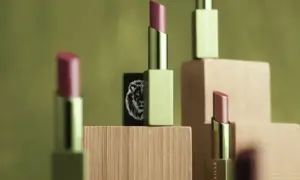
While the beauty industry still has substantial room for improvement, the market is gradually responding. Dedicated adaptive beauty brands now exist solely to create universally designed cosmetics, while mainstream giants like Rare Beauty have introduced targeted lines or accessible product features. Crucially, experts note that brands can implement accessible packaging and formulations without compromising their aesthetic appeal or inflating their prices.
Innovative Solutions for Grip and Control
Much of the innovation in accessible beauty centers on solving the fundamental challenge of gripping and controlling makeup applicators. Traditional cosmetic packaging often favors sleek, cylindrical shapes that can be slippery, cold, and difficult to hold for individuals with joint pain or limited hand mobility.
To combat this, testers highlighted several standout products and accessories. One remarkably simple yet effective solution is foam tubing, such as Lyforx’s grip tubing. These cylindrical foam accessories feature internal holes of varying diameters, allowing users to slide them over standard, hard-to-hold items like mascara tubes or eyeliner pens. The tubing provides freedom of movement, enables users to apply their usual level of pressure at any desired angle, and can be easily cut to size and left permanently on favored products.
For specialized application, adaptive lines have introduced entirely redesigned tool geometries. Kohl Kreatives, a dedicated accessible beauty brand, developed the Medium Circle Brush. Instead of requiring users to pinch a narrow handle like a traditional pencil—a movement that can cause significant discomfort for those with hand mobility issues—the design allows the user to hold the brush comfortably in their fist and apply product vertically.
Similarly, Guide Beauty developed the Blend and Crease Brush for eyeshadow application, featuring a built-in guide ring that slips comfortably between two fingers. This configuration grants the user enhanced control and stability, eliminating the need for makeshift household hacks like holding a spoon against the eye to achieve a clean line.
Streamlining Precision and Routines
Beyond grip aids, many adaptive products target the high level of precision traditionally required for makeup application, which can intimidate beginners or present major hurdles for individuals with hand tremors or low vision.
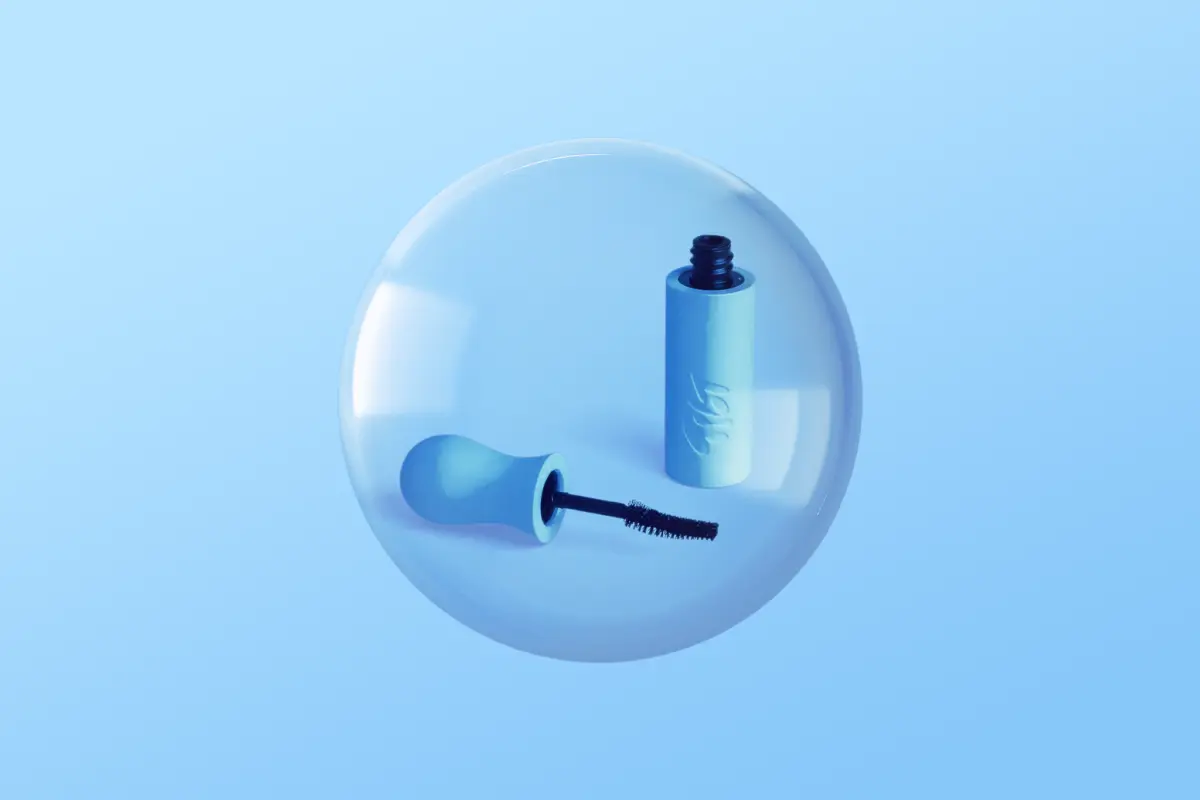
Mascara and eyeliner applications frequently demand steady, surgeon-like hands. To ease this process, products like the Tilt mascara feature a short, non-bendable wand that curves upward at the tip. This specific geometry allows users to reach inner-corner lashes smoothly without accidentally smudging product onto their eyelids or the bridge of the nose.
For winged eyeliner, which traditionally requires meticulous freehand drawing, stamp-based tools have proven transformative. The Sheglam eyeliner pen incorporates a wing stamp on each end, allowing users to press the product directly onto the outer corners of the eyes for a symmetrical look on the first try. The pen also detaches to reveal an easy-to-use marker tip for filling in the lash line, dramatically reducing the time and frustration associated with precise eye makeup.
For lip products, sheer treatments and tinted balms offer a practical alternative to traditional lipsticks. These formulations provide hydration and a subtle pop of color that can be applied quickly on the go, eliminating the need for constant mirror checks or worry over smearing.
Simplifying an entire routine can also reduce barriers. The popularity of multi-use products, such as the e.l.f. Monochromatic Multi Stick, reflects a broader industry trend toward consolidation. These short, thick, buildable sticks can double as eyeshadow, blush, and lipstick, allowing users to accomplish multiple steps with a single, easy-to-handle product.
Enhancing Visibility and Workspace Design
Addressing accessibility in beauty also requires examining visual clarity and workspace organization. For individuals with low vision, a standard handheld mirror and poor lighting can turn a routine task into a significant challenge.
Testing revealed that hands-free vanity mirrors with adjustable lighting are exceptionally beneficial. The Fancii Vera Vanity emerged as a favorite among testers due to its hands-free design, adjustable LED lighting that allows users to customize both brightness and warmth, and a detachable magnetic magnifying mirror for close-up work. While premium lighted mirrors carry higher price tags, testers favored options that delivered superior illumination without requiring complex magnification adjustments.
Ultimately, the expanding market for adaptive beauty tools demonstrates that accessibility does not carry an exorbitant cost. Many of the reviewed products fall within standard pricing ranges, proving that universal design can be both practical and affordable for everyday consumers.