





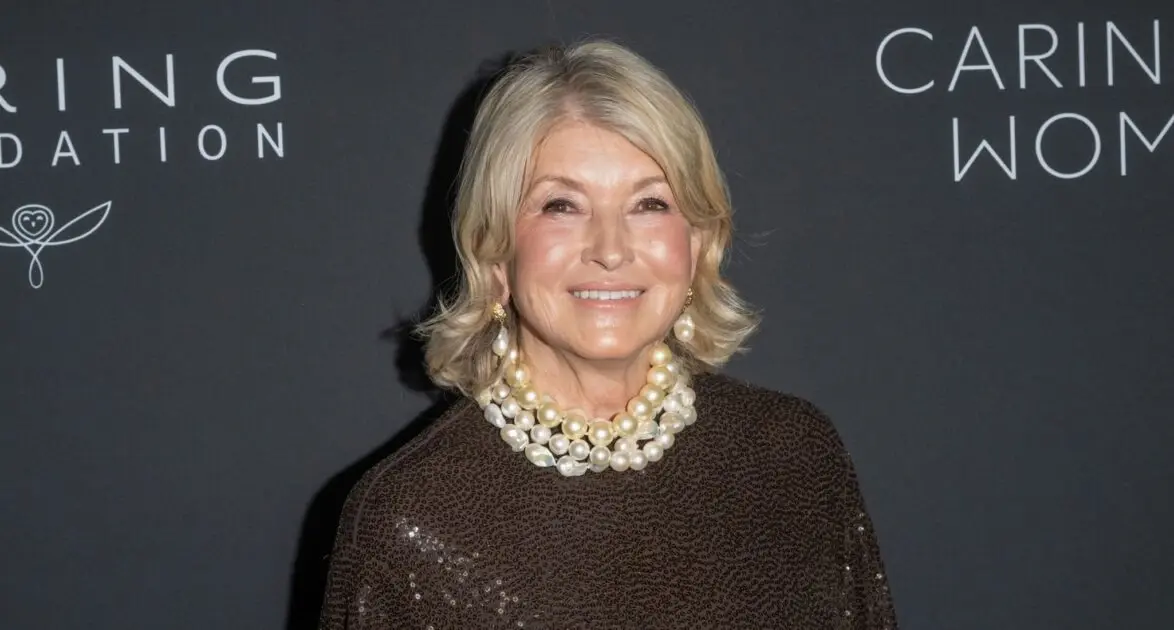
Let’s be honest: we have all wondered at some point how much money celebrities actually make. While some public figures are happy to put their finances out there for the world to see, others keep those details firmly under wraps, protecting their privacy and corporate portfolios. Martha Stewart, however, is giving fans and aspiring entrepreneurs a rare peek behind the curtain, and her definition of "big money" involves a staggering number of zeros that reflect an era of retail dominance rarely seen today.
During an appearance on the October 6 episode of MasterClass’s new business podcast, Other People’s Business, Stewart sat down with MasterClass founder and CEO David Rogier. Over the course of their conversation, the lifestyle mogul reflected on her sprawling career, detailing the foundational milestones that shaped her empire, the devastating financial setbacks she has endured, and how the economics of celebrity branding have fundamentally shifted over the years.
The Kmart Partnership: When Royalties Reached Astronomical Heights
While Stewart’s brand now spans television, publishing, merchandise, and digital content, she pointed directly to her historic retail partnership as the turning point that transformed her enterprise into a financial powerhouse.
“Kmart was my first big money, and it was a lot of money,” she shared during the podcast. To illustrate the immense scale of the operation at its peak, Stewart revealed the jaw-dropping figures generated by her home goods and lifestyle collections. “I was clearing $65 million a year in royalties. Because we were selling close to $2 billion worth of merchandise.”
That kind of annual payout represented a monumental leap from the humble beginnings of her professional life. Reflecting on her early days running a catering business—an entrepreneurial venture that laid the groundwork for her eventual media and lifestyle empire—Stewart noted that it brought in revenue of a little more than $1 million. While that was a respectable sum for a startup at the time, it came with grueling operational hurdles.
“I was killing myself physically,” Stewart recalled of her catering days. “And I had a big staff to pay and everything else. But that was still a big beginner business.”
Why Today’s Royalty Deals Just Don’t Compare
The era of pulling in tens of millions of dollars purely through retail licensing royalties is largely a thing of the past, according to Stewart. She explained that structural shifts within the retail and licensing industries have made those kinds of astronomical windfalls nearly impossible for modern creators and influencers to replicate.
“It’s harder to do that nowadays because first of all, the royalties aren’t the same,” she explained to Rogier. Breaking down the changing financial landscape of licensing agreements, she added, “Now it’s three percent of wholesale and, you know, it gets lesser and lesser. Companies are paying such small royalties.”
This dramatic reduction in royalty percentages highlights how the business of celebrity endorsements and branded product lines has evolved. Where creators once captured a significant share of massive retail volume through long-term exclusive partnerships, modern licensing agreements are often fractionally lower, forcing today’s stars to diversify across multiple digital platforms, equity ventures, and brand collaborations to match past earnings.
Weathering Financial Storms and Massive Losses
Of course, Stewart’s financial journey has not been an uninterrupted upward trajectory. Over the decades, she has experienced some staggering financial lows alongside her monumental successes, navigating high-profile crises that tested her resilience as both a businesswoman and a public figure.
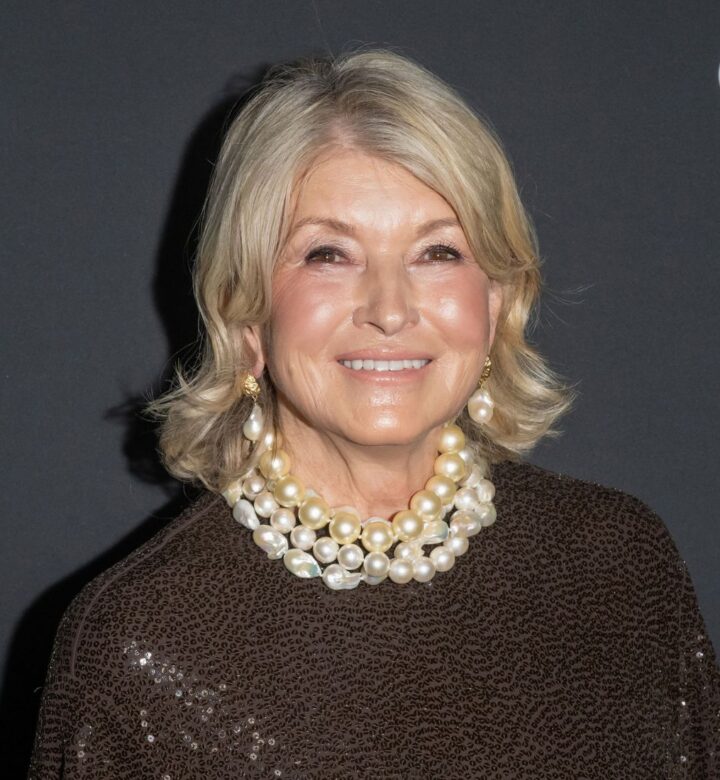
Reflecting candidly on one particularly difficult period in her life and career, Stewart did not mince words about the sheer scale of the financial damage she sustained. “I fell in a hole, and I lost about $1 billion,” she stated bluntly.
That massive financial hit coincided with a turbulent legal chapter. Stewart famously served five months in federal prison following her involvement in a 2004 insider trading scandal regarding her sale of ImClone Systems stock. Looking back on the legal battles and fallout surrounding the case, Stewart noted that the extensive litigation and defense costs severely drained her resources, remarking that her “lawyers took me to the cleaners.”
Despite losing a staggering fortune and enduring intense public scrutiny and incarceration, Stewart has mounted one of the most successful career rehabilitations in modern pop culture history. Rather than dwelling on the past or allowing the setbacks to define her legacy, she remains characteristically pragmatic about her return to form.
“I’m back,” she said. “I’m pretty good.”
The Modern Influencer Economy: Perks Over Paychecks
Even as she commands immense respect as a pioneer of the modern lifestyle industry, Stewart remains keenly aware of how the currency of fame operates in the digital age. These days, her enduring celebrity status and immense cultural cachet come with unique perks that reflect the modern influencer economy—where traditional cash compensation is frequently replaced by high-value luxury goods and experiential trade-offs.
Stewart noted that influencers and high-profile figures, herself included, are frequently approached with compensation packages built around merchandise and luxury access rather than direct monetary payments.
“I get asked to go to a fashion show and I then get $40,000 worth of clothes,” she said, describing the transactional nature of modern brand appearances. “That’s a lot of money, $40,000, to dress me to go to the fashion show. Just to show up.”
For Stewart, who has spent decades navigating the intricate intersections of fashion, media, and commerce, it is a fun and effortless extension of her celebrity status.
“I love that gig,” she added with a smile.