




Published: 23:17 BST, 10 October 2026 | Updated: 23:19 BST, 10 October 2026
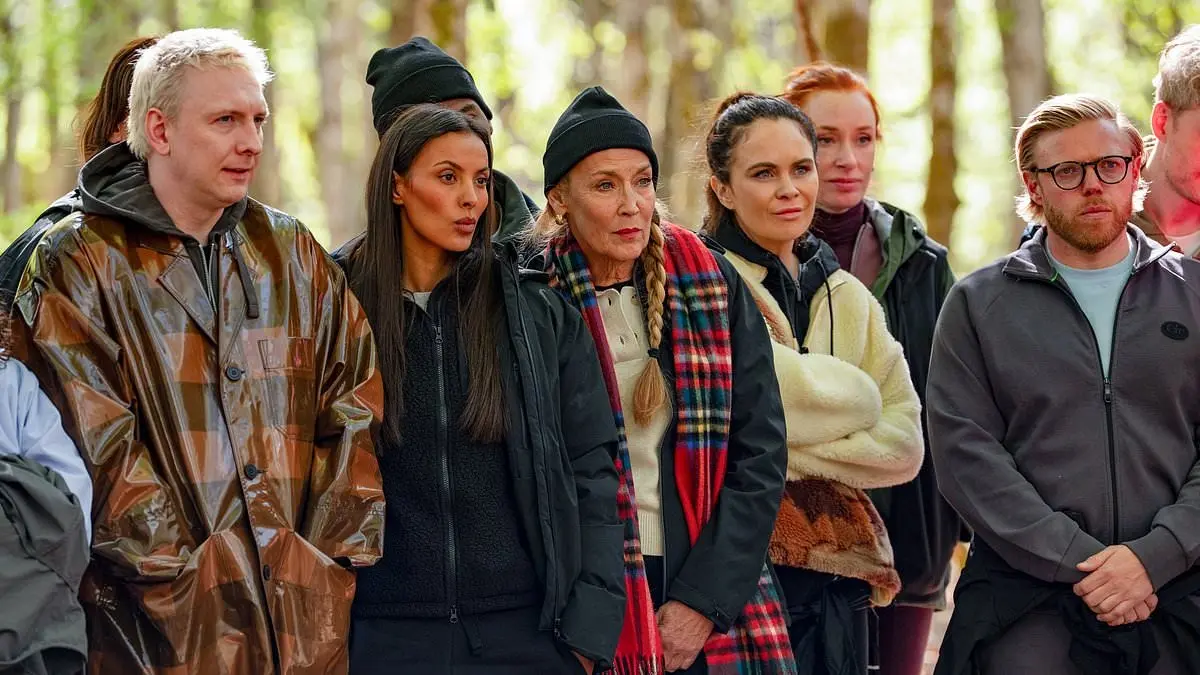
On screen, the stars of Celebrity Traitors viciously murder or banish their fellow cast members in a high-stakes bid to win the popular BBC One show. But when the cameras stop rolling, contestants on the hit programme are still at one another’s throats, as mounting tension and utter paranoia between them spills dramatically over into real life.
Industry sources say that unlike last year’s celebrity version of the programme, when the star-studded line-up enjoyed a lighthearted atmosphere and plenty of fun behind the scenes, this latest run became intensely stressful away from the public eye. Traitors insiders suggest that a series of disastrous strategic decisions at the round table—particularly instances when innocent Faithfuls were mistakenly sent packing—sparked the deeply paranoid behaviour that has gripped the camp.
The psychological toll became glaringly apparent during a punishing week of broadcasting. On Thursday, US actress Myha’la, celebrated for her standout role in BBC One’s financial drama Industry, was banished from the game. This was swiftly followed on Friday by the shock departure of former Coronation Street favourite Julie Hesmondhalgh, who was sent home in a contentious decision rather than mathematician Professor Hannah Fry, who is secretly operating as a Traitor.
A show insider told The Mail on Sunday that the psychological strain was relentless. "The tension is coming across on screen, but it was just as bad if not worse when the cameras stopped rolling," the source revealed. "It is a tense environment, and they are cut off from the outside world; it is hard for them to switch off even when they head back to their individual lodgings. They were constantly thinking about the game."
Filmed on location at the imposing Ardross Castle in the Scottish Highlands early in the summer, the atmospheric backdrop only served to heighten the isolation. Even popular funnyman Rob Beckett managed to surprise his co-stars with his high-energy behavior, which proved at times to be difficult for the exhausted cast to deal with amid the stifling atmosphere of suspicion.
The source added: "They were all making each other more stressed out. A lot of them just couldn’t hack it, I’m not sure what they thought they were signing up to. One contestant really lost their nerve at one point and their co-stars were absolutely stunned. And Rob, who is usually so funny, really struggled at points and surprised the others with his behavior. They put it down to the fact that things were so tense."
Another production source noted that some members of the stellar cast—which also boasts high-profile names such as Ross Kemp, Miranda Hart, Maya Jama, and Jerry Hall—simply struggled to remember that they were participating in a television game show rather than a real-life crisis.
The emotional pressure became so overwhelming for comedian James Acaster, who was covertly recruited as a Traitor during the second episode, that production crews were forced to temporarily halt filming. The 41-year-old stand-up comic became visibly and very anxious on the Scottish set, prompting several of his fellow contestants to intervene, speak up, and insist that the cameras stop rolling to allow him a moment to recover.
BBC bosses later stressed that the absolute welfare of all contestants remains an operational priority throughout the grueling production process. Viewers of the psychological game show have watched as Acaster has grown increasingly distressed on screen, repeatedly voicing his discomfort with the core mechanics of the deception by telling cameras: "I’m not good at lying." The comedian has openly expressed his strong preference to remain a Faithful rather than carry the heavy burden of being a Traitor.
Meanwhile, fellow contestant Ross Kemp—best known to millions of television viewers for playing hardman Grant Mitchell on BBC soap opera EastEnders—has entertained audiences by developing a heightened sense of paranoia whenever other cast members attempt to touch him, perfectly capturing the pervasive atmosphere of distrust on the estate.
The intense psychological pressure, however, was not strictly confined to the celebrities taking part in the competition. Behind the scenes, their respective management teams, agents, and publicists were kept completely in the dark regarding the day-to-day developments on set, maintaining zero contact with their high-profile clients until they were officially eliminated and exited the game. Publicists and talent agents have no creative control or say in what makes the final broadcast cut, leaving them anxiously watching alongside the public and hoping their clients receive a favorable edit on television.