





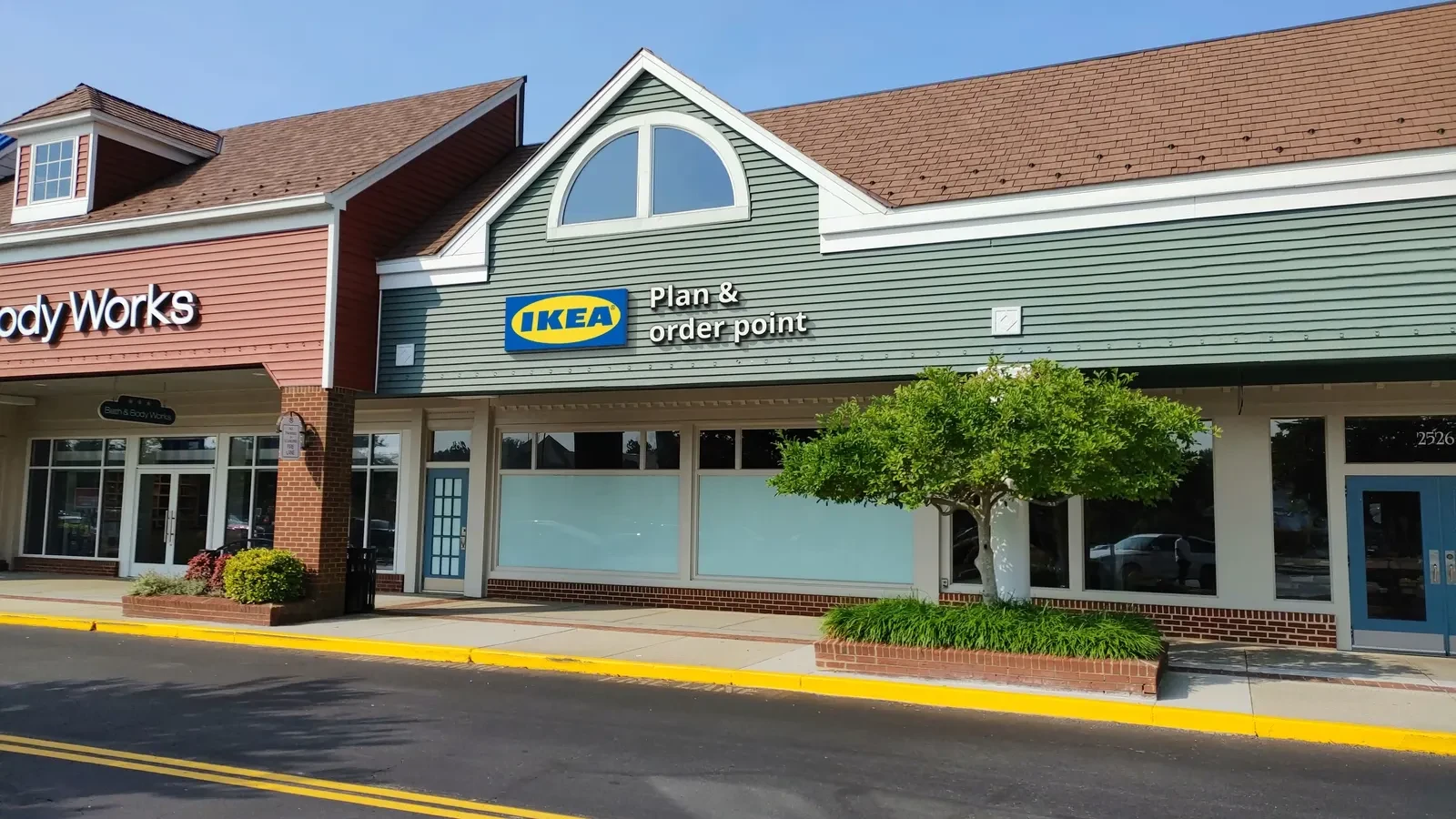
Furniture giant Ikea is reassessing its physical retail footprint in the United States, announcing the upcoming closure of several smaller-format locations across Washington, D.C., Virginia, and Maryland. The targeted closures include a specialized plan and order point that welcomed its very first customers less than a year ago, signaling a notable shift in how the multinational retailer approaches its localized omnichannel strategy.
According to communications shared by the company, the closures form part of an ongoing corporate evaluation aimed at building what Ikea describes as a more affordable, accessible, and sustainable future for the brand. While these specific brick-and-mortar storefronts are winding down operations, the Swedish home furnishing retailer emphasized that it continues to channel significant investments into its broader digital infrastructure, robust home delivery options, and convenient click-and-collect pick-up services. These digital and fulfillment channels are intended to work in tandem to create smoother, more accessible touchpoints for shoppers interacting with the Ikea brand across various platforms.
For customers currently engaged in complex home design projects at the shuttering sites, the transition aims to be as seamless as possible. Ikea has confirmed that existing clients will not be left stranded; instead, they will be able to effortlessly continue and finalize their ongoing planning projects by transitioning to alternative in-market Ikea locations or by utilizing remote planning tools and digital consultants online.
The specific locations slated for closure are centered around the "plan and order point with pick-up" model, an innovative retail format championed by the company in recent years. These distinct locations feature a notably smaller physical footprint than traditional warehouse-style blue-and-yellow Ikea superstores. They were specifically designed to help customers tackle large, highly personalized home projects—such as outfitting complex kitchens, designing custom bedroom storage solutions, or planning bathroom renovations—while simultaneously offering streamlined pick-up options for smaller goods as part of a tightly integrated regional store network. A key characteristic of this strategy has been placing each small-format site in close proximity to a larger, full-service Ikea warehouse store.
However, the rapid reversal on several of these footprints highlights the unpredictable nature of modern retail real estate experimentation. The specific closures include sites that opened only recently. Notably, the specialized Georgetown location in Washington, D.C., which is now facing closure, opened its doors less than a year ago. That store was itself established as a strategic replacement for a previously shuttered plan and order location situated nearby in Arlington, Virginia, demonstrating how quickly market dynamics and strategic priorities can shift within urban retail corridors.

This latest development appears to walk back, or at least heavily recalibrate, the company’s aggressive recent push into smaller-format neighborhood stores. Just a few years ago, in 2023, Ikea made major headlines across the retail industry by announcing an ambitious multi-year capital investment plan. The company pledged to inject $2.2 billion into its United States operations over a three-year window, with a primary focus on strengthening its supply chain, upgrading its fulfillment network, and aggressively rolling out new brick-and-mortar concepts, including the launch of at least nine dedicated plan and order locations designed to bring the brand closer to urban and suburban dwellers.
Despite the pullback in the mid-Atlantic region, Ikea’s broader physical expansion strategy remains multifaceted and dynamic. As recently as February, retail industry analysts noted that the home furnishings giant outlined fresh plans to open 10 additional stores throughout the calendar year. This wider growth pipeline includes major milestones such as the opening of the company’s very first retail location in the state of Oklahoma, as well as the launch of a high-profile city-center store situated in the heart of Los Angeles.
As Ikea continues to navigate the evolving post-pandemic retail landscape, the selective shuttering of these Mid-Atlantic smaller-format sites demonstrates that even global retail leaders must continuously test, measure, and adapt their physical footprints to align with shifting consumer habits, operational efficiencies, and long-term profitability goals.