






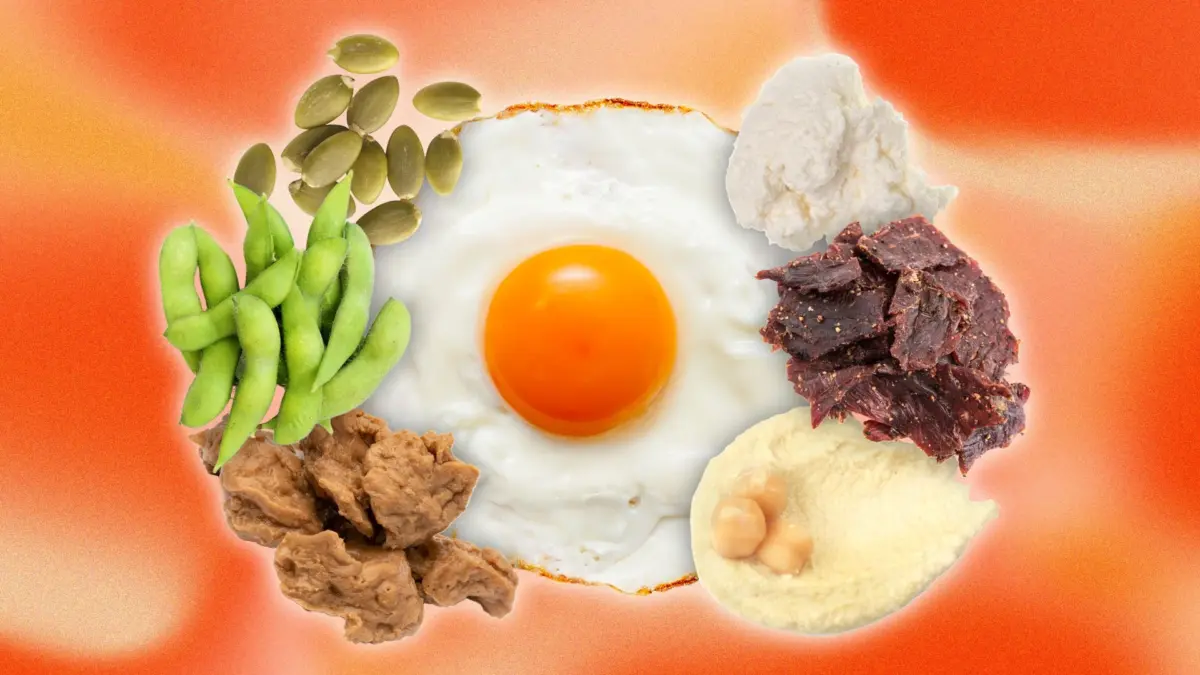
For active individuals and fitness enthusiasts striving to reach their daily protein targets, the humble egg has long served as a default nutritional baseline. Offering approximately 6 grams of protein per unit alongside a fast prep time and straightforward culinary versatility, eggs remain a fixture of morning routines and post-workout fuel. However, health coaches, physical trainers, and sports nutritionists point out that focusing exclusively on eggs or traditional staples like plain chicken breasts and steaks can limit an individual’s broader dietary intake. By looking beyond the conventional skillet, individuals can access a diverse array of animal and plant-based foods that deliver significantly higher protein concentrations per serving while simultaneously bolstering overall wellness.
Diversifying protein sources introduces critical dietary compounds that extend far beyond simple muscle tissue repair. Incorporating varied protein-dense options can enhance the gut microbiome, support cognitive health, reduce systemic inflammation, and optimize long-term metabolic energy. Experts across physical training, gut health, and nutritional science emphasize that exploring non-eggy protein options—ranging from centuries-old preserved meats and North Atlantic seafood to scientifically balanced seed pairings and fermented wheat protein—can transform a daily fitness regimen into a comprehensive health strategy.
Meat and Fish Options
When evaluated strictly by protein density per weight, certain specialized meat and seafood products far surpass standard fresh cuts. These concentrated options serve as portable, shelf-stable alternatives for individuals seeking maximal protein delivery without heavy cooking requirements.
Gullfiskur Harfiskur (Icelandic Dried Fish)
One of the most exceptionally concentrated protein sources available is Gullfiskur Harfiskur, a traditional Icelandic delicacy composed entirely of dried white fish. Stripped of moisture through traditional drying methods, the food yields an extraordinary 80 grams of protein per 100-gram serving.
"With 80g protein per 100g, this is lean, briny, and pure," states David Higgins, author of The Hollywood Body Plan and co-founder of the lifestyle performance club Bodyspace.
Because the snack consists purely of dehydrated fish flesh, it contains zero carbs, no additive fillers, and a virtually unrivaled protein-to-weight ratio. "I first discovered it while working in Iceland and it’s now a non-negotiable travel snack," Higgins explains. To optimize palatable eating and balance the food’s dry, brittle texture, Higgins recommends combining the briny fish with a smear of hummus or placing it atop a grain-based cracker, creating a harmonious textural contrast while adding complex carbohydrates to the snack.
Biltong
For those preferring land-based proteins, biltong offers a refined alternative to conventional beef jerky. Originating as a traditional preservation method, biltong features air-dried beef that has been cured and deeply seasoned with spices, producing a tender, umami-packed cured meat that avoids the sugary glazes often found in mass-produced jerky products.
Higgins notes that biltong yields a massive 50 grams of protein per 100-gram portion, making it an exceptional option for on-the-go recovery. "My go-to? The Biltong Factory. Their classic cut is clean, chewy, and easy to portion out," says Higgins.
While beef contains complete animal proteins, Higgins suggests pairing biltong with plant-based components to maximize overall nutritional synergy. "Add a handful of roasted chickpeas or lentil crackers for a complete amino chain," he advises, noting that strategic pairings ensure balanced macronutrient absorption and sustained energy release throughout the day.
Vegetarian Options
Plant-based foods and dairy products offer powerful alternatives to animal meats, matching or exceeding the protein content of eggs while supplying essential dietary fiber, healthy fats, and cellular minerals.
Seitan
Derived from hydrated wheat gluten, seitan is widely recognized among plant-based communities for its dense, meat-like texture and incredible versatility in savory cooking. For individuals without gluten sensitivities, it represents one of the densest plant proteins accessible in modern diets.
"If you’re not gluten-intolerant, seitan is a real powerhouse with up to 25g of protein per 100g," says physical trainer and nutritionist Penny Weston.
Unlike many processed meat alternatives, seitan acts as a neutral canvas in culinary applications. Its porous, fibrous structure excels at absorbing broths, marinades, and complex spice profiles, making it a natural addition to curries, stews, stir-fries, and roasted dishes. For active individuals transitioning toward a plant-heavy diet, seitan delivers the familiar chew and substantial protein payload typically associated with lean animal meats.
Edamame
Young soybeans, commonly known as edamame, provide a straight-from-nature protein source that actively supports digestive health. Delivering approximately 11 grams of protein per 100-gram serving, these vibrant green pods offer a simple, minimal-prep snack that can be consumed warm or cold.
Sas Parsad, a nutritionist and founder of The Gut Co., emphasizes that edamame’s value extends well beyond its protein count due to its high concentration of natural dietary fiber. "These young soybeans pack a serious protein punch," Parsad notes. "Equally as important, these high-protein snacks bring beneficial fiber to feed your gut bacteria and help you feel fuller."
The interplay between fiber and plant protein slows down digestion, stabilizing blood sugar levels and nourishing beneficial intestinal microbiota. "The result? A full, satisfied feeling and a microbiome that actually thrives," says Parsad. Edamame can be enjoyed simply sprinkled with sea salt as a standalone snack or incorporated directly into leafy salads and grain bowls for a effortless protein upgrade.
Pumpkin Seeds
Seeds are frequently overlooked as primary protein sources, yet their nutritional density places them among the most efficient plant foods available. Pumpkin seeds—also known as pepitas—boast roughly 30 grams of protein per 100 grams, rivaling lean poultry in concentrated nutritional value.
In addition to their high protein content, pumpkin seeds serve as rich sources of essential minerals that drive daily metabolic and immune functions. "I love sprinkling them over porridge, salads or soups for a crunchy, nutrient-dense boost," says Weston.
Weston highlights that pumpkin seeds are particularly rich in zinc and magnesium. Zinc plays a crucial role in cellular immune defense and tissue repair, while magnesium is a vital cofactor in metabolic energy production and muscle relaxation. Integrating pumpkin seeds into daily meals offers a convenient way to fortify breakfasts and light lunches with structural minerals and protein.
Hemp Seeds
Hemp seeds offer another exceptionally rich seed profile, delivering an impressive 32 grams of protein per 100 grams alongside essential fatty acids. Their soft, nutty texture makes them uniquely suited for blending or topping without altering the structural base of a dish.
Parsad advocates for the inclusion of hemp seeds due to their combined neurological and gastrointestinal benefits. The seeds contain high levels of brain-boosting omega-3 fatty acids and prebiotic fiber, creating a multi-system health impact. "The fiber feeds your gut bugs, while the healthy fats help keep inflammation down," Parsad explains.
Because omega-3 fatty acids actively assist in mitigating exercise-induced systemic inflammation, hemp seeds serve as an excellent functional food for physical recovery. "I usually throw them in smoothies or sprinkle them over roasted veg—an easy way to boost both protein and gut health," Parsad adds.
Lupin Beans
Long consumed across Southern Europe and the Mediterranean basin, lupin beans are emerging as a premier legume for athletic performance and metabolic management. Boasting 42 grams of protein per 100 grams when measured by dry weight, lupins represent one of the highest plant-based protein sources found in nature.
Higgins highlights these Mediterranean powerhouses for their combination of high protein, dense fiber, and low glycemic impact. "They’re slightly nutty and pleasantly bitter," says Higgins.
To prepare them, Higgins recommends boiling the beans and marinating them with fresh lemon juice, crushed garlic, and aromatic herbs. "Lupins are a complete plant-based protein on their own," he adds, emphasizing their rare ability to supply all essential amino acids independently. "Eat them solo, or pair with grains for bonus endurance fuel."
Cottage Cheese
While plant sources offer fiber and unique micronutrients, traditional dairy products remain an exceptionally efficient route for targeted muscle preservation and appetite management. Cottage cheese, in particular, has seen a resurging appreciation among sports nutritionists for its dense amino acid delivery.
"Cottage cheese contains an astonishing 14 grams of protein per half-cup," says Kristy Thomas, a nutritionist with Prowise Healthcare.
The primary structural benefit of cottage cheese lies in its protein composition, which is heavily weighted toward casein. "Crucially, it’s high in the protein casein, which digests slowly, boosting satiety and aiding muscle repair," Thomas highlights. Because casein forms a slow-digesting matrix in the stomach, it provides a steady, sustained release of amino acids into the bloodstream over several hours. This prolonged absorption profile makes cottage cheese an ideal evening snack to prevent muscle breakdown during sleep or a stabilizing mid-day option to maintain long-term fullness. Pairing cottage cheese with fresh fruit or whole grains yields a balanced, protein-dense snack that supports sustained physical energy.
Hummus and Pita
While individual plant foods are often analyzed in isolation, basic culinary combinations can unlock enhanced biochemical properties. A classic example is the traditional Mediterranean pairing of hummus and whole-grain pita bread, which relies on the complementary nature of distinct plant proteins.
"Hummus isn’t mind-blowingly high in protein," Higgins notes, pointing out that standalone hummus averages around 12 grams of protein per 100 grams. "But it’s biochemically smart. Chickpeas (legumes) and tahini (seeds) combine to form a complete amino acid profile. Add wholegrain pita and you’ve got plant-based perfection."
When legumes, which are rich in certain amino acids but lower in others, are combined with seeds and whole grains, the resulting dish delivers a complete amino acid package comparable to animal proteins. To further elevate the protein density and nutritional efficiency of the dish, Higgins suggests simple kitchen enhancements. "Toss in hemp seeds (another complete protein) and a drizzle of olive oil for added omega-3s and absorption," he recommends.
By expanding daily snack choices to include these varied meat, seafood, dairy, and plant options, active individuals can comfortably reach their protein requirements while nurturing their gut microbiome, managing inflammation, and supporting sustained athletic performance.