






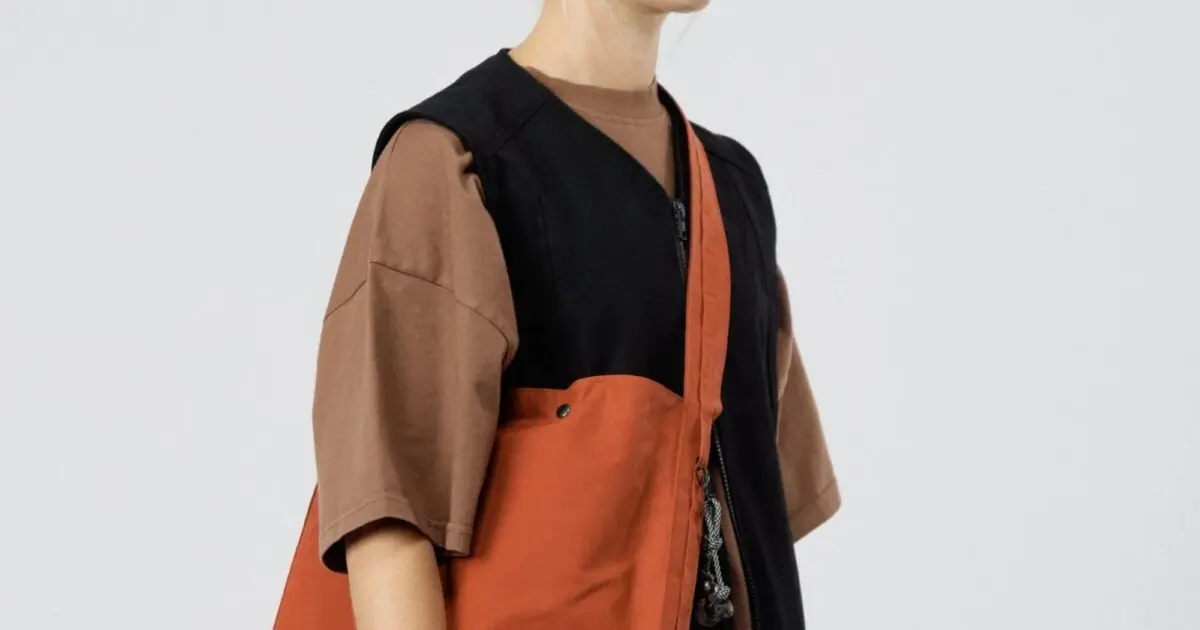
As consumers increasingly scrutinize the environmental footprint of their everyday accessories, the humble tote bag has found itself under the microscope. Editors dedicated to evaluating ethical fashion and lifestyle products have curated a fresh selection of highly rated, more sustainable tote bags. Sourced from top-tier brands, the newly refreshed roundup highlights a diverse array of options ranging from completely vegan designs by labels like Sans Beast and Mashu, to budget-friendly alternatives from Up-Fuse and Terra Thread, as well as distinct upcycled creations by Elvis & Kresse and E.L.V. Denim.
Tote bags are among the most versatile items in modern wardrobes. They serve as reliable companions for carrying daily groceries, packing beach essentials, hauling yoga mats to the studio, and managing countless other daily tasks. Yet, despite their ubiquity—found everywhere from local independent coffee shops to large supermarkets—not all tote bags are created equal. Many are produced by businesses operating with little regard for their broader environmental or social impact, making informed purchasing decisions more critical than ever.
Understanding what defines a more ethical and sustainable tote bag requires looking closely at the materials, manufacturing processes, and labor practices behind the product. The foundation of any sustainable carryall begins with lower-impact materials. Traditional cotton-canvas totes, while popular, often rely on conventional cotton cultivation, which demands heavy use of synthetic pesticides and water. Organic cotton represents a significant improvement by avoiding these harmful chemicals. Similarly, polyester options are frequently utilized for their durability and capacity to carry heavy loads, but virgin polyester is derived from fossil fuels. This extraction process contributes directly to greenhouse gas emissions and drives ongoing global demand for oil. For consumers opting for synthetic fabrics, selecting recycled polyester is widely recommended to mitigate these ecological concerns.
Animal-derived materials also demand careful consideration within the accessories market. High-end tote bags are frequently manufactured using leather, prompting sustainability advocates to recommend either cruelty-free vegan alternatives or certified leather options that adhere to stringent environmental and animal welfare standards. Beyond materials, longevity is a primary indicator of true sustainability. A truly sustainable bag must feature quality manufacturing, robust stitching, and securely attached handles, seams, and fastenings. These structural elements ensure that the product can stand up to frequent, heavy use, ultimately preventing premature disposal and reducing overall consumption.
Reflecting these rigorous standards, the newly updated editorial selection features distinct brands making notable strides in sustainable production. Among them is Up-Fuse, a Cairo-based social enterprise deeply committed to promoting an eco-conscious lifestyle. Operating under the philosophy that one person’s trash is another’s fabric, the brand collaborates directly with Syrian, Ethiopian, and Sudanese female refugees living in Egypt, integrating social upliftment into the creation of its unique, eco-friendly products.
Another prominent contributor to the sustainable accessories space is Ucon Acrobatics, a brand that places a strong emphasis on innovative, functional, and minimalistic design tailored for creative consumers. The company constructs its products using a high proportion of eco-friendly materials, including organic cotton. In its direct operations, Ucon Acrobatics utilizes renewable energy to actively reduce its climate impact, while concurrently ensuring the payment of living wages to workers at the final stage of production.
For consumers seeking luxury alternatives free from animal products, brands like Svala offer a compelling path forward. Svala specializes in crafting luxury vegan handbags, purses, bags, and totes. Each item is handcrafted responsibly in Los Angeles, utilizing premium vegan leather, cork, and Piñatex—an innovative natural textile made from pineapple leaf fibers.
Similarly, Lefrik approaches sustainability by giving discarded plastic a second life. The brand designs and manufactures backpacks and accessories that successfully blend everyday functionality, modern aesthetics, and smarter production practices, transforming waste into durable daily wear.
Mashu, a British sustainable vegan accessories label, has likewise carved out a strong reputation for ethical production, earning a favorable environmental rating. The brand specializes in handbags that feature exteriors crafted from innovative vegan leather alternatives, while their interiors are lined with vegan suede made from recycled polyester. This meticulous approach ensures that consumers never have to sacrifice their ethical morals for contemporary style.
This curated overview forms part of an ongoing effort by ethical fashion platforms to provide transparent, comprehensive ratings assessing how fashion and beauty brands impact people, the planet, and animals. Through continuously updated directories, consumers are given access to evaluated data on thousands of global brands, supporting more informed and responsible purchasing habits across the industry.