






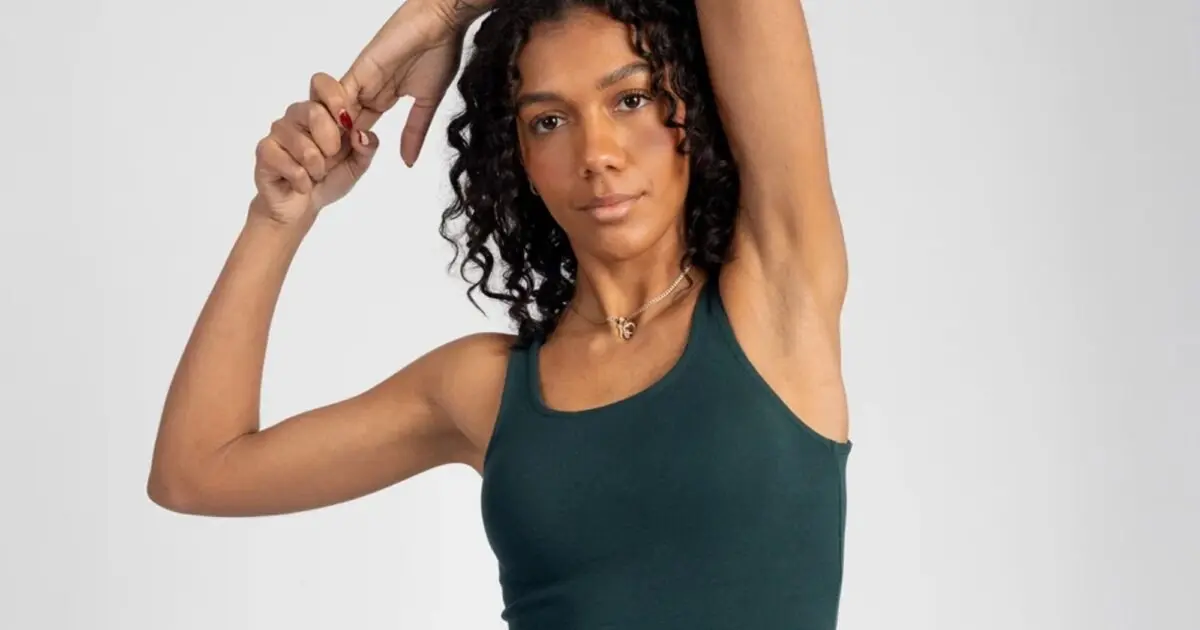
Staying active is widely recognized as one of the most effective steps individuals can take to support their overall health and well-being. Whether hitting the gym, heading out for a morning run, swimming, or scaling a remote mountain peak, physical movement is a cornerstone of a healthy lifestyle. However, a persistent contradiction has long shadowed the fitness industry: while consumers exercise to protect their bodies and health, the workout clothes they wear are frequently manufactured from harmful virgin synthetic materials. Furthermore, these garments are often produced under exploitative labor conditions designed to keep corporate costs artificially low at the expense of human dignity.
Creating a more sustainable paradigm within the activewear and technical apparel market requires a fundamental shift in how supply chains operate. At its core, sustainable activewear demands that workers are paid a genuine living wage and treated with fairness and respect. This includes ensuring workers have the fundamental right to unionize, financial security, and strict safety standards in the workplace. Beyond labor rights, sustainability necessitates opting for lower-impact materials that reduce environmental degradation, alongside offering viable end-of-life handling for garments that must incorporate synthetic blends to achieve high-performance elasticity and durability.
To help consumers navigate this complex landscape, editorial researchers and ratings systems evaluate thousands of fashion brands based on their performance across three critical pillars: people, the planet, and animals, utilizing publicly available evidence. By scrutinizing everything from labor practices to carbon footprints and material sourcing, these evaluations highlight companies that are genuinely leading the charge toward a more responsible industry. In the United States and Canada, several brands have emerged at the forefront of this movement, offering high-performance activewear and technical outdoor gear that align athletic ambition with environmental and ethical responsibility.
Brands in the United States Making More Ethical Activewear
In the United States, several independent brands are rethinking how workout gear and casual apparel are designed and manufactured. Among them is Happy Earth Apparel, an organic clothing brand deeply inspired by nature and dedicated to its preservation. Operating with a clear mission to protect the environment, the brand partners with various non-profits and utilizes a dedicated network of ambassadors to fund tree-planting initiatives, combat climate change, and organize clean-ups for discarded trash. By integrating these environmental campaigns directly into its business model, Happy Earth ensures that consumer purchases actively contribute to ecosystem restoration. Shoppers looking for eco-conscious wardrobe staples can typically find the brand’s apparel offered in a wide size range spanning from XS to 3XL, making sustainable fashion more accessible to diverse body types.
Another notable American brand championing alternative materials is Natasha Tonic, which approaches swimwear and activewear through the lens of innovative textile engineering. The brand builds its signature fabric around natural hemp fibers, chosen deliberately for their inherent antimicrobial properties, durability, and resistance to ultraviolet rays. Beyond its functional performance during swimming and outdoor activities, hemp serves as a healthier choice for both human skin and the world’s oceans, avoiding the microplastic shedding commonly associated with conventional synthetic swim materials. Adding a distinct artisan touch to its production process, Natasha Tonic ensures that each individual piece is printed entirely by hand, meaning no two garments are identical. The brand’s specialized swimwear line is generally available in sizes ranging from XS to XL.
For those whose active routines lean toward yoga, stretching, and mindful movement, Purusha People offers a distinct aesthetic infused with dainty details and thoughtful craftsmanship. The brand specializes in organic, plant-based activewear pieces designed to wick away sweat while maintaining a comfortable, relaxed atmosphere during practice. By utilizing natural and lower-impact materials, Purusha People addresses the environmental footprint of traditional yoga wear without sacrificing flexibility or moisture management. To accommodate a wide spectrum of practitioners, the brand stocks its pieces across an inclusive size range, running from XS to 4XL.
Activewear Brands from Canada
Moving north of the border, the Canadian activewear and outdoor gear market boasts several prominent leaders committed to environmental regeneration and ethical manufacturing. Among the most widely recognized is tentree, a Canadian brand whose operational model is anchored in a powerful reforestation commitment. For every single item purchased, tentree plants ten trees in collaboration with global partners, working to regenerate damaged ecosystems while providing reliable planting jobs in vulnerable communities around the world. To date, the brand has successfully planted tens of millions of trees globally. Beyond its reforestation efforts, all tentree products are developed with an Earth-first approach, ensuring they are manufactured in fair and safe working conditions and constructed primarily from lower-impact and recycled materials. The brand’s everyday apparel and active-lifestyle clothing are typically offered in sizes ranging from XS to XL.
For consumers seeking high-performance technical outerwear capable of withstanding harsh weather conditions, Wuxly Movement provides a compelling Canadian alternative. Combining tech-based performance fabrics with recycled materials, the brand draws on Canada’s rich heritage in quality manufacturing to innovate responsibly. The foundational vision behind Wuxly Movement emerged from an opportunity to modernize traditional outerwear production using more sustainable materials, all while maintaining a strict commitment to leaving animals completely out of the equation. As a result, the brand delivers elite-tier technical garments that are entirely animal-free. The comprehensive range is designed to cater to a broad audience, with sizes spanning from 2XS to 3XL.
Another Canadian contributor to the sustainable outerwear space is BEDI, a studio dedicated to crafting high-quality, minimalist winter coats and functional bags. Rather than relying exclusively on newly manufactured textiles, BEDI incorporates unconventional, repurposed materials into its designs, such as salvaged automotive seatbelts and recycled nylon, effectively diverting industrial waste from landfills while creating durable, weather-resistant products. The brand’s thoughtfully engineered range is typically available in sizes ranging from XS to XL, reflecting a growing consumer demand for circular fashion principles in cold-weather gear.
As consumer awareness surrounding the hidden costs of fast fashion and conventional activewear continues to grow, the availability of transparently rated, ethically produced alternatives provides a viable path forward. By supporting brands that prioritize fair labor, environmental stewardship, and innovative lower-impact materials, individuals can align their fitness routines with their personal values, ensuring that the pursuit of personal health does not come at the expense of people or the planet.