





Our editors curate highly rated brands that are first assessed by our rigorous ratings system. Buying through our links may earn us a commission—supporting the work we do. Learn more.
It is hard to believe that the e-commerce giant Temu is only a few years old. Having launched in 2022, the platform has already established itself as a dominant leader in the ultra-fast fashion and multi-category retail space, bringing serious competition to long-established heavyweights like Amazon. Despite its meteoric rise, sustainability analysts at Good On You rate the platform firmly as "We Avoid," pointing to the detrimental environmental and social impacts of its business model. For consumers looking to make more responsible purchasing decisions, a growing landscape of highly rated brands offers ethical alternatives across the very categories Temu sells, including menswear, womenswear, children’s clothing, homewares, and beauty products.
Why ‘We Avoid’ Temu
Despite launching in 2022, Temu has quickly dominated the ultra-fast fashion industry and brought serious competition to long-established multi-category retailers like Amazon. In fact, retail analyst Neil Saunders described Temu to the BBC as "Amazon on steroids," and the platform boasts around 13 million monthly users in the UK alone.
The e-commerce business was founded by billionaire Colin Huang and relies on a vast network of millions of independent, third-party manufacturers and merchandise partners. According to a representative from Temu’s public relations team who contacted Good On You earlier this year—requesting that the platform no longer be labeled as "ultra-fast fashion"—this supplier network allows the company to stock every kind of product imaginable, ranging from apparel to novelty items like fake chicken leg ornaments and other unusual objects. The retailer argues that this incredible variety and extremely low pricing allow consumers to "shop like a billionaire." Sustainability advocates, however, argue that this model drives mindless consumption and generates staggering amounts of waste.
SHEIN, another retail behemoth that promotes overconsumption, remains Temu’s main competitor in the fashion space. The two companies have been involved in a contentious cycle of legal battles and lawsuits over the past few years. Temu distinguishes itself from SHEIN by arguing that it does not directly manufacture clothing, relying instead on external suppliers, which it uses to justify identifying as a marketplace rather than a brand. Temu also uses this reasoning to deny its status as an ultra-fast fashion business.
Ultimately, however, the individual brands sold on Temu do not hold an independent identity in the minds of consumers. The website is continuously flooded with new products, aggressively encouraging overconsumption. The business’s low pricing strategies, massive inventory exceeding 5,000 products online at the time of evaluation, frequent sales and promotions, and marketing methods specifically designed to drive compulsive purchasing are all classic indicators of the ultra-fast fashion business model. This model has repeatedly proven to be deeply detrimental to the fashion industry, people, the planet, and animals as a whole.
Beyond concerns over overproduction and waste, the business has faced serious scrutiny. Temu has been accused of design theft, an issue investigated by reporter Maggie Zhou in 2024. The platform has also been found to utilize "dark" user interface patterns—design choices explicitly meant to manipulate users into shopping more frequently and quickly—as well as offering products containing high levels of toxic chemicals.
Given these practices, it comes as no surprise that Temu receives a "We Avoid" rating against Good On You’s comprehensive methodology. For consumers who need to purchase new items, analysts recommend seeking out alternative brands and retailers that take careful measures to ensure their products are free from toxic chemicals and that do not rely on manipulative web design to drive sales. A selection of alternative brands and multi-brand platforms covers the primary categories sold on Temu, spanning menswear, womenswear, children’s clothing, beauty, and home goods.
A note on affordability
Good On You is committed to helping consumers find sustainable options regardless of their budget. However, the organization recognizes that many responsible brands often appear more expensive upfront. This pricing disparity exists because a product’s price tag reflects much more than just the cost of raw fabric. Fast fashion prices are typically kept artificially low because workers are denied living wages and environmental standards are ignored during production.
Furthermore, the rise of fast fashion has fundamentally distorted public perception regarding the true cost of clothing. Modern consumers spend significantly less and purchase vastly more low-quality garments than shoppers did a few decades ago. When calculating the cost per wear—factoring in durability and how often an item is actually used—higher-quality garments that last for years often prove more economical in the long run, despite the initial investment.
While the platform highlights a range of more affordable sustainable brands, consumers are encouraged to pursue the most sustainable options that fit their personal circumstances. Sometimes this involves shopping second-hand, while other times it means rediscovering and restyling garments already present in one’s wardrobe. For those operating on a specific budget, curated round-ups of sustainable and affordable brands organized by price point can provide further guidance.
More sustainable alternatives to Temu
Fashion
Ninety Percent is a British label creating stylish womenswear with a unique business model. Founded with the mission to share 90% of its distributed profits between five charitable causes and the people who make its collections happen, the brand openly publishes details of its suppliers and factories online. Its collections are available in UK sizes 2XS to 2XL.
Happy Earth Apparel is a US-based organic clothing brand inspired by nature and dedicated to its preservation. Through ongoing partnerships with environmental non-profits and ambassadors, the company actively contributes to tree-planting initiatives, climate action, and community clean-ups. Most items are offered in sizes XS to 3XL.
OMNES is a more responsible and accessible UK-based brand producing high-quality womenswear. The brand states that it was created to help change how people shop, wear, and think about clothing, while encouraging the wider industry to follow suit. Most items are available in sizes 6 to 20.
Canadian brand tentree plants ten trees for every item purchased, contributing to ecosystem restoration and supporting employment in planting communities around the world. Having already planted over 65 million trees, the brand maintains an Earth-first approach, ensuring products are manufactured in safe working conditions using lower-impact and recycled materials. Clothing is typically available in sizes XS to XL.
LOVETRUST is a woman-owned, sustainable clothing brand focused on combining fashion with comfort. Most items from the collection are offered in sizes XS to 2XL.
Frske is an Australian womenswear brand guided by principles of utility, lower-impact materials, soft silhouettes, and a commitment to quality over quantity.
Up-Fuse is a Cairo-based social enterprise dedicated to promoting an eco-conscious lifestyle. Operating under the philosophy that "one person’s trash is another’s fabric," the brand collaborates with Syrian, Ethiopian, and Sudanese female refugees living in Egypt to produce its distinctive goods.
RÄPAHAUS, based in Australia, offers hand-dyed and responsibly made clothing and homewares. The brand celebrates the artisans and natural resources of Indonesia while actively giving back to and empowering the local communities and environments where its supply chain operates. Most items are available in sizes XS to 2XL.
Childrenswear
Oobi is an Australian children’s fashion, swimwear, homewares, and lifestyle brand. Alongside producing stylish clothing for children, babies, and tweens, the brand utilizes low-impact, non-toxic dyes, avoids animal-derived products, and opts for sea freight transportation to minimize its carbon footprint. Customers can also find pre-loved Oobi items through platforms like Retykle.
Beauty
Disruptor London is a PETA-approved vegan beauty brand seeking to replace unsustainable personal care items with lower-impact alternatives. Its production adheres to five core principles: ingredient transparency, responsible consumption, waterless formulas, responsible manufacturing, and plastic-free packaging.
UpCircle Beauty centers its operations around circularity, with a mission to leave the world better than it was found by transforming ingredients that would otherwise go to waste into natural, organic beauty products.
Multi-brand Retailers
Rêve En Vert has served as a premier destination for sustainable luxury brands that major e-commerce platforms rarely stock. The platform features an array of items spanning fashion, homeware, beauty, and bridal goods.
Brothers We Stand is a dedicated online store offering men’s clothing and accessories from sustainable brands, alongside its own in-house clothing label.
Earthkind functions as a multi-brand online platform where aesthetics, ethics, and innovation intersect. The site incorporates values-based filters—such as transparency, vegan, and organic—alongside curated edits for specific occasions like cozy mornings or work-from-home settings, featuring brands like Armedangels, COSSAC, and Whimsy & Row.
eBay offers access to a vast array of pre-owned goods, helping consumers bypass the linear take-make-waste cycle of ultra-fast fashion while often securing lower prices than buying new. Users can easily save searches and receive alerts when specific items matching their criteria become available.
Retykle provides a specialized platform for pre-loved childrenswear, enforcing strict quality standards and safety checks to ensure every item remains clean and safe for children.
For shoppers seeking further alternatives, additional guides explore brands to consider instead of SHEIN as well as more sustainable switches for CIDER’s best-selling items.
Editor’s note
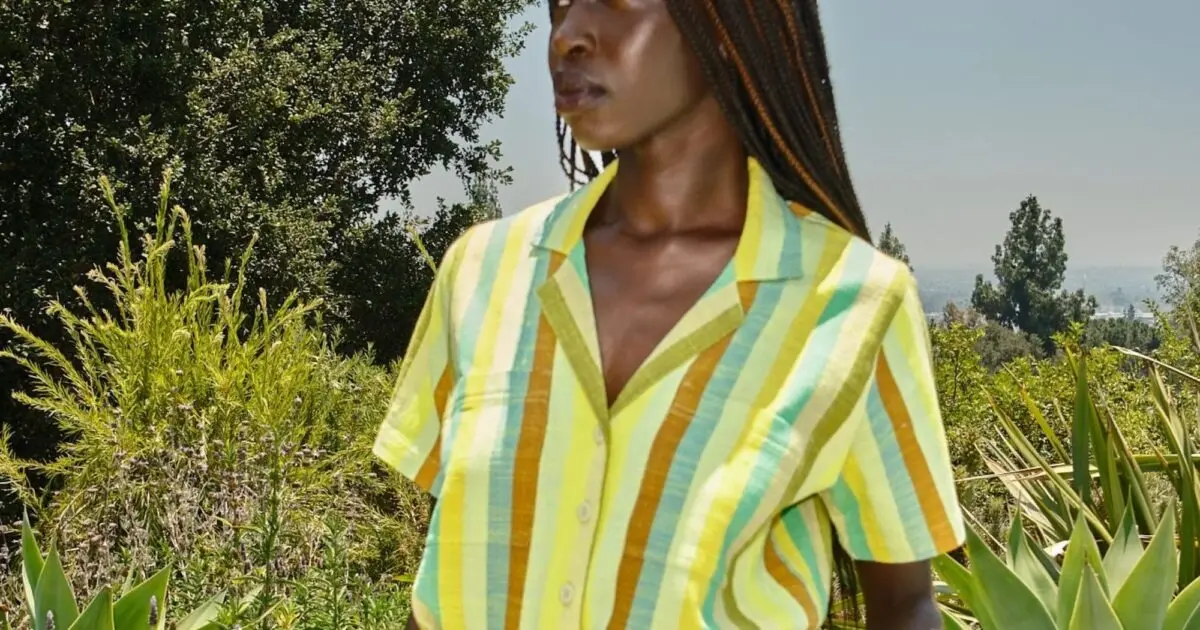
Feature image via Ace & Jig; all other images via the respective brands mentioned. Good On You publishes comprehensive ratings evaluating the impact of fashion and beauty brands on people, the planet, and animals. The Good On You directory allows users to search thousands of rated brands.
This article was updated on August 6, 2026, to ensure all referenced brands maintain current and accurate ratings.