






Even for those deeply familiar with the nuances and eccentricities of the modern watch industry, Roger Dubuis has an undeniable knack for releasing timepieces that shock and surprise. The brand’s avant-garde creations occasionally cause collectors and enthusiasts to do a double take, challenging conventional aesthetics and pushing the boundaries of mechanical and artistic expression. Yet, that element of provocation is a core part of the appeal, cementing the Geneva-based manufacture’s reputation for defying expectations.
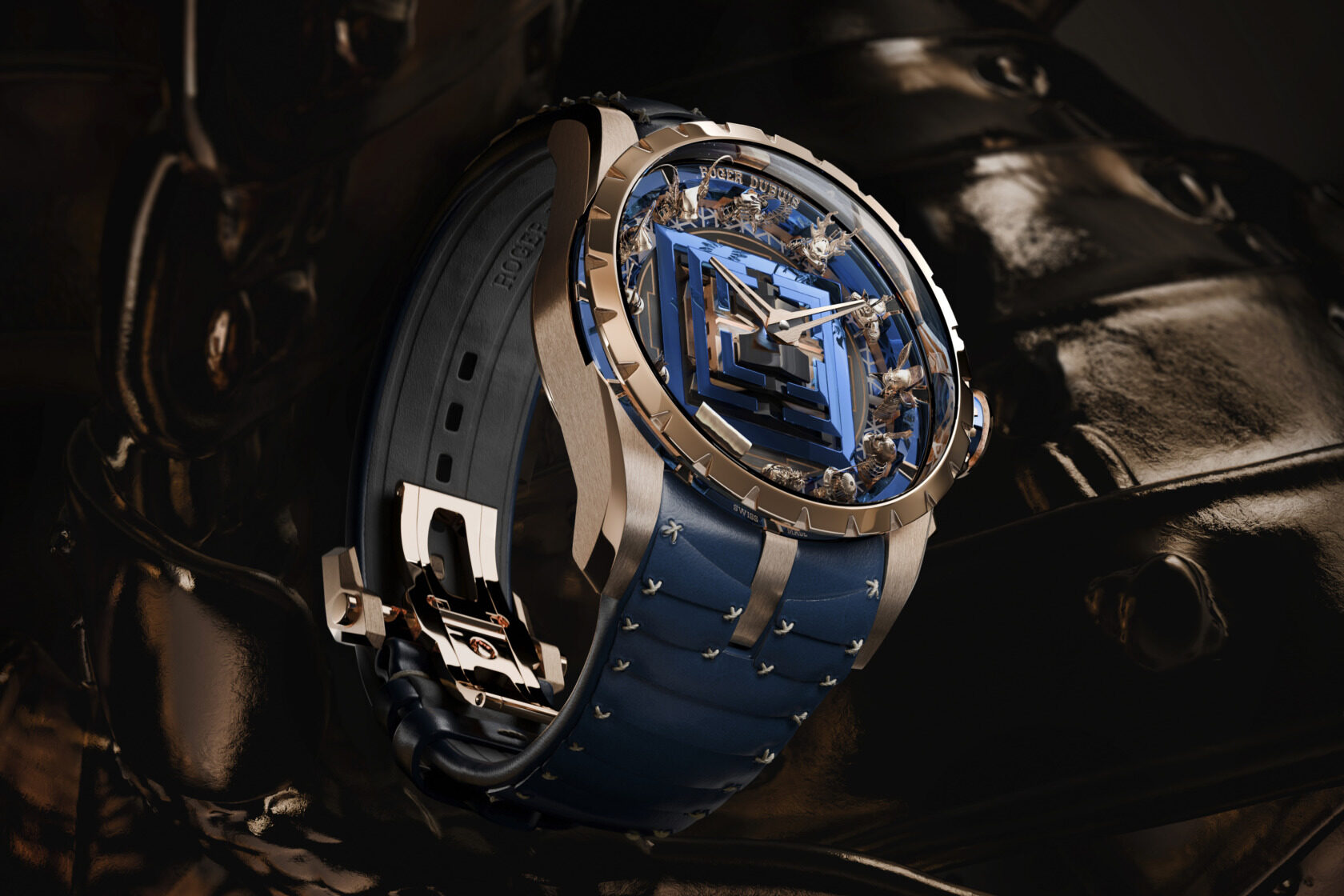
A striking case in point is the newly introduced Roger Dubuis Excalibur The Kabuto Legacy. Serving as a bold and unexpected extension of the famed Excalibur collection, this release puts the brand’s elite métiers d’art artisans back to work on an exceptional, highly intricate set of micro-engraved samurai helmets. Rather than relying solely on traditional haute horlogerie finishing, the timepiece bridges centuries-old Japanese martial heritage with contemporary Swiss watchmaking, resulting in a miniature gallery of historical craftsmanship worn directly on the wrist.
To understand the weight of this new release, one must look back at the roots of the collection. The Roger Dubuis Excalibur line first launched in 2005, introducing a bold, aggressive new case architecture paired with heavily skeletonized mechanical movements. That initial launch marked a crucial turning point for the brand, steering its overall design language away from conservative norms and toward a deeply contemporary, high-impact aesthetic.
Eight years later, in 2013, the narrative lore of the Excalibur universe took a more central and literal role in the collection’s identity through the debut of the first limited-edition Knights of the Round Table timepiece. That inaugural series was strictly limited to just 28 pieces, with each watch featuring 12 individually hand-engraved miniature knights positioned strategically around the dial, their tiny swords drawn and pointed toward the center. It was a whimsical yet masterfully executed concept that resonated deeply with collectors of high-complication art pieces.
The series has continued over the years with several subsequent limited editions, exploring various iterations of Arthurian legend. However, with the notable exception of a single Chinese Zodiac reference introduced in 2021, each iteration had faithfully featured traditional European fighters—until now.
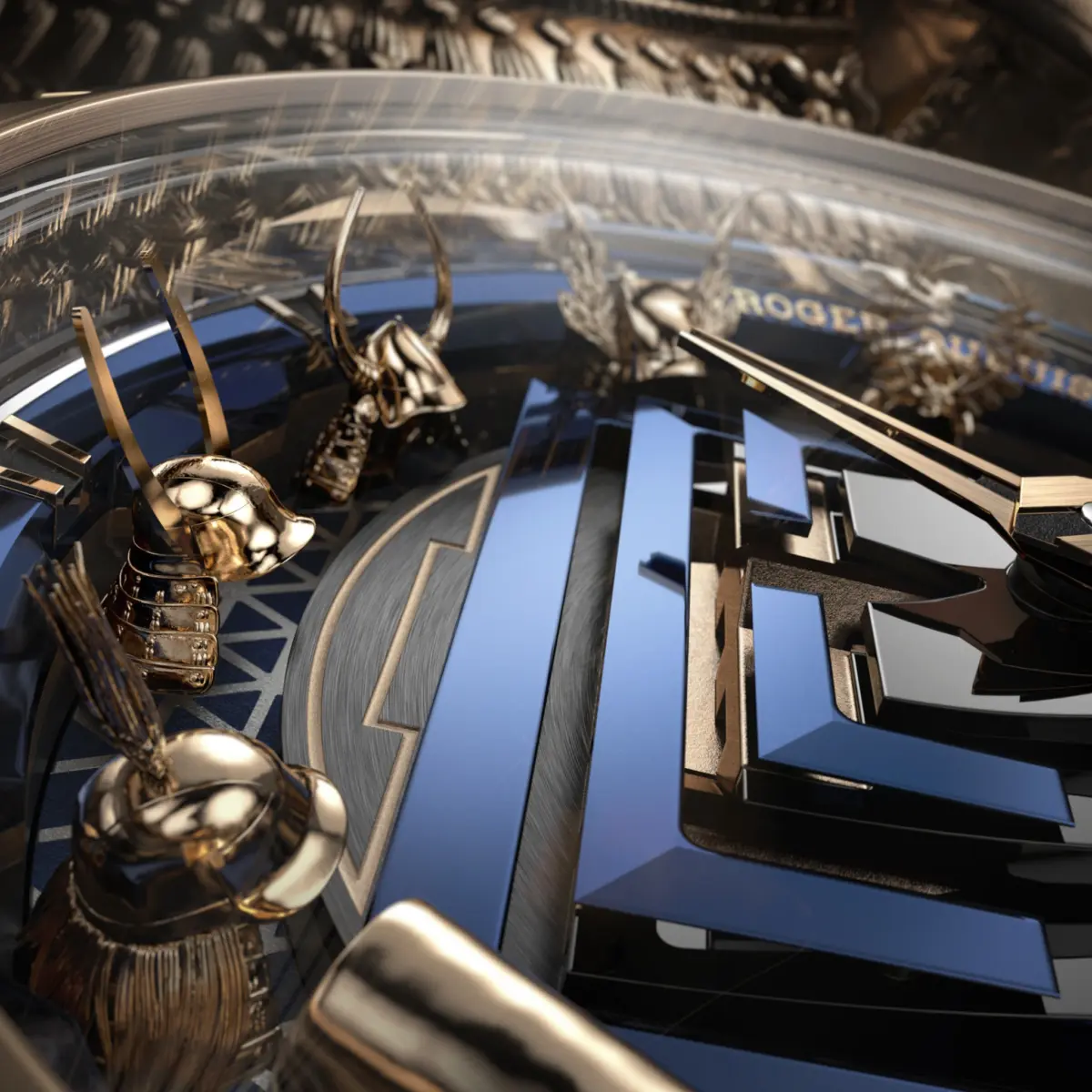
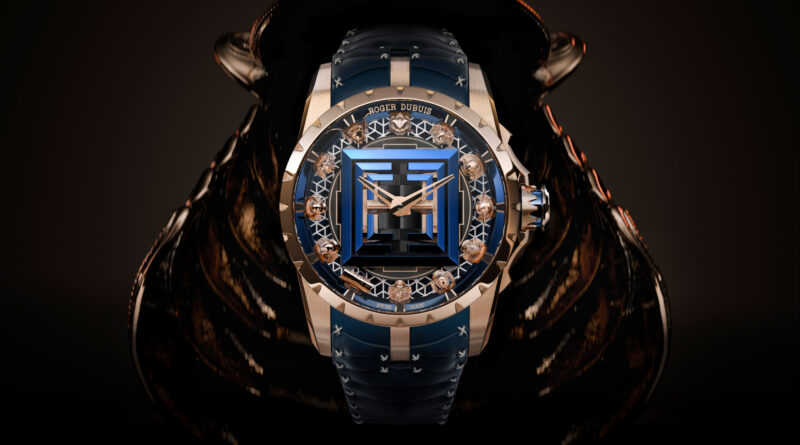
The Excalibur The Kabuto Legacy is a substantial piece of hardware, particularly when considering its robust 45mm case is forged entirely from 18K pink gold. However, when working with this level of micro-engraving and sculptural depth, physical presence is a necessity; an artisan simply needs adequate spatial real estate for the work to truly shine. Unlike its European-themed counterparts, this timepiece eschews miniature human figures for its hour markers entirely. Instead, it features 12 hand-sculpted kabuto, the historic Japanese samurai helmets.
Historically, kabutos served a dual purpose on the feudal battlefield. While they were primarily designed as vital pieces of protective armor to shield a warrior’s head from lethal blows, they were also heavily individualized to act as unmistakable identifying marks amid the chaos of war. In the thick of combat, a samurai commander needed a way to rally his troops and signal his position, and a helmet’s distinctive, flamboyant ornamentation allowed allies and enemies alike to instantly identify a high-ranking leader.
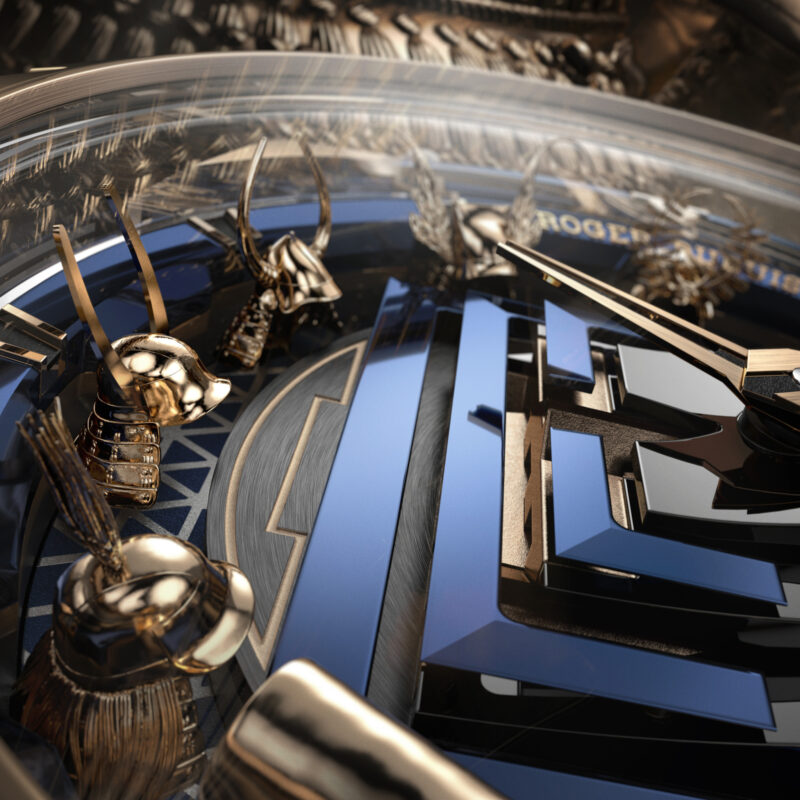
In the context of the Roger Dubuis dial, these 12 kabutos represent legendary commanders from a pivotal era in Japanese history: the unification of the country and the eventual establishment of the Tokugawa shogunate in the early 17th century. To guarantee absolute historical accuracy and cultural reverence, Roger Dubuis enlisted the expertise of Frederik Cryns, a distinguished professor of Japanese history who also served as a vital historical consultant on the critically acclaimed television series Shōgun. His deep academic expertise directly informed the artistic interpretation of the commanders, ensuring that every helmet accurately reflects the historical record.
The narrative circle begins at the 12 o’clock position with the shōgun himself, Tokugawa Ieyasu. As one of the principal architects of a unified Japan, his kabuto is distinguished by a prominent fern motif, a traditional symbol representing prosperity and longevity. Flanking the shōgun are the Four Heavenly Kings of the Tokugawa—legendary, fiercely loyal samurai commanders who fought valiantly alongside Ieyasu—positioned strategically at the 1, 2, 4, and 9 o’clock markers, alongside other noteworthy historical figures of the period.
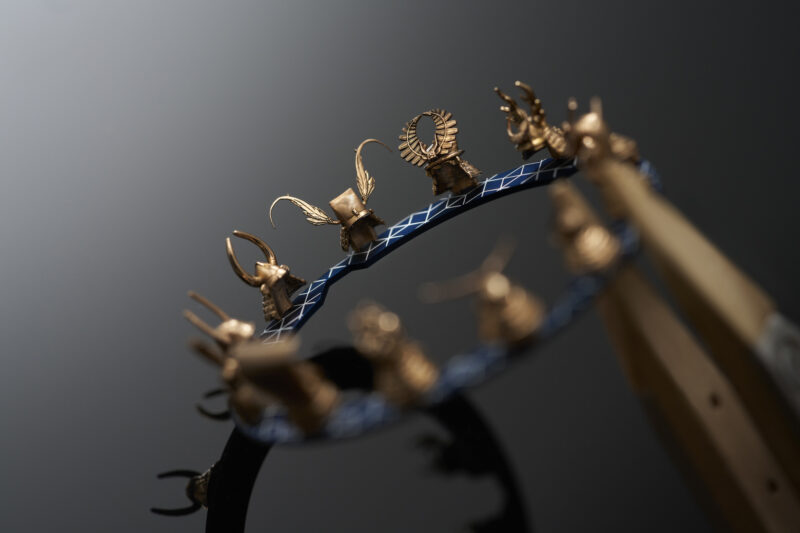
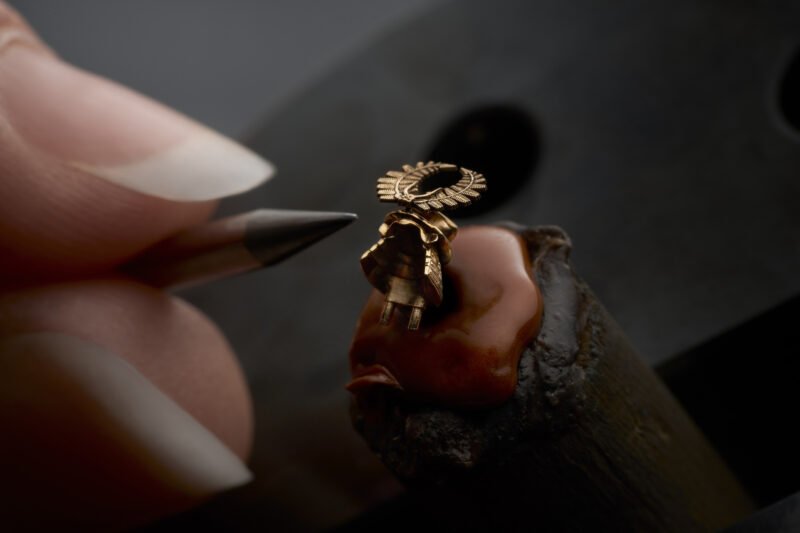
The microscopic level of detail engineered into each helmet is truly remarkable. Each individual kabuto is micro-sculpted from 18K pink gold and meticulously hand-engraved, a grueling process that demands two to three full days of uninterrupted labor per helmet by master artisans.
At the very center of the dial sits an abstract architectural interpretation of Edo Castle, finished in a deep, brooding blue that immediately recalls the rich indigo dye traditionally used in authentic samurai garments. Edo Castle was the historic home of the Tokugawa shōgun and served as the absolute center of the Japanese government and military power throughout the Edo period. The miniature structure features a complex, layered construction that incorporates a variety of distinct finishing techniques, including fine polishing, circular brushing, and precision shot-blasting, all deliberately employed to clearly distinguish the individual architectural elements of the historic fortress.
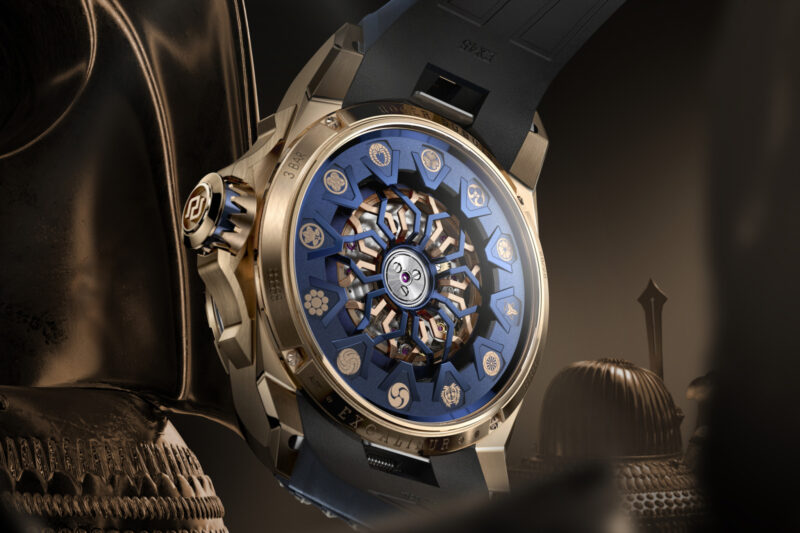
With so much painstaking handwork and traditional decorative craftsmanship poured into the visual presentation of these timepieces, it is easy to momentarily overlook the formidable technical engineering humming away beneath the art. The watch is powered by the proprietary Roger Dubuis RD821 self-winding mechanical caliber. This movement is a work of horological art in its own right, featuring 14 distinct finishing techniques meticulously applied by hand to every single internal component. Furthermore, like all certified timepieces leaving the manufacture, this watch proudly bears the prestigious Poinçon de Genève (Geneva Seal), an independent legal certification that establishes uncompromising standards for supreme craftsmanship, decorative finishing, and strict mechanical performance in Geneva watchmaking.
There is little argument that the artisanal-focused creations from Roger Dubuis will always occupy a relatively niche space in terms of broader commercial market appeal. Yet, there is immense value to be found in the brand’s unwavering, long-term investment in traditional craftsmanship and its fearless willingness to reinterpret those ancient techniques in startlingly modern, unexpected ways.
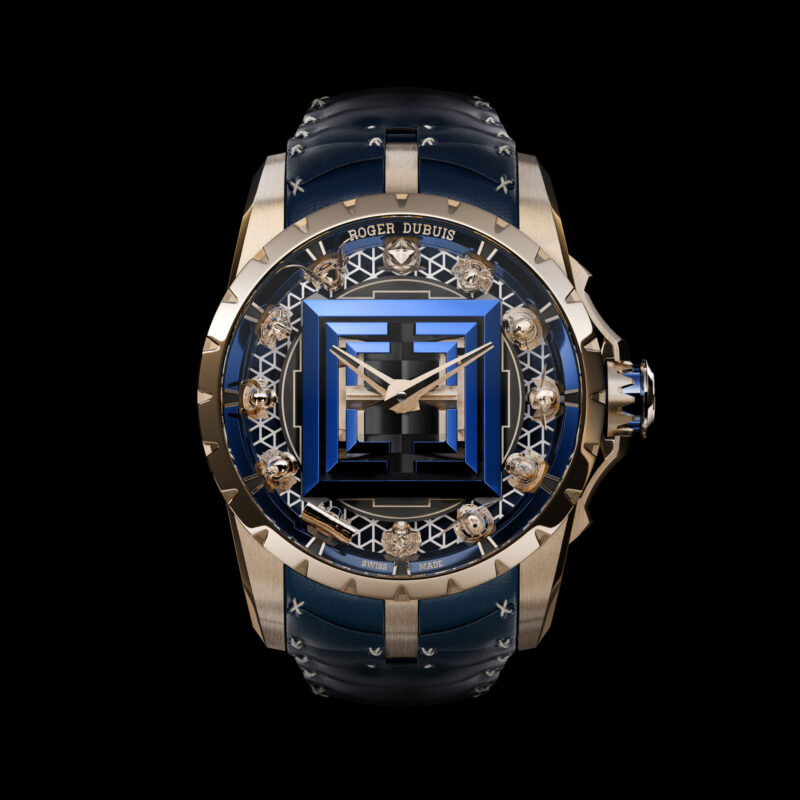
The Roger Dubuis Excalibur The Kabuto Legacy is strictly limited to just 28 pieces worldwide, with pricing available exclusively upon request for serious collectors and connoisseurs of fine watchmaking.