

The Toledo Museum of Art has opened its doors to a profound and deeply immersive homecoming exhibition honoring the late artist Bobby Anspach. Running through March 2027, Losing Ourselves Together: The Art of Bobby Anspach marks a significant milestone as the first major American museum presentation of the Toledo-born artist’s work. Curated by Paige Rozanski, the museum’s associate curator of modern and contemporary art, in close collaboration with the Bobby Anspach Studios Foundation, the exhibition invites visitors into a multi-sensory realm that bridges sculpture, human connection, and meditative philosophy.
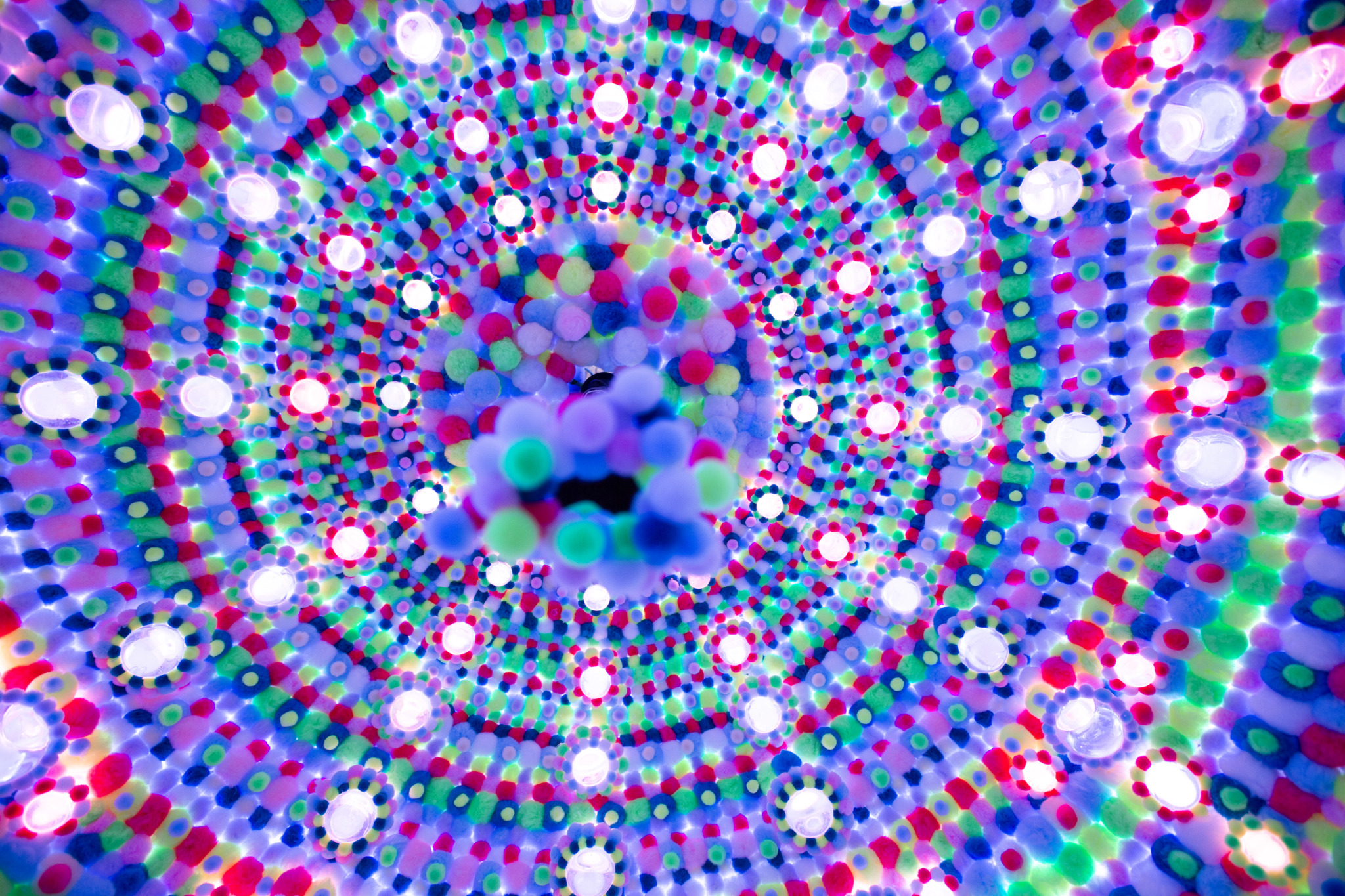
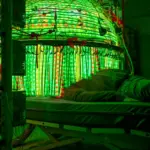
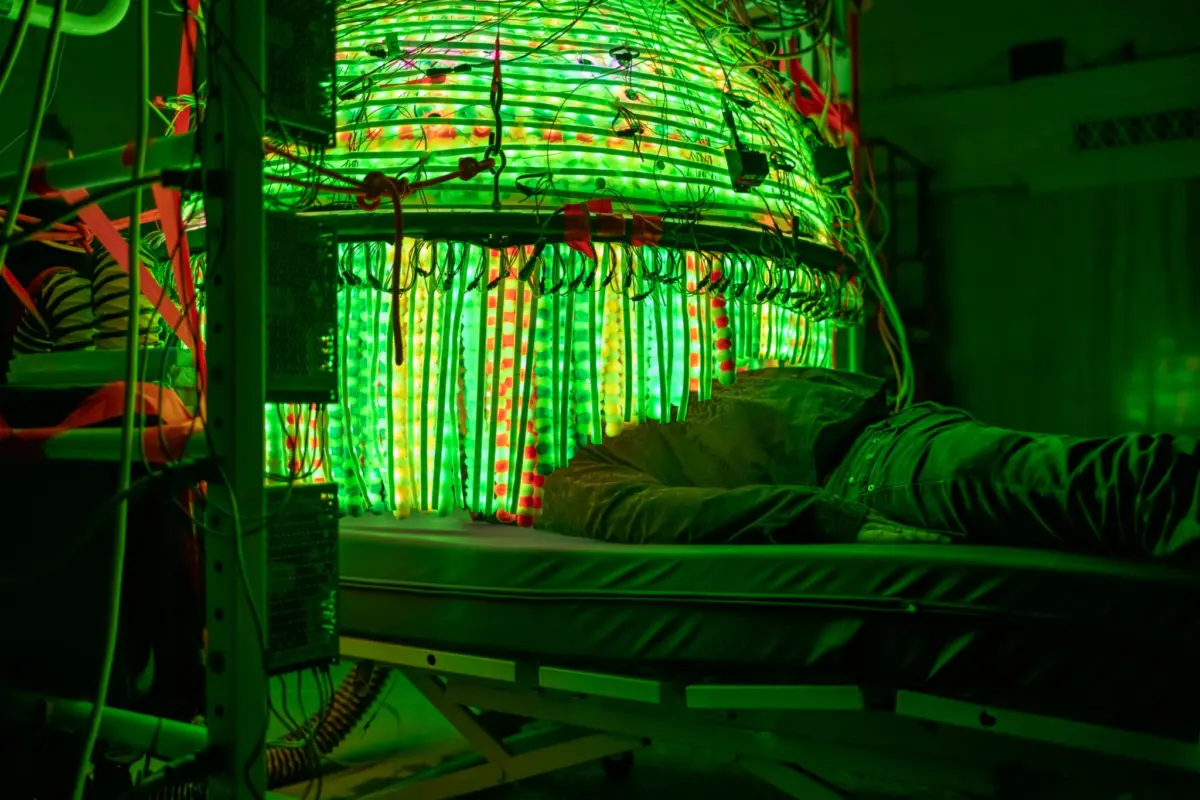
Anspach, who tragically passed away in 2022, began developing his signature immersive sculptures while studying as a graduate student at the Rhode Island School of Design. These intricate, enclosed environments—collectively gathered under the evocative title Place for Continuous Eye Contact—utilize an improbable inventory of materials. Pom-poms, hand-blown glass, rich tapestries, and chandelier-like domes line the interiors of these structures, creating spaces that feel simultaneously playful and profoundly sacred.
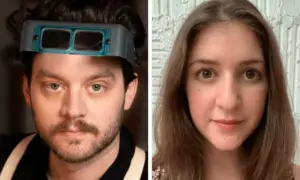
Each enclosed environment is meticulously engineered for a three-minute visit, adhering to a strict set of protocols established by the artist. Inside, a participant typically wears an eye patch over one eye and studies the reflection of the other eye in a small mirror. In a companion version built for two people, participants sit opposite one another, holding each other’s gaze. The sensory experience within these chambers is carefully calibrated through shifting light, vibrant colors, and ambient sound compositions created by Eluvium, the artist’s longtime collaborator. Together, these elements produce subtle, transformative shifts in depth perception and consciousness, dissolving the boundaries between the self and the surrounding environment.

The current exhibition at the Toledo Museum of Art anchors three core works from this iconic series alongside a newly adapted version thoughtfully designed to accommodate visitors of varying physical abilities. Curator Paige Rozanski organized the galleries as a continuous, deliberate sequence of spaces, ensuring that Anspach’s unique artistic voice and his fundamental belief in human connection remain at the heart of the visitor experience.
Three Distinct Spaces

The exhibition journey begins with a short documentary film that introduces visitors to Anspach’s life, creative philosophy, and artistic process through archival footage and the artist’s own recorded words. From this introductory space, visitors move directly into the main gallery, where they encounter two of the experiential enclosures: one crafted for a single participant and another designed for a pair. Rozanski carefully planned the gallery layout with first-time visitors and newcomers in mind, recognizing that the experiential nature of the installations requires careful contextualization.
Because the "eye machines" are experiential and require a trained guide to engage with a participant through specific protocols, creating a welcoming and comfortable environment was essential for the curatorial team. In addition to the active installations, the exhibition features a dedicated space where the machines are displayed together statically. This allows museumgoers to closely study their individual construction, intricate wiring, and eclectic material palette side by side.

Throughout the galleries, the museum’s design team went to great lengths to integrate Anspach’s personal presence into the architectural and graphic details. Designers translated the artist’s actual handwriting into the exhibition’s typography, reproduced his thoughtful quotes at a large scale on the walls, and stocked a tranquil closing reflection room with books and texts that deeply inspired him during his lifetime. This final decompression space offers visitors a quiet place to process their sensory experiences before leaving the exhibition.
Mind, Planet, and Human Connection

Anspach’s enduring fascination with Buddhism, meditation, and Eastern philosophy permeates every aspect of the work on display. His deep personal engagement with meditative practices fostered a sense of inner peace that he actively sought to share with the broader public. By constructing artworks that function as momentary retreats, Anspach aimed to help individuals transcend their physical limits and daily anxieties.
Crucially, the artist saw an unbreakable, direct link between interpersonal human connection and the ultimate fate of the global environment. This pressing ecological concern is made explicit in powerful paintings such as Climate Change and The Beautiful Nothing, both created between 2014 and 2015. Meanwhile, smaller, more intimate pieces—including Pom Sculpture Study 1 from 2020 and Most Beautiful Thing in the World from 2014–2015—provide a window into Anspach’s creative process, showcasing him working through complex ideas at a miniature, tactile scale.

Rozanski frequently returns to a specific statement by the artist to encapsulate his overarching worldview and artistic mission. Anspach once reflected that he had experienced profound moments in life that revealed a unique way of relating to the world. He believed that if everyone could share in that perspective, humanity would alter its collective behavior drastically, recognizing the immense preciousness of existence and going to extraordinary lengths to care for one another and for the planet.
A Fitting Setting in Glass

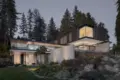
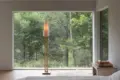
The exhibition finds an ideal home within the museum’s Glass Pavilion, a striking single-story architectural masterpiece designed by the Pritzker Prize-winning architecture firm SANAA. Characterized by layered, curved transparent walls that blur the distinction between interior and exterior spaces, the pavilion serves as a natural extension of an artistic practice deeply concerned with dissolving boundaries.
For Rozanski and the museum staff, bringing the exhibition to Toledo is both a curatorial achievement and a heartfelt community celebration. Introducing Anspach’s visionary body of work to a wider public while honoring his deep-seated roots in his hometown represents a poignant tribute to his legacy. Presenting these works in Toledo is a tremendous honor, and the museum hopes the show will deeply resonate with the local community, fostering meaningful conversations and bringing people together in the spirit of shared humanity.

Losing Ourselves Together: The Art of Bobby Anspach is on view at the Toledo Museum of Art through March 14, 2027.