






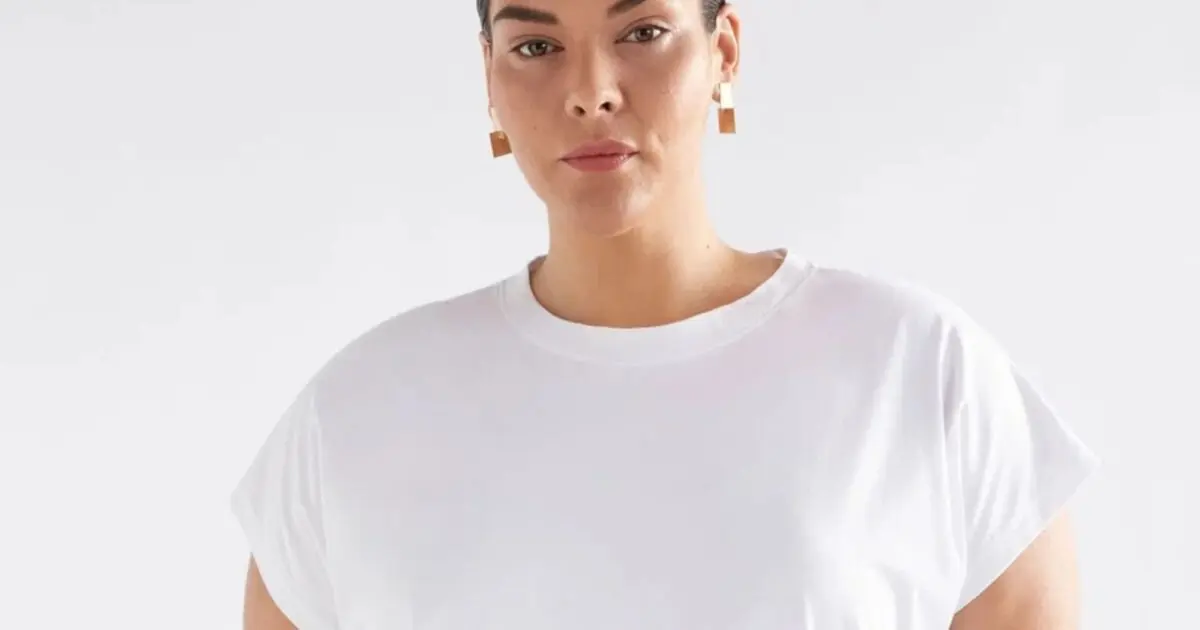
As consumers increasingly examine the environmental and social footprints of their daily apparel, industry editors have turned their attention to the ultimate wardrobe staple: the humble t-shirt. Versatile, layerable, and ubiquitous, the t-shirt serves as the foundational building block for capsule wardrobes and ethical fashion overhauls alike. Whether paired with classic denim, layered underneath a structured jumpsuit, or styled with a slip dress, a reliable tee transitions effortlessly across seasons and personal styles. However, navigating the market for genuinely sustainable options can prove daunting for conscious shoppers who are eager to align their purchasing habits with their values.
To address this challenge, editorial teams specializing in ethical fashion evaluation have combed the global market to identify standout brands that meet stringent rating criteria, achieving designations of "Good" or "Great" overall. These assessments are based on comprehensive evaluation systems that measure a company’s impact across three core pillars: people, the planet, and animals. For consumers looking to make informed choices, the resulting curated directory offers a geographical roadmap to sourcing lower-impact, ethically produced basics.
The journey toward a more sustainable closet begins with fundamental questions that are too often overlooked during a rushed morning routine. Conscious consumers are increasingly asking who actually manufactured their garments, whether those workers received a living wage, and if the items themselves are crafted from lower-impact textiles. By shifting focus away from fast fashion cycles and transient trends, shoppers can invest in garments designed for longevity.
Spanning several continents, the curated selection of brands demonstrates that ethical production and high-quality design can coexist. In the United States and Canada, several labels are leading the charge with innovative sourcing and social missions. FM 669, a United States-based brand, utilizes homegrown cotton to produce a range of t-shirts, tank tops, and long-sleeve shirts. The brand procures its GOTS-certified cotton directly from a collective of Texas farms practicing regenerative agriculture, utilizing lower-impact dyes within limited production runs to minimize environmental degradation.
Another notable North American brand, Toad&Co, approaches menswear and womenswear with a dual focus on social and environmental responsibility, crafting versatile apparel suited for outdoor adventures as well as casual everyday wear. Meanwhile, Neococo operates with a distinct social mission focused on economic empowerment. Founded specifically to create sustainable employment opportunities for women refugees, the US-based mission-driven enterprise provides a supportive community and fair work centered around the art of hand embroidery, helping individuals navigate cultural adjustments and achieve financial independence.
Across the Atlantic, European designers are emphasizing timelessness and circular design principles to combat the culture of overconsumption. Colorful Standard, a Danish apparel brand, rejects seasonal trends in favor of producing durable fashion essentials for men and women. By focusing on classic silhouettes and long-lasting quality, the brand attempts to steer consumers away from the cycle of disposable fashion.
Similarly, the Dutch brand CAES champions the philosophy that fashion does not need to be fast or seasonal. Creating minimalist garments using lower-impact materials such as recycled cotton, Tencel Lyocell, and innovative plant-based alternatives like Desserto cactus leather, CAES partially traces its supply chain and enforces a code of conduct aligned with International Labour Organization principles. In Switzerland, NIKIN connects consumer purchases directly to environmental restoration by planting a tree for every product sold, allowing buyers to visibly support reforestation efforts. Meanwhile, the United Kingdom-based brand THTC has established itself as a market leader in organic hemp streetwear, producing t-shirts, hoodies, and accessories while also supplying white-label ranges for charities and non-governmental organizations.
In the Southern Hemisphere, independent designers in Australia and New Zealand are reshaping regional fashion standards. Elk, an independent Melbourne-based label founded in 2004, creates bi-annual collections driven by a design ethos that merges simplicity, innovation, and sustainability. Etiko, another Australian designer, specializes in organic, fair trade clothing and footwear, consistently setting benchmarks for campaigning and protecting the human rights of workers traditionally exploited within global garment supply chains.
New Zealand label Kowtow utilizes certified organic, fair trade cotton alongside non-toxic dyes to craft elegant, minimalist womenswear alongside a secondary collection of ceramics. They are joined by Australian label STAPLE Co, which focuses exclusively on premium organic cotton wardrobe essentials designed for longevity.
In Asia, brands are introducing customized production models to curb inventory waste. SeamsFriendly, based in India, produces customizable clothing for women, men, and children across a wide spectrum of body types and heights. By offering extensive sizing options for busts, waists, and statures, the brand addresses common fit issues while minimizing overproduction through build-to-order manufacturing models that rely on natural fabrics and traditional artisan craftsmanship.
Editorial evaluations of these brands are continuously updated to reflect changes in stock availability, supply chain transparency, and corporate practices. Comprehensive databases maintained by rating organizations allow consumers to search thousands of fashion and beauty brands globally, empowering shoppers to wear the change they wish to see in the industry.