





Finding a present that resonates with a loved one while staying strictly within budget is a perennial holiday challenge. When sustainability is added to the equation, the task can quickly feel overwhelming. Amid the pressure to spend and consume heavily during the festive period, a growing movement of editors and conscious consumers is championing an alternative approach: finding gifts that do not cost the Earth. Whether shopping for Christmas or simply searching for thoughtful items for a special occasion throughout the year, the focus is increasingly shifting toward accountability, ethics, and lower environmental impact.
The holiday season often carries an intense cultural pressure to purchase in high volumes, which can introduce significant stress for shoppers trying to balance generosity with financial and environmental prudence. To alleviate this burden, editorial curators and sustainability advocates are suggesting a departure from traditional, tangible consumer goods in favor of alternatives that require little to no monetary expenditure. At the same time, for those who prefer traditional gifting, curated selections from top-rated ethical brands offer a clear path forward, featuring diverse price points, including dedicated selections under $100 USD. Supporting verified sustainable brands has become an essential priority for many shoppers, and structured guides aim to simplify that process year-round. For budget-conscious consumers seeking additional relief, resources such as dedicated seasonal discount round-ups offer access to the latest sales from highly rated enterprises.
Moving beyond physical merchandise, experiences have emerged as a compelling alternative for gift-givers. Psychological research indicates that experiential gifts frequently strengthen interpersonal relationships and generate higher levels of personal happiness compared to material objects. Curators particularly advocate for activities that encourage a shift toward conscious consumerism or support sustainable local initiatives. These experiential offerings provide a creative environment for friends and family to acquire new skills while deepening their bonds.
Options in this category span a broad spectrum, beginning with creative classes and workshops such as pottery, cooking demonstrations, fermentation techniques, woodworking, and jewelry making, many of which directly support local artisans. Pampering experiences—such as professional massages, visits to bathhouses, saunas, or float tanks—represent another well-received category of gifts that individuals rarely purchase for themselves. Additionally, annual memberships to cinemas, online cultural platforms, museums, and visitor destinations offer ongoing utility and entertainment with varied benefits. Gift-givers can also offer the intangible gift of time by sharing experiences in places loved by the recipient, creating handwritten vouchers for appreciated gestures, or simply dedicating energy to supporting a friend or family member’s personal passions.
For individuals drawn to the natural world, botany offers another avenue for thoughtful giving. Scientific research highlights that regular interaction with houseplants can enhance mood, foster better health, and promote feelings of calmness and clarity. Presenting a loved one with a potted herb garden or a vibrant orchid provides ongoing joy and natural beauty that evolves over time.
Another meaningful approach involves the gift of time and altruism. Making a charitable donation on behalf of a recipient or inviting them to participate in a volunteer day with a local organization connects the holiday spirit to broader community welfare. Potential avenues for this type of engagement include farmed animal sanctuaries, endangered species conservation groups, community outreach programs, and homeless shelters.
Handmade gifts carry a distinct emotional weight, offering something truly unique infused with the creator’s personal effort. Crafting an item allows the giver to put a piece of themselves into the presentation, whether through original artwork, poetry, stories, songs, knitted garments, homemade bath salts, candles, or freshly baked goods.
Concurrently, the cultural normalization of secondhand gifting has gained momentum. Finding pre-owned items a new home by presenting them as gifts not only curbs overall waste but also yields distinctive and highly affordable options. Shoppers are increasingly encouraged to explore local thrift stores or digital resale platforms to uncover hidden treasures for everyone on their holiday lists, proving that new items are not a prerequisite for meaningful presentation.
For those who prefer traditional, tangible items and know the recipient would appreciate them, dedicated directories evaluate independent "Good" and "Great" brands based on rigorous performance metrics concerning people, the planet, and animals. To streamline the search process, these products are typically organized into distinct categories, including budget-friendly items under $100, menswear, womenswear, beauty and homeware, and products designed specifically for children.
Within the sub-$100 tier, shoppers frequently look to everyday essentials and small accessories crafted with lower environmental impacts. Examples include organic cotton underwear multipacks from labels like MATE The Label, hand-rolled beeswax taper candles from RÅPAHAUS, and playful bag charms or low-waste scrunchies from brands such as O My Bag and Miakoda. Other popular choices feature slogan caps by Tentree, organic cotton heart socks by Q For Quinn, printed eye masks from Wild Clouds, statement graphic tees by CHNGE, upcycled fabric games like the Tawla set from Up-fuse, hand-knitted mittens by Indilisi, brass earrings from Jyoti Fair Works, and comprehensive organic cotton mending kits by All We Remember.
The menswear category highlights apparel and accessories designed with longevity and ethical production in mind. Selections range from patchwork shirts by Armedangels and casual headwear from Lonely Kids Club to European linen pajama sets by Goodnap and recycled-lens sunglasses by Good Citizens. Additional options include GOTS-certified denim shirts from Lanius, recycled denim chore jackets by Neem London, versatile travel pouches from GROUNDTRUTH, organic cotton socks by Harvest and Mill, wood-fiber running shorts from Boldwill, graphic tees by Dedicated, winter coats by BEDI, and innovative hemp-based sneakers from 8000Kicks.
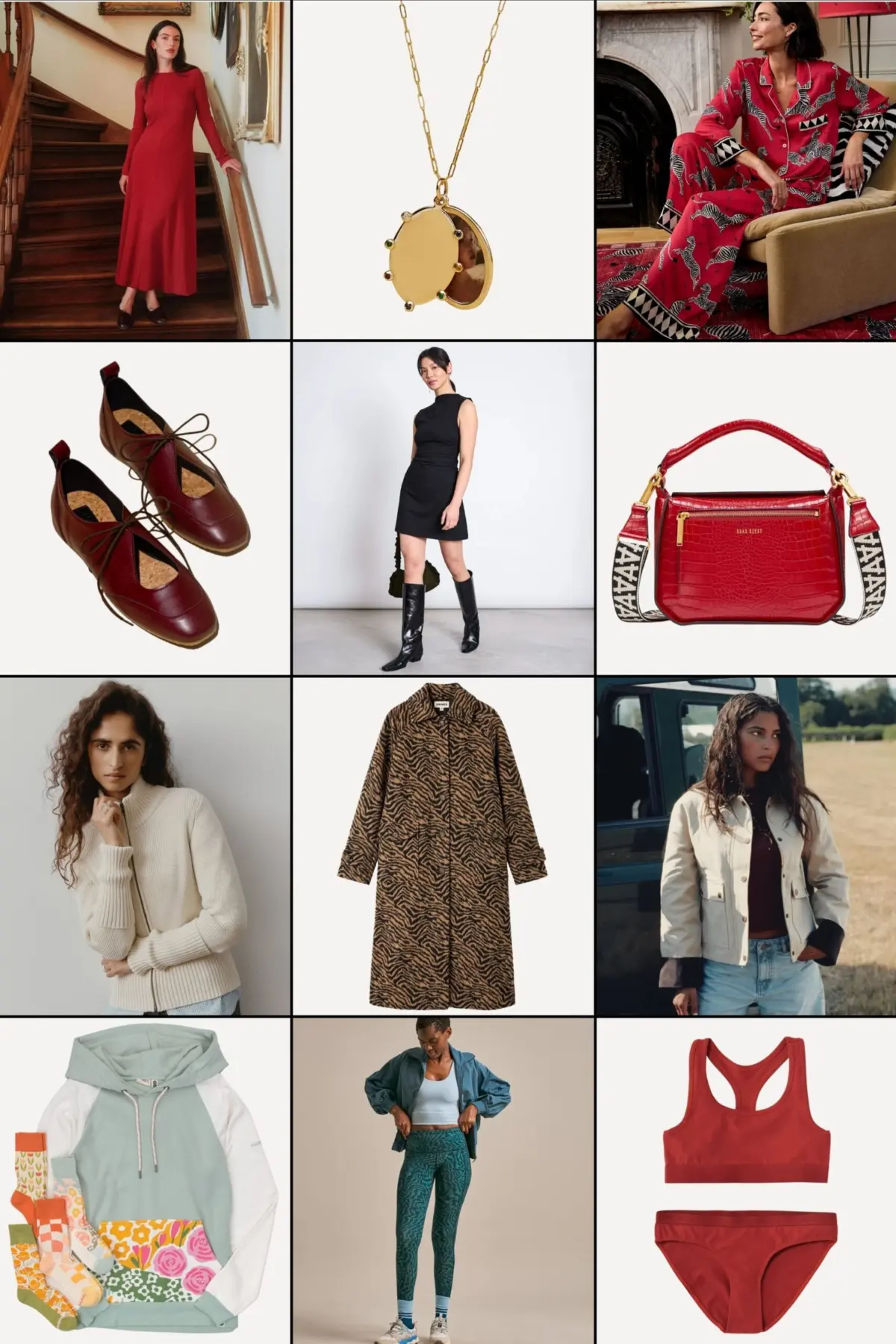
Womenswear selections encompass a broad array of ethically manufactured garments and accessories. Notable items include artisan dresses from Christy Dawn, 10-karat gold locket pendants by ARTICLE22, eco-satin pajama sets by Printfresh, plant-based vegan leather flats from Agazi, organic cotton dresses by JAN N JUNE, vegan leather handbags from Sans Beast, knit zip-through sweaters by Kotn, patterned coats by OMNES, boxy barn jackets by Yes Friends, fleece hoodie bundles from Happy Earth, side-pocket activewear leggings by BAM, and organic cotton underwear sets from Rapanui.
In the realm of beauty and homeware, offerings focus on durable, low-impact living essentials. Highlights include bamboo sateen sheet sets by Ettitude, denim-bordered stationery sets from E.L.V. Denim, solid shampoo bars by Disruptor London, upcycled plant pot covers from I Was a Sari, knitwear pilling combs by Artknit Studios, organic cotton towel sets from Terra Thread, linen tablecloths by Beaumont Organic, natural body brushes by Sans Savon, and upcycled candlestick holders crafted by Elvis and Kresse.
Gifting for children similarly emphasizes durability, comfort, and sustainable material sourcing. Featured items include sun-protective sleeves from Éclipse, minimalist pencil cases by Théla, adjustable kids’ belts from Unbelts, children’s insulated water bottles by Nikin, organic fleece mini hoodies from MATE The Label, wildlife-protective socks by Conscious Step, organic cotton children’s t-shirts from No Nasties, knotted organic cotton beanies by Mini Mioche, and printed jersey dresses by Oobi.
When specific preferences remain uncertain, gift cards provide a flexible alternative that still aligns with ethical consumer values. Numerous sustainable enterprises offer digital and physical vouchers, allowing recipients to select items suited to their exact tastes. Notable examples include SeamsFriendly for custom-tailored clothing catering to tall and petite frames, Eco Intimates for ethical undergarments, ReCreate for minimalist womenswear with boxy silhouettes, Wild Clouds for vibrant gender-neutral printed apparel, and WAWWA for British-made outdoor clothing. Additional voucher options include Pop My Way for modular baby essentials, Anekdot for responsibly produced swimwear and underwear, Outland Denim for stylish Australian-engineered jeans, Sorella Organics for GOTS-certified sleepwear, and Facettes Studio for professional French tailoring geared toward minimalists.
Broader retail platforms dedicated entirely to sustainability also serve as valuable resources for gift-buyers navigating diverse budgets and styles. Concept stores such as Rêve en Vert emphasize mindful consumption through curated gift boxes and eco-friendly stationery. Lovebrook & Green functions as a reimagined department store housing products evaluated against strict ethical standards, while Shop Like You Give a Damn offers a comprehensive marketplace dedicated exclusively to vegan gifts spanning fashion, home goods, and beauty products.
Editorial teams continue to update these resources regularly to reflect the evolving landscape of sustainable manufacturing and brand transparency, ensuring that consumers have access to verified, impact-assessed options throughout the holiday season and beyond.