





Nearly two-thirds of shoppers across the United States plan to scale back or skip altogether key holiday purchases this year, choosing to forgo even traditional staples such as costumes and candy as financial pressures weigh heavily on household budgets. According to a newly released LendingTree survey, the combination of stubborn inflation, economic uncertainty, and rising costs for everyday goods is forcing a significant portion of the population to reevaluate their seasonal spending habits.
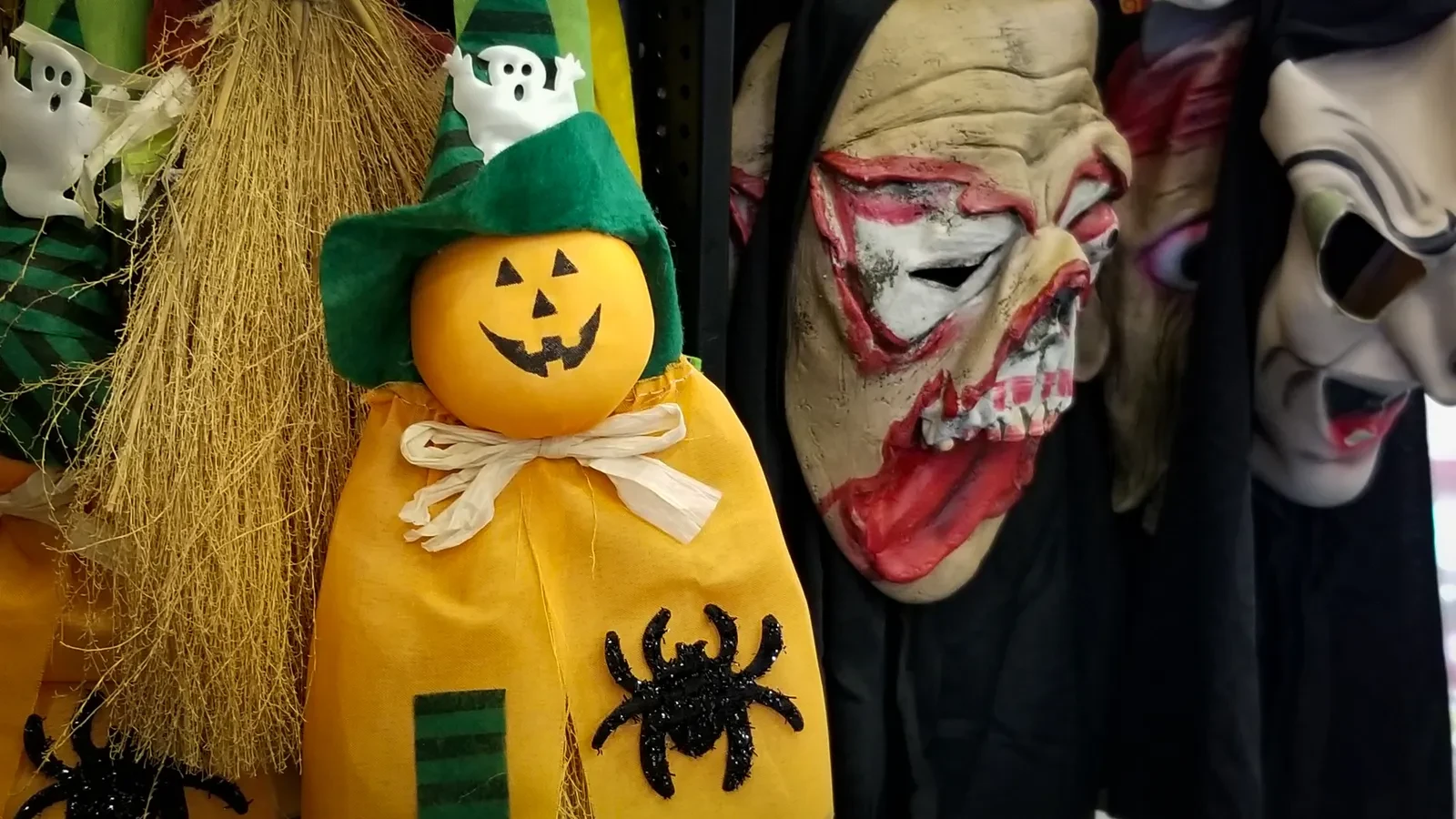
While the autumn holiday has traditionally been viewed as a resilient, recession-proof celebration centered on community fun, family events, and neighborhood trick-or-treating, current retail metrics suggest that consumers are pulling back. About a third of holiday shoppers are actively cutting back on seasonal decorations this year, opting to reuse old items or bypass festive displays entirely in an effort to conserve cash. This trend aligns with broader consumer sentiment surveys showing that financial insecurity is dictating shopping lists long before the arrival of the major winter holiday season.
Financial Strain Hitting Younger Generations Hardest
Although many consumers report that they can comfortably afford their seasonal purchases, a closer look at the data reveals a stark generational divide when it comes to financial strain and the willingness to go into debt for festivities. Younger demographics are bearing the brunt of these economic challenges, demonstrating a significantly higher propensity to finance their celebrations using credit cards and short-term loans.

Roughly four in ten—specifically 43 percent—of Generation Z respondents indicated that they are likely to take on debt to cover their Halloween expenses this year. Millennials are not far behind, with 35 percent reporting that they expect to rely on borrowed funds to finance costumes, candy, and party supplies. By stark contrast, older generations are exercising much greater caution or possess more disposable wealth to absorb price increases. Only 14 percent of Generation X respondents and a mere 2 percent of baby boomers stated that they would take on debt for the holiday, according to the LendingTree survey findings.
This reliance on credit among younger shoppers often leads to post-holiday remorse. Among the respondents who admitted to taking on debt to fund their Halloween activities, 51 percent stated that they ultimately regretted overspending. When asked why they exceeded their established budgets, these shoppers frequently cited social pressures to keep up appearances—particularly amplified by social media trends—alongside significantly higher-than-anticipated retail prices across the board.
Inflation Takes a Bite Out of Holiday Staples
The burden of higher prices is not a localized phenomenon; it reflects persistent inflationary trends affecting consumer goods throughout the year. Leading up to this Halloween season, prices have escalated across numerous categories, including children’s toys and seasonal novelties. According to data from the U.S. Bureau of Labor Statistics’ Consumer Price Index, toy prices alone jumped 4.2 percent between August and September. When compared to the same period a year ago, unadjusted figures from the index reveal that toy prices surged by a notable 6.6 percent.
These compounding price increases have forced shoppers to adapt their purchasing strategies to make their dollars stretch further. Many consumers have taken advantage of early retail discounts and initiated their holiday shopping much earlier in the season than in previous years. Data from an Ibotta survey underscores this cautious mindset, revealing that nearly half—45 percent—of respondents feel their personal finances are currently insecure. Furthermore, more than 70 percent of those surveyed emphasized that their primary financial focus right now is actively saving money rather than spending on non-essential items.

Shifting Retail Destinations and Economic Pessimism
Consumer anxiety extends beyond immediate purchasing decisions into broader macroeconomic outlooks. A recent Deloitte survey of 1,500 U.S. shoppers found that while seven in ten respondents feel they can easily afford their specific Halloween purchases, roughly 42 percent anticipate that the broader national economy will deteriorate in the year ahead. This underlying pessimism is directly influencing where and how people shop for the holiday.
In an effort to find better value and lower prices, shoppers are increasingly gravitating toward value-oriented retailers. The Deloitte survey noted that more than half of shoppers are purchasing their Halloween items at traditional grocery stores, while 40 percent are turning to discount stores to secure holiday goods. This shift toward budget-friendly channels is corroborated by separate findings from the National Retail Federation, which reported that nearly four in ten consumers—39 percent—identified discount stores as their primary destination for purchasing Halloween products this season. As retailers prepare for the remainder of the autumn and winter shopping periods, these consumer behaviors signal a prolonged preference for value, careful budgeting, and a heightened sensitivity to price fluctuations.