






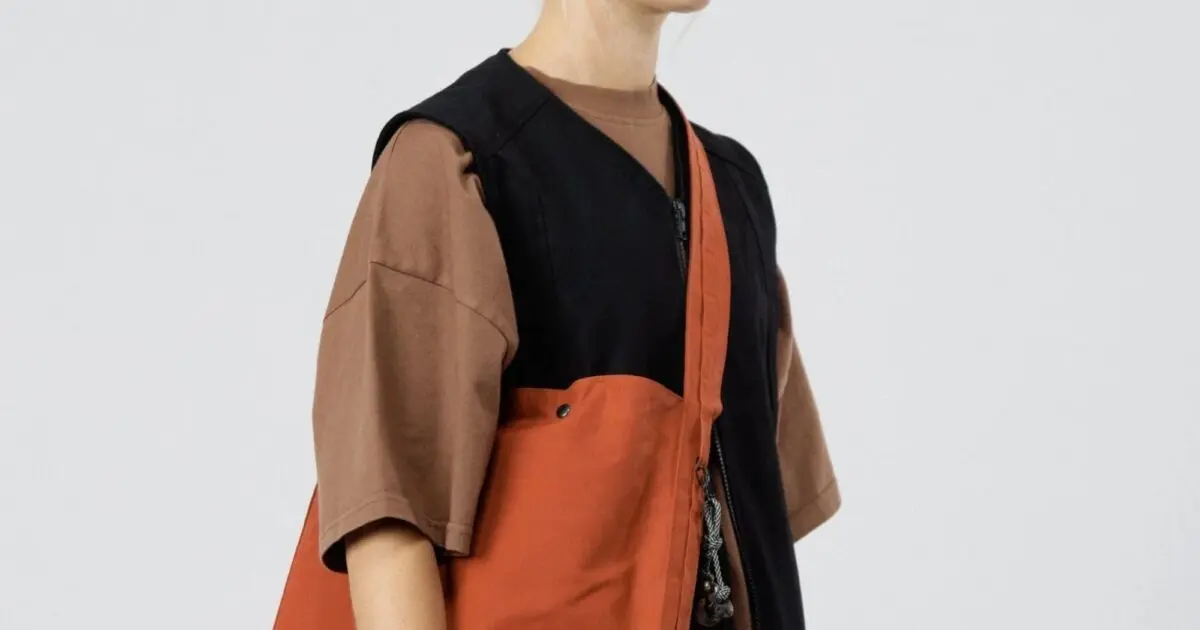
In response to a growing consumer demand for versatile, everyday accessories that do not compromise on ethics, editors have rounded up a comprehensive selection of more sustainable tote bags from top-rated brands. The curated choices span several categories to accommodate diverse consumer needs and preferences, featuring vegan options from labels like Sans Beast, Mashu, and Svala; budget-friendly alternatives from Up-Fuse, Terra Thread, and Ucon Acrobatics; and innovative upcycled picks from established pioneers such as Elvis & Kresse, E.L.V. Denim, and Lefrik.
Tote bags occupy a ubiquitous space in daily life, serving as reliable companions for carrying groceries, packing essentials for a day at the beach, transporting yoga mats, and managing countless other daily tasks. Yet, despite their widespread availability—found everywhere from local coffee shops to major supermarkets—not all tote bags are created equal. The sheer volume of available options often masks the reality that many are produced by businesses operating without adequate consideration for their broader social and environmental impact.
Understanding what constitutes a more ethical and sustainable tote bag requires looking closely at the materials, manufacturing processes, and labor standards involved in production. The foundation of a lower-impact tote bag begins with the materials utilized. Traditional cotton-canvas totes, while popular, frequently rely on conventionally grown cotton that demands intensive water use and synthetic pesticides. Organic cotton offers a significantly better alternative by avoiding harmful chemicals and protecting soil health. Similarly, polyester options, which are highly valued for their durability and capacity to carry heavy loads, are conventionally derived from fossil fuels. These virgin synthetics contribute directly to greenhouse gas emissions and drive the global demand for oil, making recycled polyester the preferred choice for eco-conscious consumers seeking heavy-duty functionality.
Animal-derived materials also demand careful scrutiny. High-end tote bags are frequently crafted from leather, an industry associated with significant carbon emissions, deforestation for cattle grazing, and toxic tanning processes. To address these concerns, ethical shoppers and sustainable brands turn either to certified leather options that guarantee responsible sourcing and processing or to innovative vegan alternatives that mimic the aesthetic and tactile qualities of leather without the environmental toll. Furthermore, longevity is a critical indicator of sustainability. A truly sustainable bag must be built to last, featuring quality manufacturing with robust stitching, securely attached handles, reinforced seams, and durable fastenings that withstand the rigors of frequent use and heavy loads. Without durability, even a bag made from organic materials risks ending up prematurely in a landfill.
Reflecting these stringent criteria, a diverse group of brands has emerged as leaders in the sustainable accessories market, offering distinct approaches to eco-conscious manufacturing. Among them is Up-Fuse, a Cairo-based social enterprise dedicated to promoting an eco-conscious lifestyle through creative material reuse. Operating under the philosophy that one person’s trash is another’s fabric, the brand collaborates closely with Syrian, Ethiopian, and Sudanese female refugees residing in Egypt, integrating social empowerment directly into the creation of its unique, upcycled products.
Another notable name in the sustainable accessories space is Ucon Acrobatics, a brand that firmly believes in the necessity of innovative, functional, and minimalistic products tailored for creative consumers. Ucon Acrobatics incorporates a high proportion of eco-friendly materials into its designs, including certified organic cotton. Beyond material selection, the company actively reduces its operational climate impact by utilizing renewable energy across its direct operations. Furthermore, the brand demonstrates a commitment to social responsibility by ensuring the payment of a living wage to workers at the final stage of production, addressing both environmental and labor dimensions of sustainability.
In the luxury vegan sector, Svala has carved out a distinct niche by crafting high-end vegan handbags, purses, and totes. Each piece is handcrafted responsibly in Los Angeles, utilizing premium vegan leather, natural cork, and Piñatex, an innovative textile made from pineapple leaf fibers. This commitment to cruelty-free materials and local, ethical manufacturing ensures that luxury consumers do not have to compromise on elegance or ethics.
Lefrik approaches sustainability through the lens of waste reduction, giving plastic a second life by transforming discarded PET bottles into durable backpacks and accessories. The brand successfully blends functionality, contemporary design, and smarter production practices to divert waste from landfills while creating resilient products suited for urban commuters and travelers alike.
Similarly, Mashu operates as a British sustainable vegan accessories label specializing in handbags and earning strong praise for its environmental practices. The brand crafts the exterior of its bags using cutting-edge vegan leather alternatives, while the interiors feature luxurious vegan suede made from recycled polyester. This meticulous attention to detail ensures that consumers never have to sacrifice their moral principles for the sake of style.
As consumer awareness deepens and the market for conscious fashion evolves, the availability of transparently rated brands provides a clearer path toward responsible purchasing. Through ongoing updates to editorial selections and comprehensive brand directories, consumers gain access to the tools necessary to evaluate the true impact of their fashion choices on people, the planet, and animals alike.