





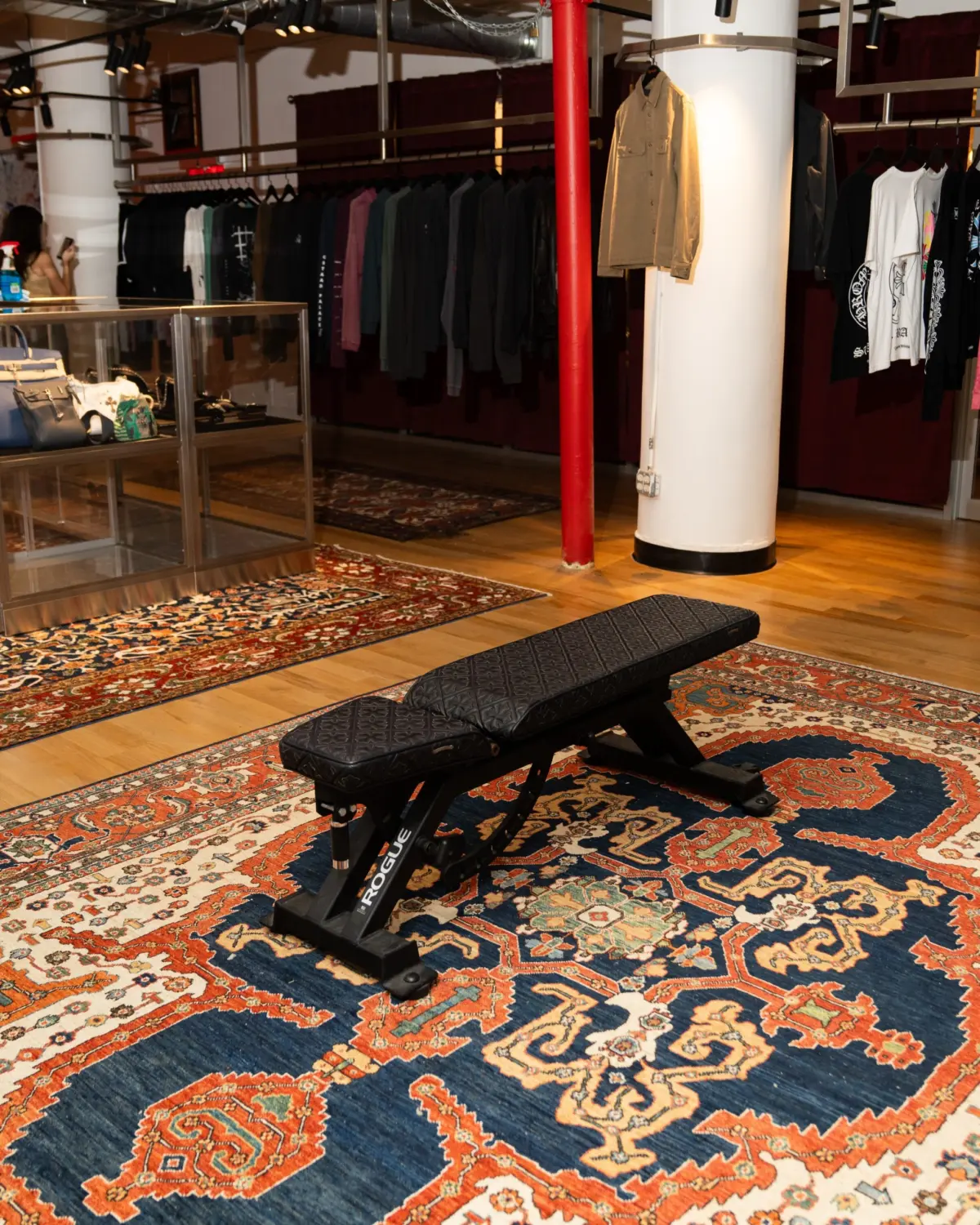
A sprawling 7,000-square-foot apartment has opened its doors in Manhattan’s Flatiron district, complete with a fully stocked bar, an intimate lounge, rich Persian rugs, and a custom vitrine housing a collection of one-of-one belts. There is just one catch: nobody will ever live there.
This expansive space belongs to Byraph, the private dealership founded by Raphael Badalov when he was just 18 years old. The showroom was constructed around a singular, deliberate philosophy: that a serious collector making high-stakes acquisitions deserves more than a transactional online cart or a rushed social media DM. Instead, they deserve a dedicated room, a drink, and the undivided attention of an expert who can sit down and meticulously explain the history, provenance, and nuances of what they are looking at.
Badalov initially launched the enterprise in 2022 by trading in education and expertise long before he focused on moving massive inventory. His early value proposition was teaching clients how production years differ, what specific serial numbers signify, and how to spot sophisticated counterfeits in a notoriously murky market. By prioritizing education first, the audience naturally preceded the inventory. Four years later, Byraph operates as an elite private dealership catering to top-tier collectors, high-profile celebrities, and international trading houses. Under Badalov’s business model, every single piece is bought outright and rigorously authenticated before it is ever offered to a buyer.
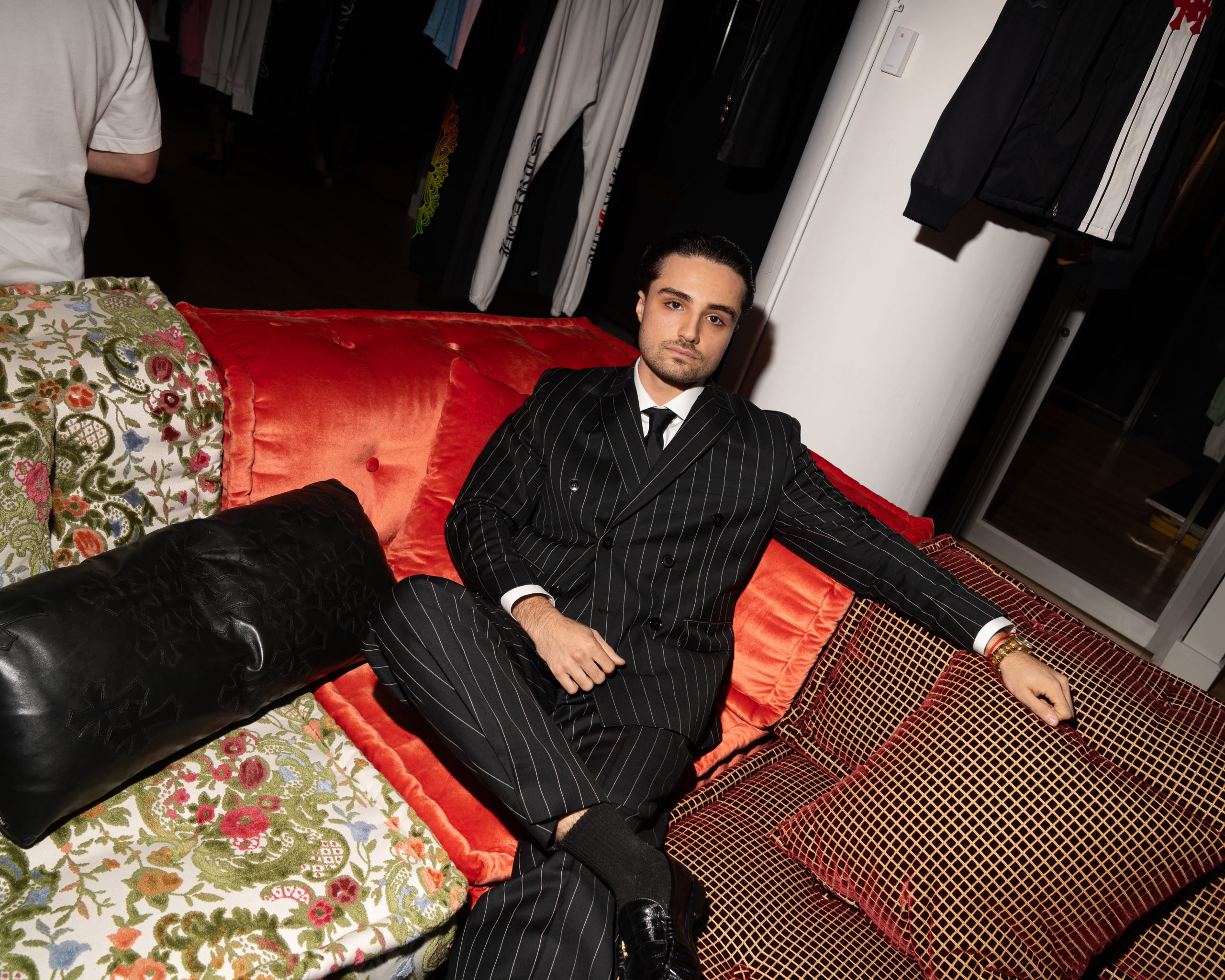
The scale and valuation of the items moving through the operation have shifted at a staggering pace. Earlier this year, Byraph orchestrated the high-profile sale of 13 pieces originating from the personal Chrome Hearts collection of the late fashion titan Karl Lagerfeld, netting a total of more than $1 million. Other recent marquee transactions include a one-of-one Chrome Hearts collaboration with Patek Philippe featuring a pocket watch that commanded $350,000, as well as a custom Chrome Hearts bench sold in Hong Kong for $600,000. For Badalov—who is now 22 years old—these monumental figures are simply the natural byproduct of a dealer who can provide buyers with absolute certainty regarding the authenticity and history of rare luxury goods.
Reflecting on the temptation of shortcuts in the luxury resale ecosystem, Badalov notes that maintaining rigorous standards is core to his professional identity. Being recognized as an authority provides genuine satisfaction precisely because the alternative path is so easily accessible. In the secondary market, it is remarkably simple to run a quick scheme, push counterfeits, artificially inflate prices, or take advantage of the fact that an elusive brand like Chrome Hearts operates as an anomaly where most casual observers cannot distinguish a genuine article from a clever fake. Avoiding these shortcuts and rejecting easy margins is treated by Badalov and his team as the actual work itself.
The Lagerfeld acquisition stands as the most transparent demonstration of this methodology in action. Badalov describes the lot as a true unicorn—the kind of acquisition that surfaces only once in a blue moon, carrying a rich historical narrative that serves as an open invitation for deeper inspection. While intuition might spark the initial interest to investigate a potential lot, closing the deal requires exhaustive, meticulous research. In the case of the Lagerfeld estate, the research presented a unique verification challenge: because Lagerfeld’s estate went through several distinct public and private sales, similar material was widely circulating, making it difficult to definitively separate standard collector gold from items personally owned and worn by Lagerfeld himself.
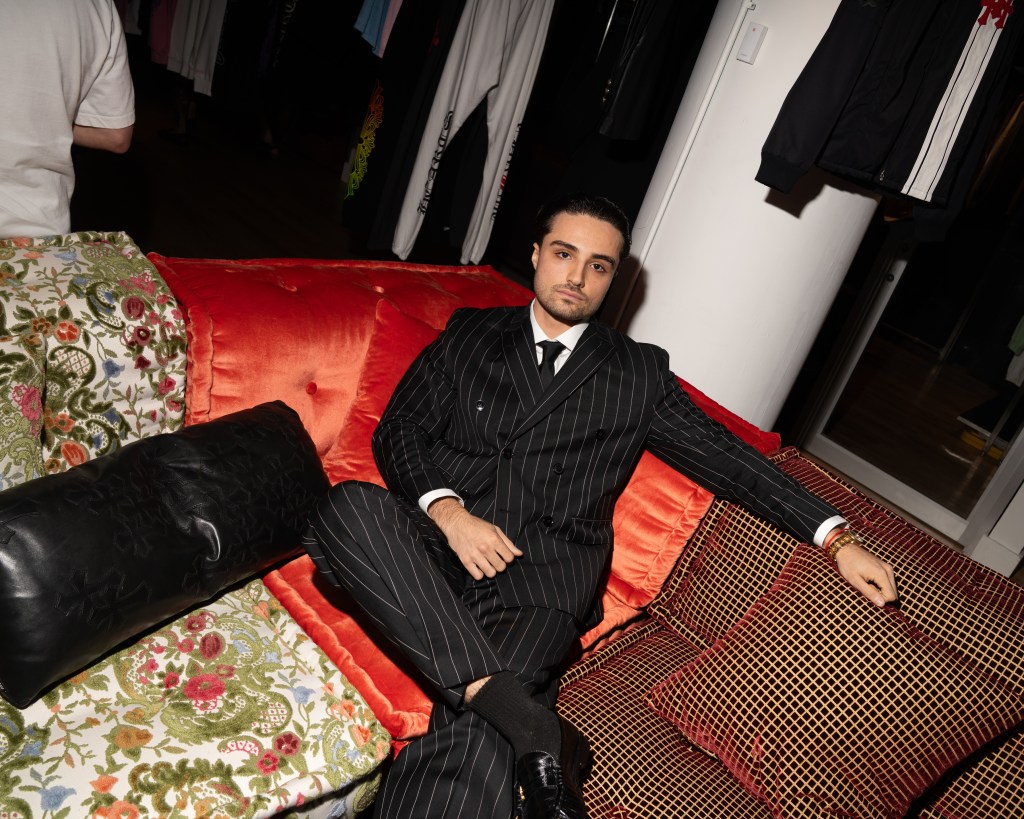
Overcoming this hurdle required deep detective work. The necklace included in the lot was ultimately verified by matching it directly to photographs of Lagerfeld wearing the exact piece. Similarly, an American flag belt buckle—numbered three out of eleven and heavily encrusted with precious stones—was authenticated through extensive archival cross-referencing. Once the research was completed, multiple other items in the collection were similarly verified as having historical ties to the designer.
Badalov maintains an equally strict policy regarding the red lines that would cause him to walk away from a deal: lots priced suspiciously below market value, gold with incorrect weight measurements, or sellers unwilling to grant his authentication team the necessary time for in-person inspections. The culmination of the Lagerfeld deal required precise international coordination. On the day the transaction closed, the buyer representing a Japanese trading house, the seller, and Joseph Shvarts, Byraph’s president of sales, gathered physically inside the New York showroom, while Badalov managed the final details remotely from Hong Kong at four o’clock in the morning.
That international connection underscores a vital reality of Byraph’s business: the firm’s largest and most lucrative deals frequently transpire in Asian markets. Badalov has been openly candid about the market dynamics that drive this geographic split. Japan, for instance, consistently commands higher prices for authentic Chrome Hearts pieces because the local collector market is exceptionally mature, structured, and sophisticated. In those markets, buyers do not have to contend with random social media resellers dumping unverified, fake one-of-one items for artificially low prices. Instead, robust systems, rigorous protocols, and tight-knit communities of buyers and sellers share a profound, generational reverence for the culture and the craft.
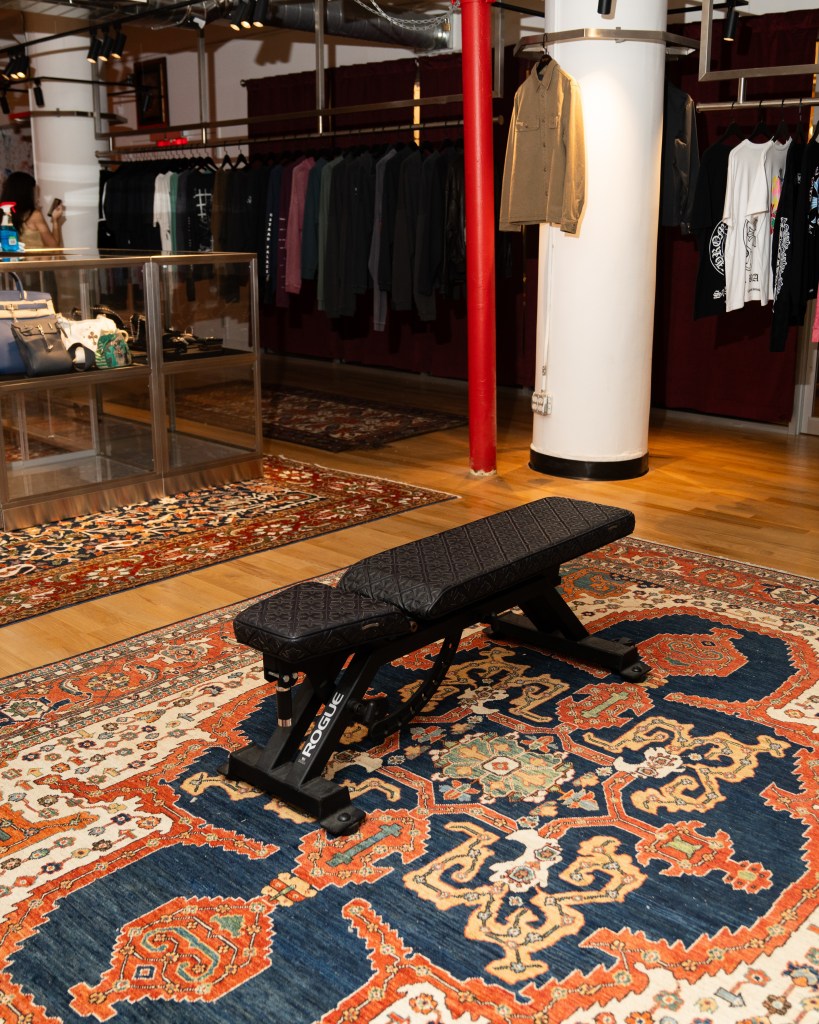
For a baseline comparison, Badalov points to Rinkan, a prominent Japanese retail and secondary dealer specializing primarily in Chrome Hearts, which reportedly grossed more than $150 million in sales the previous year. If a single niche brand can independently support an operation of that magnitude, it proves that the category is not a passing trend but a durable, long-lasting asset class. In Badalov’s view, the greatest threat to the longevity of this market in Western nations is the systemic lack of education among domestic buyers.
The sprawling new space in Flatiron functions as Badalov’s direct answer to this educational gap. He officially signed the commercial lease on his 22nd birthday, acknowledging that the grandiose scale of the project was perhaps larger than strictly necessary for a standard office, but entirely fitting for his vision. Having grown up immersed in New York City and its vibrant streetwear subculture, he wanted to create something enduring on home turf. The showroom was purposefully designed to embody everything he felt the city’s luxury landscape was lacking, effectively building a physical sanctuary for the unattainable—a place where serious enthusiasts can step inside, unwind, spend meaningful time, and ask informed questions. Ultimately, what Byraph is selling is undivided, specialized attention, and providing that level of service requires a physical room.
The architectural and interior layout of the showroom mirrors the concept of an upscale, highly curated private residence. A dedicated display wall, an expansive lounge area, a fully functional bar, and a rotating glass vitrine are all arranged atop authentic Persian rugs that Badalov sourced himself. This design choice is deeply personal, rooted in his upbringing within a Persian-Jewish household and a lifelong appreciation for traditional craftsmanship. Persian rugs provide an inherent sense of warmth, domestic comfort, and playful elegance. That welcoming atmosphere is critical to the business model, as the entire premise relies on clients feeling comfortable enough to linger, relax, and engage in deep dialogue with the staff.
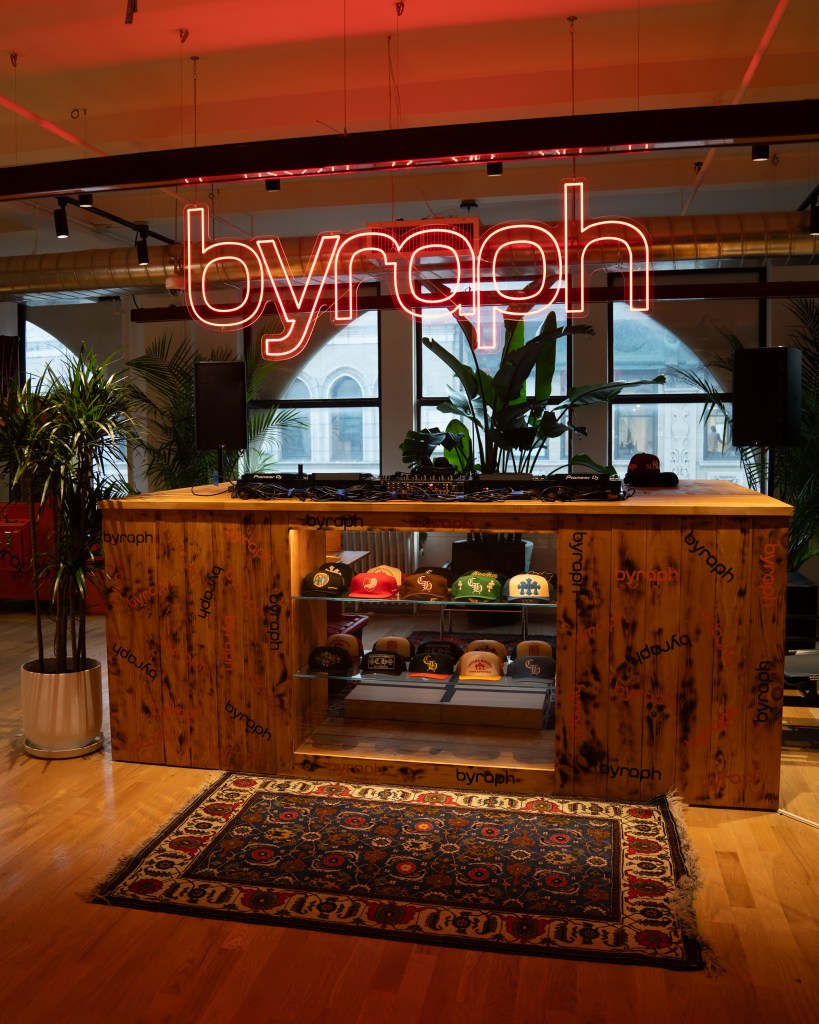
The layout integrates the bar, rugs, and main lounge into one seamless, cohesive environment, while a striking contemporary artwork by Matt DiGiacomo hangs prominently inside an exclusive VIP room that remains strictly closed to the general public. At the time of its grand opening, the central vitrine showcased approximately 30 distinct belts—including several rare one-of-one iterations—alongside more than 20 intricate wallet chains, all carefully selected for how their complex metalwork catches the light behind glass. Notably, roughly 60 percent of the physical inventory housed within the showroom is kept exclusive and never appears on the brand’s public website.
The typical client envisioned for this space is young, newly affluent, and deeply enthusiastic—individuals who may use high-end fashion as a personal creative outlet or follow trends popularized by major recording artists. Navigating these relationships requires a delicate touch. The primary objective is to guide clients toward purchases that resonate deeply on a personal level, because building a lasting relationship depends on authentic satisfaction rather than momentary impulse buying. Curating a collection that maintains its long-term value is achieved one honest, transparent transaction at a time, and the physical showroom exists explicitly to slow down the purchasing process and foster genuine discernment.
Looking toward the future of the category, Badalov perceives virtually no ceiling on valuation. Chrome Hearts has previously released items such as denim jeans featuring solid gold hardware with retail prices hitting $100,000, and Badalov once successfully handled the transaction of a solid gold toilet plunger priced at $30,000. While some ultra-rare pieces have established market comparables, others are valued purely on scarcity, historical resale momentum, and unyielding consumer desire.
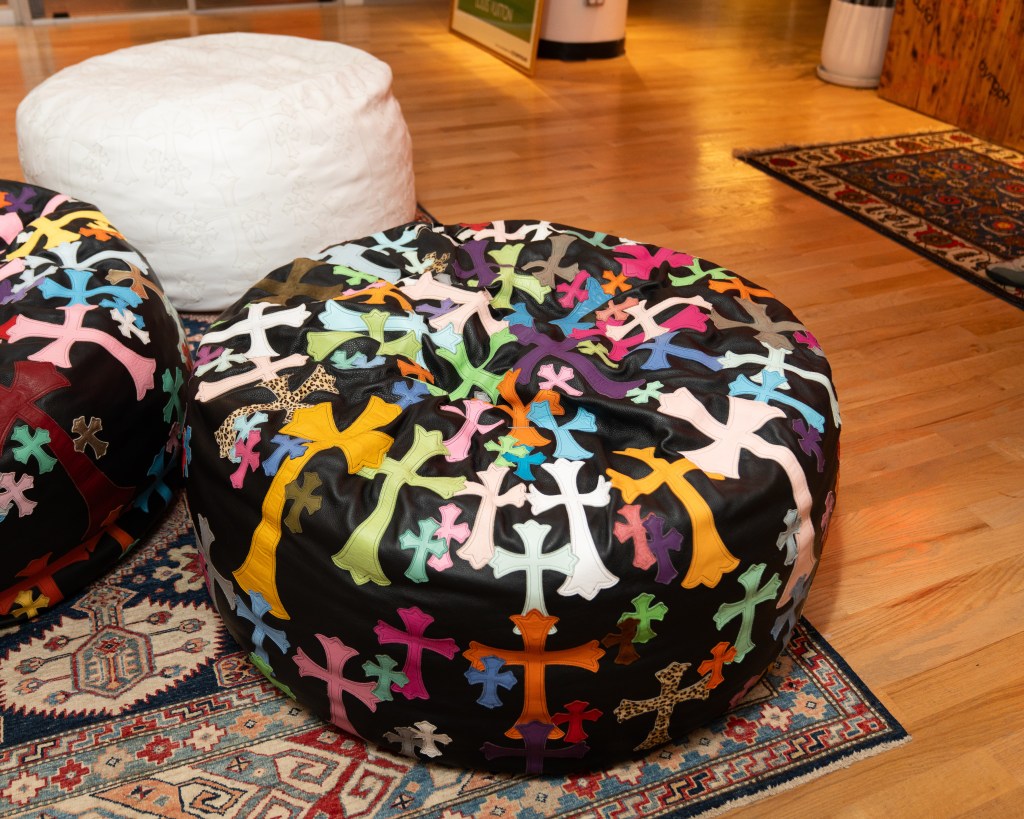
To guard against professional complacency, Badalov ensures that his personal wishlist evolves continuously alongside his shifting tastes. He is currently working to complete a rare set of city-exclusive jeans, with editions dedicated to Hong Kong, Tokyo, Paris, and St. Barths still missing from his personal archive. Beyond the immediate ecosystem of Chrome Hearts, his larger long-term ambitions extend outward into the broader world of high-end vintage fashion, with plans to apply the same uncompromising operational rigor and authentication standards to other rare collecting categories.
In a luxury landscape built around complex, high-value goods that the average consumer cannot easily evaluate or authenticate, Raphael Badalov is betting that unyielding trust remains the scarcest commodity in the room—and now, that trust has a permanent address in Manhattan.