




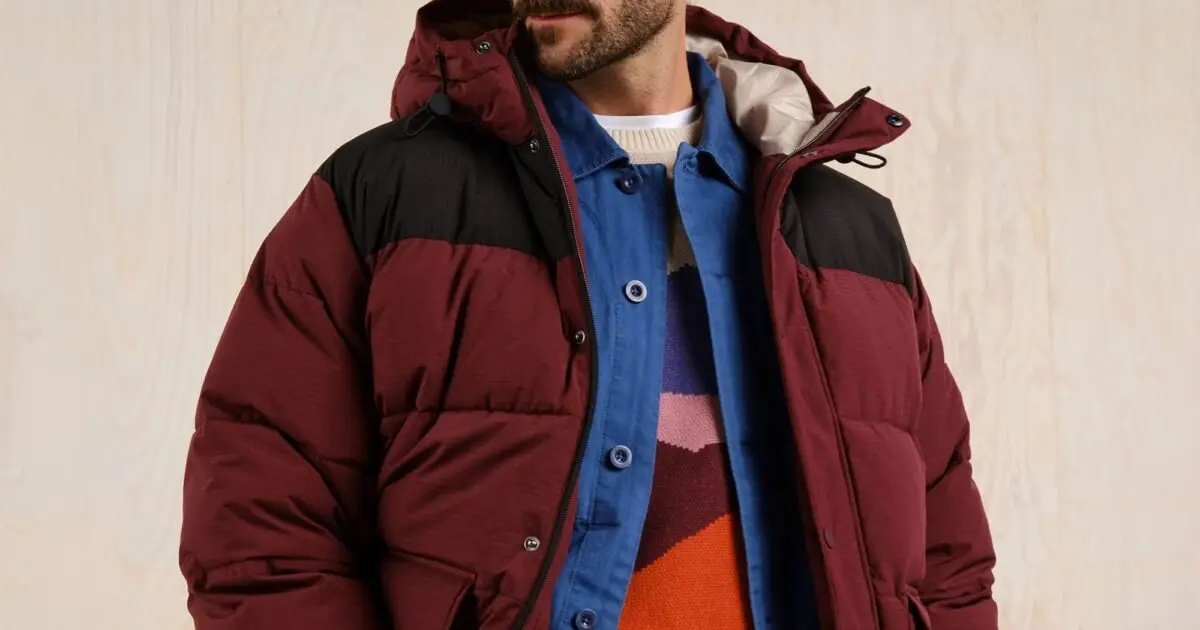
As the colder months approach, the classic puffer jacket invariably returns as a seasonal staple for millions. Whether worn for active outdoor pursuits in the wilderness or purely for urban aesthetic purposes, the quilted, insulated coat is a mainstay of winter wardrobes worldwide. However, the environmental and ethical footprint of conventional outerwear has long been a point of contention within the fashion industry. Traditional puffer jackets produced by fast-fashion brands are frequently manufactured using fossil fuel-based polyvinyl chloride (PVC) and filled either with virgin polyester or cruelly acquired duck down feathers. In response to these pressing ecological and animal welfare concerns, a growing movement of conscious consumers and ethical brands is redefining what a sustainable puffer jacket looks like, prioritizing lower-impact materials, circular design, and ethical supply chains.
The shift toward responsible manufacturing in the outerwear sector involves a careful rethinking of both exterior shells and internal insulation. A truly sustainable puffer jacket typically relies on a thoughtful composition of recycled and recyclable materials. Rather than depending on newly minted synthetic fibers, innovative brands are increasingly turning to recycled polyethylene terephthalate (PET) plastic derived from post-consumer waste. For insulation, eco-conscious designers are moving away from traditional duck and goose down—which can raise significant ethical issues regarding animal treatment—and embracing lower-impact alternatives such as organic cotton, advanced plant-based fillings, and specialized synthetic blends designed for high performance without the associated cruelty.
The Particulars of Responsible Puffers
Examining the mechanics of responsible winter wear reveals that sustainability in fashion is rarely absolute; rather, it is a series of calculated compromises. Recycled PET plastic, for instance, is far from a silver bullet for the textile industry’s pollution crisis. Nevertheless, utilizing recycled synthetics serves a vital purpose by diverting plastic waste away from overflowing landfills and keeping non-biodegradable materials in active circulation for extended periods. While recycled synthetics represent a notable improvement over virgin polyester, environmental advocates advise consumers to remain selective when investing in these garments. Because synthetic fabrics inevitably shed microplastics during laundering, the release of microscopic particles into waterways remains a persistent environmental hazard.
However, the nature of outerwear offers a unique mitigating factor. Unlike everyday garments such as T-shirts, dresses, or activewear that require frequent washing after a single use, winter coats and heavy puffer jackets are laundered far less often. This reduced frequency of washing makes choosing recycled synthetics a significantly more agreeable and lower-impact choice compared to other categories of clothing.
Ultimately, the decision to invest in recycled synthetics or to avoid them entirely comes down to individual consumer values. Ethical fashion platforms and industry watchdogs generally maintain that consumers are the final decision-makers when selecting materials for their personal wardrobes. The key is to determine what matters most based on personal ethics, allowing transparent information to guide purchasing decisions. For those who do choose to purchase a recycled polyester or PET garment, additional best practices can dramatically reduce their ongoing environmental footprint. Consumers are encouraged to check whether the manufacturing brand offers comprehensive repair and recycling programs for after-use disposal. Furthermore, washing garments less frequently, utilizing specialized laundry bags, or employing microplastic-catching filters like the Guppyfriend bag can effectively capture and mitigate the inevitable release of microplastics during the occasional wash cycle.
Puffer Jackets and Coats from More Ethical Brands
As consumer demand for transparency and environmental stewardship intensifies, several ethical brands have emerged as leaders in the sustainable outerwear space, offering innovative alternatives that balance performance, style, and responsibility.
Swiss brand NIKIN has carved out a distinct niche for consumers who prefer to wear their morals directly on their sleeves. Known for its strong commitment to reforestation, NIKIN ensures that a tree is planted for every single product purchased, allowing buyers to proudly display their dedication to environmental restoration. Beyond its impactful tree-planting initiatives, the brand focuses on accessible sizing and responsible production, making ethical fashion approachable for a broad demographic of shoppers seeking everyday wear that aligns with their personal values.
For shoppers struggling to find outerwear that accommodates diverse body types and heights, SeamsFriendly offers a compelling solution by specializing in customizable clothing for women, men, and children. The brand addresses one of the fashion industry’s most significant sources of waste—ill-fitting garments that are quickly discarded—by offering an extensive range of customizable sizing options. Womenswear measurements cover a vast spectrum of bust and waist ranges, complete with petite, regular, and tall height specifications. Menswear and children’s collections similarly benefit from flexible sizing structures, ensuring that customers receive garments tailored precisely to their bodies, thereby reducing the likelihood of returns and post-consumer waste.
Operating out of Canada, tentree approaches apparel with a rigorous Earth-first philosophy. The brand has made global ecosystem regeneration a cornerstone of its business model, famously planting ten trees for every item purchased. To date, tentree’s expansive planting initiatives have successfully contributed to the establishment of over 65 million trees worldwide, providing essential planting jobs in vulnerable communities globally. In addition to its environmental restoration work, tentree ensures that all its clothing products are manufactured in fair, safe working conditions, utilizing lower-impact and recycled materials designed to minimize ecological harm from conception to completion.
Also rooted in Canada, BEDI takes a minimalist approach to winter fashion, crafting high-quality winter coats and accessories that emphasize circularity and resource recovery. By creatively repurposing industrial byproducts and unconventional materials, such as salvaged automotive seatbelts and recycled nylon, BEDI demonstrates how durable winter gear can be produced with a fraction of the environmental toll associated with conventional manufacturing. The brand’s minimalist aesthetic ensures timeless appeal, encouraging consumers to keep their winter coats for years rather than chasing fleeting seasonal trends.
Wuxly Movement represents another prominent Canadian outerwear brand successfully bridging the gap between elite winter performance and strict ethical standards. Combining advanced technical materials with recycled components, Wuxly draws on Canada’s rich heritage in quality cold-weather manufacturing while intentionally leaving animals entirely out of the equation. By pioneering high-performance, animal-free outerwear, the brand proves that consumers no longer need to compromise on warmth, durability, or ethical principles when facing harsh winter conditions.
Editor’s note: Feature image via Dedicated, with all other imagery provided courtesy of the respective brands mentioned. Independent editorial platforms continue to publish comprehensive assessments evaluating fashion brands based on their demonstrable impact on people, the planet, and animals, empowering consumers to navigate the complex landscape of sustainable commerce through accessible public directories.