





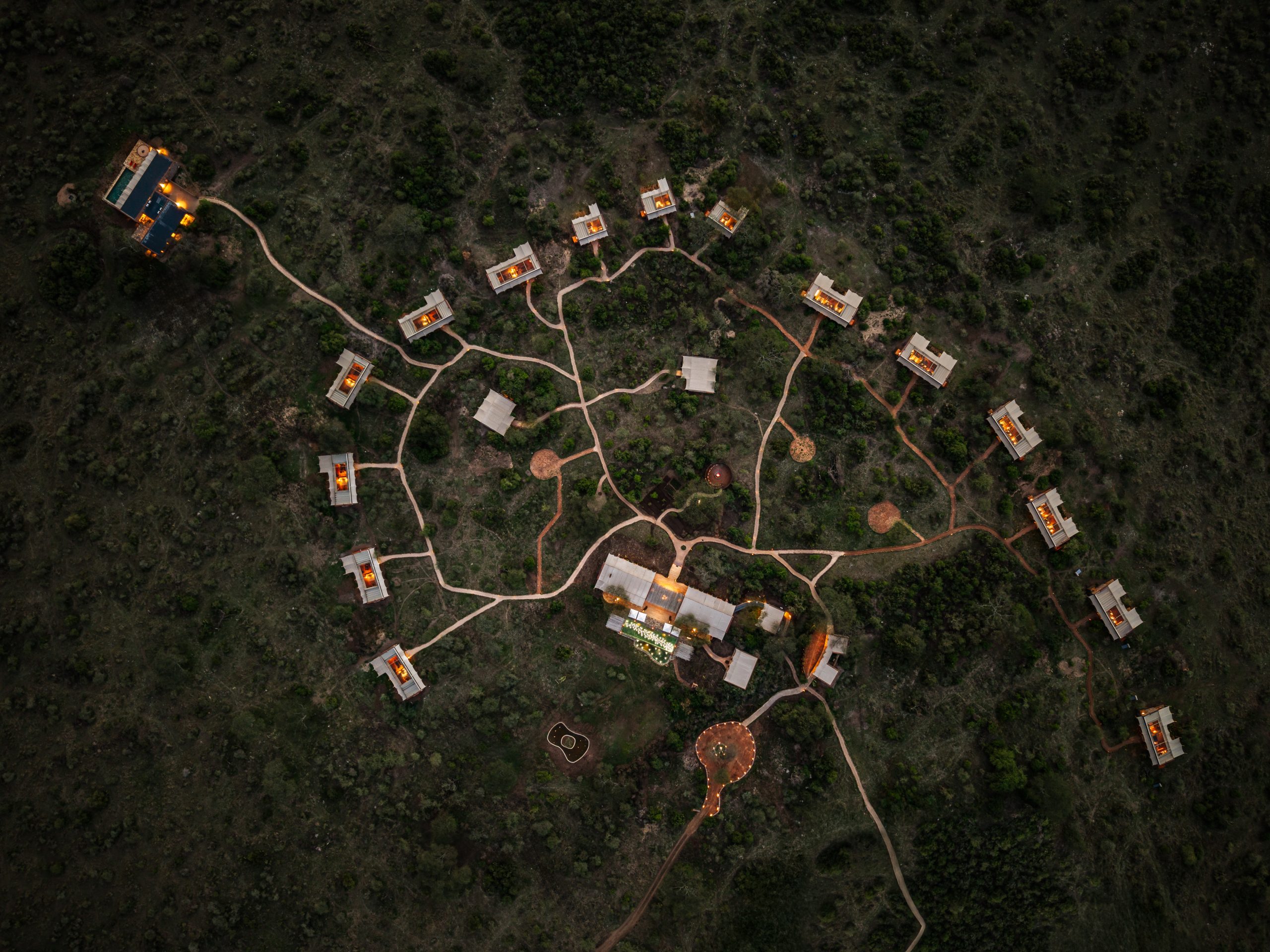
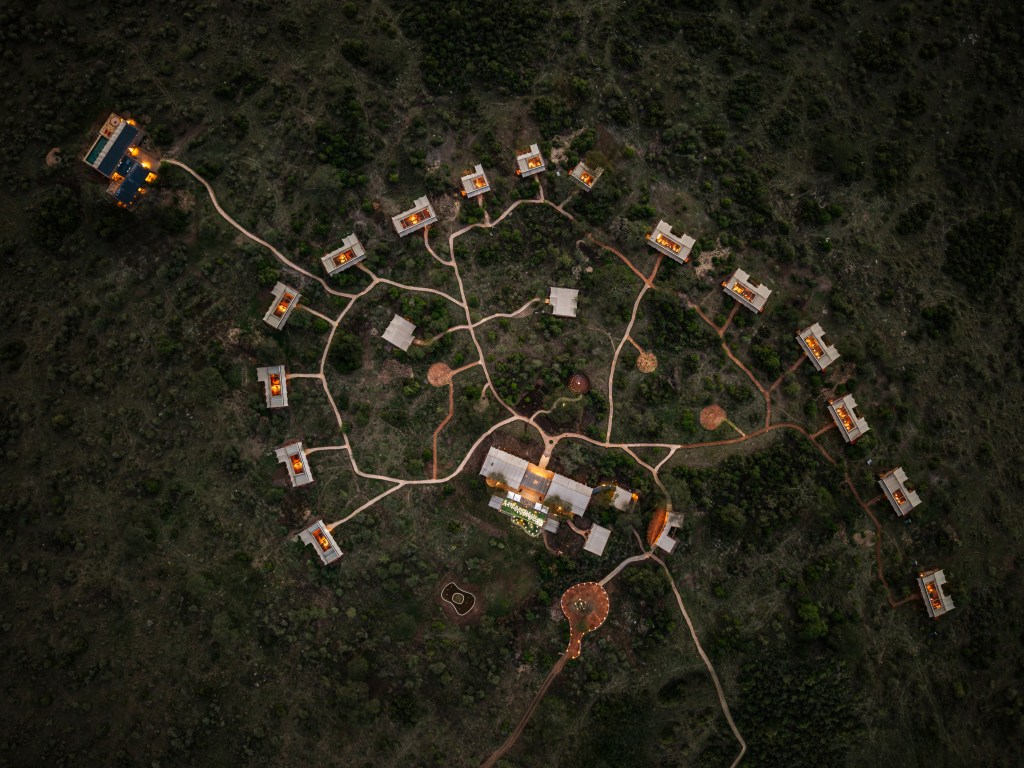
Nestled on the rugged western edge of Tanzania’s legendary Serengeti National Park, Mapito Safari Camp represents a significant milestone in high-end hospitality. Located specifically within the country’s Ikona Wildlife Management Area, the property opened its doors in January 2025, marking a major industry milestone as the very first safari camp to join Marriott International’s prestigious Autograph Collection.
The creation of this distinctive destination is the result of a creative and community-focused partnership between Rishen Patel, a third-generation Tanzanian who returned to his homeland after years living and building a successful business in the United States, and Arusha-based Dunia Designs. Featuring 15 meticulously crafted tented suites alongside an expansive two-bedroom villa, the camp relies heavily on recycled-plastic furniture and an extensive network of local artisans to cultivate an unmistakable, deep-rooted sense of place. Travelers spending four immersive nights on the property equipped with professional-grade photography gear quickly realize that Mapito belongs at the absolute top of any discerning traveler’s safari shortlist.
Embarking on a safari is widely regarded as a transformative, life-changing journey—one defined by the raw beauty of the land, the striking equatorial light, the tangible energy felt beneath the soil, and the rare privilege of observing magnificent wildlife at close range. Yet, selecting the ideal destination can easily feel overwhelming given the sheer scale of the African continent, the incredible diversity of fauna, the multitude of operational options, and the lengthy travel logistics required to arrive. Experienced travelers often begin their search by addressing foundational questions: What is the optimal time of year to visit? Which specific animal species are highest on the priority list? How much transit time—frequently spanning small bush planes and rugged four-wheel-drive vehicles—is comfortable for the traveler? Furthermore, considerations regarding the desired level of luxury, privacy, and budget dictate the final choice. While comprehensive research is essential, the vast landscape of African tourism offers tailored experiences to suit virtually every preference.
For seasoned safari-goers, certain core priorities consistently guide the selection process. Unless an expedition is focused exclusively on a single, highly elusive species, visitors are almost guaranteed to encounter a vast abundance of wildlife. However, genuinely shy animals remain a different matter entirely; spotting a swift cheetah or a rare Pel’s fishing owl can easily elude travelers even after numerous trips and the guidance of the most seasoned trackers. Accommodations are ideally situated directly within or immediately adjacent to national parks and protected wildlife areas. These zones provide vital sanctuaries for local fauna while simultaneously respecting indigenous populations on lands owned either by the state or by local communities. Operating within these sensitive environments typically mandates the use of non-permanent structures. Consequently, while a guest room may offer all the lavish comforts of a high-end luxury hotel suite, it is fundamentally built as a tented structure capable of being removed from the landscape with minimal ecological impact.
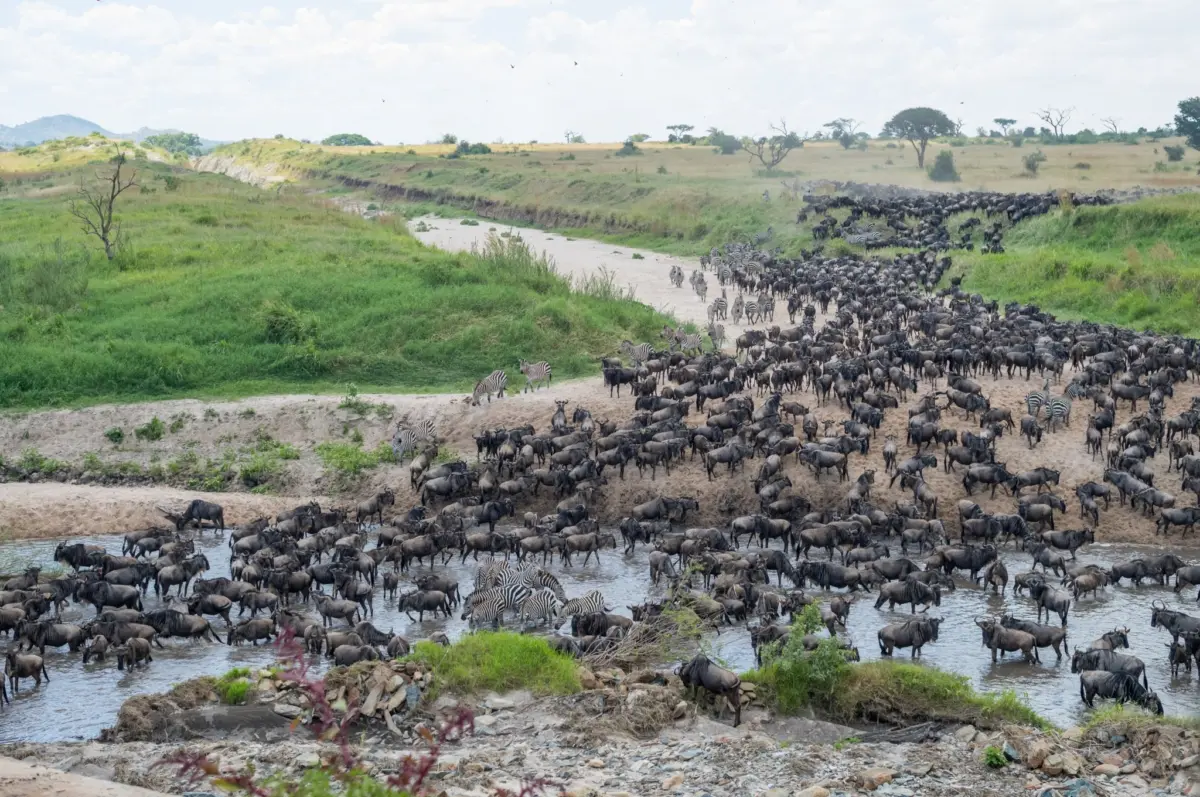
While every season across East Africa offers distinct merits, many seasoned travelers increasingly favor the onset of the dry season in early summer. This period is characterized by remarkably high levels of animal activity and an irresistible parade of newborn wildlife. Because seasonal shifts drastically alter local environments, animals remain in constant motion as they traverse the plains in search of sustenance, water, mating opportunities, and safe birthing grounds. Nowhere is this dynamic more dramatically illustrated than during the awe-inspiring Great Migration. Over the course of the year, an estimated two million wildebeests, zebras, gazelles, topis, and other antelopes complete a vast, cyclical loop across the borderlands of Kenya and Tanzania. Together, the massive national parks and their adjacent reserves form one immense, interconnected ecosystem: the Kenyan portion is famously known as the Maasai Mara, while the Tanzanian expanse is the Serengeti.
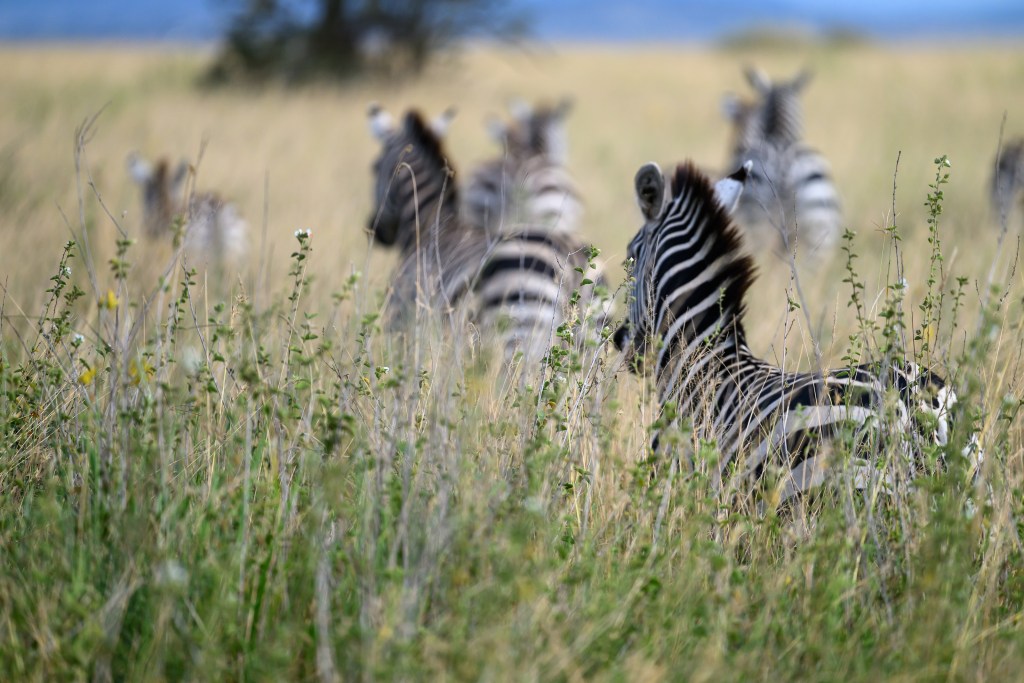
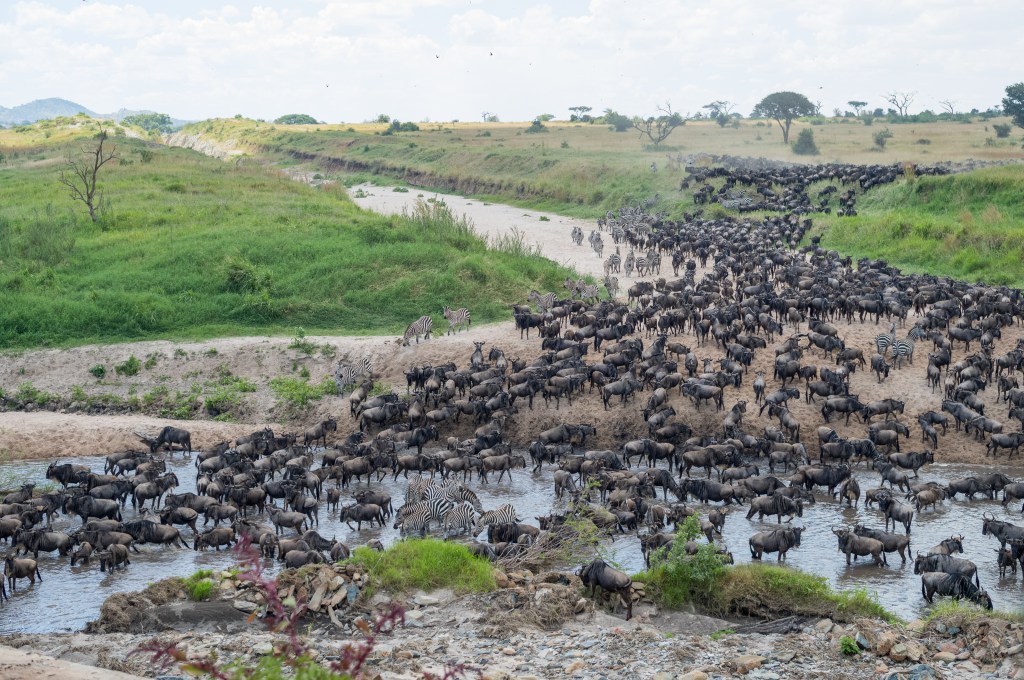
An arrival at Mapito immediately establishes an unforgettable tone for the entire journey. Entering the reserve, guests often cross a small bridge where knowledgeable guides routinely pause to observe the surrounding landscape. Within moments, hundreds—and frequently thousands—of distant specks materialize into a magnificent early wave of wildebeests and zebras descending toward the water below. The animals drink and politely accommodate one another, showcasing a fascinating interspecies cooperative relationship. Wildebeests possess exceptionally acute hearing and a powerful sense of smell, whereas zebras boast remarkably sharp eyesight. Together, the two species combine their sensory strengths to warn the broader herd of potential predators. Furthermore, they graze harmoniously, with zebras consuming the tall, tougher tops of the savanna grass while leaving the more tender, nutritious lower shoots for the wildebeests.
That cinematic introduction alone would easily earn high praise for any lodge, but the experience at Mapito is profoundly elevated by the active presence of its owner and design team on-site. This direct connection bridges the gap between the people and the landscape, elevating the property from a standard luxury safari camp into the realm of truly extraordinary destinations—places crafted with genuine insight, fierce pride of place, and an infectious passion rarely found in corporate developments. Crucially, very few safari camps utilize local design firms and incorporate tactile, locally manufactured elements quite to this extent.
Rishen Patel’s journey to hospitality is entirely unconventional. As a third-generation Tanzanian, he originally departed his home country to pursue university education in the United States, ultimately settling in Delaware where he built a thriving bagel company. Although that enterprise enjoyed steady growth and commercial viability, Patel experienced a growing internal pull to make a more profound, meaningful impact on a community in greater need of his capabilities. Following challenging discussions with his family, he made the bold decision to sell his business and relocate his household back to Tanzania. Arriving entirely devoid of prior hotel or safari industry experience, he rapidly established what has quickly become one of East Africa’s premier safari camps—a venture that successfully marries people, place, and passion with an unwavering commitment to getting every minute detail right.

Patel’s dedication extends far beyond the physical boundaries of the camp itself. Before initiating construction, he invested significant time engaging directly with surrounding communities to understand their genuine needs. Since those initial conversations, he has successfully introduced vital clean water infrastructure and comprehensive hospitality training programs to the nearby village. Furthermore, the camp has spearheaded the restoration of the Robanda Healthcare Centre, where a full-time physician employed directly by the property provides entirely free medical consultations and pharmaceuticals to an area that previously lacked access to formal healthcare.
The construction phase alone generated more than 250 local jobs, and today, an impressive 90 percent of the camp’s total staff—including senior leadership roles—comprises Tanzanian nationals. Patel also extends critical support to the Hope for Girls and Women center, a charitable organization that houses and educates young girls who have fled families practicing female genital mutilation. Visiting this center roughly an hour away from Mapito offers visitors a deeply emotional and perspective-shifting experience, providing the chance to converse directly with the children, hear their aspirations, and meet the dedicated staff.
Perhaps most tellingly, when meeting with the chief of the local tribe, community leaders revealed that Patel is the sole property developer in the region’s history to personally invite the chief and his council to lunch rather than delegating the meeting to corporate business managers. The dialogue initiated at that initial table continues to thrive today, exemplifying a level of authentic community engagement that reaches far beyond the baseline requirements for local corporate social responsibility. It is precisely this deep-rooted approach that explains why Mapito feels organically connected to its environment rather than artificially imposed upon it.
Patel’s architectural and design brief was refreshingly open-ended. He envisioned a camp that felt unmistakably Tanzanian, anchored by a signature feature—a motorized retractable roof over each bed—and finished to an exceptionally high standard. However, he arrived on-site entirely without traditional mood boards or tear sheets. Translating this vision fell to Alexis Cronin, an Irish architect who traded high-end residential projects in London’s Notting Hill for a new life in Arusha, Tanzania, some 14 years ago, alongside Dunia Designs, the studio he founded in 2016 with his wife, psychotherapist Evanna Lyons. Dunia originated from a simple challenge: Lyons dared Cronin to transform the problematic plastic waste clogging Arusha’s urban streets and local rivers into something genuinely desirable. His initial response was a simple pouf ottoman stuffed entirely with shredded plastic waste. Today, the innovative studio processes hard plastics into durable furniture, architectural decking, and exterior cladding, having successfully recycled an estimated 900 tonnes of waste to date.
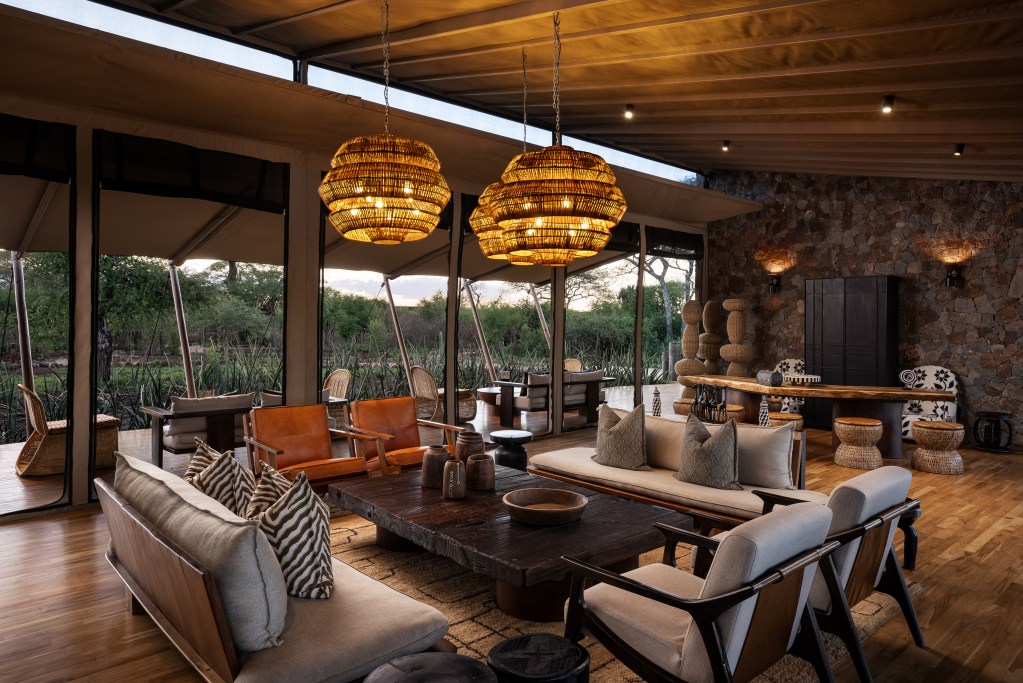
This rigorous environmental ethos permeates virtually every interior space at Mapito. Initially conceived as Patel’s private project before Marriott joined forces during active construction, the camp was built rapidly using labor sourced directly from the neighboring Robanda village, with the entire infrastructure elevated on steel footings. Landscaping was deliberately left to regenerate naturally rather than being subjected to manicured landscaping, while passive architectural design successfully maintains indoor comfort. Stone-walled bathrooms retain natural coolness, woven mesh tent walls invite refreshing cross breezes, and deep structural overhangs provide cooling shade for the private verandas.
Inside the suites, nearly every element honors local craftsmanship: sofas are constructed entirely from recycled plastic accented with local leather; approximately 180 hand-carved wooden objects were crafted by neighbors of a longtime Dunia collaborator; and bells and clay beads strung by women in Robanda adorn the bar area. Additionally, glass decanters wrapped in intricate beadwork, artifacts sourced from Arusha’s Cultural Heritage Centre, Kikoy textiles from the Ifakara Women Weavers Association, traditional beadwork from Randilen and Fort Ikoma, and hand-blown glassware from the renowned Shanga workshop round out the design. According to Dunia’s tallies, approximately 85 percent of the camp’s furniture, interior fittings, and structural finishes were manufactured or sourced directly within Tanzania. Imported items are strictly limited to bathroom fixtures, premium mattresses, bedding, select textile rugs, and a handful of decorative lamps. Cronin is personally acquainted with the individual maker behind every single object featured on the property.
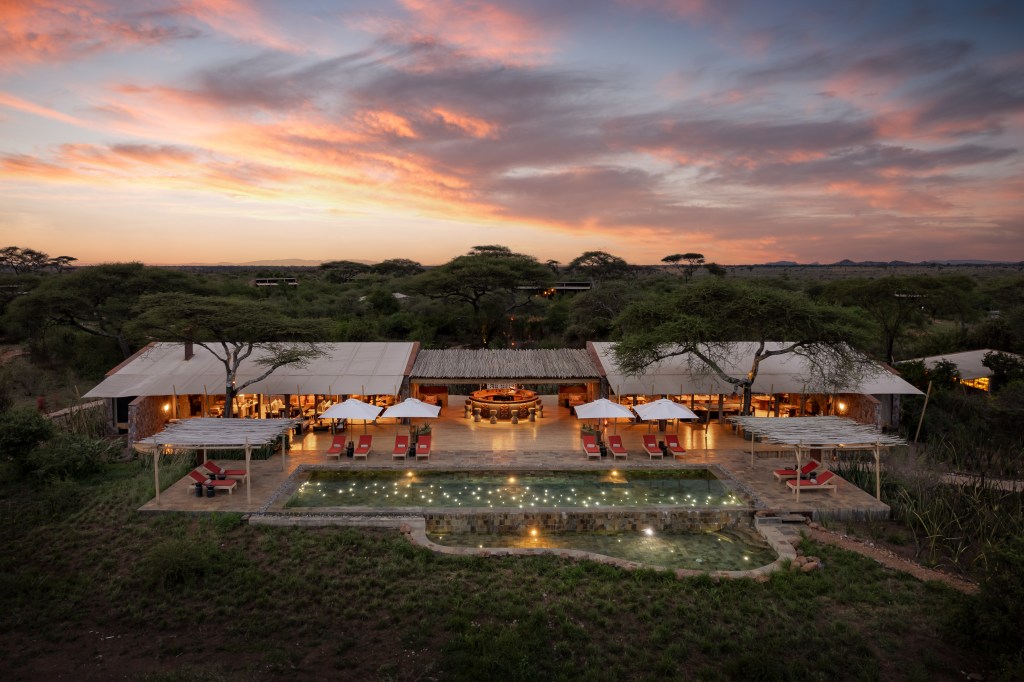
The overall guest experience successfully fulfills every benchmark of modern luxury: exceptionally comfortable, spacious accommodations that feel more like private residential homes than traditional canvas tents; authentic local design with genuine cultural character; exceptional culinary offerings featuring seasonal ingredients harvested directly from the camp’s own vegetable garden; expert naturalist guides; and attentive, personalized service. Each suite features a motorized mechanism that draws back the screened roof above the bed, allowing guests to transition seamlessly from a fully enclosed bedroom to sleeping directly beneath a magnificent, star-filled East African sky. A subtle visual indicator on each structural gable informs staff whether a roof has been fully secured prior to an unexpected evening rainstorm, while the deliberate absence of televisions ensures that natural views remain entirely unobstructed, supplemented only by a private in-room telescope for stargazing. After dark, discreet lights embedded within the floor of the rim-flow swimming pool mirror the brilliant constellation overhead.
Hospitality throughout the camp matches the natural splendor of the setting. The atmosphere remains consistently warm and welcoming, with team members recruited primarily from surrounding villages on hand to fulfill any request. Every guest tent is assigned a dedicated butler who rapidly learns individual preferences and greets visitors by name. Dining at Njia, the camp’s signature restaurant, highlights plentiful, delicious options utilizing fresh, seasonal produce grown on-site.
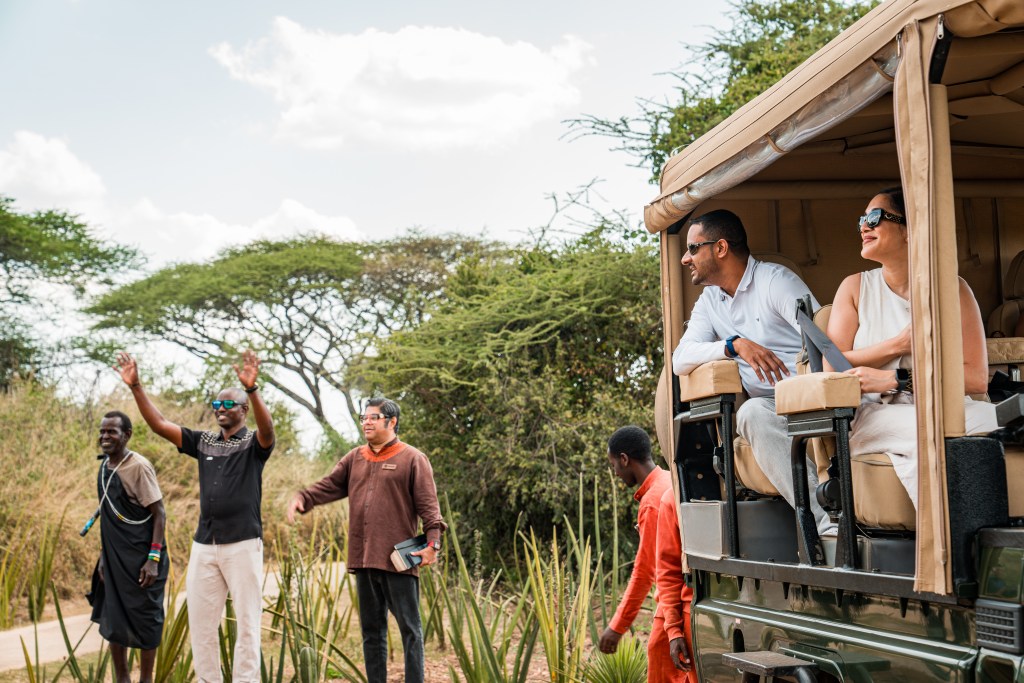
Choosing to locate the property within the Ikoma Wildlife Management Area rather than directly inside the crowded boundaries of the adjacent Serengeti National Park offers distinct strategic advantages. Guests benefit from a significantly lower density of competing camps and tourist vehicles, ensuring that wildlife roams freely through the surrounding landscape rather than being confined strictly to the national park proper. Furthermore, the protected management area permits evening and night game drives—activities strictly prohibited within the national park—with Mapito operating designated, low-impact routes utilizing softened lighting designed to avoid disturbing sensitive nocturnal fauna. Conversely, daytime excursions into the main park to search for rare black rhinos reveal stark contrasts, highlighting how crowded the public park can become compared to the tranquil exclusivity of the private Ikoma lands.
Ultimately, the quality of any safari hinges directly upon the expertise of the naturalist guides. Their deep-rooted knowledge of the terrain, established relationships with local animal populations, and intuitive understanding of wildlife movement throughout the day elevate every game drive into an deeply educational experience. When reserving a stay at Mapito, guests can specify whether they prefer a private dedicated guide and vehicle, a shared vehicle with traveling companions, or an open group ride with other lodge guests. Such expert guidance frequently yields unforgettable moments; on a return journey just ten minutes from the camp, guides recently encountered a caracal—a tufted-eared wild cat so notoriously elusive that even veteran trackers rarely spot them. Despite years of accumulated field experience, the sighting marked only the second time the lead guide had encountered the solitary animal in the region, creating a moment of genuine celebration for the entire group.
While contemporary smartphones possess increasingly sophisticated photographic capabilities, capturing the raw dynamism of an African safari warrants the use of dedicated camera equipment paired with professional lenses. Travelers utilizing advanced mirrorless systems—such as the Nikon Z8 paired with NIKKOR Z telephoto glass and high-speed adapters—benefit from stacked sensor technology that dispenses with mechanical shutters entirely. This enables completely silent shooting that avoids startling skittish subjects, alongside high-speed continuous capture rates and subject-detection autofocus tailored specifically for animals and birds. Features such as pre-release capture ensure that fleeting moments, such as a bird taking sudden flight, are permanently preserved without missing a fraction of a second.
Mapito Safari Camp, Serengeti, Autograph Collection is easily accessible via a short charter flight to the Fort Ikoma Airstrip, situated approximately 75 minutes by air from Kilimanjaro International Airport. Standard nightly rates typically range from $1,400 to $2,200 per person, encompassing all meals, premium beverages, private game drives, and mandatory conservation park fees. Reservations can be made directly through Marriott International, where the property is fully integrated into the Autograph Collection portfolio, allowing Marriott Bonvoy members to comfortably earn and redeem loyalty points.