





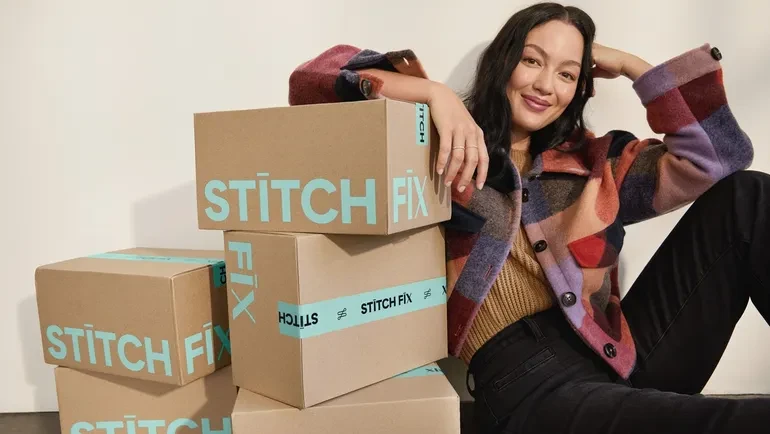
Stitch Fix is recalibrating its long-term trajectory, announcing that it no longer expects its number of active clients to rise in fiscal 2027. During a recent earnings call with analysts, company executives revealed that forward-looking sales will inevitably suffer from starting off the period with a smaller base of active customers. Compounding these challenges, customer acquisition costs spiked significantly toward the end of the fiscal year, presenting a multi-faceted hurdle for the personalized apparel retailer as it navigates a shifting macroeconomic landscape.
The news underscores the persistent difficulties apparel box retailers face in securing steady, scalable customer growth in a tight consumer market. While leadership insists that the fundamental business model remains sound and strategically focused, the lowered projections have introduced a note of caution among market watchers regarding the pace of the company’s ongoing turnaround.
Navigating a Challenging Consumer Environment
"Our outlook reflects a more challenging consumer environment," CEO Matt Baer told analysts on Wednesday. Despite the near-term headwinds, Baer maintained an optimistic perspective on the underlying utility of the brand’s core offering. "While these conditions affect our near-term outlook, they do not change our strategy or the opportunity ahead. When clients are more intentional about what they buy, the value of a personalized service that makes each purchase more relevant becomes even clearer."
Since taking the helm three years ago, Baer has overseen a comprehensive operational and strategic turnaround at Stitch Fix. His leadership has steered the apparel-box retailer into what financial analysts describe as a vastly improved standing. William Blair analysts, led by Dylan Carden, noted in a research report that Baer’s tenure "has created an altogether healthier, more dynamic business than what was inherited."
However, that praise comes with a caveat. Carden pointed out that the fiscal 2027 outlook reflects "a clear setback in confidence" regarding the company’s growth vectors. "Most notably, active customer growth remains elusive," he added, highlighting a metric that has long served as a primary sticking point for Wall Street skeptics tracking the company’s progress.
Assessing the Turnaround and Market Share
As Stitch Fix’s financial and operational performance has gradually improved under Baer’s guidance, skepticism surrounding its unique retail model has noticeably softened. The company operates on a hybrid model where curated boxes of apparel are shipped to subscribers either intermittently or on a regular schedule. Additionally, customers can purchase items à la carte, benefiting from the tailored guidance of human stylists coupled with advanced digital tools.
Despite the plateau in active users, leadership remains confident in the company’s competitive standing. Baer pointed to proprietary Circana data indicating that Stitch Fix has successfully gained market share within its sector.
Even so, financial analysts emphasize that the retailer still has significant hurdles to clear. UBS analysts, led by Jay Sole, offered a measured evaluation in a research note following the earnings announcement. While acknowledging that several operational initiatives are yielding positive results, Sole stressed that the company still has much to prove given its ongoing struggle to expand its regular customer base.
"To drive sustainable revenue growth over the long term, the company needs to grow active client count," Sole noted, referencing the downward trend observed in the fourth quarter. "We lack conviction that the active client count will improve in the near term."
Adapting to Consumer Trends and Shifting Budgets
Amid these top-of-funnel acquisition challenges, Stitch Fix has found tailwinds in unexpected consumer shifts. Baer highlighted that the company has directly benefited from the surging popularity of weight-loss medications. As clients undergo physical transformations, Stitch Fix’s human stylists have played an instrumental role in helping them completely revamp their wardrobes to match their changing bodies.
Furthermore, as broader inflationary pressures and rising living costs squeeze consumer budgets, the retailer’s human-centric approach has provided a vital service. Stylists have actively collaborated with customers to identify clothing options that align with their revised, tighter financial realities, reinforcing the utility of personalized styling during periods of economic uncertainty.
The Balancing Act of Artificial Intelligence and Human Touch
Looking forward, technology remains a foundational pillar of Stitch Fix’s strategic roadmap. Executives emphasized that artificial intelligence is key to the company’s long-term success, driven by the rich trove of proprietary data the platform has accumulated over years of operations. Consequently, Stitch Fix intends to make incremental investments in AI capabilities to refine its recommendation engines and operational efficiencies.
However, company leadership is equally adamant that the human touch remains its ultimate market differentiator—a value proposition that becomes even more critical in an increasingly automated world.
"As more and more interactions for all consumers generally are taking place by AI, human connection becomes the scarce resource," Baer explained to analysts. "We are the only retailer out there that has continued to invest in this human connection in a meaningful way, such that we can serve our clients uniquely, and we believe that will become an even greater competitive advantage for us in the future."