





Silver—represented on the periodic table by the symbol Ag—is a lustrous white metallic element prized for millennia. Harder than gold yet softer than copper, it ranks second only to gold in both malleability and ductility. Because of its exceptional resistance to oxidation, it is classified as a noble metal. Furthermore, it boasts the highest thermal and electrical conductivity of any element on Earth.
Historically, silver has played a pivotal role in the production of fine jewelry and objets d’art. Because pure silver is inherently soft, artisans have traditionally alloyed it with other metals to provide the structural integrity necessary to maintain intricate shapes and fine decorative details. While today’s market often measures silver against the lofty values of gold or platinum, relegating it to a secondary status would be a profound historical error. At various points in human history, silver was valued more highly than gold. Moreover, the sheer volume of silver utilized in jewelry and decorative objects far outweighs that of any other precious metal. The versatile white metal has driven technological advancements in mining and metallurgy far beyond its precious metallic cousins, while the rise and fall of entire economies—and the outcomes of pivotal wars—have frequently hinged upon access to its rich deposits.
Bronze Age Origins and Early Civilizations
The story of silver unfolds near the end of the fourth millennium BCE, when ancient innovators in modern-day Turkey discovered a method to extract silver from lead through the metallurgical process of cupellation. While surviving artifacts from this nascent period are exceedingly rare, those that remain offer a remarkable testament to the capabilities of Bronze Age silversmiths.
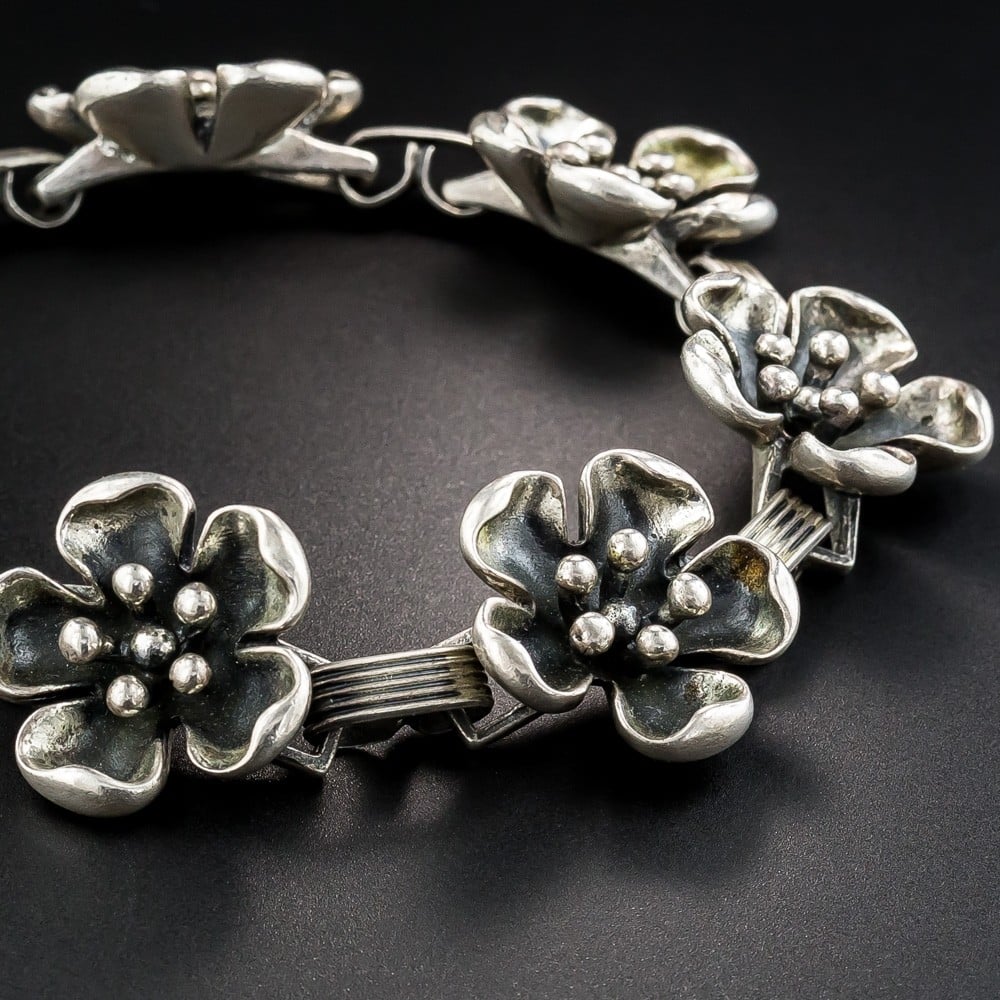
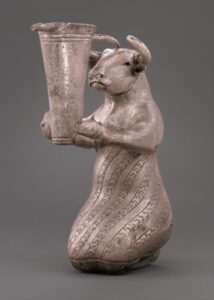
At the dawn of written history, Mesopotamia utilized silver as a form of currency. Rather than minted coins, the metal circulated purely by weight or in the form of portable rings. The workshop of the Mesopotamian silversmith closely mirrored—and frequently overlapped with—that of the goldsmith. Although silver is slightly less ductile than gold and demands more frequent annealing during shaping, ancient craftspeople discovered it could be cast, hammered into whisper-thin sheets, engraved, embossed, and decorated using advanced techniques like repoussé, filigree, and granulation. Archaeological discoveries of silver vessels, statuettes, and jewelry confirm that high-purity silver was regularly employed, yielding remarkably delicate objects.
In ancient Egypt, the cultural appetite leaned heavily toward the rare and exotic. The Egyptians coveted foreign luxury goods, going to extraordinary lengths to secure Afghan lapis lazuli, which they considered perhaps their most valuable gemstone. Silver traveled along these very same trade routes, arriving in the Nile Valley as an exceptionally exclusive commodity. Because domestic gold could be easily sourced from the mountains of the Eastern Desert and Nubia, pure silver had to be imported from afar. Consequently, it was initially valued higher than gold and reserved exclusively for society’s elite.
By approximately 1600 BCE, the global supply of silver had expanded significantly, causing its market value to drop to roughly half that of gold. By this era, it functioned as an abstract currency with a relatively stable value. Yet, its popularity remained beholden to the shifting tides of fashion. King Tutankhamun’s legendary tomb contained scarcely any silver artifacts, whereas Pharaoh Sheshonq II was laid to rest within an entirely silver sarcophagus.
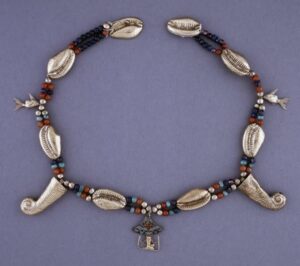
Across the Mediterranean, the Minoans and, to a greater extent, the Mycenaeans engaged extensively in maritime trade, bringing them into frequent contact with silver. Archaeological sites across the Greek mainland, Crete, and the island of Cyprus have yielded substantial quantities of early Greek silver jewelry. Meanwhile, the Phoenicians played a transformative role in Mediterranean civilization through their far-flung colonization and trade networks. By initiating the large-scale exploitation of Spanish silver deposits and distributing the metal throughout the classical world, the Phoenicians forever stripped silver of its exclusively rare and exotic status, flooding the market with unprecedented volumes.
Classical Innovations and Roman Luxury
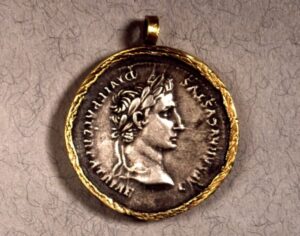
To both Greek and Roman societies, a steady supply of silver was an absolute necessity, serving as the literal foundation of their monetary systems through properly minted silver coinage. While archaeological finds suggest that gold was more commonly preserved in ancient jewelry—partly due to the continuous recycling and remelting of silver items—surviving pieces reveal that silver was utilized across every conceivable category of adornment, including finger rings, anklets, and armlets.
The Romans harbored a particular fondness for niello, a surface decoration technique strikingly similar to enameling, executed using silver sulfate rather than glass. Niello proved significantly more durable than glass enamel, offering a striking metallic luster instead of a vitreous one. As Roman legions marched across Northern Europe, this distinctive black-and-white aesthetic spread throughout the continent, leaving a lasting imprint on Anglo-Saxon craftsmanship in Britain and similar traditions in Eastern Europe.
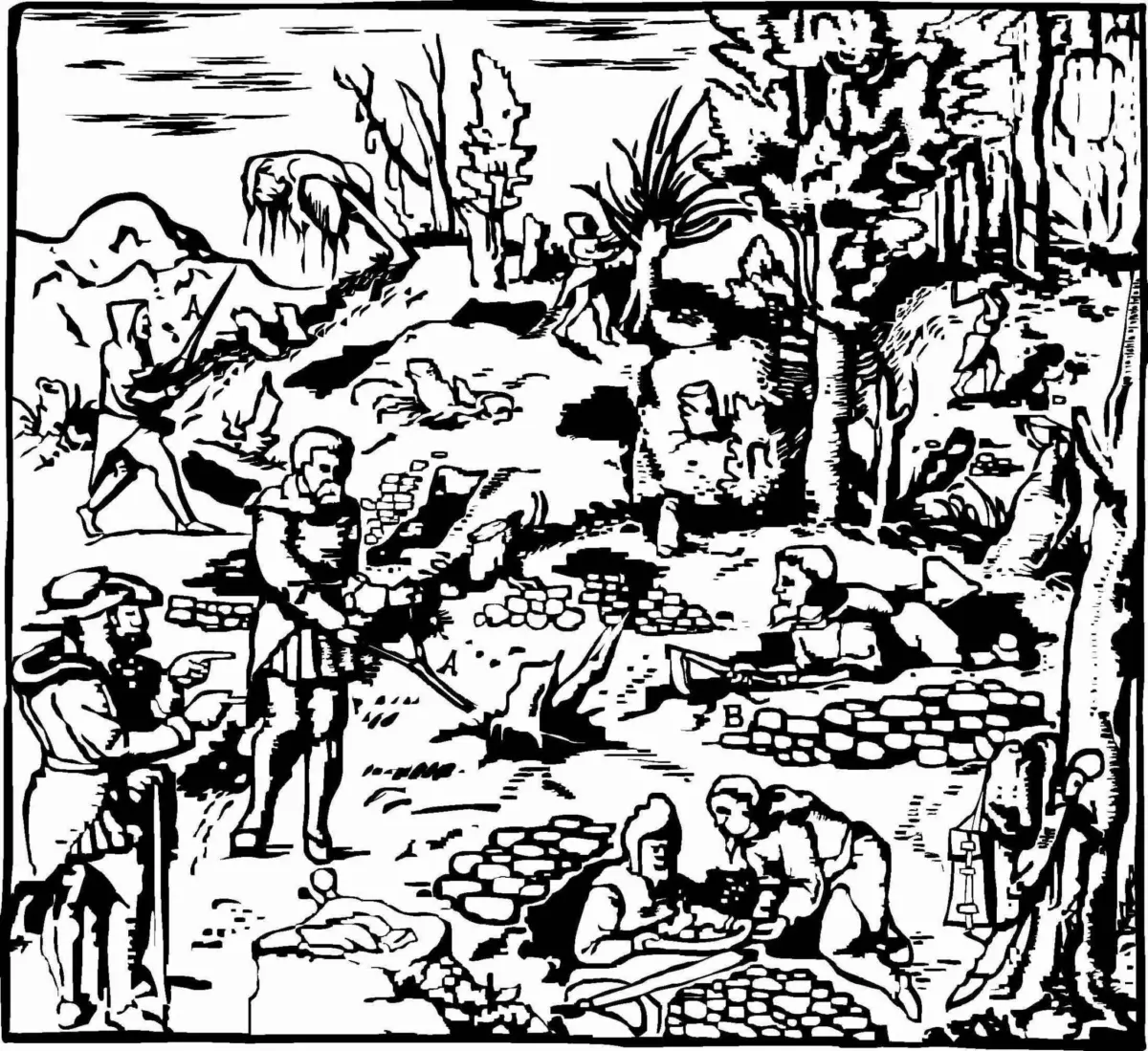
The writings of Pliny the Elder in his monumental Naturalis Historia provide a vivid, albeit characteristically skeptical, window into the Roman obsession with silver. Pliny details the deep shaft mining required to extract silver ore—often found in association with lead or galena—and marvels at the legendary Spanish mines first opened by Hannibal, such as the Bæbelo mine, which reportedly yielded three hundred pounds of silver daily. Pliny also catalogs the staggering heights of Roman luxury, lamenting the ever-shifting caprices of fashion in silver plate, the plating of household couches with silver, and the extravagant displays of wealth by military commanders and imperial consorts, contrasted sharply against the rugged frugality of early Roman ancestors who dined exclusively off earthenware and possessed virtually no precious metals.
Celtic and Medieval Transformations
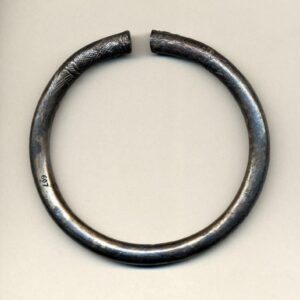
Among Celtic tribes, silver and bronze served as the primary mediums for personal adornment. Intricately decorated brooches, torcs, and crescent-shaped lunulae represented the pinnacle of Celtic metalwork. Prior to the Roman invasions, the Celts bypassed coinage entirely, relying instead on "ring money"—standardized rings crafted from silver, copper, bronze, or gold that served exclusively as a medium of exchange rather than wearable jewelry.
Following the collapse of Roman supply lines, gold rapidly became a scarce commodity across Europe, thrusting silver into the premier position for jewelry production. Germanic jewelry during the Migration Period consisted largely of functional fasteners, including fibulae, disc brooches, penannular brooches, and heavy belt buckles fashioned from silver, occasionally gilded or inlaid with precious garnets.
Around 800 CE, Viking military expansions along the northwest European coastline channeled vast quantities of silver northward into Scandinavia. This influx stimulated a flourishing tradition of Norse silversmithing, a craft further energized by the discovery of rich Swedish silver deposits around the turn of the first millennium. The Roman appreciation for niello was readily adopted by Germanic tribes, who utilized the high-contrast black-and-white inlay to accentuate intricate native animal-art engraving patterns.
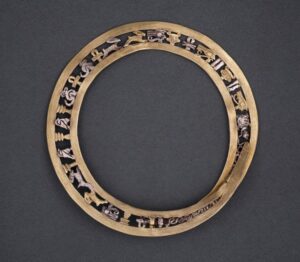
Among the most celebrated survivals of this era is the Fuller Brooch, an Anglo-Saxon circular silver-and-niello masterpiece dating to the ninth century. Housed in the British Museum, the brooch is meticulously decorated with hammered sheet metal and openwork zones. Its central roundel depicts personifications of the Five Senses, surrounded by geometric animal and human motifs symbolizing creation.
As medieval society evolved and trade routes to the East reopened, gold gradually reclaimed its traditional status as the premier metal for elite jewelry. Nevertheless, this same commercial revival fostered a prosperous new middle class eager to adorn themselves in fashions once reserved strictly for royalty and nobility. For those operating on a more modest budget, silver jewelry offered an accessible and beautiful alternative. Jewelry forms also grew increasingly diverse, shifting away from purely functional fastenings toward decorative and symbolic pieces, including finger rings, bangles, and pendants. By the late Middle Ages, the trade in silver jewelry and silverware became strictly regulated through the introduction of formal assaying and hallmarking systems.
The Renaissance and Global Trade Networks
The Renaissance, spanning roughly from 1500 to 1600 with roots extending back to late thirteenth-century Northern Italy, coincided with a massive revitalization of European commerce. The expansion of trade centers in Northern Europe—such as the Netherlands—alongside the influx of classical knowledge brought by refugees following the fall of the Byzantine Empire in 1453, ignited a cultural and economic renaissance. Italy emerged as the epicenter of this movement, fueled by wealth generated through trade with Asia and the Levant.
The Age of Discovery dramatically altered the global availability of precious metals. Following Christopher Columbus’s historic landfall, Spanish, Portuguese, French, Dutch, and English explorers raced to claim territories across the globe. Conquistadors such as Pizarro and Cortés subjugated the Inca and Aztec empires, unlocking immense mineral wealth. Following the discovery of monumental silver deposits in modern-day Mexico in 1546, Spanish galleons began transporting staggering quantities of silver across the oceans. A significant portion of this New World silver was shipped directly across the Pacific to China to purchase coveted Asian commodities.
While fundamental silver-working techniques remained largely unchanged from the medieval period, the sheer abundance of metal transforming European markets ensured that silver remained both a vital currency and an affordable precious metal for jewelry production amidst a growing, increasingly prosperous population.
Baroque, Georgian, and Victorian Eras
During the Baroque period spanning the seventeenth century, the steady stream of South American silver arriving in European ports accelerated. The Netherlands emerged as a dominant maritime and artistic powerhouse, frequently engaging in naval conflicts over treasure fleets laden with silver returning from the Americas.
Technological and stylistic innovations also marked the era. Portable timepieces emerged as a major novelty, frequently housed in intricate silver cases. More importantly, silversmiths began utilizing silver settings to mount diamonds. The brilliant white metal perfectly complemented the colorless sparkle of diamonds, which were now arriving directly from Indian mines following the establishment of permanent European trading posts on the subcontinent.
During the Georgian era, continuous new discoveries of silver in South America fueled a booming production market. The practice of setting diamonds in silver became standard practice. While fine jewelry continued to be executed predominantly in gold with silver-topped fronts, entirely silver items remained popular, and the characteristic cut-down collet settings of Georgian jewelry were almost universally crafted from silver to accentuate the white fire of the stones.
Furthermore, the introduction of die-striking in 1777 revolutionized manufacturing. This technique involved stamping and cutting precious metal components using heavy presses and drop hammers, which artisans then assembled by hand. This cost-effective production method birthed the world’s first mass-produced jewelry lines, bringing fashionable pieces to broader consumer markets and flooding commercial centers with affordable die-struck silver jewelry.
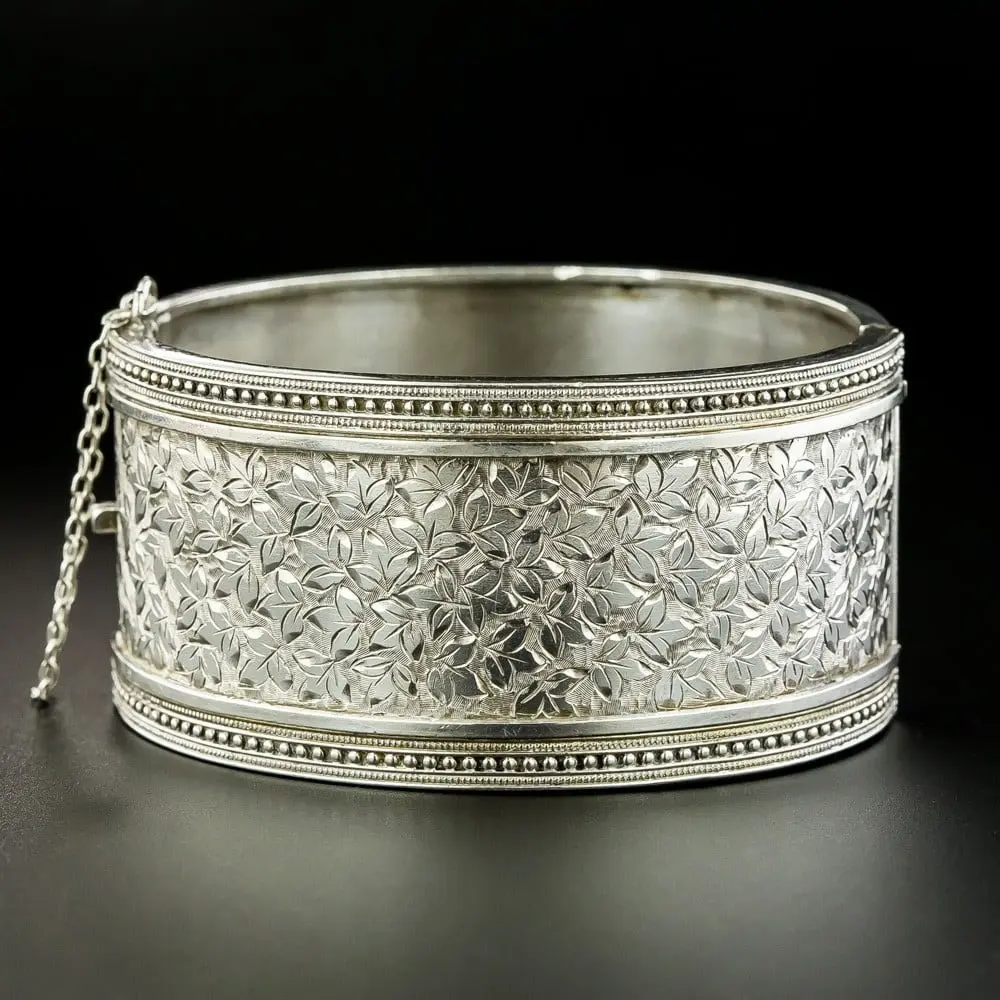
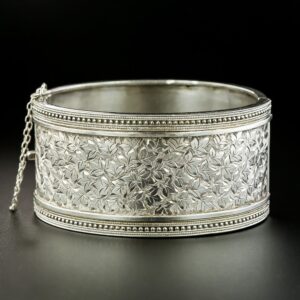
The Industrial Revolution of the Victorian era further cemented silver’s industrial and decorative dominance through perfected stamping and die-striking techniques. Following Queen Victoria and Prince Albert’s acquisition of Balmoral Castle in 1848, Scottish agate jewelry sparked a widespread fashion trend, with these regional pieces predominantly executed in silver. Toward the end of the Victorian period, the Arts and Crafts movement emerged as a direct philosophical reaction against industrial mass production. Arts and Crafts artisans prioritized artistic design over the intrinsic market value of raw materials. Rejecting heavily faceted stones in favor of bezel-set cabochons, these designers heavily favored silver over gold, ensuring the ancient white metal remained at the forefront of creative expression as the modern era approached.