




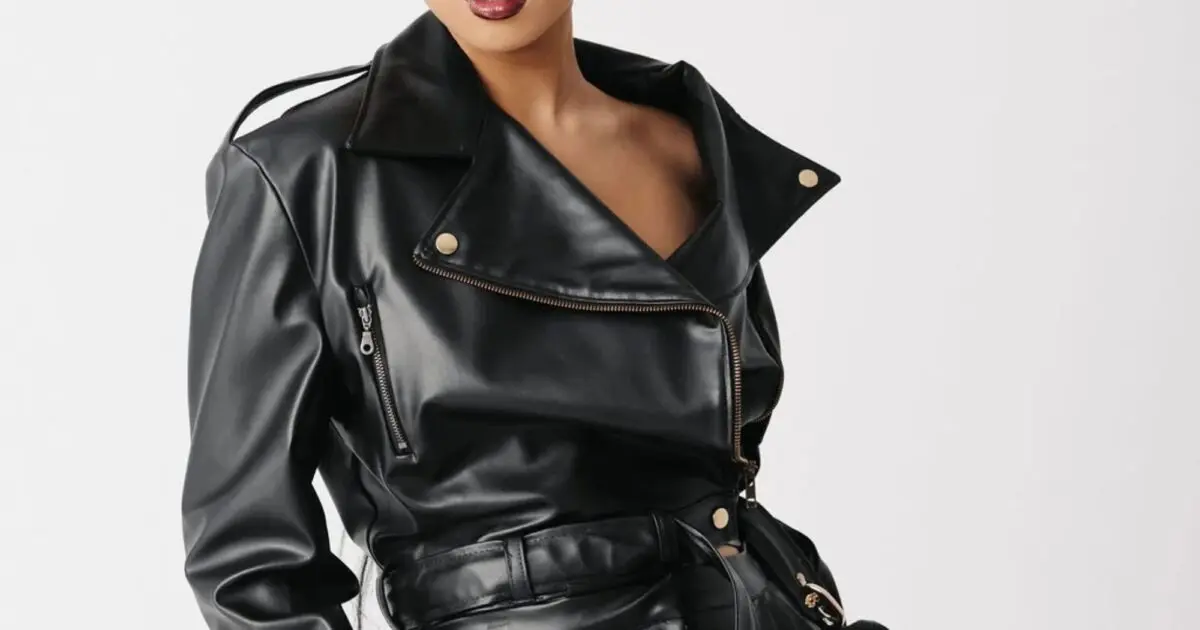
For decades, the leather jacket has held an undisputed position as a timeless wardrobe staple. Cementing its status as a symbol of effortless cool during the cultural shifts of the 1950s, the classic biker silhouette remains a favorite among fashion enthusiasts worldwide. However, while the aesthetic appeal of a rugged leather jacket has barely wavered over generations, the modern consumer’s perspective on how fashion is produced has undergone a profound transformation. Conventionally crafted from animal skins, traditional leather carries a heavy ethical and environmental footprint that sits uncomfortably with a growing segment of the style-conscious public.
As awareness surrounding the realities of animal agriculture and material processing spreads, many fashion lovers are consciously stepping away from conventional leather. Animal rights advocates and industry watchdogs have repeatedly highlighted the harsh realities embedded within leather production, shedding light on the multifaceted impacts that stretch from animal welfare concerns to ecological degradation and worker safety hazards. In response, a significant shift is taking place across the global apparel industry, giving rise to an expanding market for vegan alternatives designed to replicate the look and feel of traditional leather without the associated harm.
The movement toward cruelty-free alternatives addresses a fundamental dilemma that has long plagued the fashion sector. At the heart of the issue with animal leather is a deeply opaque and complex global supply chain. According to industry insights, a vast majority of the world’s leather remains entirely untraceable. This lack of transparency makes it exceedingly difficult, if not impossible, for brands and consumers alike to guarantee the welfare of the animals whose skins are utilized in garments. Beyond the ethical implications concerning sentient beings, conventional leather manufacturing is an exceptionally resource-intensive process. It typically demands excessive volumes of water and relies heavily on a cocktail of dangerous chemical agents for tanning and treatment. These chemicals not only pollute local ecosystems surrounding manufacturing hubs but also pose severe health and safety risks to the factory workers handling them day in and day out. From both an ethical standpoint and an ecological perspective, the search for better options has become a pressing priority for modern consumers.
Yet, stepping into the realm of alternative materials introduces its own set of complex choices. The marketplace is flooded with a revolving door of novel innovations, ranging from traditional synthetics to cutting-edge plant-based textiles. Historically, conventional vegan leather has relied heavily on petroleum-derived plastics such as polyvinyl chloride, commonly known as PVC, or polyurethane, known as PU. While these materials successfully bypass the use of animal skins, their environmental credentials are often compromised by their reliance on fossil fuels and their persistent nature in landfills.
In recent years, however, the industry has witnessed a wave of more sustainable and innovative alternatives entering the market. Materials derived from recycled rubber, apple peels, and cultivated cactus are beginning to carve out a legitimate space in high-end and contemporary wardrobes. Despite these impressive strides, consumers must navigate the nuanced reality of material science. Even some of the most innovative plant-based leathers may still incorporate microscopic polyester backings or thin polyurethane coatings. These chemical additions are frequently necessary to achieve desired color properties, tensile strength, waterproofing, and overall durability. Consequently, while these materials successfully avoid animal exploitation, they may not always be fully biodegradable and can still contain synthetic chemical components.
This intricate landscape means that no single material option is entirely flawless. Choosing what to wear ultimately rests on an individual’s personal values, priorities, and lifestyle considerations. Every choice in the fashion ecosystem comes with its own unique set of trade-offs and environmental impacts. For those seeking the absolute most sustainable path forward, industry experts consistently point toward the secondhand market. Opting for pre-owned garments—whether constructed from animal leather or alternative fabrics—remains one of the most effective ways to break the cycle of overproduction and minimize one’s overall fashion footprint.
For shoppers who are specifically set on acquiring a new leather-style jacket through primary retail channels, a dedicated segment of the fashion industry is working diligently to redefine standards. A select group of brands has committed to steering away from animal materials entirely, focusing instead on crafting garments that align with a kinder, more conscious approach to commerce. Among these innovators, prominent names like Will’s Vegan Store and Stella McCartney have long paved the way, demonstrating that ethical design does not require compromising on style, cut, or quality.
Further expanding this landscape of conscious design is the Dutch contemporary label CAES, whose name is pronounced simply as "case." Operating under the guiding philosophy that fashion does not need to adhere to the frantic, disposable rhythms of fast-moving seasons, the brand focuses on producing minimalist, timeless garments designed for longevity. To achieve this, CAES incorporates lower-impact materials into its collections, utilizing innovative textiles such as Desserto cactus leather alongside recycled cotton and Tencel Lyocell. Furthermore, the brand demonstrates a commitment to operational transparency by partially tracing its supply chain and enforcing a code of conduct that integrates key principles from the International Labour Organization’s Four Fundamental Freedoms.
As the fashion industry continues to grapple with its systemic environmental and ethical challenges, the evolution of the leather jacket serves as a microcosm of a broader cultural shift. Whether through the adoption of pioneering plant-based alternatives, the support of forward-thinking brands committed to ethical production, or the timeless practice of thrifting, consumers now possess more avenues than ever to align their wardrobes with their personal values.